
Blog Vietnam Travel Guide
Vietnam is an amazing puzzle, we are happy to assist you to puzzle
your amazing trip for Vietnam
Friends Travel Vietnam the Travel Company Turning Travellers Into
Friends Since 2012
Search & Read more...
Travel packages, private tours, group tours
24/7 Support
The best Price - the best products
Local Experiences
FTV MKT • April 10, 2025
Contents
- 1. Why You Need a Travel Problem Solving Guide
- 2. Lost Passport or Travel Documents
- 3. Missed Flight or Delayed Connection
- 4. Lost or Delayed Luggage
- 5. Getting Sick or Injured Abroad
- 6. Language Barriers and Communication Issues
- 7. Money Problems: Lost Cards, Blocked ATMs, or Scams
- 8. Booking Mistakes: Wrong Dates, Hotels, or Overbookings
- 9. Dealing With Local Scams and Tourist Traps
- 10. Transportation Trouble: Taxi Scams, Wrong Stations, or Canceled Buses
- 11. Tech Problems: Lost Phone, No Signal, or No Battery
- 12. Getting Robbed or Losing Your Valuables
- 13. Visa Issues or Entry Denied at the Border
- 14. Emergency Contacts: Who to Call and What to Say
- 15. Travel Insurance: How to Actually Use It in a Crisis
- 16. How to Stay Calm and Think Clearly Under Stress
- 17. Summary: Build Your Own Travel Contingency Plan
1. Why You Need a Travel Problem Solving Guide
No matter how well you plan your trip, something will go wrong at some point. A missed flight, a stolen bag, a bad stomach — unexpected travel problems can ruin a trip if you're not ready.
This Travel Problem Solving Guide gives you practical steps to:
- Stay calm during emergencies
- Take action quickly
- Avoid losing time, money, or safety while abroad
From lost passports to canceled flights, here’s how to stay in control when chaos hits.
Looking for a crisis-proof packing list? Check out our Essential Travel Backup Kit.
2. Lost Passport or Travel Documents
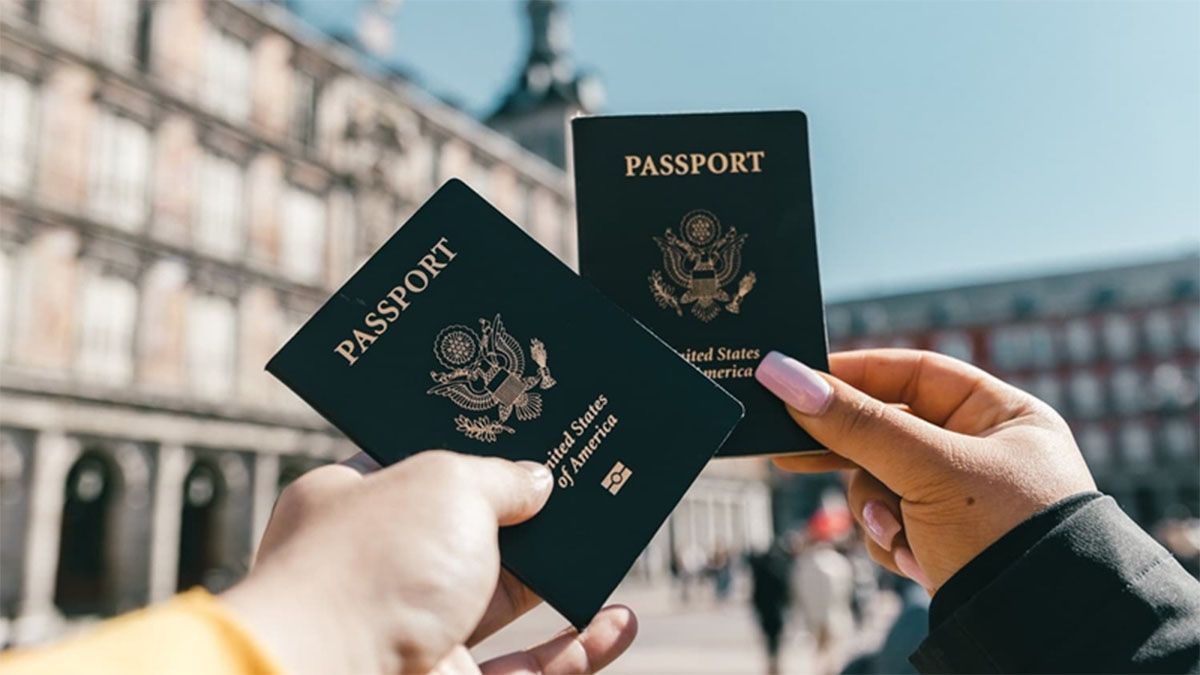
Losing your passport is stressful — but it’s fixable if you act fast.
What to do immediately:
- Report the loss to your local embassy or consulate
- File a police report — some embassies require it for replacement
- If you're flying soon, ask for an emergency passport
- Carry backup copies of your passport (digital + print)
📍 Tools to help:
- Use Google Drive or email to store photos of your ID
- Bookmark your country’s nearest embassy page
- Some consulates offer online appointment systems — use them ASAP
💡 Tip: Never carry your passport everywhere. Lock it in your hotel and carry a copy unless you need the original.
See our Lost Passport Abroad Guide.
3. Missed Flight or Delayed Connection
Whether your flight is canceled, delayed, or you simply got to the gate late — don’t panic.
What to do:
- Head straight to the airline counter
- Ask for the next available flight or standby options
- Check the airline’s compensation policy (especially in the EU)
- Use airline apps to rebook faster
- If you booked through a third party, contact them directly
Backup move:
- Use Skyscanner or Google Flights to find alternative options
- For overnight delays, ask for meal vouchers or hotel coverage
💡 Tip: Always arrive at the airport 2–3 hours early — even for domestic flights in busy countries.
4. Lost or Delayed Luggage
You’re at baggage claim. The belt stops. Your bag isn’t there.
Immediate actions:
- Go to the airline’s lost baggage desk before leaving the airport
- File a Property Irregularity Report (PIR) with your baggage tag
- Ask for a tracking number + contact email
- Inquire about compensation for essentials (toiletries, clothes)
While you wait:
- Keep receipts for anything you buy (you may be reimbursed)
- Check the airline’s website for daily compensation limits
- Use tracking tools (some airlines support Apple AirTag or app-based tracking)
📌 Pro tip: Use a color tag or sticker on your luggage to avoid mix-ups.
Need help filing a claim? Read our Lost Baggage Compensation Guide.
5. Getting Sick or Injured Abroad
Getting sick while traveling is one of the most common — and scary — problems. But you don’t need to panic.
What to do first:
- Find a local clinic or international hospital (use Google Maps or hotel staff help)
- Ask your hotel for help translating symptoms
- If you feel seriously ill, go straight to emergency care
- Keep all receipts and medical reports for insurance claims
Travel health checklist:
- Always carry basic medicine: painkillers, antihistamines, rehydration salts
- Save the local emergency number (e.g., 115 in Vietnam)
- Install apps like Air Doctor or Google Translate for health situations
💡 Tip: Buy travel insurance that covers medical expenses + evacuation. It’s worth every dollar.
Need help filing a health claim? See our Travel Health Emergency Guide.
6. Language Barriers and Communication Issues
Can’t speak the language? That shouldn’t stop you — but it can slow you down if you’re not prepared.
What to do:
- Use Google Translate app (download offline language packs)
- Carry a small phrase card or screenshot for key words
- Ask hotel staff to write down important addresses in the local language
- Use hand gestures + visuals (point to maps, menus, or icons)
In emergencies:
- Show a photo of the item or location you’re looking for
- Use the “conversation mode” in Google Translate for real-time chat
- If in doubt, find a younger local — many can speak basic English
📌 Tip: Learn 5–10 core phrases before your trip. “Help,” “hospital,” “police,” “thank you,” and “I don’t understand” can save you.
Check out our Top 20 Emergency Phrases by Language.
7. Money Problems: Lost Cards, Blocked ATMs, or Scams
Running out of money abroad can ruin your trip — but you have more options than you think.
If your card is lost or stolen:
- Call your bank to lock the card immediately
- Use apps like Revolut or Wise for instant virtual card replacements
- Ask a friend or family member to Western Union or Remitly cash
If ATMs aren’t working:
- Try machines at major banks or 5-star hotels
- Avoid street corner ATMs — they’re more likely to fail or scam
- Always carry a backup debit card or USD cash (universally accepted)
If you get scammed:
- Report it to the local tourism police
- Cancel your card if you suspect fraud
- Keep a small daily budget in a separate wallet to avoid losing everything
💡 Bonus: Use RFID-blocking wallets and avoid showing large amounts of cash.
More tips in our Money Safety Guide While Traveling.
8. Booking Mistakes: Wrong Dates, Hotels, or Overbookings
We’ve all done it — wrong check-in date, wrong city, wrong airport. Here's how to fix it fast.
Step-by-step fix:
- Contact the hotel or airline support as soon as you notice
- Most bookings on platforms like Booking.com or Agoda allow free changes within a window
- For flights:
- Low-cost airlines are stricter
- Major airlines may allow same-day changes for a fee
- If overbooked, request hotel relocation or compensation
Quick tools to check alternatives:
- Booking.com and Airbnb for emergency stays
- Skyscanner or Kayak for last-minute flights
- Use chatbots or apps — often faster than phone calls
📌 Tip: Screenshot all bookings & confirmations and keep them in Google Drive.
Check our Booking Mistakes Fix Guide.
9. Dealing With Local Scams and Tourist Traps
Even the savviest travelers get scammed — especially in unfamiliar cities.
🎯 Common travel scams:
- Overpriced taxis or rigged meters
- Fake tour guides charging cash upfront
- “Friendly locals” leading you to expensive restaurants or shops
- Street vendors switching items after payment
- Pickpockets in crowded spots or public transport
What to do:
- Stay calm and don’t escalate — many scams rely on panic
- Record the incident (photo, video, or receipt)
- Report to your hotel, tourism police, or embassy
- Leave honest reviews to warn others
📌 Tip: Research common scams before arriving in each country. A quick Google search can save your money and your trip.
Get protected with our Top 10 Tourist Scams and How to Avoid Them.
10. Transportation Trouble: Taxi Scams, Wrong Stations, or Canceled Buses
Transportation problems can derail your schedule fast — literally.
If you face taxi issues:
- Use Grab, Bolt, or Uber instead of hailing random taxis
- Take a photo of the license plate and driver ID
- Only ride with official taxi brands (e.g., Mai Linh, Vinasun in Vietnam)
If your bus/train is canceled:
- Go directly to the ticket counter and ask for the next departure
- Use apps like Rome2Rio or 12Go Asia to find backup options
- Have a list of alternative routes or stations ready before your trip
If you’re dropped at the wrong place:
- Use Google Maps to verify your location immediately
- Politely but firmly ask for redirection or refund
- Call your hotel or local contact for assistance
💡 Bonus: Take screenshots of station names in local language to show drivers.
11. Tech Problems: Lost Phone, No Signal, or No Battery
Losing your phone or connection is more than inconvenient — it’s a lifeline cut off.
🔋 If your phone dies:
- Always carry a power bank (fully charged)
- Keep screenshots of important info (bookings, maps, phrases)
- Ask cafés or stores to charge (most will let you)
📶 If you lose signal:
- Use offline maps (Google Maps allows download by region)
- Switch to a local SIM card or connect to public Wi-Fi with VPN
- Set up eSIM on backup device if possible
📱 If your phone is stolen:
- Use Find My iPhone or Google Find My Device to track it
- Log out of all accounts remotely
- Report theft to local police + your phone provider
- Activate a replacement SIM or virtual number via your carrier
💡 Pro tip: Carry a cheap backup phone with WhatsApp, maps, and emergency contacts preloaded.
Need help setting this up? Read our Travel Phone Survival Checklist.
12. Getting Robbed or Losing Your Valuables
It’s every traveler’s nightmare — but there’s a way forward.
What to do first:
- File a police report immediately (required for insurance)
- Call your bank to freeze cards if they were in your wallet
- Notify your embassy if your ID/passport was taken
- Inform your travel insurance provider ASAP
How to prepare before it happens:
- Store important documents in cloud storage (Google Drive, Dropbox)
- Carry a decoy wallet with small cash
- Keep copies of ID and cards in a separate pouch
- Always have an emergency credit card hidden in luggage or hotel safe
💡 Tip: Write down the serial number of any expensive item (camera, phone, laptop) before your trip.
Need claim tips? Check our Travel Theft Recovery Guide.
13. Visa Issues or Entry Denied at the Border
You arrive at immigration — and something’s wrong. Missing visa, wrong passport, or even refusal to enter.
🔍 What to check first:
- Confirm you meet the visa requirements before travel
- Check your passport validity (6+ months, at least 1 blank page)
- Ensure your visa type matches your travel purpose (e.g., tourist vs. business)
If denied at the border:
- Stay calm and ask for a clear explanation
- Ask if you can apply for a visa on arrival or transit visa
- Request access to call your embassy or airline
- Avoid confrontation — it only makes things worse
How to avoid it:
- Triple-check entry rules on official government websites
- Always print visa approval letters, hotel bookings, and return flight proof
- Arrive early at the airport in case of document review delays
See our Entry Denied Travel Guide.
14. Emergency Contacts: Who to Call and What to Say
When things go wrong, knowing who to call — and what to say — can make a world of difference.
🚨 Who to contact first:
- Local emergency number (varies by country — save it offline)
- Your embassy or consulate
- Travel insurance 24/7 hotline
- Your hotel reception — they often act as first responders
- Airline or booking agent for travel-related emergencies
What to say:
- Be clear and calm
- Explain the issue in basic terms
- Provide your passport number, location, and contact info
- If calling your embassy: say, “I’m a citizen of [your country], and I need urgent help with [issue]”
💡 Tip: Use notes app to prepare a short “emergency script” in English + local language.
15. Travel Insurance: How to Actually Use It in a Crisis
Having travel insurance is smart — but only if you know how to claim it.
Before your trip:
- Understand what your policy does and doesn’t cover
- Save a copy of your policy number and emergency contacts
- Take photos of valuables and receipts
In an emergency:
- Contact your insurer within 24–48 hours
- Collect proof: police reports, hospital documents, receipts
- Keep original copies — insurers won’t accept screenshots only
- Be honest and detailed in your claim report
Tools:
- Use apps like SafetyWing, World Nomads, or Allianz Travel for easy digital claims
📌 Bonus: Some insurance providers cover trip delays, COVID-related cancellations, or even lost gear.
More in our Travel Insurance Claim Guide.
16. How to Stay Calm and Think Clearly Under Stress
Panic causes bad decisions. In any crisis, your mindset matters as much as your actions.
🧘 Tips to stay calm:
- Take 3 deep breaths before reacting
- Step aside, sit down, and remove yourself from chaos
- Focus on the first small step — not the entire solution
- Talk to someone. Call home or message a friend. Verbalizing helps.
- Keep your emergency checklist handy — follow it step-by-step
📌 Tip: Treat problems like tasks, not threats. Your goal is progress, not perfection.
17. Summary: Build Your Own Travel Contingency Plan
Now that you’ve read through this Travel Problem Solving Guide — you’re already better prepared than 90% of travelers.
✈️ Here’s your quick crisis checklist:
- 📲 Save local emergency numbers
- 📥 Back up passport, ID, and bookings in the cloud
- 💳 Carry two cards, cash, and a virtual wallet
- 🧳 Use luggage tags + AirTag + ID inside your bag
- 🏥 Know how to contact your insurer
- 🧠 Don’t panic — follow the steps above
Travel isn’t about avoiding problems. It’s about being ready when they happen.
This is paragraph text. Click it or hit the Manage Text button to change the font, color, size, format, and more. To set up site-wide paragraph and title styles, go to Site Theme.
Keep Up To Date And Be Entertained With Our Blog!
Increase Your Savvy With Our Favourite Blog Articles
Thanks for reading & supporting our blog, we really hope you enjoyed it! At "Friends Travel Vietnam" it is our mission to make your stay in our beautiful country as unforgettable as possible. One of the ways we do that is by providing high quality and informative blogs, like the one you just read!
Please support us by sharing this blog, liking our Facebook page. Your support means the world to us!
Index Travel Blog
Read & view more blog articles about Vietnam







All Blog Travel Guides Regions In Vietnam
Read & view more blog articles about Travel Guides Regions In Vietnam

Central Vietnam Guide
Friends Travel Vietnam Blog

Southern Vietnam Guide
Friends Travel Vietnam Blog

Northern Vietnam Guide
Friends Travel Vietnam Blog