Blog Vietnam Travel Guide

Vietnam is an amazing puzzle, we are happy to assist you to puzzle

your amazing trip for Vietnam

Friends Travel Vietnam the Travel Company Turning Travellers Into

Friends Since 2013

Search & Read more...

Travel packages, private tours, group tours

24/7 Support


The best Price - the best products


Local Experiences


FTV MKT • April 21, 2026

25 Best Things to Do in Hanoi: Local Experiences & Hidden Gems

Hanoi is a city that rewards curiosity. Beyond its famous temples and colonial buildings, the Vietnamese capital is defined by steaming bowls of noodle soup, hidden cafés, busy neighbourhood markets, peaceful lakes and narrow streets where daily life unfolds from early morning until late at night.

For first-time visitors, the number of choices can feel overwhelming. Should you concentrate on Hanoi’s historic landmarks, spend your time eating through the Old Quarter, explore quieter neighbourhoods or use the city as a base for Northern Vietnam?

This local guide covers the best things to do in Hanoi, including essential attractions, authentic food experiences, cultural activities, hidden corners and practical recommendations from a Hanoi-based travel team.

Whether you have one day or an entire week, the aim is not simply to see Hanoi’s landmarks. It is to understand the rhythm of the city, meet the people who give it character and experience the Vietnamese capital beyond the standard tourist route.

Friends Travel Vietnam has been creating authentic and tailor-made journeys from Hanoi since 2013. Our local team helps travellers combine well-known attractions with neighbourhood life, regional food, craft traditions and meaningful experiences throughout Vietnam.

Best Things to Do in Hanoi at a Glance

The best Hanoi itinerary usually combines history, street food, local culture and time to explore without rushing.

Hanoi experience Best for Recommended time Area Cost level
Explore Hanoi Old Quarter First-time visitors 2–3 hours Hoan Kiem Free
Walk around Hoan Kiem Lake Local atmosphere 1–2 hours Hoan Kiem Free
Join a Hanoi street food tour Food and culture 3 hours Old Quarter Paid
Experience Hanoi coffee culture Foodies and couples 1–2 hours Various areas Low-cost
Visit the Temple of Literature History and architecture 1–1.5 hours Dong Da Low-cost
Explore the Ho Chi Minh Complex Modern Vietnamese history 2–3 hours Ba Dinh Free or low-cost
Visit the Imperial Citadel History and archaeology 1.5–2 hours Ba Dinh Low-cost
Discover Hoa Lo Prison History 1–1.5 hours Hoan Kiem Low-cost
Visit the Museum of Ethnology Culture and families 2–3 hours Cau Giay Low-cost
Watch a water puppet show Culture and families 1 hour Hoan Kiem Paid
Walk through the French Quarter Architecture and photography 1–2 hours Hoan Kiem Free
Explore West Lake and Truc Bach Relaxation and local life 2–4 hours Tay Ho and Ba Dinh Free or low-cost

If your time is limited, prioritise the Old Quarter, Hoan Kiem Lake, Hanoi street food and at least one major historical attraction. Travellers with three or more days can also explore West Lake, local markets, traditional craft villages and the countryside surrounding the capital.

Why Is Hanoi Worth Visiting?

Hanoi is often described as Vietnam’s cultural capital, but its appeal goes far beyond monuments and museums. It is a city where different periods of history remain visible within the same neighbourhood.

A traditional communal house may stand beside a colonial villa. A small family-run noodle shop may operate underneath a modern office. Young Vietnamese meet in contemporary coffee shops only a few streets away from markets that have served local communities for generations.

The official Vietnam Tourism guide to Hanoi describes a capital founded more than 1,000 years ago, with an Old Quarter whose streets date back centuries. However, Hanoi is not a city preserved only for history. Its cafés, galleries, restaurants and creative spaces continue to change the way travellers experience it.

More Than 1,000 Years of History

Hanoi became the imperial capital of Dai Viet under the name Thang Long in the early 11th century. Over the centuries, the city developed into an important centre of politics, trade, education and culture.

Visitors can still explore different layers of this history at:

  • The Imperial Citadel of Thang Long
  • The Temple of Literature
  • Hanoi Old Quarter
  • Hoa Lo Prison
  • The Ho Chi Minh Complex
  • Ancient pagodas and communal houses
  • French colonial streets and villas

These sites are not isolated attractions. Together, they help explain how Hanoi developed from an imperial capital into the political and cultural centre visitors see today.

One of Vietnam’s Most Distinctive Food Cities

Food is one of the main reasons to visit Hanoi.

Many of the capital’s signature dishes are based on relatively simple ingredients, but the balance of broth, herbs, grilled meat, rice noodles and fermented condiments creates flavours that are closely associated with Northern Vietnam.

Essential Hanoi dishes include:

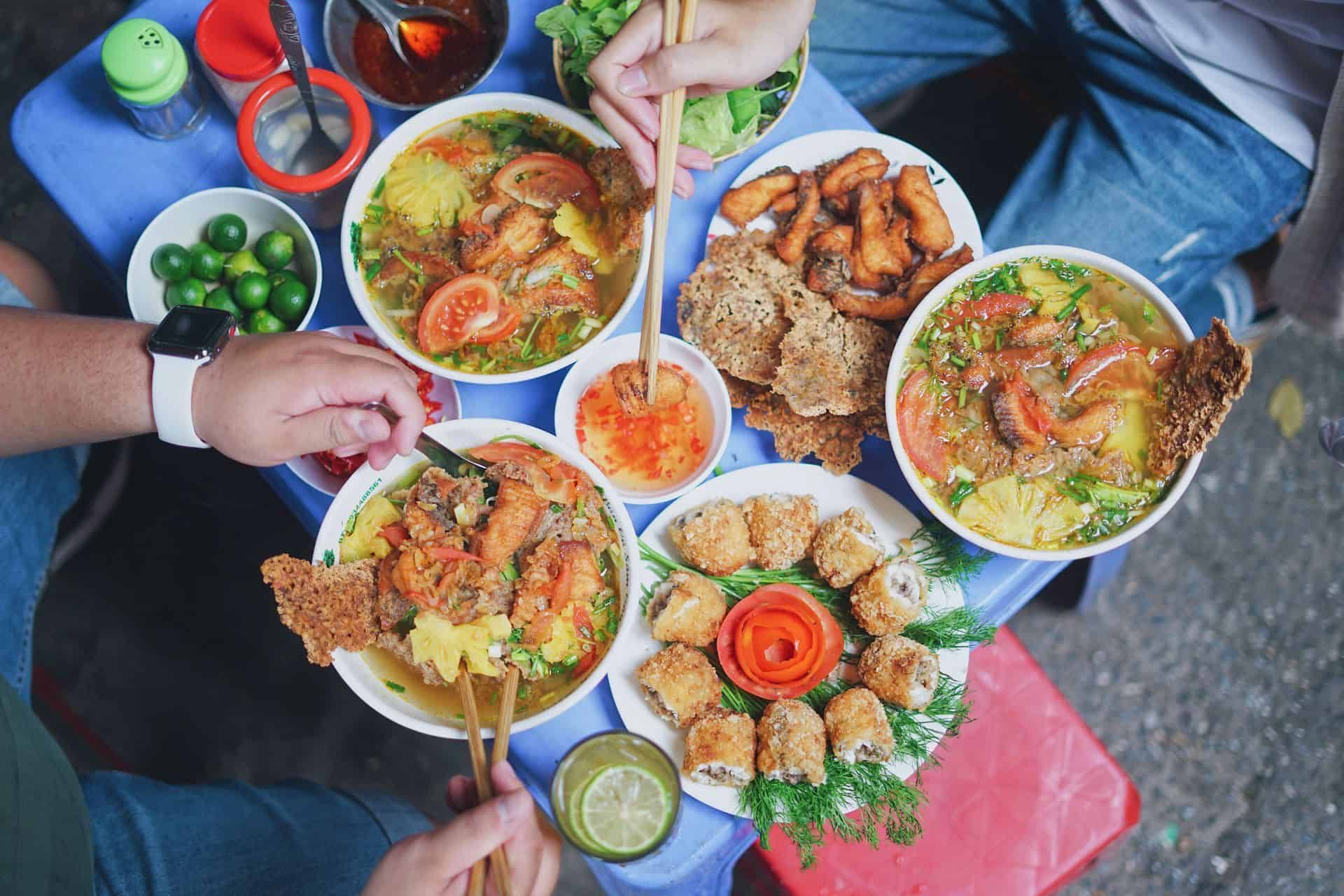
  • Pho bo and pho ga
  • Bun cha
  • Banh cuon
  • Cha ca
  • Bun thang
  • Xoi
  • Nom
  • Egg coffee
  • Fresh bia hoi

Eating in Hanoi is also a social experience. Meals often take place on low stools, beside busy pavements or inside narrow family-run restaurants. By joining local diners, travellers observe a part of Hanoi that cannot be understood only through sightseeing.

Everyday Street Life

Hanoi’s character is found in ordinary moments.

Early in the morning, residents exercise beside the lakes while food vendors prepare breakfast. During the day, small shops, markets and cafés fill the streets. In the evening, families gather for meals and neighbourhood pavements become informal social spaces.

Some of the most memorable experiences cost very little:

  • Watching the city wake up beside Hoan Kiem Lake
  • Drinking coffee on a pavement
  • Exploring a neighbourhood market
  • Sitting beside a bowl of pho at a family-run shop
  • Walking through residential alleys
  • Observing local life around West Lake and Truc Bach

This is why travellers should avoid planning every hour. Hanoi becomes more interesting when there is time to wander, stop and observe.

The Gateway to Northern Vietnam

Hanoi is also the main transport and travel hub for Northern Vietnam.

From the capital, travellers can continue to:

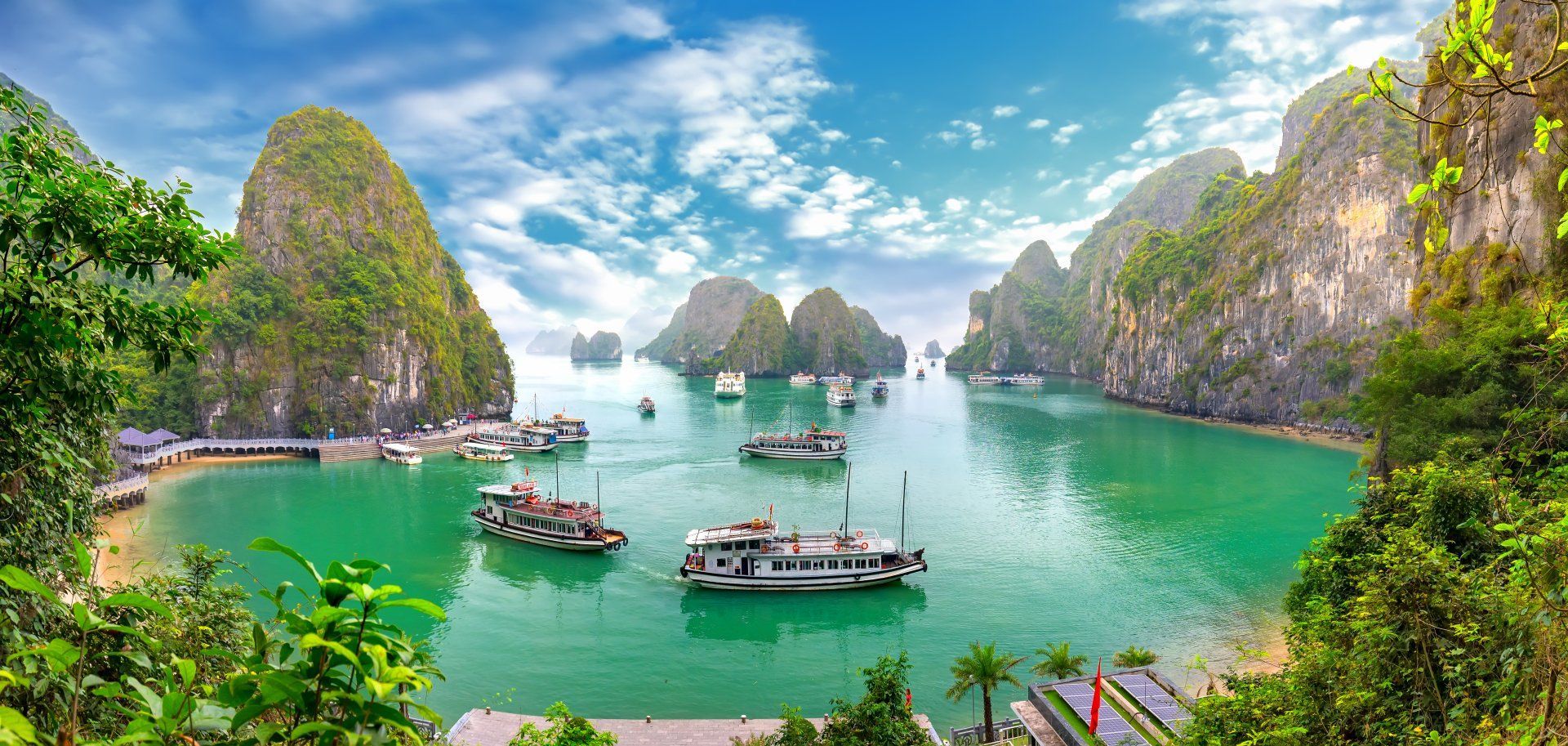
  • Ha Long Bay
  • Lan Ha Bay
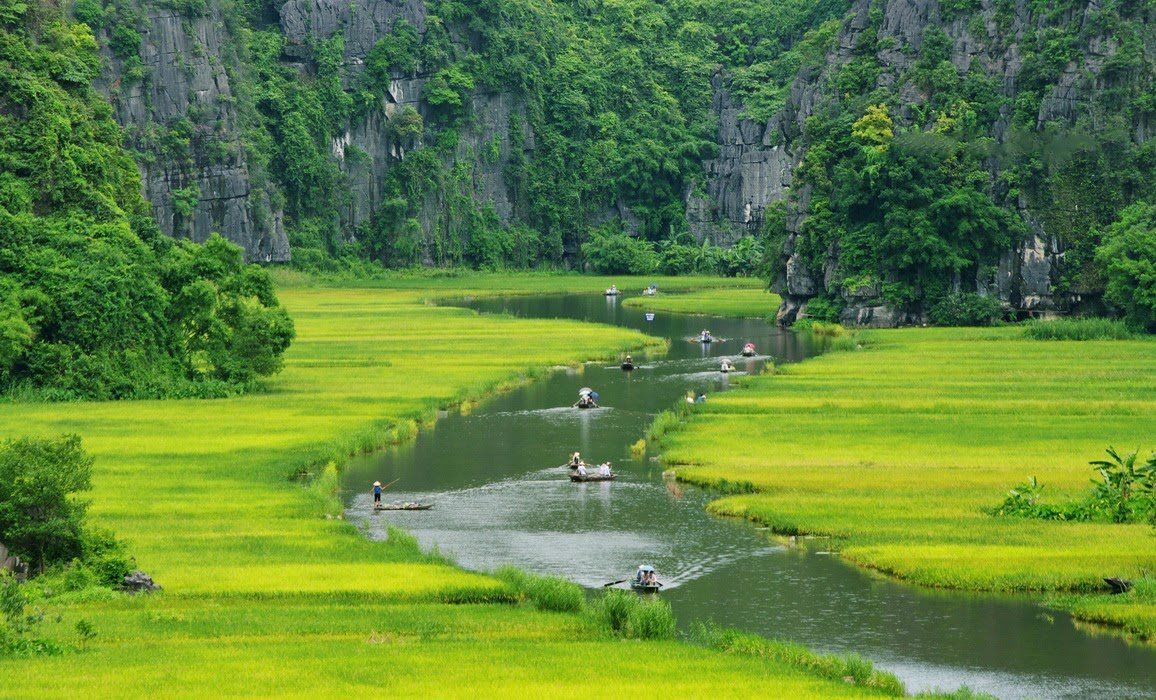
  • Ninh Binh
  • Sapa
  • Ha Giang
  • Mai Chau
  • Pu Luong
  • Ba Be National Park
  • Cao Bang

Our guide to the best things to do in North Vietnam explains how these destinations can be combined with Hanoi in a longer itinerary.

For a broader overview of the country, explore the best things to do in Vietnam.


1. Explore the Streets of Hanoi Old Quarter

Walking through Hanoi Old Quarter is one of the essential things to do in Hanoi for first-time visitors.

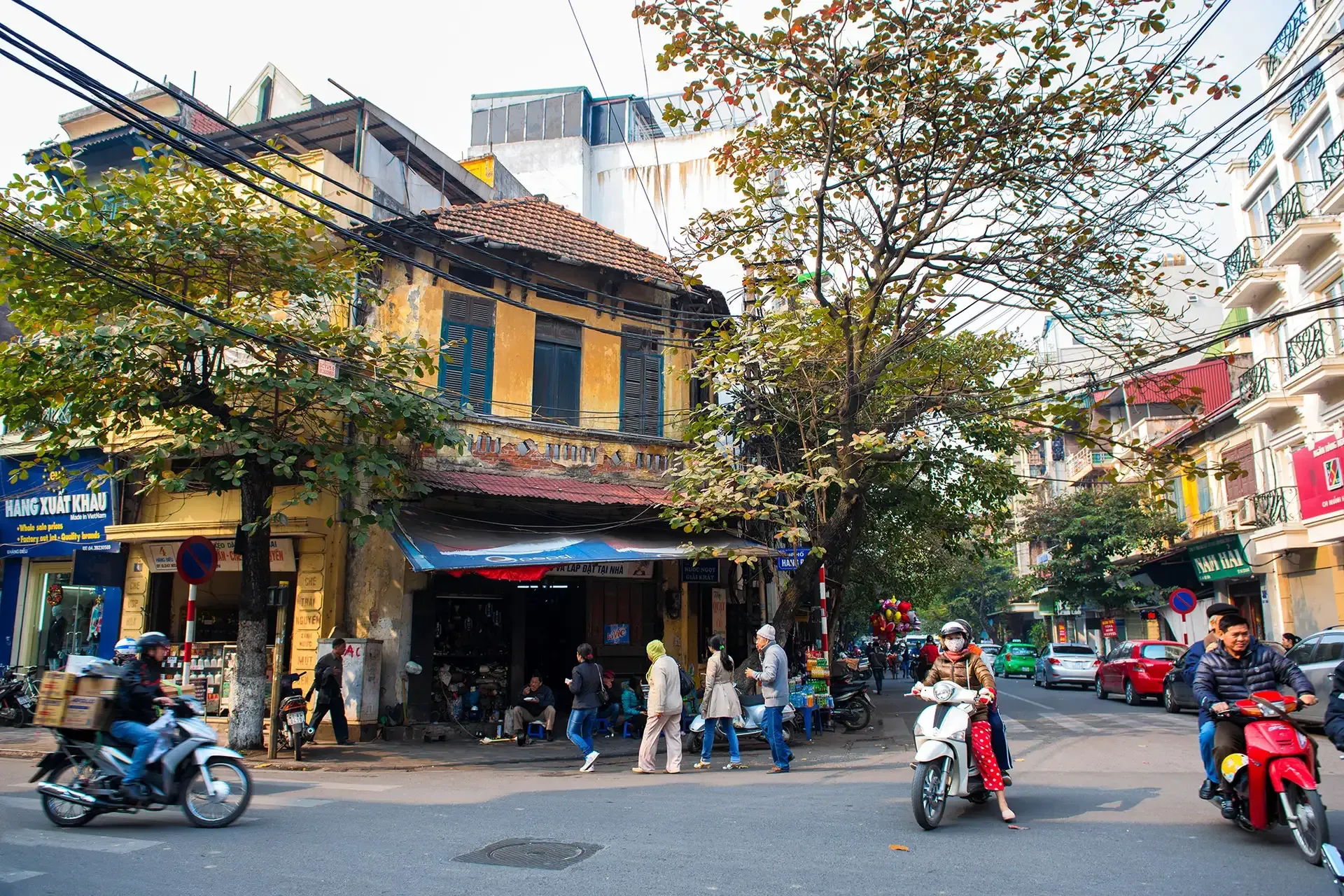
The district is a dense network of commercial streets, temples, food stalls, cafés, old houses and small family businesses. While the area is commonly known as the “36 Streets,” the Old Quarter now contains many more streets than its traditional name suggests.

Historically, individual streets were associated with particular trades or products. Some street names still begin with “Hang,” meaning merchandise or goods, and reflect the crafts that were once concentrated there.

Examples include:

  • Hang Bac, traditionally associated with silver
  • Hang Ma, known for paper products and ceremonial decorations
  • Hang Gai, associated with silk
  • Hang Thiec, historically linked to metalwork
  • Hang Chieu, associated with mats

The commercial character of these streets has changed, but traces of the old guild system remain visible in street names, temples, shops and family histories.

A walk through the Old Quarter may include:

  • Dong Xuan Market
  • Bach Ma Temple
  • Ma May Ancient House
  • O Quan Chuong Gate
  • Ta Hien Street
  • St. Joseph’s Cathedral
  • Small communal houses
  • Local food streets
  • Traditional medicine shops
  • Hidden cafés and residential alleys

Travellers can explore independently, but a local walking tour provides context that is difficult to find by simply following a map. Many of the district’s most interesting places have modest entrances or are hidden behind busy commercial streets.

Read the complete Hanoi Old Quarter travel guide before planning your route.

You can also learn more about the district’s historic trading streets in our detailed Hanoi 36 Streets guide.

FTV Local Tip

Visit the Old Quarter twice if your schedule allows.

Go early in the morning to see breakfast stalls, markets and daily routines before the busiest tourist period. Return in the evening for street food, cafés and the livelier atmosphere around Hoan Kiem Lake and Ta Hien.

Do not try to complete the district as a fixed checklist. Choose a few landmarks, then leave time to follow smaller streets and passages.


2. Walk Around Hoan Kiem Lake

Hoan Kiem Lake is the geographic and symbolic heart of central Hanoi.

Located beside the Old Quarter, the lake provides a natural reference point for exploring the city. It is surrounded by walking paths, gardens, cafés, historic buildings and some of Hanoi’s busiest streets.

The name Hoan Kiem means “Lake of the Returned Sword.” It is connected to the legend of Emperor Le Loi, who is said to have returned a magical sword to the Golden Turtle after defeating foreign invaders.

Important landmarks around the lake include:

  • Ngoc Son Temple
  • The Huc Bridge
  • Turtle Tower
  • Ly Thai To Monument
  • The pedestrian streets
  • Thang Long Water Puppet Theatre
  • Trang Tien Plaza
  • The entrance to Hanoi Old Quarter

Ngoc Son Temple stands on a small island and is reached by crossing the distinctive red The Huc Bridge. The temple is an active cultural and religious site, so visitors should dress and behave respectfully.

The experience around the lake changes throughout the day.

Early Morning

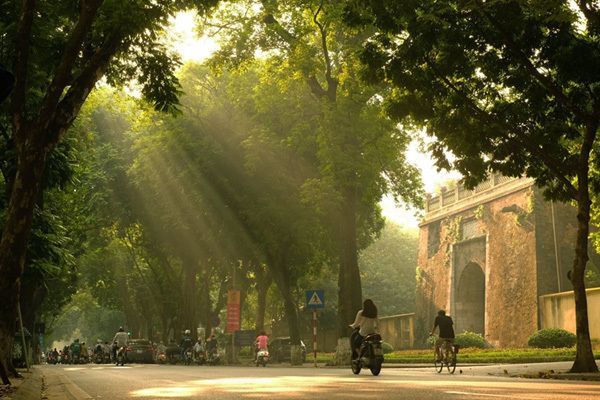
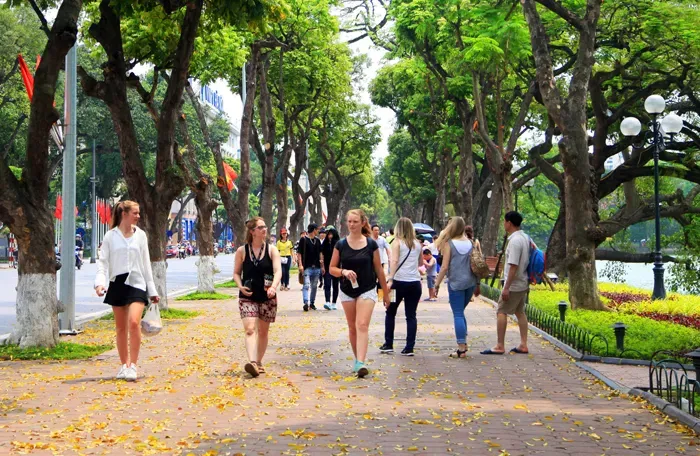
This is one of the best times to see local Hanoi. Residents gather to walk, run, practise tai chi, dance and exercise before work.

Daytime

The lake becomes a convenient point from which to visit the Old Quarter, French Quarter, museums and nearby restaurants.

Evening

The area becomes busier, particularly when residents and visitors gather around the lake after sunset.

Weekends

Parts of the surrounding area are often converted into pedestrian streets, creating space for street performances, family activities, music and community events. Local arrangements can change, so check current access conditions during your visit.

For more history, local recommendations and walking ideas, read the complete Hoan Kiem Lake travel guide.

FTV Local Tip

Walk around the lake shortly after sunrise and return after dark. The same place offers two completely different views of Hanoi.

Early morning reveals local routines. Evening brings street activity, illuminated landmarks and easy access to the Old Quarter’s food scene.


3. Taste Hanoi Street Food

Trying Hanoi street food is not only about finding inexpensive meals. It is one of the most direct ways to understand the city’s neighbourhoods, routines and regional identity.

Some dishes are served throughout the day, while others are traditionally associated with breakfast, lunch or evening dining. A good Hanoi food experience therefore changes depending on the time of day.

Try Pho

Pho is Vietnam’s most internationally recognised noodle dish, but Hanoi remains one of the most important places to understand its Northern style.

A typical bowl contains:

  • Rice noodles
  • Clear aromatic broth
  • Beef or chicken
  • Spring onion
  • Fresh herbs
  • Lime or chilli served separately

Pho bo is made with beef, while pho ga uses chicken. Each family-run restaurant develops its own broth and preparation method, so trying more than one bowl can reveal significant differences.

Many respected pho restaurants have short menus and focus on a single recipe.

Eat Bun Cha

Bun cha is one of Hanoi’s defining dishes.

It combines grilled pork, rice noodles, herbs and a dipping broth containing fish sauce, vinegar, sugar and pickled vegetables. The pork is normally grilled over charcoal, creating the smoky flavour that distinguishes the dish.

Bun cha is commonly eaten at lunchtime, although some restaurants now serve it throughout the day.

It may be accompanied by nem cua be, a crispy crab spring roll associated with Northern Vietnamese cuisine.

Discover Banh Cuon

Banh cuon consists of thin steamed rice sheets, often filled with minced pork and wood ear mushrooms.

It is usually served with:

  • Fried shallots
  • Fresh herbs
  • Vietnamese sausage
  • Fish sauce-based dipping liquid

Because the rice sheets are prepared individually, travellers can often watch the cooking process at small family-run shops.

Banh cuon is particularly suitable for breakfast or a light meal.

Try Cha Ca

Cha ca is a Hanoi speciality made with fish, turmeric, dill and spring onion.

The fish is typically cooked or finished at the table and eaten with rice noodles, herbs, peanuts and fermented or seasoned sauce.

Unlike dishes available at almost every street corner, cha ca is often served in restaurants specialising in this single preparation.

Look Beyond the Most Famous Dishes

Other Hanoi foods worth trying include:

  • Bun thang, a refined noodle soup with chicken, egg and Vietnamese sausage
  • Xoi xeo, sticky rice with mung bean and fried shallots
  • Bun rieu, noodle soup with crab-based broth
  • Pho cuon, rolled rice noodles commonly associated with Truc Bach
  • Nem, Vietnamese spring rolls
  • Nom bo kho, green papaya salad with dried beef
  • Banh tom, crispy shrimp cakes
  • Che, Vietnamese sweet soup or dessert
  • Seasonal tropical fruits

Travellers should not assume that the busiest-looking tourist streets offer the most representative food. Many excellent restaurants are located in residential areas or specialise in a single dish.

Should You Join a Hanoi Street Food Tour?

A small-group or private food tour is useful when you want to understand what you are eating rather than simply order several dishes.

A knowledgeable local guide can explain:

  • The history of each dish
  • How ingredients are prepared
  • When local people usually eat it
  • Regional variations
  • Dining etiquette
  • How to order at small restaurants
  • How Vietnamese families share meals

A food tour also makes it easier to try smaller portions at several locations in one evening.

Travellers looking for a guided experience can explore FTV’s Hanoi tours and local experiences.

FTV Local Tip

Do not choose a food stall only because it appears in a viral social media video.

Look for a busy local customer base, regular ingredient turnover and a focused menu. Restaurants that prepare one or two dishes repeatedly often provide a more consistent experience than places offering dozens of unrelated options.

Tell your guide or restaurant staff about allergies and dietary restrictions before ordering. Fish sauce, shrimp paste, peanuts and meat-based broths may be present even when they are not immediately visible.


4. Experience Hanoi’s Coffee Culture

Coffee in Hanoi is not simply a drink. It is a daily ritual and an important part of the city’s social life.

Hanoi cafés range from small pavement stalls to old family businesses, hidden apartment cafés and modern speciality coffee shops.

Travellers should try more than one style.

Vietnamese Filter Coffee

Traditional Vietnamese coffee is often prepared using a small metal filter called a phin.

The coffee drips slowly into a cup and may be served:

  • Black
  • With condensed milk
  • Hot
  • Over ice

The flavour is normally strong and concentrated.

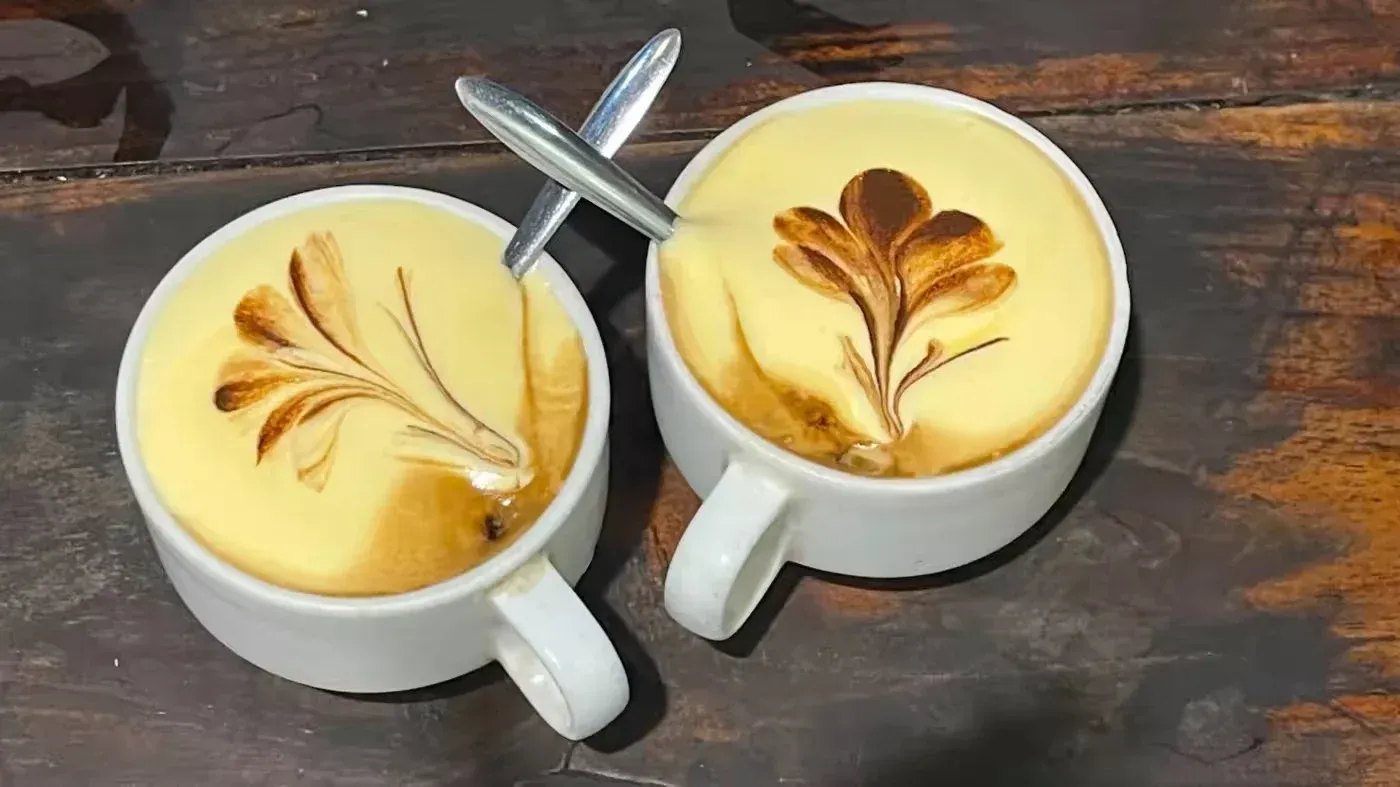
Egg Coffee

Egg coffee is one of Hanoi’s best-known specialities.

It is typically made with coffee topped by a mixture of egg yolk and sweetened condensed milk. The result is rich, sweet and closer to a dessert than a standard cup of coffee.

Although egg coffee is now available in other Vietnamese cities, it remains strongly associated with Hanoi.

Coconut and Yoghurt Coffee

Modern Hanoi cafés also serve variations such as:

  • Coconut coffee
  • Yoghurt coffee
  • Salt coffee
  • Coffee smoothies
  • Cold brew
  • Speciality Arabica coffee

These newer drinks demonstrate that Hanoi’s coffee culture continues to evolve.

Hidden Cafés and Old Buildings

Some of the city’s most atmospheric cafés are located inside old houses or apartment buildings.

Visitors may need to pass through:

  • A narrow corridor
  • A residential courtyard
  • A small staircase
  • A clothing shop or commercial entrance

These unusual locations are part of the experience, but travellers should remain respectful because some buildings are still residential.

FTV Local Tip

Choose at least two different coffee experiences.

Start with a traditional pavement café to observe everyday Hanoi. Later, visit a hidden café overlooking the Old Quarter, railway or lake.

Coffee can be very strong. Ask for less condensed milk or additional ice if you prefer a lighter drink.


5. Visit the Temple of Literature

The Temple of Literature is one of Hanoi’s most important cultural and architectural landmarks.

Founded in the 11th century, the complex is associated with Confucian education and Vietnam’s early tradition of scholarship. It later became closely connected with the Imperial Academy, often described as Vietnam’s first national university.

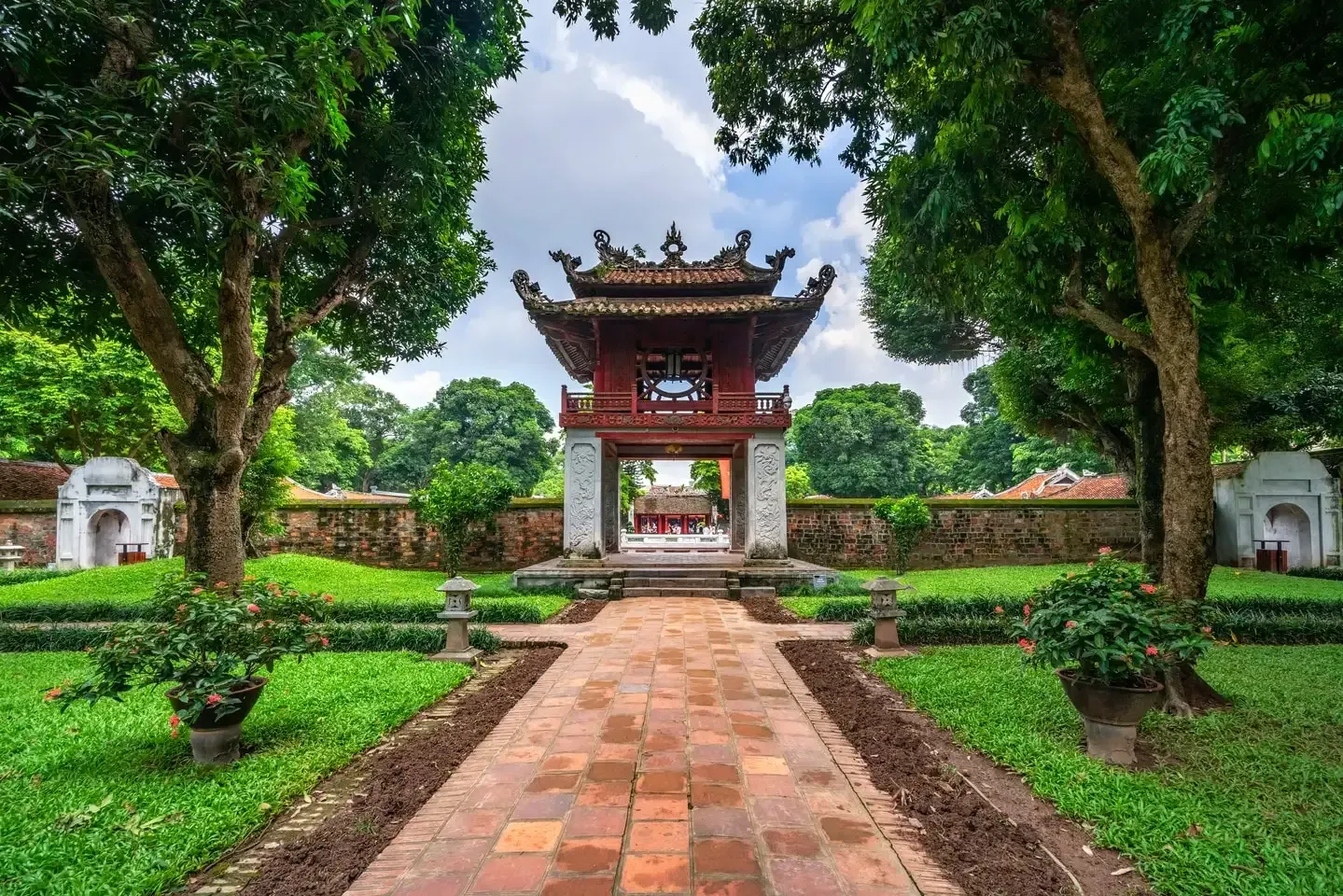
The site consists of a sequence of courtyards, gates, gardens, pavilions and ceremonial spaces.

Important features include:

  • The Great Portico
  • The Courtyard of Great Middle
  • Khue Van Pavilion
  • The Well of Heavenly Clarity
  • Stone stelae mounted on turtle sculptures
  • Ceremonial halls dedicated to Confucius and scholars

The stone stelae record the names of successful candidates in historic royal examinations. They represent the importance placed on education, public service and scholarship within Vietnamese society.

The Temple of Literature remains meaningful to Vietnamese students today. Around examination periods and graduation seasons, students may visit the complex or take commemorative photographs in traditional clothing.

How Long Should You Spend There?

Allow approximately one to one and a half hours.

The site is compact, but walking slowly through each courtyard makes the experience more rewarding than treating it as a quick photo stop.

It can be combined with:

  • The Vietnam Fine Arts Museum
  • The Imperial Citadel of Thang Long
  • Ba Dinh Square
  • A neighbourhood food experience
  • Hanoi Train Street, where legal access is permitted

Visitor Etiquette

The Temple of Literature is a cultural and ceremonial site.

Visitors should:

  • Dress respectfully
  • Avoid climbing on historic structures
  • Keep noise levels reasonable
  • Follow photography restrictions
  • Avoid interrupting ceremonies or student activities

FTV Local Tip

Visit early in the morning when the courtyards are quieter and temperatures are generally more comfortable.

Architecture enthusiasts should pay attention to the transition between the courtyards. The layout is designed as a journey from the outside world toward spaces associated with knowledge and scholarship.


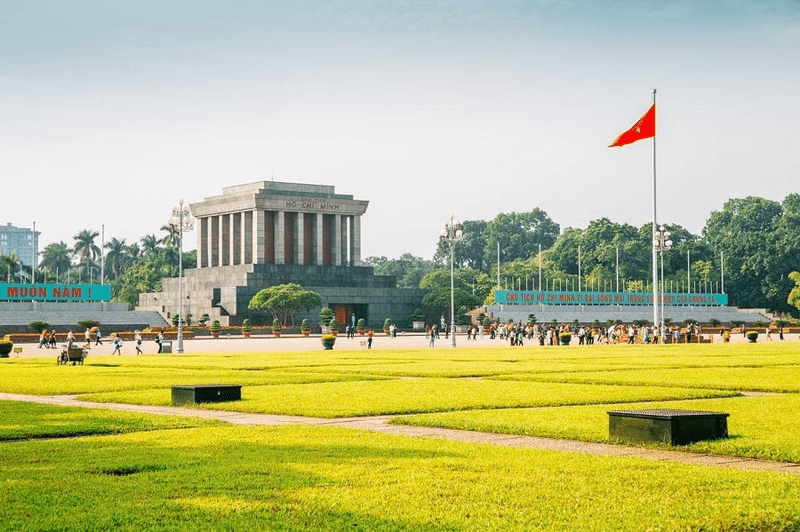
6. Explore the Ho Chi Minh Complex

The Ho Chi Minh Complex in Ba Dinh is one of the most important places for travellers interested in Vietnam’s modern political history.

The larger area includes several separate sites:

  • Ba Dinh Square
  • Ho Chi Minh Mausoleum
  • Presidential Palace grounds
  • Ho Chi Minh’s Stilt House
  • One Pillar Pagoda
  • Ho Chi Minh Museum

Visitors should allow at least two hours, particularly if they plan to enter several buildings.

Ba Dinh Square

Ba Dinh Square is one of Vietnam’s most significant public spaces. It is surrounded by important government buildings and historical landmarks.

The square is spacious and formal, providing a sharp contrast with the dense commercial streets of the Old Quarter.

Ho Chi Minh Mausoleum

The mausoleum is a solemn national site. Entry procedures and opening schedules are controlled and may change because of official ceremonies, maintenance or national events.

Visitors should expect:

  • Security screening
  • Queuing
  • Dress requirements
  • Restrictions on bags and photography
  • A quiet and respectful atmosphere

Check current opening arrangements before travelling to the complex.

Ho Chi Minh’s Stilt House

The wooden stilt house offers a more personal perspective on Ho Chi Minh’s life and working environment.

It stands within a green area containing trees, gardens and a pond, creating a quieter atmosphere than Ba Dinh Square.

One Pillar Pagoda

Located nearby, One Pillar Pagoda is one of Hanoi’s most recognisable religious structures.

Its design is intended to resemble a lotus emerging from the water. Although the structure is small, it holds considerable symbolic importance.

FTV Local Tip

Visit the Ho Chi Minh Complex in the morning.

Wear clothing that covers the shoulders and knees, and avoid bringing unnecessary bags. Because entry schedules can change, do not build an inflexible itinerary around a single opening time.

Combine the area with the Imperial Citadel or Temple of Literature rather than returning to the Old Quarter immediately.

7. Discover the Imperial Citadel of Thang Long

The Imperial Citadel of Thang Long is essential for understanding Hanoi’s role as a political centre across different historical periods.

The citadel was associated with Vietnamese royal dynasties and later served military and administrative purposes. Archaeological remains beneath the site reveal structures, foundations and artefacts from different eras.

The Central Sector of the Imperial Citadel was recognised as a UNESCO World Heritage Site in 2010. According to the official UNESCO World Heritage listing, the site reflects a long period of cultural exchange and political development in the Red River Delta.

Important areas include:

  • Doan Mon Gate
  • Kinh Thien Palace foundations
  • Hau Lau
  • The North Gate
  • Military command buildings
  • Underground bunkers
  • Archaeological displays
  • The 18 Hoang Dieu archaeological area

The combination of imperial remains and modern military history makes the citadel different from other Hanoi attractions.

Why Many Visitors Underestimate the Citadel

The site is relatively large, and some of its most important features are archaeological rather than monumental.

Visitors expecting a completely preserved royal palace may initially find the ruins understated. However, exhibition spaces, excavated foundations and military rooms reveal how the area was used over many centuries.

Allow at least one and a half hours. History enthusiasts may need considerably longer.

Check exhibitions, visitor information and current events through the official Imperial Citadel of Thang Long website.

FTV Local Tip

Do not stop after photographing Doan Mon Gate.

Continue through the archaeological and military sections. The underground command spaces and exhibitions help connect Hanoi’s imperial history with the events of the 20th century.

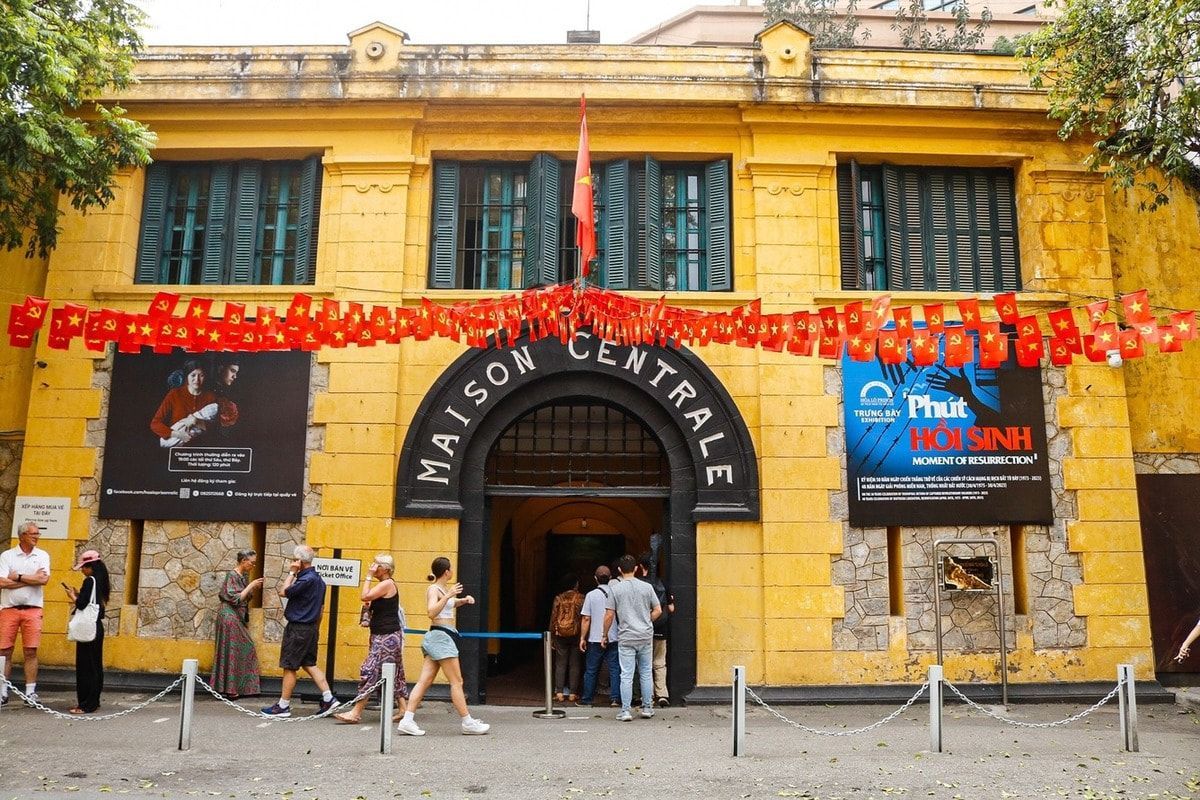
The citadel combines naturally with the Ho Chi Minh Complex because both are located in the Ba Dinh area.


8. Understand Hanoi’s History at Hoa Lo Prison

Hoa Lo Prison is one of Hanoi’s most significant historical museums.

The prison was originally built during the French colonial period and was used to detain Vietnamese political prisoners. During the Vietnam War, part of the site was later used to hold American prisoners of war.

Only a portion of the original complex remains, but the museum uses cells, objects, photographs and reconstructed displays to explain different periods in its history.

The experience can be emotionally intense. Exhibitions address imprisonment, colonial punishment, resistance and wartime captivity.

Visitors should approach the museum as a place of historical reflection rather than a sensational attraction.

How Long Should You Spend There?

Most visitors need approximately one to one and a half hours.

An audio guide or guided visit can provide additional context, particularly because the site covers complex and politically sensitive periods.

FTV Local Tip

Visit Hoa Lo Prison before exploring Hanoi’s French Quarter.

The museum provides historical context for understanding the colonial buildings, administrative areas and social changes associated with the French period.

Avoid scheduling the museum between several light entertainment activities. Give yourself time afterwards to process the exhibitions.


9. Learn About Vietnam’s Ethnic Cultures at the Museum of Ethnology

Vietnam is home to 54 officially recognised ethnic groups, each with distinctive traditions, clothing, architecture, languages and social practices.

The Vietnam Museum of Ethnology introduces this diversity through:

  • Traditional clothing
  • Agricultural tools
  • Ceremonial objects
  • Household items
  • Religious displays
  • Photographs
  • Multimedia exhibitions
  • Reconstructed houses

One of the museum’s most valuable areas is the outdoor architectural garden. Visitors can enter or view different forms of traditional housing associated with communities from across Vietnam.

The museum is particularly useful for travellers planning to visit mountain regions such as:

  • Sapa
  • Ha Giang
  • Mai Chau
  • Pu Luong
  • Ba Be
  • Cao Bang

Visiting the museum before travelling north helps visitors recognise that the communities of Northern Vietnam are not a single cultural group.

For destination planning, see our guides to the best things to do in Sapa and the best experiences in North Vietnam.

Is the Museum Suitable for Families?

Yes. The outdoor houses and large exhibition areas make it more interactive than many conventional museums.

Families should allow two to three hours and include breaks, particularly during hot or humid weather.

FTV Local Tip

Do not rush directly to the outdoor houses.

Begin with the indoor exhibitions to understand the objects, clothing and cultural groups. The outdoor architecture will then have greater meaning.

Remember that museum displays are an introduction, not a replacement for respectful interaction with living communities.


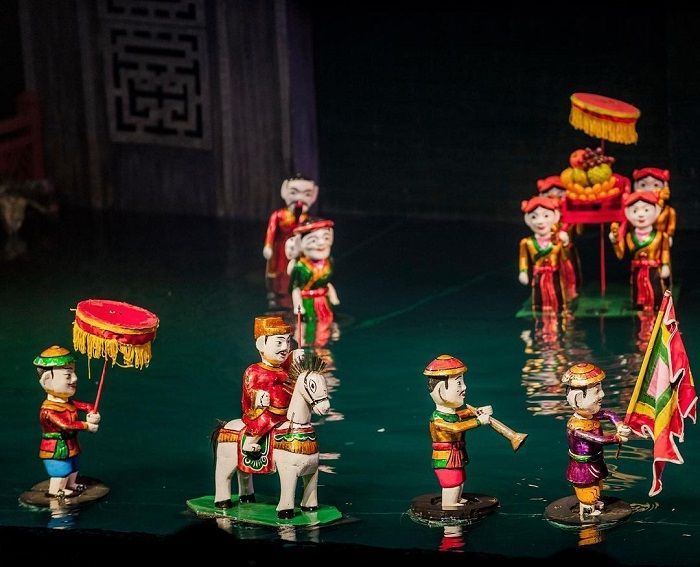
10. Watch a Traditional Water Puppet Show

Water puppetry is one of Northern Vietnam’s most distinctive traditional performance arts.

The practice developed in the Red River Delta, where performers used water as a stage. Puppeteers remain concealed behind a screen and control lacquered wooden figures using mechanisms hidden beneath the water.

Performances commonly include:

  • Village life
  • Farming scenes
  • Fishing
  • Festivals
  • Dragons and mythical animals
  • Traditional legends
  • The story of the returned sword
  • Humorous folk characters

Live musicians accompany the performance using traditional instruments, singing and narration.

The most famous venue is the Thang Long Water Puppet Theatre beside Hoan Kiem Lake. Visitors can consult the official Thang Long Water Puppet Theatre website for current schedules and ticket information.

Is the Show Suitable for Visitors Who Do Not Speak Vietnamese?

Yes.

Although narration and songs may be in Vietnamese, the movement, music, costumes and short visual stories make the performance accessible without understanding every word.

The show is also suitable for:

  • Families with children
  • First-time visitors
  • Travellers interested in traditional arts
  • Rainy afternoons or evenings
  • Visitors with limited time in Hanoi

Should You Book in Advance?

Popular evening performances may sell out, especially during weekends, holidays and peak travel periods.

Book in advance when your Hanoi itinerary is short or when you need a particular performance time.

FTV Local Tip

Combine an early evening show with dinner or a street food tour in the Old Quarter.

Choose seats where you can see the full water stage rather than focusing only on being in the first row. The music and wider stage movement are important parts of the performance.


11. Walk Through Hanoi’s French Quarter

Hanoi’s French Quarter offers a different atmosphere from the narrow streets of the Old Quarter.

The area is characterised by:

  • Broad avenues
  • Mature trees
  • Colonial villas
  • Government buildings
  • Luxury hotels
  • Embassies
  • Galleries
  • Cultural institutions

One of its most recognisable landmarks is the Hanoi Opera House, built during the French colonial period and influenced by European theatre architecture.

Other places to include in a French Quarter walk are:

  • Trang Tien Street
  • Hanoi Opera House
  • Sofitel Legend Metropole Hanoi
  • Vietnam National Museum of History
  • Government Guest House
  • Ly Thai To Garden
  • St. Joseph’s Cathedral
  • Southern Hoan Kiem Lake

Suggested French Quarter Walking Route

Start beside Hoan Kiem Lake and follow Trang Tien Street towards the Hanoi Opera House.

Continue through the surrounding colonial streets before walking back toward St. Joseph’s Cathedral through quieter sections of central Hanoi.

The route can take between one and two hours, depending on museum and café stops.

FTV Local Tip

Visit during the morning or late afternoon when the light is better for architecture and photography.

Remember that many colonial buildings remain government offices, embassies or private properties. Observe signs and do not enter restricted areas simply to take photographs.


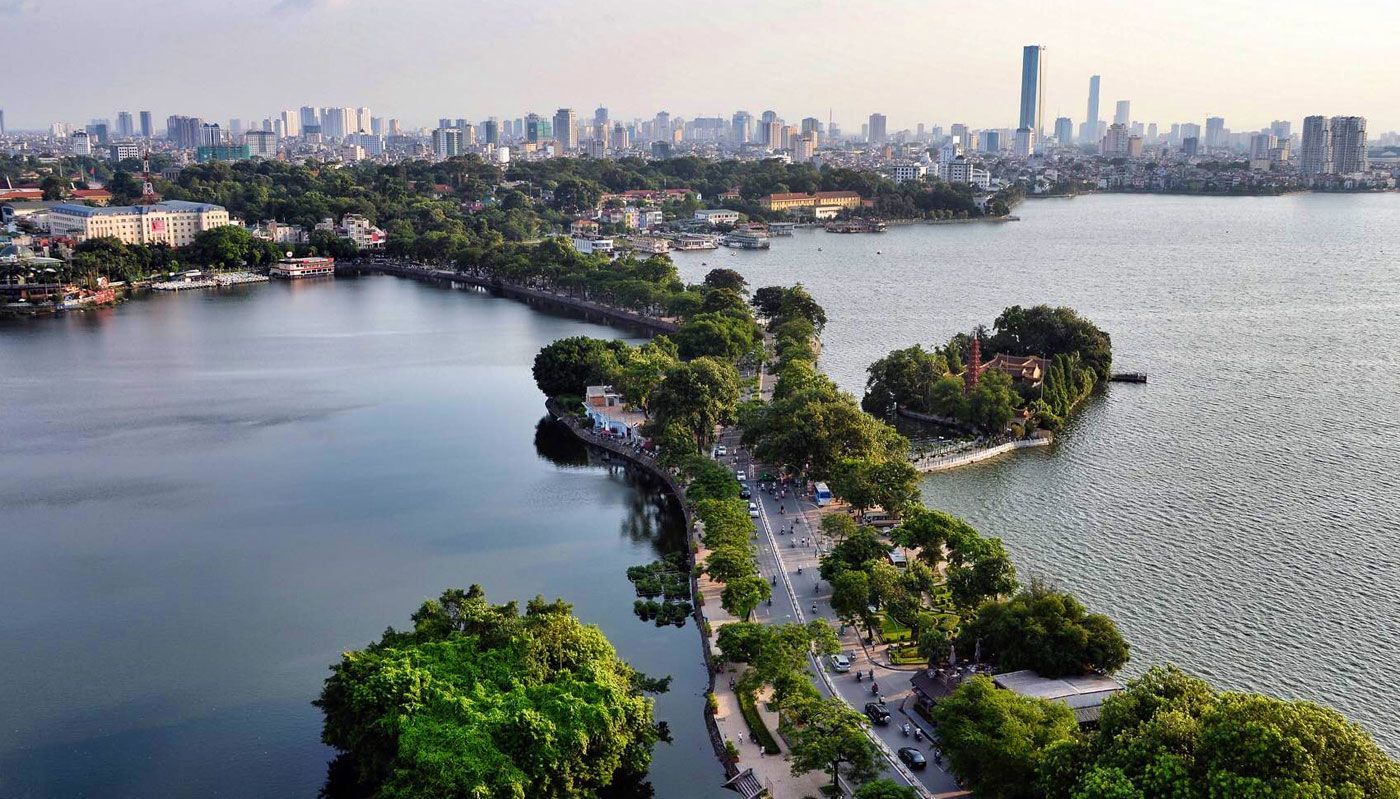
12. Visit Tran Quoc Pagoda, West Lake and Truc Bach

West Lake is Hanoi’s largest lake and provides a more spacious, relaxed environment than the Old Quarter.

The wider area includes temples, cafés, restaurants, gardens, residential streets and international communities.

A visit can combine three different experiences:

Tran Quoc Pagoda

Tran Quoc is one of Hanoi’s best-known pagodas.

Located on a small peninsula beside the water, the site is especially atmospheric during the morning and late afternoon.

As an active Buddhist site, visitors should:

  • Cover shoulders and knees
  • Speak quietly
  • Avoid interrupting worship
  • Follow photography signs
  • Avoid touching religious objects

West Lake

The complete lakeside route is much longer than many first-time visitors expect.

Rather than trying to walk around the entire lake, select one section for:

  • Cycling
  • A sunset walk
  • Coffee
  • Lakeside dining
  • Photography
  • Exploring quieter residential streets

Truc Bach Lake

Smaller Truc Bach Lake lies close to West Lake and has a more compact neighbourhood atmosphere.

The area is known for cafés and local foods, including pho cuon and pho chien phong.

Travellers can combine Truc Bach with:

  • Tran Quoc Pagoda
  • Quan Thanh Temple
  • Cua Bac Church
  • The northern section of Ba Dinh
  • A walk toward Long Bien Bridge

FTV Local Tip

Visit Tran Quoc Pagoda before sunset, then continue to Truc Bach for dinner.

West Lake is too large to experience properly in a short walk. Use a bicycle, taxi or ride-hailing service to move between selected areas instead of trying to complete the full circuit.


Plan Your Hanoi Experience With Local Experts

Hanoi can be explored independently, but its most memorable experiences are often found away from the obvious sightseeing route.

A local guide can help you:

  • Understand the history behind the Old Quarter
  • Find family-run food businesses
  • Explore neighbourhoods beyond Hoan Kiem
  • Communicate with local hosts and artisans
  • Combine attractions efficiently
  • Adapt the itinerary to your interests
  • Avoid spending unnecessary time in crowded tourist locations

Explore available Hanoi tours with Friends Travel Vietnam, or contact Friends Travel Vietnam to create a tailor-made experience based on food, history, culture, family travel, photography or local life.

Hanoi’s famous landmarks provide an introduction to the city, but they reveal only one part of its character.

To experience a more authentic side of the capital, leave the main sightseeing routes and explore the places where residents shop, exercise, eat, work and spend time with their families.

These local experiences are not necessarily hidden or completely unknown. Their value comes from visiting at the right time, moving at a slower pace and understanding the cultural context behind what you see.

13. Walk Across Long Bien Bridge

Long Bien Bridge is one of Hanoi’s most recognisable historical structures.

Built across the Red River during the French colonial period, the bridge has witnessed more than a century of political, economic and social change. It remains an active transport route, with a railway line running through its centre and narrow lanes used by motorbikes, bicycles and pedestrians.

The bridge’s steel structure creates a striking contrast with the river, agricultural land and expanding city skyline.

From the bridge, visitors may see:

  • The Red River
  • Working boats
  • Seasonal farmland
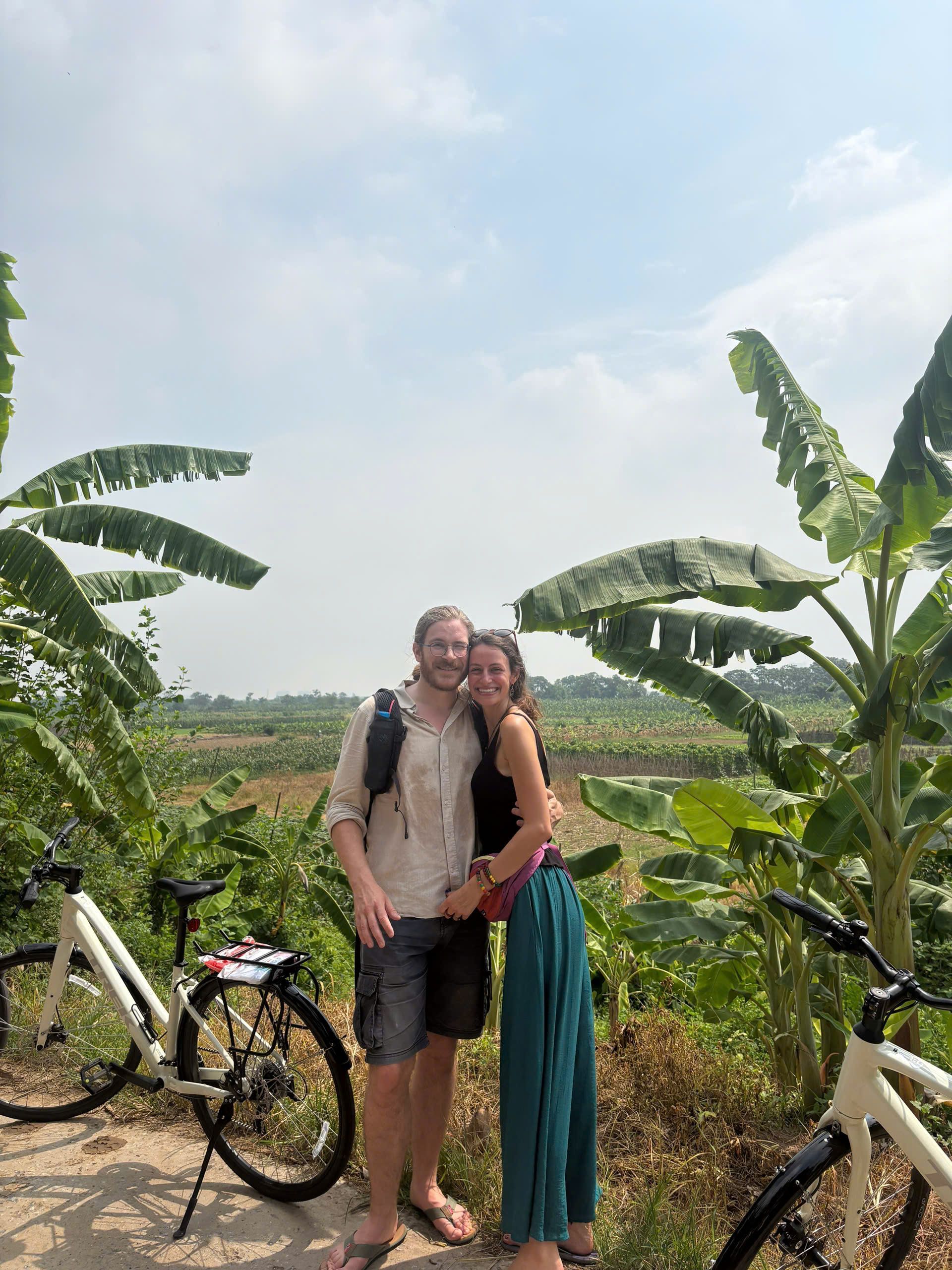
  • Banana plantations
  • Long Bien wholesale market
  • Trains crossing the river
  • Hanoi’s urban landscape
  • Local commuters travelling between districts

Long Bien is especially atmospheric around sunrise and late afternoon, when the light becomes softer and the temperature is generally more comfortable.

Why Long Bien Bridge Matters

The bridge should not be treated only as a photography location.

It connects central Hanoi with communities on the opposite side of the Red River and remains part of the city’s everyday transport network. Its age, wartime history and continued use have made it a powerful symbol of Hanoi’s resilience.

Walking across part of the bridge also shows visitors a side of the capital that differs considerably from Hoan Kiem and the Old Quarter.

Explore the Areas Beneath the Bridge

The land around the Red River contains agricultural plots, residential communities and informal paths.

Depending on the season and local access, visitors may encounter:

  • Banana trees
  • Vegetable fields
  • Corn fields
  • Small farms
  • Local homes
  • Riverside paths
  • Working areas connected to the market and river

These areas are sometimes promoted as “Banana Island” or the Red River countryside. However, they are working and residential environments rather than organised attractions.

Visitors should not enter fields, private homes or restricted areas without permission.

Long Bien Bridge Safety

Long Bien Bridge remains an active railway and traffic route.

When visiting:

  • Stay within pedestrian areas
  • Watch for motorbikes
  • Never walk on the railway tracks
  • Do not cross barriers
  • Avoid blocking narrow paths for photographs
  • Keep children close
  • Follow instructions from railway and local authorities
  • Avoid visiting alone late at night

Railway activity and access conditions can change. Safety should always take priority over photography.

FTV Local Tip

Start with Long Bien Market or the northern edge of the Old Quarter before walking onto the bridge.

A local guide can help explain the history of the area and identify safe routes toward the riverside communities. This creates a more meaningful experience than taking several photographs and immediately returning to the city centre.

Visitors interested in Hanoi’s historic neighbourhoods can combine Long Bien Bridge with the Hanoi Old Quarter, O Quan Chuong Gate and the eastern section of the Hanoi 36 Streets.


14. See Hanoi Wake Up Before Sunrise

Early morning is one of the best times to experience local life in Hanoi.

Before the main roads become crowded and many tourist attractions open, residents are already exercising, shopping for food, preparing breakfast and travelling to work.

An early-morning walk may include:

  • Tai chi beside Hoan Kiem Lake
  • Group dancing
  • Badminton
  • Running and walking clubs
  • Street vendors preparing breakfast
  • Flower deliveries
  • Local wet markets
  • Pavement coffee
  • Fresh pho and banh cuon
  • Workers cleaning and preparing shops

This experience is free, requires no ticket and can reveal more about Hanoi’s daily culture than several conventional attractions.

Best Early-Morning Areas in Hanoi

Hoan Kiem Lake

The lake is the easiest option for first-time visitors.

Residents gather around the water to exercise and socialise, while food shops in the surrounding streets begin serving breakfast.

Read more about the area in the complete Hoan Kiem Lake travel guide.

West Lake and Truc Bach

These neighbourhoods offer longer walking and cycling routes with more open space.

The roads can become busy later in the morning, so an early start provides a calmer experience.

Long Bien Market

The wholesale market is at its most active during the night and early morning. It offers a powerful view of Hanoi’s food-distribution system, but it is a working environment with vehicles, workers and heavy goods.

Visit carefully and avoid obstructing business activities.

Local Residential Neighbourhoods

Areas beyond the Old Quarter often have small morning markets, breakfast shops and community exercise spaces.

These locations may feel less polished, but they offer a more representative view of everyday Hanoi.

What to Eat for Breakfast

A local Hanoi breakfast may include:

  • Pho bo
  • Pho ga
  • Banh cuon
  • Xoi
  • Bun rieu
  • Chao
  • Banh mi
  • Hot soy milk
  • Vietnamese coffee

Many breakfast businesses specialise in one dish and may close once their ingredients are sold.

FTV Local Tip

Do not schedule a late night immediately before an early-morning Hanoi experience.

Begin around a lake or local market, stop for breakfast and finish with traditional coffee. This creates a natural three-hour route without requiring a long list of attractions.


15. Explore a Traditional Hanoi Market

Markets remain an important part of Hanoi’s commercial and social life.

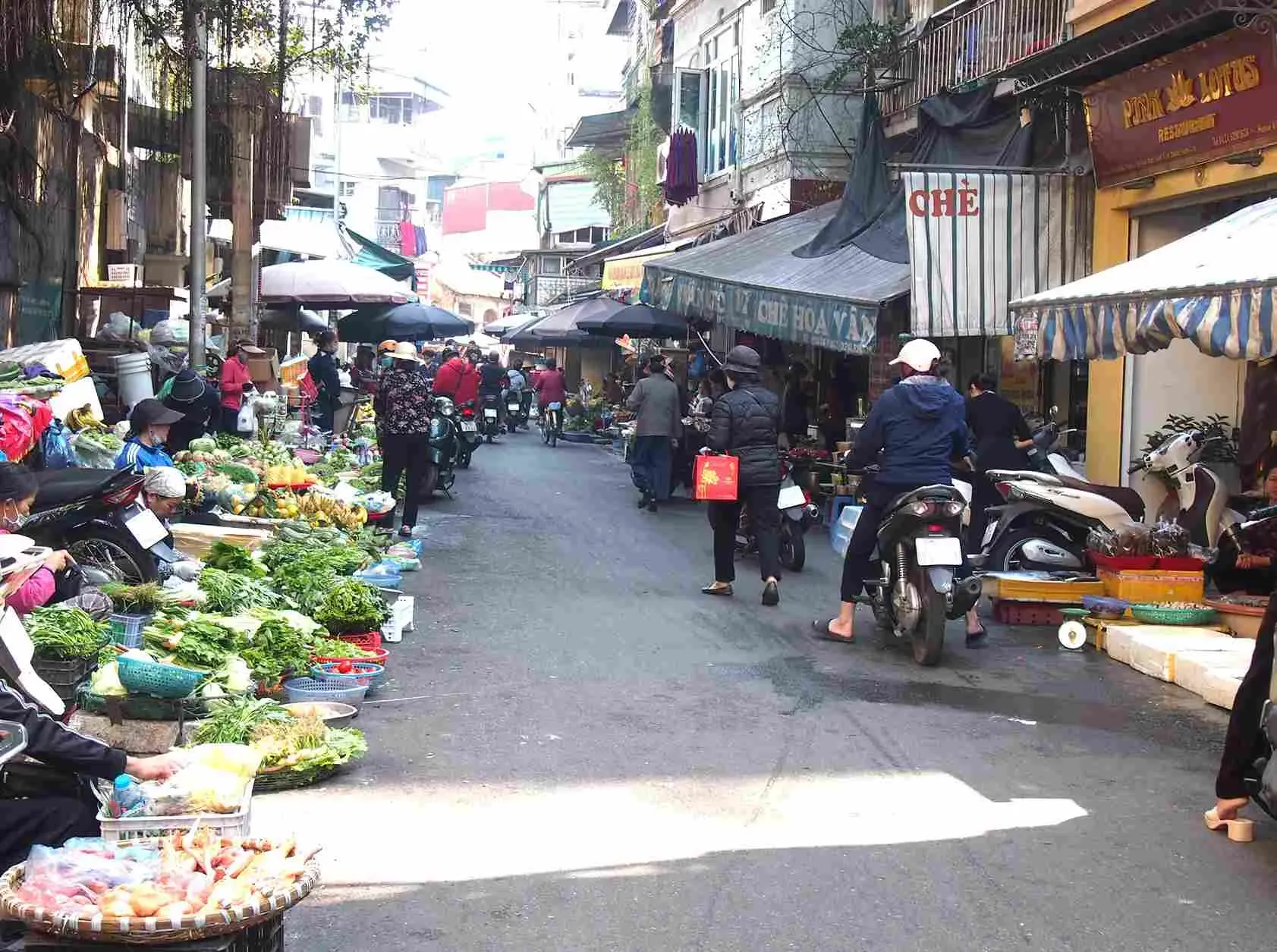
Although supermarkets and convenience stores have become common, neighbourhood markets continue to supply fresh vegetables, meat, fish, fruit, flowers and prepared food to local families.

Markets vary considerably in size and purpose.

Dong Xuan Market

Dong Xuan is Hanoi’s best-known covered market and one of the most accessible for visitors staying in the Old Quarter.

The market sells:

  • Clothing
  • Household goods
  • Textiles
  • Accessories
  • Packaged food
  • Souvenirs
  • Wholesale products

Dong Xuan is useful for understanding central Hanoi’s commercial history, but it is not the only market worth visiting.

The surrounding streets and food areas may be more interesting than the central building itself.

Long Bien Wholesale Market

Long Bien is a working wholesale market where large quantities of fruit, vegetables and agricultural products arrive before being distributed to smaller markets and businesses.

It is busiest late at night and in the early morning.

Because it is a workplace rather than a staged tourist attraction, visitors should:

  • Remain aware of trucks and motorbikes
  • Stay clear of loading areas
  • Avoid using flashes in workers’ faces
  • Ask before taking close-up portraits
  • Keep valuables secure
  • Visit with a guide when unfamiliar with the area

Quang Ba Flower Market

Quang Ba is one of Hanoi’s best-known wholesale flower markets.

Flowers arrive from growing regions around Hanoi and other parts of Northern Vietnam before being sold to retailers, street vendors, hotels, restaurants and individual customers.

The market’s atmosphere changes according to the season.

Before Tet and major celebrations, visitors may see larger quantities of:

  • Peach blossoms
  • Kumquat trees
  • Roses
  • Chrysanthemums
  • Lilies
  • Lotus flowers
  • Decorative branches

The market operates extremely early, so careful transport planning is essential.

Neighbourhood Wet Markets

Smaller wet markets provide the most realistic view of how many Hanoi families buy food.

A typical neighbourhood market may include:

  • Fresh vegetables
  • Herbs
  • Tofu
  • Meat
  • Seafood
  • Fruit
  • Rice noodles
  • Flowers
  • Prepared breakfast
  • Household products

These markets are often busiest in the morning and again before dinner.

Market Photography Etiquette

Markets can be visually fascinating, but traders are working.

Follow several basic principles:

  • Ask permission before photographing individuals closely
  • Do not rearrange products
  • Avoid blocking customers
  • Never treat vendors as part of a staged display
  • Buy something when appropriate
  • Respect anyone who declines a photograph
  • Avoid photographing sensitive food preparation without consent

FTV Local Tip

Choose a market according to your interests.

Visit Dong Xuan for central Hanoi’s trading atmosphere, Quang Ba for flowers, Long Bien for wholesale activity or a neighbourhood wet market for everyday local life.

For a deeper experience, combine a market visit with a street food walk, cooking class or guided local tour. Browse Hanoi tours and local experiences for suitable options.

16. Discover Hanoi’s Hidden Alleys and Old Apartment Buildings

Some of Hanoi’s most interesting spaces are hidden behind narrow entrances.

A busy commercial street may lead into a residential alley, communal courtyard, old staircase, small temple or café overlooking the city.

These spaces reveal how Hanoi residents have adapted historic buildings to modern urban life.

What You May Find

Depending on the neighbourhood, hidden alleys and old buildings may contain:

  • Family homes
  • Small food stalls
  • Tailors and repair shops
  • Independent boutiques
  • Coffee shops
  • Art studios
  • Communal houses
  • Shrines
  • Internal courtyards
  • Old staircases and balconies

The contrast between the busy street and the quieter interior can be dramatic.

Old Quarter Tube Houses

Traditional tube houses have narrow street-facing entrances and extend deep into the block.

This design developed partly because commercial frontage was valuable. Many houses contain multiple sections, internal courtyards or skylights that provide ventilation and natural light.

Some have been converted into:

  • Cafés
  • Restaurants
  • Shops
  • Guesthouses
  • Museums
  • Creative spaces

Others remain private family homes.

Old Apartment Buildings

Hanoi also has older apartment blocks containing cafés, studios and local businesses.

Entrances may be difficult to identify, but this does not mean every staircase is open to the public.

Before entering:

  • Look for business signs
  • Ask permission when uncertain
  • Avoid photographing inside homes
  • Keep noise to a minimum
  • Do not explore private floors
  • Respect residents using shared spaces

Explore With Curiosity, Not Intrusion

“Hidden Hanoi” should not mean entering places where visitors are not welcome.

The objective is to notice details that are easy to miss, not to treat residential areas as entertainment.

A knowledgeable local guide can distinguish between publicly accessible cafés, communal buildings and private property.

FTV Local Tip

The most rewarding hidden-space walks are built around a theme.

Possible themes include:

  • Historic architecture
  • Coffee culture
  • Local food
  • Traditional trades
  • Photography
  • Religious buildings
  • Contemporary art

This produces a more coherent experience than entering random alleys without context.


17. Cycle Around West Lake and Truc Bach

Cycling provides an effective way to explore the larger lakes and neighbourhoods beyond central Hoan Kiem.

West Lake is too large to cover comfortably on foot in a short visit. A bicycle allows travellers to move between pagodas, gardens, cafés, residential areas and quieter lakeside lanes.

Places to Include on a West Lake Cycling Route

A flexible route may include:

  • Tran Quoc Pagoda
  • Thanh Nien Road
  • Truc Bach Lake
  • Quan Thanh Temple
  • Lakeside cafés
  • Local neighbourhood lanes
  • Flower-growing areas
  • Sunset viewpoints
  • Small pagodas and community buildings

Do not attempt to visit every landmark. Select several stops and leave time for coffee or a local meal.

West Lake Versus Truc Bach

West Lake is larger and contains a mixture of local neighbourhoods, international restaurants, hotels and quieter lakeside areas.

Truc Bach is smaller and easier to explore within a limited amount of time. It is also associated with local dishes such as pho cuon and pho chien phong.

Combining both lakes gives visitors a better understanding of the northern side of central Hanoi.

Cycling Safety in Hanoi

Hanoi traffic can be challenging for inexperienced cyclists.

Before renting a bicycle:

  • Check the brakes and tyres
  • Wear a helmet
  • Avoid using a phone while riding
  • Follow the direction of traffic
  • Signal before turning
  • Avoid major roads during peak hours
  • Use quieter lanes where possible
  • Do not assume vehicles will yield
  • Carry water in hot weather
  • Use lights after dark

Travellers who are uncomfortable in traffic should join a guided cycling experience or use a bicycle only in quieter areas.

FTV’s guide to the best ways to get around Hanoi provides more transport and mobility advice.

FTV Local Tip

Cycle early in the morning or during the final hours of daylight.

Avoid the main commuting periods. A guided route can use quieter roads and reduce the amount of time spent navigating busy intersections.


18. Explore Hanoi’s Contemporary Art and Creative Spaces

Hanoi is frequently associated with temples, traditional crafts and colonial architecture, but the city also has an active contemporary art scene.

Artists use painting, photography, sculpture, installation, film and mixed media to explore Vietnamese identity, memory, urban development and social change.

Vietnam National Fine Arts Museum

The Vietnam National Fine Arts Museum provides a useful foundation for understanding the development of Vietnamese visual art.

Its collections include:

  • Ancient sculpture
  • Buddhist art
  • Folk art
  • Lacquer painting
  • Silk painting
  • Woodblock prints
  • Modern painting
  • Wartime works
  • Contemporary Vietnamese art

The museum can be combined with the Temple of Literature because the two sites are located close to one another.

Vincom Center for Contemporary Art

The Vincom Center for Contemporary Art hosts exhibitions, installations, talks and creative programmes.

The schedule changes throughout the year, so check the official website before visiting.

VCCA is located outside the Old Quarter, making it useful for travellers who want to explore a more modern area of Hanoi.

Independent Galleries and Art Spaces

Hanoi’s independent art venues can be less predictable than major museums.

Exhibitions may be temporary, and some spaces operate only during events or by appointment.

Before travelling to a gallery:

  • Check its current website or social media
  • Confirm the exhibition dates
  • Verify opening hours
  • Ask whether registration is required
  • Avoid relying on an old travel article

Public Art and Creative Streets

Visitors may also encounter:

  • Murals
  • Photography exhibitions
  • Design shops
  • Craft studios
  • Weekend creative markets
  • Music performances
  • Film screenings
  • Artist talks

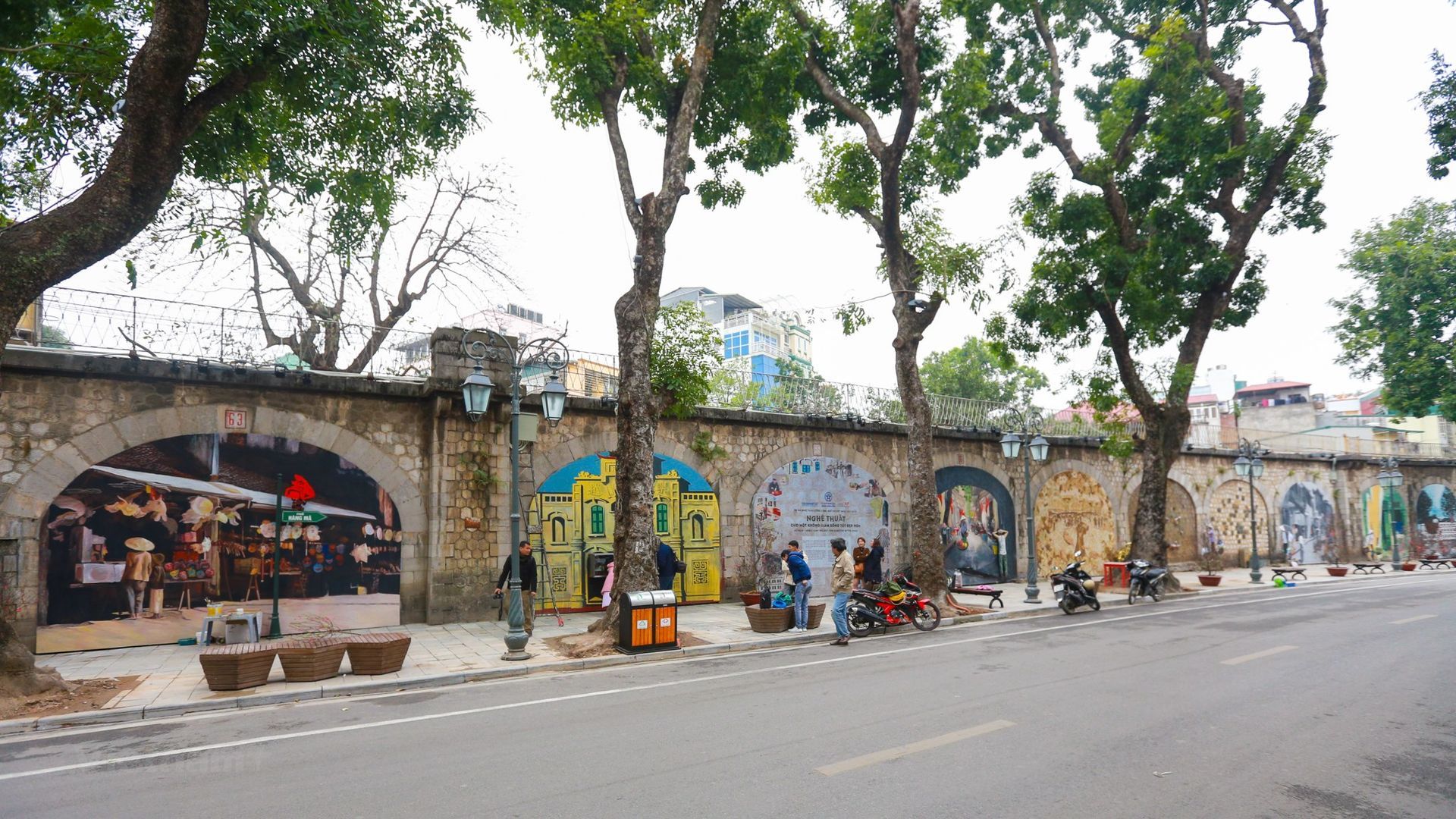
Phung Hung Mural Street is one of the more accessible public art locations near the Old Quarter, although the experience varies according to maintenance, events and crowd levels.

FTV Local Tip

Combine traditional and contemporary art on the same day.

Visit the Fine Arts Museum or a craft workshop in the morning, then explore a current gallery exhibition in the afternoon. The contrast shows that Vietnamese creativity is not limited to historic objects.


19. Join a Hanoi Cooking Class and Market Visit

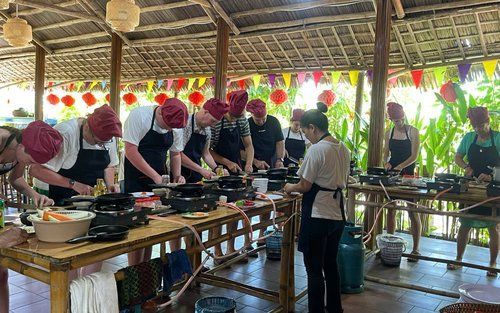
A cooking class can provide a more active introduction to Vietnamese food than eating in restaurants alone.

The strongest classes do more than teach recipes. They explain how ingredients are selected, how flavours are balanced and how dishes fit into family life.

What a Hanoi Cooking Class May Include

A typical experience may involve:

  1. Meeting the host or chef
  2. Visiting a local market
  3. Learning about herbs and vegetables
  4. Buying ingredients
  5. Preparing several dishes
  6. Eating together
  7. Receiving recipes or preparation notes

Possible dishes include:

  • Pho
  • Bun cha
  • Fresh spring rolls
  • Fried spring rolls
  • Green papaya salad
  • Vietnamese pancakes
  • Caramelised meat
  • Seasonal vegetable dishes
  • Traditional dipping sauces

Menus vary according to the host, season and dietary requirements.

Why the Market Visit Matters

The market helps participants understand ingredients that may not be familiar outside Vietnam.

A guide or chef may explain:

  • Vietnamese herbs
  • Different rice noodles
  • Fish sauce
  • Tofu
  • Tropical vegetables
  • Seasonal fruit
  • Rice-paper varieties
  • Cooking oils and spices
  • Regional ingredient differences

The market should be treated as a working community space, not merely a colourful background for photographs.

Choosing a Responsible Cooking Class

Look for a class that offers:

  • Small groups
  • Genuine hands-on cooking
  • Clear dietary communication
  • A realistic number of dishes
  • Local hosts or professional Vietnamese chefs
  • Responsible market behaviour
  • Minimal food waste
  • Transparent inclusions

Be cautious of classes that advertise a very large menu but provide little actual participation.

Dietary Requirements

Inform the organiser in advance about:

  • Vegetarian or vegan diets
  • Seafood allergies
  • Peanut allergies
  • Gluten intolerance
  • Religious dietary restrictions
  • Fish sauce or shrimp paste concerns

Vietnamese dishes may contain meat broth, fish sauce or seafood-based seasoning even when the visible ingredients appear vegetarian.

FTV Local Tip

Choose a class that reflects the food you have already encountered in Hanoi.

After trying bun cha, banh cuon or fresh spring rolls, learning the techniques behind the dishes will be more meaningful.

A private class is useful for families, travellers with allergies or visitors who want to focus on specific recipes.


20. Share a Meal With a Local Family

A meal with a local host can become one of the most memorable Hanoi experiences when it is arranged respectfully.

Unlike a restaurant meal, a home-based experience may introduce visitors to:

  • Family-style dining
  • Home cooking
  • Seasonal ingredients
  • Vietnamese table etiquette
  • Everyday conversation
  • Family traditions
  • Different generations living together
  • The role of food in celebrations and daily life

The value of the experience comes from exchange rather than performance.

Vietnamese Family-Style Dining

Several dishes are commonly placed in the centre of the table and shared.

A home meal may include:

  • Rice
  • Soup
  • Vegetables
  • Tofu
  • Fish
  • Meat
  • Pickled vegetables
  • Dipping sauces
  • Seasonal fruit

The meal may be simpler than restaurant food, but it can provide a more realistic picture of everyday Vietnamese eating.

Respectful Cultural Exchange

Visitors should remember that they are guests in someone’s home.

Good practice includes:

  • Arriving on time
  • Dressing appropriately
  • Removing shoes when requested
  • Waiting for guidance before sitting
  • Trying dishes when dietary conditions allow
  • Asking before photographing people or rooms
  • Showing interest without asking intrusive questions
  • Thanking the host directly
  • Avoiding comparisons that judge local living standards

Avoid Staged “Local” Experiences

Not every activity marketed as a local-family visit creates meaningful interaction.

A responsible experience should provide:

  • Fair payment for the host
  • Clear communication
  • A comfortable group size
  • Genuine consent from family members
  • Respect for privacy
  • Cultural interpretation when language is limited

The host should not be treated as an attraction.

FTV Local Tip

A local meal works best when connected to another activity, such as a market visit, cooking class, craft workshop or neighbourhood walk.

This gives both the visitor and host a shared subject for conversation and prevents the experience from feeling forced.

Hanoi is not limited to its central districts.

The wider municipality includes traditional villages, historic settlements, agricultural areas and heritage sites that can be explored on half-day or full-day excursions.

These destinations allow visitors to observe how traditional crafts continue to adapt to modern markets.

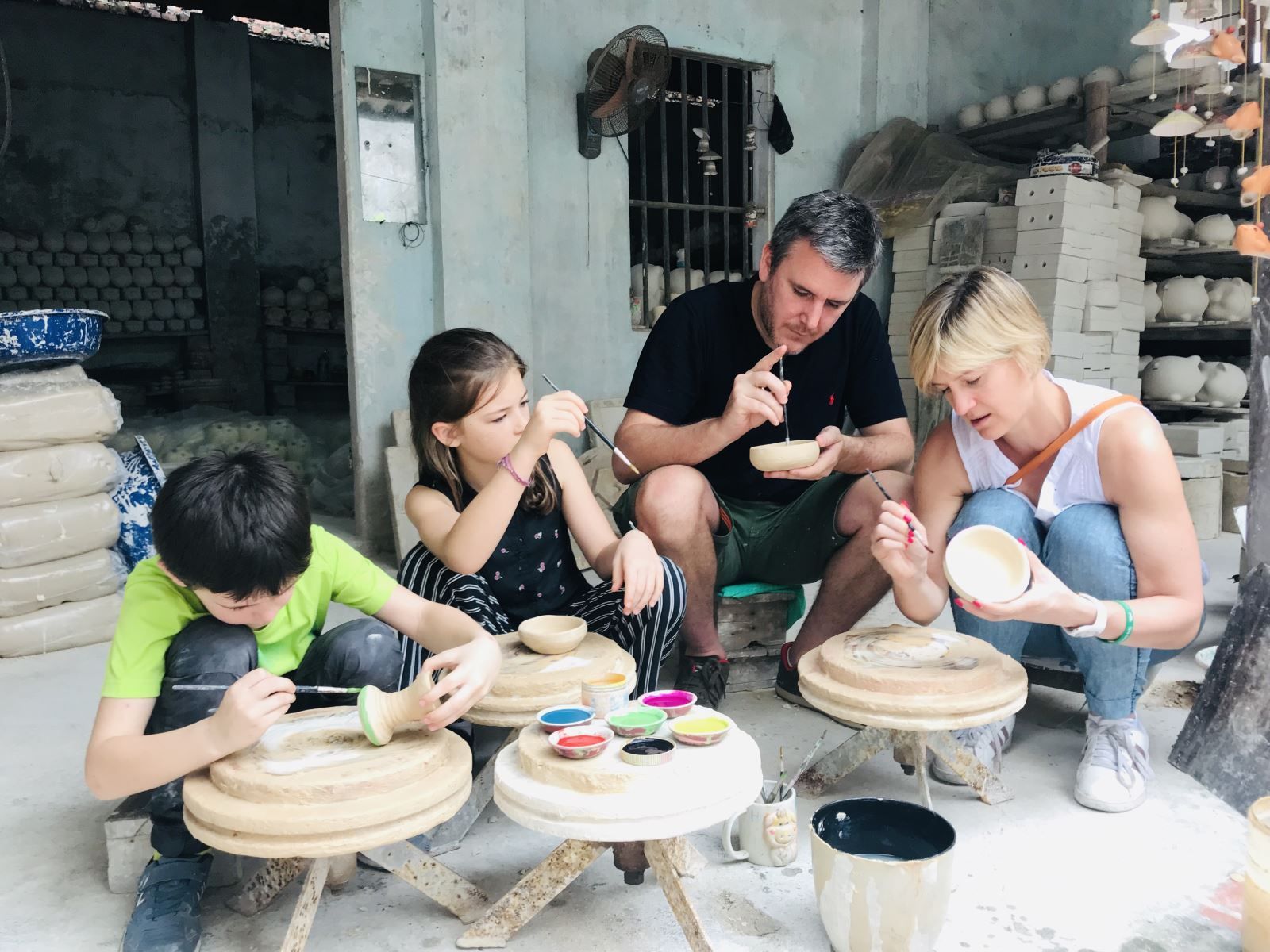
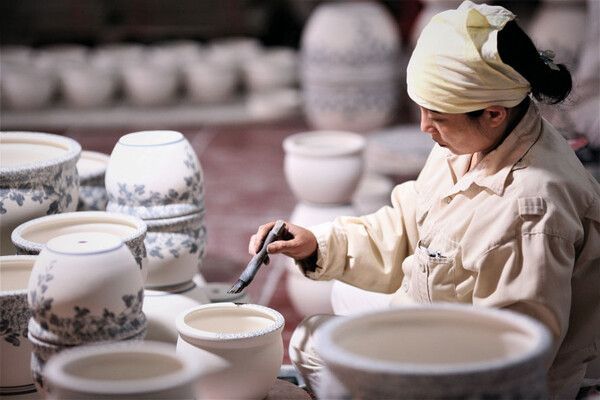
21. Make Pottery in Bat Trang Ceramic Village

Bat Trang is one of the most accessible craft villages from central Hanoi.

Located beside the Red River, the village is known for ceramic production and contains workshops, shops, historic lanes, religious buildings and spaces where visitors can try working with clay.

What to Do in Bat Trang

A visit may include:

  • Walking through the older village lanes
  • Visiting family-run workshops
  • Watching ceramic production
  • Trying a pottery wheel
  • Painting a ceramic object
  • Exploring the ceramic market
  • Visiting Bat Trang Museum
  • Learning about glazing and firing
  • Buying directly from producers

The official Vietnamese tourism authority describes Bat Trang as an important centre of Vietnamese ceramics. Visitors can read more about its craft heritage in this introduction to Bat Trang pottery.

Try a Pottery Workshop

Short pottery classes are widely available.

Participants may shape a simple:

  • Cup
  • Bowl
  • Vase
  • Animal figure
  • Decorative object

Completing a polished ceramic item is more difficult than it appears. The process helps visitors appreciate the skill required to control the clay, shape the object and prepare it for glazing and firing.

Ask whether your finished item can be fired and delivered later. Immediate collection may not be possible because drying and firing require time.

Shopping for Ceramics

Bat Trang sells products at many quality levels.

Before purchasing:

  • Inspect the glaze
  • Check for cracks
  • Ask where the item was made
  • Confirm whether it is handmade
  • Compare several workshops
  • Ask how fragile items will be packed
  • Buy directly from artisans where possible

Not every object sold in the village is necessarily produced by the seller.

How Long Do You Need?

Allow at least half a day.

A short visit can cover a workshop and market, while a full day allows time for older lanes, local food, museums and conversations with craftspeople.

FTV Local Tip

Do not spend the entire visit inside the main ceramic market.

Walk through the older village, enter an authorised workshop and ask about the stages of production. Meeting the makers creates a much stronger experience than shopping alone.

FTV also introduces Bat Trang in its guide to Hanoi’s top attractions.


22. Visit Quang Phu Cau Incense Village Responsibly

Quang Phu Cau has become internationally recognised for photographs of brightly coloured incense bundles arranged in courtyards.

However, the village is more than a photography setting. It is a working craft community where families prepare bamboo sticks, dye materials, produce incense and organise products for sale.

The Vietnam National Authority of Tourism provides additional background in its guide to Quang Phu Cau incense village.

How Incense Is Produced

The production process may involve:

  • Selecting bamboo
  • Cutting and splitting sticks
  • Drying the material
  • Dyeing the lower sections
  • Preparing aromatic mixtures
  • Applying incense paste
  • Drying the finished sticks
  • Bundling and packaging
  • Distributing products to markets and religious sites

Specific techniques vary between producers.

The Famous Incense Displays

The circular arrangements seen in photographs are visually impressive, but visitors should understand the difference between:

  • Active production areas
  • Family courtyards
  • Organised visitor areas
  • Displays created specifically for photography

Drying depends on weather and production schedules. Visitors should not assume that every courtyard will contain large displays every day.

Some organised photography areas may charge an entrance or photography fee.

Responsible Photography

When visiting Quang Phu Cau:

  • Ask before entering a workshop
  • Confirm any photography fee
  • Do not move incense bundles
  • Avoid standing on products
  • Do not interrupt production
  • Ask permission before photographing workers closely
  • Keep group sizes manageable
  • Purchase directly from producers when appropriate

How Long Do You Need?

Quang Phu Cau can be visited on a half-day excursion, but transport time and weather should be considered.

It can also be combined with another craft village south of Hanoi, provided the itinerary does not become rushed.

FTV Local Tip

Visit for the craft process, not only the famous red photographs.

Ask your guide or host to explain how incense is used in Vietnamese homes, temples, pagodas and ancestor worship. This cultural context transforms a photography stop into a meaningful visit.

23. Discover Traditional Weaving at Van Phuc Silk Village

Van Phuc is a historic silk-weaving community in Ha Dong, within the wider Hanoi urban area.

The village is more developed and accessible than some rural craft destinations, making it suitable for visitors with limited time.

According to Vietnam’s rural tourism portal, Van Phuc has maintained a long tradition of silk production and remains an important symbol of Vietnamese textile craftsmanship. Learn more through the official introduction to Van Phuc Silk Village.

What to See in Van Phuc

A visit may include:

  • Silk shops
  • Working looms
  • Weaving demonstrations
  • Traditional patterns
  • Silk clothing
  • Scarves and accessories
  • Decorative lantern streets
  • Community buildings
  • Conversations with textile producers

The most valuable experience is seeing how thread becomes fabric.

Understanding the Weaving Process

Silk production and textile weaving involve several different stages.

Depending on the workshop, visitors may learn about:

  • Silk fibres
  • Thread preparation
  • Dyeing
  • Loom operation
  • Pattern creation
  • Finishing
  • Cutting and tailoring

Modern machinery may be used alongside traditional techniques.

Buying Silk in Van Phuc

Products sold as silk vary in material and quality.

Before purchasing:

  • Ask about the fibre content
  • Request information about production
  • Compare texture and weave
  • Check labels
  • Avoid assuming every product is handmade
  • Purchase from a reputable producer
  • Ask for care instructions

The purpose is not to negotiate for the lowest possible price, but to identify a product whose quality and production method match its price.

FTV Local Tip

Arrange a workshop visit rather than relying entirely on the main shopping street.

A loom demonstration and conversation with a producer provide far more cultural value than browsing finished products alone.

24. Explore Duong Lam Ancient Village

Duong Lam offers a rare opportunity to explore the architecture and spatial organisation of a traditional Northern Vietnamese village.

Located west of central Hanoi, the settlement is known for laterite walls, historic houses, narrow lanes, communal buildings, temples and agricultural surroundings.

The Vietnam National Authority of Tourism describes Duong Lam as an important living heritage destination approximately 40 kilometres from central Hanoi. Read more in its official overview of Duong Lam Ancient Village.

What to See in Duong Lam

Important features may include:

  • Mong Phu village gate
  • Mong Phu communal house
  • Laterite walls
  • Traditional family homes
  • Mia Pagoda
  • Local temples
  • Village wells
  • Rice fields
  • Narrow lanes
  • Small food producers

Some attractions and houses require separate permission or a small contribution.

Traditional Houses

Duong Lam contains historic homes built around courtyards and family worship spaces.

Some families welcome visitors, but these buildings remain private residences.

When entering:

  • Wait for an invitation
  • Follow the host’s directions
  • Ask before taking photographs
  • Do not enter closed rooms
  • Avoid touching ancestral objects
  • Make an appropriate purchase or contribution when offered products or refreshments

Cycle Through the Countryside

Cycling is one of the best ways to connect the village centre with surrounding temples, fields and rural roads.

A guided cycling route can help visitors avoid busier roads and understand the historical relationship between the settlement and its agricultural land.

Try Local Food

Depending on the host and season, visitors may encounter:

  • Traditional sweets
  • Soy sauce
  • Local rice dishes
  • Roast pork
  • Tea
  • Regional snacks

A family-prepared lunch can be added to a full-day visit.

Is Duong Lam a Half-Day or Full-Day Trip?

A half-day visit is possible but may feel rushed after travelling from central Hanoi.

A full day allows time for:

  • Historic houses
  • Village architecture
  • Cycling
  • Temples
  • Lunch
  • Conversations with residents

FTV Local Tip

Remember that Duong Lam is a living village, not an open-air museum.

Walk quietly, request permission before entering homes and avoid treating residents’ daily routines as performances.

A small private group is more appropriate than a large tour bus for this type of heritage experience.


25. Visit Co Loa Ancient Citadel

Co Loa is one of the most important archaeological and legendary sites near Hanoi.

Associated with the ancient kingdom of Au Lac and King An Duong Vuong, the site is known for its system of earthen ramparts, temples, archaeological discoveries and the legend of the magical crossbow.

Vietnam’s national tourism authority describes Co Loa as one of the country’s oldest citadel sites. Additional historical background is available in its guide to Co Loa Ancient Citadel.

What Makes Co Loa Different?

Unlike a stone fortress with complete walls and towers, much of Co Loa’s historical landscape consists of earthworks, village roads, ponds, temples and archaeological areas.

Visitors need context to recognise the original scale and structure of the site.

A guided visit can explain:

  • The ancient capital of Au Lac
  • The defensive ramparts
  • Archaeological excavations
  • Bronze arrowhead discoveries
  • King An Duong Vuong
  • The Golden Turtle legend
  • The story of My Chau and Trong Thuy
  • Co Loa’s role in Vietnamese cultural memory

Places to Visit

A Co Loa route may include:

  • An Duong Vuong Temple
  • My Chau Temple
  • Co Loa Communal House
  • Historic wells
  • Sections of the ancient ramparts
  • Archaeological displays
  • Village roads and ponds

Opening arrangements and restoration work can change, so confirm current conditions before travelling.

Explore Co Loa by Bicycle

The area’s village roads and dispersed landmarks make it suitable for cycling.

A bicycle route can connect:

  • Temples
  • Earthen ramparts
  • Agricultural areas
  • Local communities
  • Small food stops
  • Historic ponds

Traffic conditions vary, and guided cycling is preferable for visitors unfamiliar with the area.

Who Should Visit Co Loa?

Co Loa is particularly suitable for:

  • History enthusiasts
  • Archaeology travellers
  • Repeat visitors to Hanoi
  • Cyclists
  • Families with older children
  • Visitors seeking a quieter alternative to central attractions

It is less suitable for travellers expecting a fully reconstructed fortress.

FTV Local Tip

Visit Co Loa with a guide or read about its history in advance.

Without interpretation, the temples and earthworks may appear disconnected. Understanding the ancient defensive plan and associated legends makes the site considerably more rewarding.

Which Local Hanoi Experience Should You Choose?

Use this table to select an experience based on your interests and available time.

Experience Best for Time required Distance from central Hanoi Activity level
Long Bien Bridge History and photography 1–2 hours Central Easy
Early-morning Hanoi Local life and food 2–3 hours Central Easy
Traditional market Food and photography 1–2 hours Various Easy
Hidden alleys Architecture and local culture 2–3 hours Central Easy
West Lake cycling Outdoor exploration 2–4 hours Central Moderate
Contemporary art Art and culture 2–4 hours Various Easy
Hanoi cooking class Food and families 3–5 hours Various Easy
Local-family meal Cultural exchange 2–3 hours Various Easy
Bat Trang Pottery and crafts Half day Outskirts Easy
Quang Phu Cau Craft and photography Half or full day Outskirts Easy
Van Phuc Silk and textiles Half day Greater Hanoi Easy
Duong Lam Heritage and countryside Full day Outside central Hanoi Moderate
Co Loa History and cycling Half or full day Outside central Hanoi Easy to moderate

How to Combine These Experiences

One Local Half-Day in Hanoi

Choose one of the following:

  • Early-morning lake walk, breakfast and local market
  • Long Bien Bridge and Red River neighbourhoods
  • West Lake and Truc Bach cycling
  • Contemporary art and Vietnamese coffee
  • Cooking class with a market visit

One Full Day Beyond Central Hanoi

Consider:

  • Bat Trang pottery and riverside exploration
  • Quang Phu Cau and another southern craft village
  • Duong Lam with cycling and a local lunch
  • Co Loa with temples, history and village cycling

Two Days of Authentic Hanoi

Day 1: Local city life

  • Early-morning Hoan Kiem Lake
  • Neighbourhood breakfast
  • Traditional market
  • Hidden alleys
  • Contemporary gallery
  • Local-family dinner or street food walk

Day 2: Craft and countryside

Choose Bat Trang, Duong Lam, Quang Phu Cau or Co Loa according to your interests.

Experience Hanoi Beyond the Standard Route

Authentic travel does not require finding a place that no other traveller has visited.

It requires slowing down, understanding local context, respecting working communities and choosing experiences that benefit the people who host them.

Friends Travel Vietnam creates flexible Hanoi itineraries based on:

  • Food
  • History
  • Photography
  • Traditional crafts
  • Family travel
  • Cycling
  • Local markets
  • Art and architecture
  • Responsible cultural interaction

Explore the complete selection of Hanoi tours and experiences, discover more things to do in North Vietnam, or contact Friends Travel Vietnam to build a personalised itinerary.

Not every traveller experiences Hanoi in the same way.

Families may prefer short, interactive activities. Couples may want slower evenings and atmospheric neighbourhoods. Solo travellers often look for social experiences, while budget-conscious visitors may prioritise Hanoi’s lakes, markets, historic streets and public spaces.

The following sections help you choose the best things to do in Hanoi according to your travel style, budget and weather conditions.

Free Things to Do in Hanoi

Hanoi is an excellent city for travellers who want to experience local culture without spending heavily on attractions.

Many of the city’s most memorable experiences take place in public spaces, neighbourhood streets and markets rather than behind ticket counters.

1. Walk Around Hoan Kiem Lake

Walking around Hoan Kiem Lake is one of the best free things to do in Hanoi.

Visit early in the morning to observe:

  • Tai chi
  • Group dancing
  • Jogging
  • Badminton
  • Local breakfast routines
  • Residents meeting friends before work

Return in the evening to see the illuminated lake, street performers and families gathering around the pedestrian areas.

Entry to Ngoc Son Temple requires a ticket, but walking around the lake is free.

Learn more in the complete Hoan Kiem Lake travel guide.

2. Explore Hanoi Old Quarter on Foot

You do not need a ticket to walk through the streets of the Old Quarter.

Create a route connecting:

  • O Quan Chuong Gate
  • Dong Xuan Market
  • Hang Ma Street
  • Hang Bac Street
  • Ma May Street
  • Ta Hien Street
  • St. Joseph’s Cathedral
  • Hoan Kiem Lake

Some historic houses, temples and museums charge admission, but the street experience itself is free.

Use the Hanoi Old Quarter guide to plan a self-guided walk.

3. Experience Hanoi’s Weekend Pedestrian Areas

Parts of central Hanoi are commonly converted into pedestrian spaces during selected weekend periods.

Depending on current arrangements, visitors may encounter:

  • Traditional games
  • Music performances
  • Street artists
  • Children’s activities
  • Local dance groups
  • Food stalls
  • Community events

Schedules, road closures and operating areas can change during holidays or official events. Check local information during your visit rather than relying on an old timetable.

4. Walk Through the French Quarter

The French Quarter is ideal for travellers interested in architecture and photography.

A free walking route can include:

  • Hanoi Opera House
  • Trang Tien Street
  • Colonial villas
  • Ly Thai To Garden
  • Southern Hoan Kiem Lake
  • St. Joseph’s Cathedral

Many buildings are viewed from outside because they remain active offices, hotels, embassies or cultural institutions.

5. Visit St. Joseph’s Cathedral

St. Joseph’s Cathedral is one of central Hanoi’s most recognisable buildings.

Visitors can observe its neo-Gothic exterior from the public square and explore the surrounding café streets without paying an entrance fee.

The cathedral remains an active place of worship. Entry may be restricted during religious services, maintenance or private ceremonies.

Dress respectfully and avoid interrupting worshippers.

6. Walk Part of Long Bien Bridge

Walking onto Long Bien Bridge offers views over the Red River, railway, farmland and city skyline.

It is free, but visitors must remain aware that the bridge is still used by trains, motorbikes, bicycles and local commuters.

Stay within permitted pedestrian areas and never stand on the railway tracks.

7. Explore West Lake and Truc Bach

The public roads and paths around West Lake and Truc Bach are free to explore.

Choose a manageable section rather than attempting the entire West Lake circuit.

Possible stops include:

  • Thanh Nien Road
  • Views of Tran Quoc Pagoda
  • Truc Bach Lake
  • Lakeside neighbourhoods
  • Sunset viewpoints
  • Public gardens

Entry to individual temples or attractions may require a ticket.

8. Visit Local Markets

Walking through Dong Xuan Market or a neighbourhood market is generally free, although buying food or products supports local vendors.

Markets offer opportunities to observe:

  • Seasonal ingredients
  • Local shopping habits
  • Traditional foods
  • Household products
  • Flowers
  • Street commerce

Remain respectful and ask permission before photographing traders closely.

9. Discover Phung Hung Mural Street

Phung Hung Street contains public artwork inspired by Hanoi’s history, urban life and cultural memory.

The murals can be visited as part of a walking route connecting:

  • Hanoi railway station area
  • The Old Quarter
  • Dong Xuan Market
  • Long Bien Bridge

The condition of individual artworks and surrounding access may change over time.

10. Watch Hanoi Wake Up

An early-morning walk is completely free and often more memorable than a formal attraction.

Begin at Hoan Kiem Lake, West Lake or a local park, then continue through a morning market and residential neighbourhood.

You only need to pay if you stop for breakfast or coffee.

How to Enjoy Hanoi on a Small Budget

A low-cost day in Hanoi might include:

  • Sunrise walk around Hoan Kiem Lake
  • Local breakfast
  • Self-guided Old Quarter walk
  • Visit to a public market
  • Pavement coffee
  • French Quarter architecture walk
  • Sunset beside West Lake
  • Evening street food

Choosing local meals and walking between nearby neighbourhoods can keep daily costs manageable without reducing the quality of the experience.


Things to Do in Hanoi at Night

Hanoi changes after sunset.

The heat becomes less intense, food stalls become busier and residents gather in cafés, parks, restaurants and street-side drinking areas.

Nightlife in Hanoi is not limited to clubs. It includes food, live music, cultural performances, night markets and relaxed walks around the lakes.

Explore the Old Quarter After Dark

The Old Quarter becomes particularly lively in the evening.

Visitors can walk through:

  • Ta Hien Street
  • Luong Ngoc Quyen Street
  • Ma May Street
  • Hang Buom Street
  • The area around Dong Xuan Market
  • Hoan Kiem Lake

The atmosphere varies considerably between streets. Some are busy with bars and travellers, while others remain focused on food, local shopping or family life.

Join an Evening Street Food Tour

An evening food tour is one of the most rewarding things to do in Hanoi at night.

A typical route may include:

  • Bun cha
  • Pho
  • Banh cuon
  • Grilled dishes
  • Vietnamese desserts
  • Egg coffee
  • Local beer
  • Seasonal snacks

A guide can explain ordering customs, ingredients and the history of each dish.

Explore Hanoi tours and local food experiences for guided options.

Visit Hanoi Night Market

A night market commonly operates within the Old Quarter during selected weekend evenings.

Visitors may find:

  • Clothing
  • Souvenirs
  • Accessories
  • Snacks
  • Street performances
  • Decorative products
  • Local and imported goods

The market is usually busiest after sunset.

Operating days, closures and event arrangements can change, so confirm current information locally.

Watch a Water Puppet Performance

A traditional water puppet show is suitable for travellers seeking a cultural evening activity.

The performance can be combined with:

  • Dinner in the Old Quarter
  • A lakeside walk
  • Vietnamese coffee
  • A short street food route

Check current schedules through the official Thang Long Water Puppet Theatre website.

Listen to Live Music

Hanoi has a diverse live-music scene that may include:

  • Jazz
  • Acoustic music
  • Vietnamese contemporary music
  • Indie bands
  • Traditional instruments
  • DJ performances
  • Open-mic events

Schedules change frequently. Check the venue’s current channels on the day of your visit.

Enjoy a Rooftop View

Rooftop cafés and bars provide a different perspective of Hanoi’s dense streets and lakes.

Popular areas include:

  • Hoan Kiem
  • The Old Quarter
  • West Lake
  • Truc Bach
  • Ba Dinh

Choose a venue based on the view and atmosphere rather than assuming the highest building provides the best experience.

Try Bia Hoi

Bia hoi is fresh draught beer served at simple local drinking establishments.

It is often accompanied by:

  • Peanuts
  • Grilled meat
  • Fried tofu
  • Stir-fried vegetables
  • Local snacks
  • Shared dishes

Ta Hien is the most famous area, but quieter bia hoi restaurants can be found throughout Hanoi.

Drink responsibly, confirm prices before ordering and use a taxi or ride-hailing service after consuming alcohol.

Walk Around Hoan Kiem Lake

An evening walk around Hoan Kiem Lake is suitable for almost every type of traveller.

The area is generally livelier than in the afternoon and provides easy access to:

  • The Old Quarter
  • Water puppet theatre
  • Restaurants
  • Cafés
  • Weekend pedestrian streets
  • Night-market areas

Explore Hanoi by Night With a Local Guide

A guided evening experience may combine:

  • Street food
  • Hidden cafés
  • Local neighbourhoods
  • Night markets
  • Motorbike or walking routes
  • Live music
  • Cultural storytelling

This is particularly useful for solo travellers or visitors who have only one evening in the city.

FTV Local Tip

Do not spend every evening on Ta Hien Street.

It is lively and convenient, but it represents only one part of Hanoi nightlife. Combine it with a local food neighbourhood, cultural performance, West Lake venue or guided evening route.


Things to Do in Hanoi With Kids

Hanoi can be a stimulating family destination when the itinerary is adapted to children’s ages, energy levels and interests.

The city is busy, noisy and visually intense. Families should avoid planning too many historic attractions in one day.

Watch a Water Puppet Show

Water puppetry is one of the easiest cultural activities for families.

The performances are:

  • Visually engaging
  • Relatively short
  • Accompanied by music
  • Understandable without fluent Vietnamese
  • Conveniently located near Hoan Kiem Lake

Children may not understand every story, but the colourful puppets and movement usually hold their attention.

Visit the Vietnam Museum of Ethnology

The museum is particularly suitable for families because it combines indoor exhibitions with outdoor traditional houses.

Children can learn about:

  • Clothing
  • Architecture
  • Festivals
  • Household objects
  • Different ethnic communities
  • Traditional tools

Allow enough time for breaks and outdoor exploration.

Try a Pottery Workshop in Bat Trang

A hands-on pottery class can be more engaging for children than another sightseeing stop.

Children may:

  • Shape clay
  • Use a pottery wheel
  • Paint a small object
  • Watch craftspeople at work
  • Explore the ceramic market

Ask the workshop whether finished products can be fired, collected or delivered later.

Join a Family-Friendly Cooking Class

Cooking classes can be adapted for different ages.

Families may learn to make:

  • Fresh spring rolls
  • Fried spring rolls
  • Simple salads
  • Dipping sauces
  • Vietnamese pancakes
  • Decorative fruit
  • Rice-based dishes

Tell the organiser the children’s ages, dietary requirements and attention spans before booking.

Explore Hoan Kiem Pedestrian Areas

Cooking classes can be adapted for different ages.

Families may learn to make:

  • Fresh spring rolls
  • Fried spring rolls
  • Simple salads
  • Dipping sauces
  • Vietnamese pancakes
  • Decorative fruit
  • Rice-based dishes

Tell the organiser the children’s ages, dietary requirements and attention spans before booking.

Explore Hoan Kiem Pedestrian Areas

A short cyclo ride can be enjoyable for families when arranged through a reputable provider.

Confirm:

  • The route
  • Total duration
  • Final price
  • Number of passengers
  • Drop-off location

A short experience is normally more comfortable than using a cyclo as full-day transport.

Visit a Park or Lake

Hanoi’s parks and lake areas allow children to take a break from museums and busy streets.

Possible areas include:

  • Hoan Kiem Lake
  • Thong Nhat Park
  • West Lake
  • Truc Bach
  • Selected public gardens

Some parks may charge a small admission fee or host paid activities.

Family Travel Tips for Hanoi

Families should:

  • Use child seats when suitable transport offers them
  • Keep children close when crossing roads
  • Schedule a midday break
  • Carry water and sun protection
  • Avoid overly long walking routes
  • Confirm food allergies carefully
  • Choose accommodation with easy vehicle access
  • Avoid changing hotels unnecessarily
  • Use private transport for complex day trips
  • Keep at least one flexible day

How Many Days Should Families Spend in Hanoi?

Two days are enough for major highlights, but three days allow a more relaxed pace.

A balanced three-day family plan could include:

  • One day for Hoan Kiem and the Old Quarter
  • One day for a museum and interactive activity
  • One day for Bat Trang or another easy excursion


Romantic Things to Do in Hanoi for Couples

Hanoi can be surprisingly romantic when couples move beyond the busiest tourist streets.

The city offers lakeside sunsets, hidden cafés, atmospheric architecture and intimate food experiences.

Watch the Sunset at West Lake

West Lake is one of the best places in Hanoi to slow down at the end of the day.

Choose a lakeside café, rooftop or walking area with an open western view.

Arrive before sunset rather than immediately afterwards.

Find a Hidden Café

Hanoi’s old buildings contain cafés behind narrow corridors, internal courtyards and upper-floor balconies.

A hidden café offers:

  • A quieter atmosphere
  • Old-quarter views
  • Traditional coffee
  • Time away from traffic
  • An opportunity to appreciate Hanoi architecture

Respect residents when entering mixed-use buildings.

Take an Evening Food Walk

Sharing several small dishes is often more enjoyable than booking a single formal dinner.

A couple’s food route may include:

  • Banh cuon
  • Bun cha
  • Grilled snacks
  • Vietnamese dessert
  • Egg coffee
  • A rooftop drink

A private guide can adapt the pace and menu.

Walk Through the French Quarter

The tree-lined streets and colonial architecture of the French Quarter create a calmer environment than the central Old Quarter.

Combine the walk with:

  • Hanoi Opera House
  • Trang Tien Street
  • A gallery
  • Coffee
  • Dinner
  • Hoan Kiem Lake after dark

Join a Private Cooking Class

A private cooking class provides a shared activity rather than passive sightseeing.

It is also useful for couples with dietary preferences or a particular interest in Vietnamese cuisine.

Take a Countryside Excursion

Couples with more time can leave central Hanoi for:

  • Bat Trang
  • Duong Lam
  • Ninh Binh
  • Mai Chau
  • Pu Luong

Private transport allows more flexibility for photography, meals and unplanned stops.

Add an Overnight Bay Cruise

An overnight cruise in Ha Long Bay, Lan Ha Bay or Bai Tu Long Bay is a natural extension to a Hanoi stay.

Travellers can compare routes and cruise styles through FTV’s Ha Long Bay cruise options and Lan Ha Bay cruises.


Things to Do in Hanoi for Solo Travellers

Hanoi is well suited to independent travellers because central areas are easy to explore on foot and many activities can be joined in small groups.

Join a Small-Group Food Tour

A food tour creates an immediate opportunity to meet other travellers while learning how to order local dishes.

It is particularly useful on the first evening because it helps solo visitors become more comfortable with street food and Hanoi traffic.

Take a Walking Tour

A walking tour can provide orientation and historical context early in the trip.

Useful themes include:

  • Old Quarter history
  • Street food
  • French architecture
  • Markets
  • Photography
  • Traditional crafts
  • Contemporary art

Attend a Cooking Class

Cooking classes provide structured social interaction and usually end with participants sharing the meal they prepared.

Explore Museums Independently

Museums are easy to visit alone and allow complete control over the pace.

Good options include:

  • Vietnam Museum of Ethnology
  • Vietnam National Fine Arts Museum
  • Vietnamese Women’s Museum
  • Hoa Lo Prison
  • Imperial Citadel of Thang Long
  • Vietnam National Museum of History

Check current opening information before visiting.

Spend Time in Cafés

Hanoi cafés are comfortable places to:

  • Read
  • Work
  • Plan the next stage of a journey
  • Observe local life
  • Meet other travellers
  • Escape heat or rain

Join a Day Trip

Solo travellers can reduce transport complexity by joining a small-group excursion to:

  • Ninh Binh
  • Ha Long Bay
  • Bat Trang
  • Duong Lam
  • Mai Chau

Confirm the group size and inclusions before booking.

Solo Travel Safety in Hanoi

Use normal urban precautions:

  • Keep valuables secure in crowded streets
  • Avoid displaying large amounts of cash
  • Use recognised transport services
  • Confirm prices
  • Do not walk on railway tracks
  • Avoid isolated riverside areas late at night
  • Drink responsibly
  • Share important travel details with someone you trust
  • Keep digital copies of essential documents


What to Do in Hanoi When It Rains

Rain does not need to ruin a Hanoi itinerary.

Short showers can pass quickly, while longer rainy periods provide an opportunity to explore museums, food, coffee and indoor cultural activities.

Visit a Museum

Suitable rainy-day museums include:

  • Hoa Lo Prison
  • Vietnamese Women’s Museum
  • Vietnam National Fine Arts Museum
  • Vietnam Museum of Ethnology
  • Ho Chi Minh Museum
  • Vietnam National Museum of History

Some museum complexes include outdoor sections, so check the layout before travelling during heavy rain.

Watch a Water Puppet Show

This is paragraph text. Click it or hit the Manage Text button to change the font, color, size, format, and more. To set up site-wide paragraph and title styles, go to Site Theme.

A cooking class can occupy three or four hours and often includes transport or a market visit.

During heavy rain, the market portion may be shortened or adapted.

Explore Hanoi Coffee Culture

Rain creates an atmospheric view from an upper-floor Old Quarter café.

Try:

  • Egg coffee
  • Vietnamese filter coffee
  • Coconut coffee
  • Tea
  • Local desserts

Visit an Art Gallery

Check current exhibitions at major and independent art spaces.

The Vincom Center for Contemporary Art is one possible indoor destination, although visitors should verify the latest programme before travelling.

Book a Spa Treatment

A reputable spa can provide a useful break after several days of walking.

Confirm:

  • Treatment duration
  • Total price
  • Whether tax and service charges are included
  • Therapist preferences
  • Cancellation conditions

Go Shopping for Local Design and Crafts

Rainy weather is suitable for exploring:

  • Ceramic shops
  • Textile stores
  • Vietnamese design boutiques
  • Bookshops
  • Art stores
  • Covered markets

Buy from transparent producers when possible.

Rainy-Day Packing Tips

Carry:

  • A compact umbrella
  • Lightweight rain jacket
  • Water-resistant footwear
  • Protective bag for electronics
  • Dry socks
  • Reusable bag for wet items

Avoid riding bicycles or motorbikes during heavy rain, flooding or reduced visibility.

The ideal Hanoi itinerary balances major landmarks with food, local neighbourhoods and unscheduled time.

Avoid trying to visit every attraction. Hanoi is best experienced through a combination of structured sightseeing and slow exploration.

One Day in Hanoi

One day is enough for an introduction, but not enough to experience every side of the city.

Morning: Hoan Kiem Lake and the Old Quarter

Begin early at Hoan Kiem Lake.

Walk around the water while residents exercise, then eat a local breakfast such as:

  • Pho
  • Banh cuon
  • Xoi
  • Bun rieu

Continue into the Old Quarter and visit:

  • O Quan Chuong Gate
  • Bach Ma Temple
  • Dong Xuan Market
  • Traditional trading streets
  • A hidden café

Midday: Local Lunch

Choose a Hanoi speciality such as bun cha or cha ca.

Avoid an excessively heavy lunch if you plan to walk throughout the afternoon.

Afternoon: Temple of Literature and French Quarter

Visit the Temple of Literature, then travel to the French Quarter.

Walk past:

  • Hanoi Opera House
  • Trang Tien Street
  • Colonial buildings
  • Southern Hoan Kiem Lake
  • St. Joseph’s Cathedral

Visitors more interested in modern history can replace the Temple of Literature with Hoa Lo Prison.

Evening: Street Food and Water Puppetry

Finish with either:

  • A guided street food tour
  • Water puppet performance followed by dinner
  • Hoan Kiem evening walk and local food

One-Day Hanoi Route Summary

Time Suggested activity
06:30–08:00 Hoan Kiem Lake and breakfast
08:00–11:30 Old Quarter walking route
11:30–13:00 Local lunch
13:30–15:00 Temple of Literature or Hoa Lo Prison
15:30–17:30 French Quarter and coffee
Evening Food tour or water puppet show

Do not treat these times as fixed. Hanoi traffic, weather and personal interests may require adjustments.


Two Days in Hanoi

Two days allow visitors to see the essential city areas without compressing everything into one long day.

Day 1: Historic Hanoi and Street Food

Morning

  • Hoan Kiem Lake
  • Local breakfast
  • Old Quarter walking tour
  • Dong Xuan Market
  • Historic streets

Afternoon

  • Temple of Literature
  • French Quarter
  • Vietnamese coffee

Evening

  • Water puppet show
  • Street food
  • Hoan Kiem walking streets

Day 2: Ba Dinh, West Lake and Local Neighbourhoods

Morning

Explore the Ba Dinh area:

  • Ho Chi Minh Complex
  • One Pillar Pagoda
  • Imperial Citadel of Thang Long

Opening arrangements vary, so check current information before departure.

Afternoon

Continue toward:

  • Quan Thanh Temple
  • Tran Quoc Pagoda
  • West Lake
  • Truc Bach

Stop for pho cuon, coffee or a light meal.

Evening

Choose:

  • Live music
  • Local-family meal
  • Cooking class
  • Rooftop view
  • Quiet dinner around Truc Bach

Is Two Days Enough in Hanoi?

Two days are enough for the main attractions, but the schedule leaves limited time for craft villages, markets and slower neighbourhood exploration.

Three days are preferable for first-time visitors who want both landmarks and local experiences.


Three Days in Hanoi

Three days provide the best balance for most first-time visitors.

Day 1: Old Quarter, Hoan Kiem and Food

  • Sunrise or morning walk around Hoan Kiem Lake
  • Old Quarter exploration
  • Local lunch
  • French Quarter
  • Evening food tour
  • Water puppet show if desired

Day 2: History, Culture and West Lake

  • Ho Chi Minh Complex
  • Imperial Citadel
  • Temple of Literature or Fine Arts Museum
  • Tran Quoc Pagoda
  • Truc Bach
  • West Lake sunset

Day 3: Local Experience or Craft Village

Choose one option according to your interests.

Option A: Bat Trang

Best for:

  • Families
  • Pottery
  • Crafts
  • Short travel time
  • Hands-on activities

Option B: Duong Lam

Best for:

  • Traditional architecture
  • Village history
  • Cycling
  • Rural life
  • Full-day exploration

Option C: Co Loa

Best for:

  • Ancient history
  • Archaeology
  • Cycling
  • Quieter surroundings

Option D: Local Hanoi

Stay within the city and combine:

  • Morning market
  • Cooking class
  • Hidden alleys
  • Contemporary art
  • Local-family meal

Recommended Three-Day Balance

Do not use the third day for another dense list of monuments.

Choose a slower cultural or countryside experience to create contrast with central Hanoi.


Four Days in Hanoi

Four days allow visitors to explore the capital more deeply or add an accessible day trip.

Suggested Four-Day Hanoi Itinerary

Day 1: Hoan Kiem Lake, Old Quarter and street food
Day 2:
Ba Dinh, Imperial Citadel and West Lake
Day 3:
Market, museum, cooking class or craft village
Day 4:
Ninh Binh day trip or slower Hanoi exploration

Travellers continuing to Ha Long Bay should normally keep the bay as a separate overnight stage rather than treating it as an ordinary city day.


Five Days in Hanoi

Five days provide enough time to combine the city with one or two surrounding destinations.

Option One: Hanoi and Ninh Binh

  • Three days in Hanoi
  • One full day in Ninh Binh
  • One flexible city or craft-village day

Option Two: Hanoi and Ha Long Bay

  • Three days in Hanoi
  • Two-day, one-night cruise

Option Three: Hanoi and Local Countryside

  • Two days for main Hanoi attractions
  • One day for local neighbourhoods
  • One day in Duong Lam or Bat Trang
  • One flexible food, art or cycling day

Option Four: Slow Travel

Use Hanoi as a base but avoid daily long-distance transfers.

A slow itinerary may include:

  • Morning markets
  • Independent café time
  • Cooking class
  • Local family experience
  • One craft village
  • West Lake cycling
  • Contemporary art
  • Unscheduled neighbourhood walks


How to Build the Right Hanoi Itinerary

Before finalising your schedule, consider:

  • Arrival and departure times
  • Jet lag
  • Seasonal weather
  • Children’s ages
  • Walking ability
  • Museum interests
  • Dietary requirements
  • Weekend pedestrian activities
  • National holidays
  • The next destination in your journey

FTV can adapt a Hanoi itinerary around history, food, family travel, photography, art, cycling or local culture.

Explore Hanoi tours and tailor-made experiences for additional options.

Hanoi is the main gateway to many of Northern Vietnam’s most important landscapes.

However, not every destination should be forced into a day trip. Travel time, traffic, weather and the type of experience all affect whether an overnight stay is more appropriate.

Ninh Binh: The Best All-Round Day Trip From Hanoi

Ninh Binh is one of the most practical full-day trips from Hanoi.

The province combines limestone mountains, rivers, rice fields, historic temples and countryside roads.

Popular experiences include:

  • Trang An boat journey
  • Tam Coc boat journey
  • Hoa Lu Ancient Capital
  • Mua Cave viewpoint
  • Bich Dong Pagoda
  • Countryside cycling
  • Local lunch
  • Van Long Nature Reserve

The Trang An Landscape Complex is recognised by UNESCO for both cultural and natural significance.

Read the complete guide to the best things to do in Ninh Binh.

Trang An or Tam Coc?

Choose Trang An for:

  • Longer cave routes
  • Organised boat circuits
  • A broad protected landscape
  • A structured first-time experience

Choose Tam Coc for:

  • Rice-field scenery
  • Easier access to Bich Dong
  • Cycling around the surrounding countryside
  • A more compact local itinerary

Conditions vary by water level, season and visitor numbers.

Can Ninh Binh Be Visited in One Day?

Yes.

A well-planned day trip can combine:

  • One boat route
  • One historic site
  • One cycling or viewpoint activity

Do not attempt to include every major attraction.

Is It Better to Stay Overnight?

An overnight stay is preferable when you want:

  • Sunrise or sunset
  • Quieter boat times
  • Rural accommodation
  • More cycling
  • Van Long
  • Cuc Phuong National Park
  • A slower itinerary

FTV Local Tip

Avoid itineraries combining two boat routes, several temples, Mua Cave and a long cycling tour in one day.

Choose fewer activities and experience them properly.


Ha Long Bay: Day Cruise or Overnight Cruise?

Ha Long Bay is one of Northern Vietnam’s most famous natural destinations.

The wider Ha Long Bay–Cat Ba Archipelago is recognised by UNESCO for its exceptional limestone-island landscape.

Visitors can choose between:

  • Day cruises
  • Two-day, one-night cruises
  • Three-day, two-night cruises
  • Ha Long Bay routes
  • Lan Ha Bay routes
  • Bai Tu Long Bay routes

Read the complete guide to the best things to do in Ha Long Bay.

Ha Long Bay Day Cruise

A day cruise is suitable when:

  • Your schedule is extremely limited
  • You do not want to sleep on a boat
  • You accept a long travel day
  • You want an overview rather than a deep experience

Browse FTV’s selected Ha Long Bay day cruises.

Two-Day, One-Night Cruise

This is the best balance for many first-time visitors.

A typical cruise may include:

  • Sailing
  • Cave visit
  • Kayaking or rowing boat
  • Meals
  • Sunset
  • Overnight cabin
  • Morning activity

The exact programme depends on the route, weather and cruise operator.

Three-Day, Two-Night Cruise

Choose a longer cruise when you want:

  • More remote areas
  • Additional kayaking
  • Less time in the main harbour
  • A slower pace
  • More time on the water

Choosing a Cruise Carefully

Compare:

  • Route
  • Cabin size
  • Vessel age
  • Group size
  • Safety procedures
  • Meals
  • Transfer arrangements
  • Cancellation policy
  • Activities
  • Reviews
  • Total cost

The lowest advertised price may exclude transfers, drinks or upgraded cabins.

FTV Local Tip

Treat Ha Long Bay as an overnight extension whenever your schedule allows.

A day cruise is possible, but the return transfer creates a long and structured day.


Lan Ha Bay and Cat Ba Island

Lan Ha Bay lies south of Ha Long Bay and is closely connected to Cat Ba Island.

The landscape also contains limestone formations, sheltered water and small islands, but cruise routes and departure points differ.

Visitors may enjoy:

  • Kayaking
  • Swimming when conditions permit
  • Floating-village areas
  • Cycling
  • Cat Ba Island
  • Overnight cruising
  • Beaches
  • National-park extensions

Explore FTV’s selected Lan Ha Bay cruises or compare shorter Lan Ha Bay day cruises.

Is Lan Ha Bay Less Crowded Than Ha Long Bay?

Some routes may feel quieter, but Lan Ha Bay is no longer an unknown destination.

Crowd levels depend on:

  • Departure date
  • Cruise route
  • Harbour
  • Weather
  • Vessel schedule
  • Season
  • Specific attraction

Do not assume that every Lan Ha itinerary automatically avoids crowds.

Should You Stay on Cat Ba Island?

Cat Ba is suitable for travellers who want to combine the bay with:

  • Island accommodation
  • Hiking
  • Local restaurants
  • Additional boat trips
  • More independent travel

Browse Cat Ba Island cruise and travel options.

Day Trip or Overnight?

A day trip provides only an introduction.

Stay overnight when you want to explore both Cat Ba and Lan Ha Bay without spending most of the day in transit.


Mai Chau: Valley Landscapes and Village Life

Mai Chau is a rural valley west of Hanoi, known for rice fields, mountain scenery and Thai ethnic communities.

Popular activities include:

  • Cycling
  • Village walks
  • Traditional stilt houses
  • Local meals
  • Markets
  • Textile crafts
  • Short treks
  • Homestays

Read the complete guide to the best things to do in Mai Chau.

Can Mai Chau Be a Day Trip?

It is possible, but the return journey limits the amount of time available for village exploration.

A day trip usually includes:

  • Road journey from Hanoi
  • Village walk or bicycle ride
  • Lunch
  • Short cultural introduction
  • Return to Hanoi

Why Stay Overnight?

An overnight stay allows:

  • Evening in the valley
  • Early-morning cycling
  • Longer village routes
  • Family-style meals
  • A less rushed experience
  • More meaningful local interaction

Explore Mai Chau and Pu Luong tours.


Pu Luong: Better as an Overnight Escape

Pu Luong Nature Reserve is known for forested mountains, rice terraces, valleys, villages and trekking routes.

It offers a more remote experience than Mai Chau, but the longer journey makes it unsuitable as a comfortable one-day trip for most travellers.

Activities include:

  • Village trekking
  • Rice-terrace views
  • Water wheels
  • Local homestays
  • Waterfalls
  • Mountain viewpoints
  • Encounters with Thai and Muong communities

Explore available Pu Luong tours and trekking experiences.

How Long Should You Spend in Pu Luong?

Two days and one night is the practical minimum.

Three days provide more time for:

  • Longer treks
  • Remote villages
  • Rest
  • Photography
  • Seasonal landscapes
  • Cultural interaction

Travellers deciding between the two rural destinations can read Mai Chau vs Pu Luong.


Ba Vi National Park

Ba Vi offers forested mountain scenery within reach of Hanoi.

Depending on current access and weather, visitors may explore:

  • Mountain roads
  • Forest paths
  • Historic ruins
  • Religious sites
  • Viewpoints
  • Cooler highland environments

The area is most suitable for travellers interested in nature, photography or a break from the city.

Important Considerations

Before travelling:

  • Check weather conditions
  • Confirm current opening arrangements
  • Use suitable footwear
  • Carry water
  • Avoid isolated trails during severe weather
  • Arrange reliable transport
  • Allow for changing visibility

Cloud and mist can reduce views but create an atmospheric forest experience.


Which Hanoi Day Trip Should You Choose?


We Love to Hear your comment ;-)

Keep Up To Date And Be Entertained With Our Blog!

Increase Your Savvy With Our Favourite Blog Articles

Thanks for reading & supporting our blog, we really hope you enjoyed it! At "Friends Travel Vietnam" it is our mission to make your stay in our beautiful country as unforgettable as possible. One of the ways we do that is by providing high quality and informative blogs, like the one you just read! 


Please support us by sharing this blog, liking our Facebook page, or signing up for our mailing list, keep yourself updated! Your support means the world to us! 

Enjoy your holiday preparation for Vietnam & we do hope you fail in Love of Vietnam as we do? 


Thanks & Greetings,
Sidney and Thao Van Meenen
Owners & Founders

Friends Travel Vietnam

Pssst.... We are looking for Guest Bloggers here in Vietnam, contact us

  Subscribe Newsletter

Newsletter subscription Blog Friends Travel Vietnam

Show More

Index Travel Blog

Read & view more blog articles about Vietnam

All Blog Travel Guides Regions In Vietnam

Read & view more blog articles about Travel Guides Regions In Vietnam

Index Northern Vietnam Travel Guide

Index Central Vietnam Travel Guide

Index Southern Vietnam Travel Guide

Index Islands of Vietnam Travel Guide

All Regions as Destinations In Vietnam

Read & view more information about Regions as Destinations In Vietnam

Though Vietnam looks small on the map, you could easily spend weeks exploring this fascinating country. From the jagged mountains in the north to the tropical beaches in the south & central Vietnam – and all of the history and culture in between. The country is developed enough to offer most comforts but still wild enough to provide off-the-beaten-path adventure for travellers who love trekking into the Northern mountains, Vietnam will not let you down in anyway. Welcome to Vietnam, a land of staggering natural beauty & cultural complexities, of dynamic megacities & hill-tribe villages, Vietnam is both exotic and compelling.


Moreover, as Vietnam is safe, welcoming solo travellers & all other travelers from walks of life!

Index Northern Destinations Vietnam

Index Central Destinations Vietnam

Index Island Destinations in Vietnam

We do More Crazy Stuff...

We don't believe in going the extra mile at Friends Travel Vietnam, we believe in completing the entire journey. That’s why we offer our guests an entire host of extra services, ensuring their stay is as hassle free experience. We take pride in the wide variety of destinations in Vietnam that we offer. Each and every destination in Vietnam on offer is carefully selected, sourcing and visiting personally by our team of destination specialist as service providers and accommodation that meets our exceptional standards, it's all about the details!

Experience an unforgettable escape
and discover more what to do & how to get around in Vietnam, with our special "Destinations" section, or wonder around great detailed articles on our "Travel Guide", or you are more interested to find the right "Travel Package" for your group or family, perhaps you like Lego and would like to build your own holiday with our "Holiday Travel Building Blocks" yourself, you like to know what great "Excursions & Tours" you can do together, or you sitting with your hands in your hair to find your way to your next destination but not sure which "Transportation" for sure jump on the backseat of the motorbike with our Easy Riders for the adventures travellers. From amazing hotels selections to stay, romantic day or overnight cruises and last and no least train tickets or bus ticket to get around Vietnam, you see it's enough to choose from for a successful Vietnam Holidays with us. No worries, we got you! 

In short, there isn’t a destination in Vietnam
, sight or experience out of reach for our team of travel experts . Whether you are traveling solo, with friends or with your family; whether you are young or old; whether you want adventure and excitement or rest and relaxation, we’ll have single tour options or complete tailored travel package for you!.

FAQ's

Got Questions? Great, cause we’ve got the answers for you! We’ve put together commonly asked questions to give you more information about “traveling in Vietnam" and the cover we offer. Follow the link below and we bring to FriendsTravelVietnam.com our booking website. Feel free to contact us if any question that you can’t find the answer to.

We Got The Answers?

Planning on Booking Your Trip To Vietnam?

Friends Travel Vietnam got you, ashas been inspiring travellers with curious-minded love & passion for Vietnam since 2013. With our on-the-ground-secret destinations & our netwerk of human-human partners and our passionate knowledge team of our "Real Local Travel Experts" on the office and in the field you can book unique, authentic experiences with ease. We’ll take you off the beaten path in no time as all you wish!  Let us us help you? We've done tons of homework & experiences just create the ultimate trip for you!  Just simple, all as you wish!“


This is what we do! Making your holiday dreams in Vietnam coming true with us! Is the excursion, tour or trip of your choice not listed? No worries, our Team of local destination experts will be happy to assist you.
Sidney
and Thao Van Meenen
Owners & Founders

Friends Travel Vietnam


Dreaming of your very own adventure in Vietnam? 

We don’t blame you! Just don't follow the crowd - find your own path in with us in Vietnam for your next holiday. 

Plan to Design my Trip