Blog Vietnam Travel Guide
Vietnam is an amazing puzzle, we are happy to assist you to puzzle
your amazing trip for Vietnam
Friends Travel Vietnam the Travel Company Turning Travellers Into
Friends Since 2012
Search & Read more...
Travel packages, private tours, group tours
24/7 Support
The best Price - the best products
Local Experiences
FTV MKT • June 19, 2026
North Vietnam is a region of dramatic contrasts. In a single journey, you can wander through the historic streets of Hanoi, cruise between limestone islands in Ha Long Bay, trek across rice terraces in Sapa, ride through the mountain passes of Ha Giang and paddle beneath towering karsts in Ninh Binh.
Yet the best things to do in North Vietnam are not limited to its famous landmarks.
Beyond the main tourist routes, Northern Vietnam reveals remote ethnic villages, weekly mountain markets, peaceful nature reserves, traditional homestays and rural landscapes where daily life continues at a slower pace. It is a destination for travelers who want more than photographs—they want meaningful experiences, local connections and a deeper understanding of Vietnam.
At Friends Travel Vietnam, we believe the north is best explored slowly. Instead of rushing between attractions, a well-designed journey gives you time to walk through villages, share meals with local families, travel along scenic backroads and experience each destination beyond its busiest hours.
This guide covers the best places to visit, authentic local experiences, hidden destinations, suggested itineraries and practical advice for planning your trip through Northern Vietnam.
For a broader overview of the country, start with our complete guide to the best things to do in Vietnam.
Quick Overview: Best Things to Do in North Vietnam
If you are short on planning time, these are some of the most rewarding experiences to include in your Northern Vietnam itinerary:
| Experience | Best destination | Recommended time |
|---|---|---|
| Explore history, street life and local food | Hanoi | 2–3 days |
| Take an overnight limestone-bay cruise | Ha Long, Lan Ha or Bai Tu Long Bay | 2–3 days |
| Travel through spectacular mountain passes | Ha Giang | Gates |
| Trek across rice terraces and villages | Sapa | 3–5 days |
| Take a rowing-boat journey through karst valleys | Ninh Binh | 2–4 days |
| Cycle through peaceful rural communities | Mai Chau | 2–3 days |
| Trek through rice fields and waterfalls | Pu Luong | 2 days |
| Stay with a local family | Sapa, Ha Giang, Mai Chau or Ba Be | 1–2 nights |
| Visit a traditional mountain market | Bac Ha, Dong Van or Meo Vac | Half or full day |
| Kayak across a natural freshwater lake | Ba Be | 2–3 days |
| See one of Vietnam’s most impressive waterfalls | Cao Bang | 2–4 days |
| Photograph mountain rice terraces | Mu Cang Chai or Hoang Su Phi | 3–4 days |
| Trek through a national park | Cat Ba or Cuc Phuong | 1–2 days |
| Discover craft villages near Hanoi | Red River Delta | 1 day |
| Taste the food of Northern Vietnam | Hanoi and the northern highlands | Throughout your trip |
There is no single perfect route for everyone. A first-time visitor may prefer Hanoi, Ninh Binh and Ha Long Bay, while an adventurous traveler may spend most of the trip in Ha Giang, Sapa or Cao Bang.
Travelers looking for a personalized route can explore our Northern Vietnam tours and local experiences or use the Design My Trip service to build an itinerary around their available time and interests.
Why Visit North Vietnam?
Northern Vietnam contains some of the country’s most varied landscapes, longest-established cultural centers and most distinctive regional traditions.
While Central Vietnam is known for imperial heritage, historic trading towns and beaches, and Southern Vietnam is associated with urban energy, tropical islands and river life, the north is defined by mountains, limestone scenery, terraced agriculture and a strong sense of history.
Extraordinary Landscape Diversity
The geography of North Vietnam changes dramatically from one province to another.
Around Hanoi and the Red River Delta, the landscape is mostly flat and densely populated. Travel further north or west and the scenery shifts into steep mountains, deep valleys and narrow roads carved into limestone cliffs.
The region includes:
- The limestone islands of Ha Long, Lan Ha and Bai Tu Long Bay
- The river valleys and karst mountains of Ninh Binh
- The rice terraces of Sapa, Mu Cang Chai and Hoang Su Phi
- The dramatic mountain passes of Ha Giang
- The forests and freshwater lake of Ba Be National Park
- The rural valleys of Mai Chau and Pu Luong
- Waterfalls, caves and border landscapes around Cao Bang
This variety allows travelers to combine city culture, trekking, cycling, cruising and community-based experiences within one regional journey.
Deep Cultural Experiences
North Vietnam is home to many ethnic communities, including Hmong, Dao, Tay, Nung, Thai, Muong and others. Each community has its own traditions, clothing, architecture, language and relationship with the surrounding landscape.
Meaningful cultural travel may include:
- Walking with a local guide from an ethnic community
- Staying in a family-run homestay
- Learning about textile production and traditional crafts
- Visiting a market that serves surrounding mountain villages
- Sharing a home-cooked meal
- Learning about agricultural practices
- Joining seasonal celebrations when appropriate
These experiences should be approached respectfully. Local villages are living communities rather than attractions created for tourism. Ask permission before photographing people, follow the advice of local guides and choose experiences that provide genuine economic benefits to residents.
Hanoi Is the Main Gateway to Northern Vietnam
Most Northern Vietnam itineraries begin in Hanoi.
The capital has road, rail and tour connections to nearly every major destination in the region. From Hanoi, travelers can reach Ninh Binh, Ha Long Bay and Mai Chau relatively easily, while overnight transport connects the city with Sapa and Ha Giang.
However, Hanoi should not be treated only as a transit point. Its food culture, historic neighborhoods, museums, temples and daily street life deserve at least two full days.
Read our complete guide to the best things to do in Hanoi before planning your route into the mountains.
1. Explore Hanoi’s Old Quarter, History and Street Food
Exploring Hanoi is one of the essential things to do in North Vietnam. The capital provides context for the rest of the journey, introducing travelers to the region’s history, food, architecture and rhythms of daily life.
At the center of the city is the Old Quarter, a dense neighborhood of narrow streets traditionally associated with merchant guilds and specialized trades. Although the district has changed considerably, many streets still carry names connected to the products once made or sold there.
The Old Quarter is best explored on foot. Walking allows you to notice the small details that disappear when traveling by car: family temples hidden behind shops, mobile food stalls, narrow residential lanes, traditional houses and tiny cafés reached through unexpected entrances.
Walk Around Hoan Kiem Lake
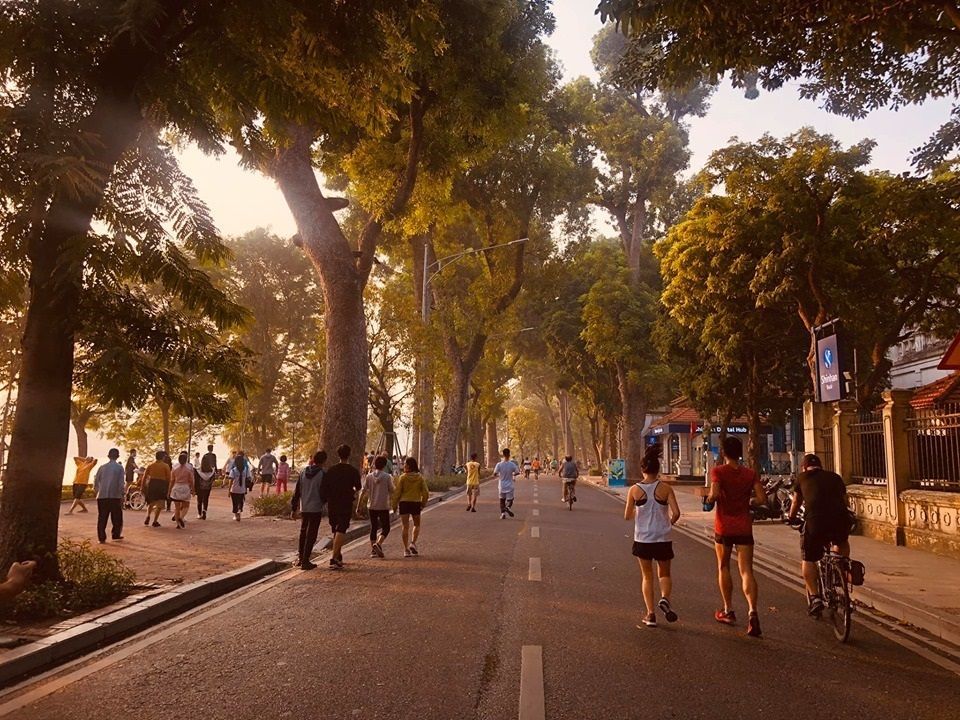
Hoan Kiem Lake is the geographical and cultural heart of central Hanoi.
Early in the morning, the lakeside is used by residents for walking, stretching, dancing and exercise. In the evening, families, couples and groups of friends gather around the water as the city begins to cool.
Important landmarks around the lake include:
- Ngoc Son Temple
- The red-painted The Huc Bridge
- Turtle Tower
- The pedestrian streets around the lake
- The entrance to Hanoi Old Quarter
You can learn more about the area in FTV’s Hoan Kiem Lake travel guide.
Discover the Streets of Hanoi Old Quarter
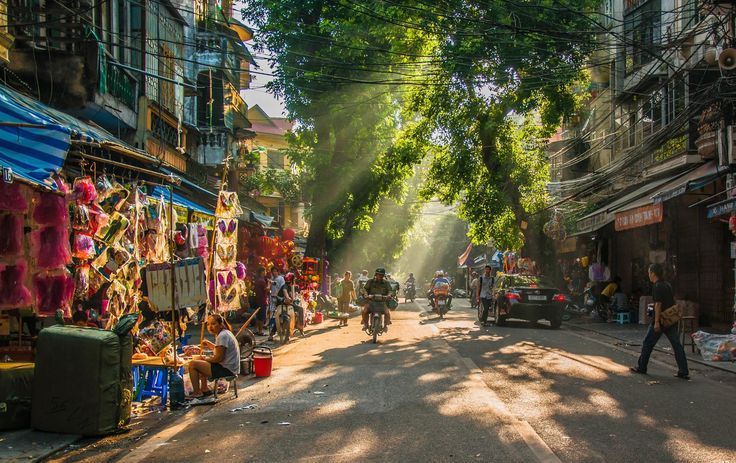
Instead of following only the main commercial streets, allow time to explore the smaller lanes and local markets.
Some of the Old Quarter’s best-known streets include:
- Hang Bac, historically associated with silver
- Hang Gai, known for textiles and silk
- Hang Ma, filled with colorful ceremonial paper products
- Hang Buom, associated with food and evening activity
- Ta Hien, known for nightlife and draft beer
- Lan Ong, traditionally linked with herbal medicine
The neighborhood can feel chaotic at first. Motorbikes, pedestrians, vendors and delivery vehicles often share the same limited space. Walk carefully, cross roads steadily and avoid sudden movements when navigating traffic.
For more historical and practical information, read the complete guide to Hanoi Old Quarter.
Visit Hanoi’s Historical and Cultural Landmarks
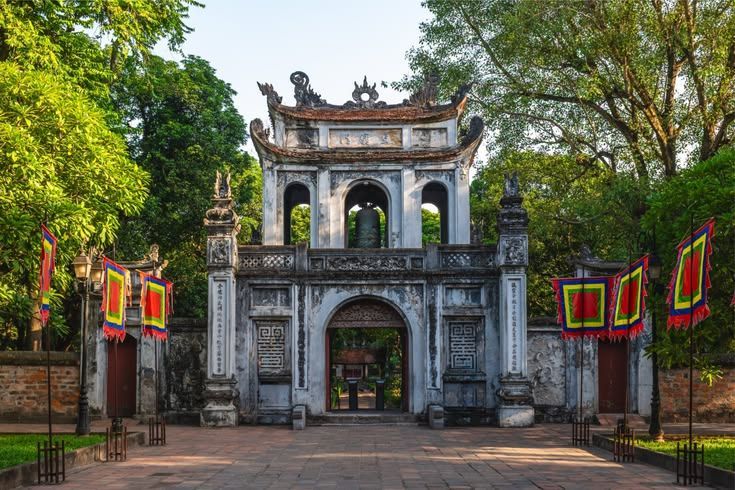
Beyond the Old Quarter, Hanoi contains important sites representing different periods of Vietnamese history.
Consider visiting:
- The Temple of Literature
- Hoa Lo Prison Relic
- The Vietnam Museum of Ethnology
- The Imperial Citadel of Thang Long
- The French Quarter
- St. Joseph’s Cathedral
- The Ho Chi Minh complex
- One Pillar Pagoda
Rather than trying to visit everything in one day, select sites that match your interests. The Vietnam Museum of Ethnology is particularly useful before traveling into the northern highlands because it introduces the cultures and traditional architecture of many communities found throughout Vietnam.
Taste Hanoi Street Food
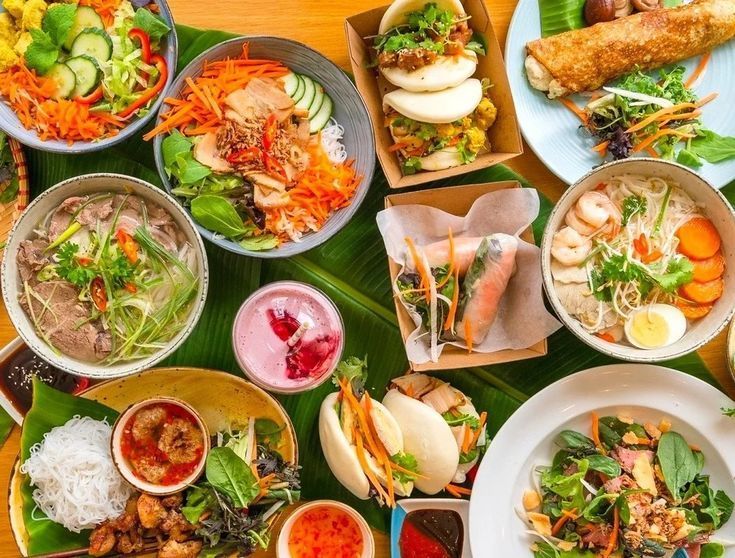
Food is one of the most direct ways to understand Hanoi.
Many local businesses specialize in only one dish, sometimes using recipes refined over several generations. The most memorable meals are not always found in formal restaurants. They may be served from a small storefront, market stall or pavement kitchen.
Northern dishes and drinks worth trying include:
- Pho: Rice noodles served in a fragrant broth
- Bun cha: Grilled pork served with rice noodles, herbs and dipping sauce
- Banh cuon: Thin steamed rice rolls filled with minced pork and mushrooms
- Cha ca: Fish cooked with turmeric, herbs and spring onions
- Xoi: Sticky rice served with savory or sweet toppings
- Bia hoi: Fresh local draft beer
- Ca phe trung: Hanoi-style egg coffee
A guided food walk can be useful during the first evening because it introduces local ordering customs, ingredients and places that may be difficult to identify independently.
FTV Local Insight
Many visitors stay only one night in Hanoi before leaving for the mountains. This usually means they see the traffic and souvenir streets but miss the city’s more interesting side.
Allow at least two full days. Explore the famous landmarks, but also spend time in neighborhood markets, residential streets, small temples and local food areas outside the busiest tourist zone.
Recommended time: 2–3 days
Best for: Food, culture, history and first-time visitors
Continue reading:
Hanoi Things to Do
2. Take an Overnight Cruise in Ha Long, Lan Ha or Bai Tu Long Bay
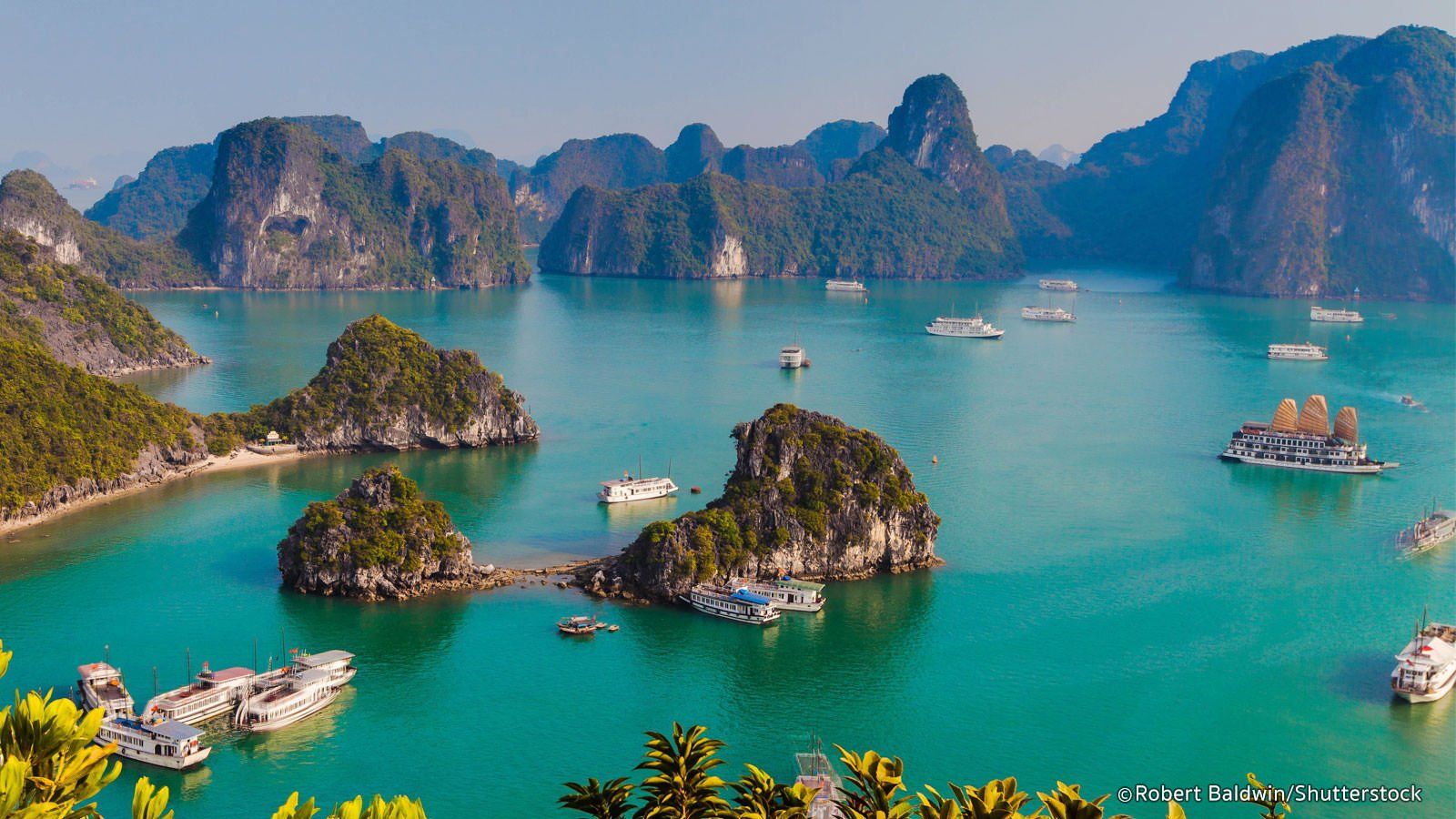
A cruise through Northern Vietnam’s limestone bays is one of the country’s most recognizable travel experiences.
Thousands of forested limestone formations rise from the water, creating narrow channels, enclosed lagoons and naturally sheltered areas. Depending on the selected route, a cruise may include kayaking, swimming, cave visits, island viewpoints or village experiences.
Ha Long Bay is internationally recognized as part of the Ha Long Bay–Cat Ba Archipelago UNESCO World Heritage Site. However, the wider area includes several different cruising zones, and choosing the right route is just as important as choosing the boat.
Ha Long Bay
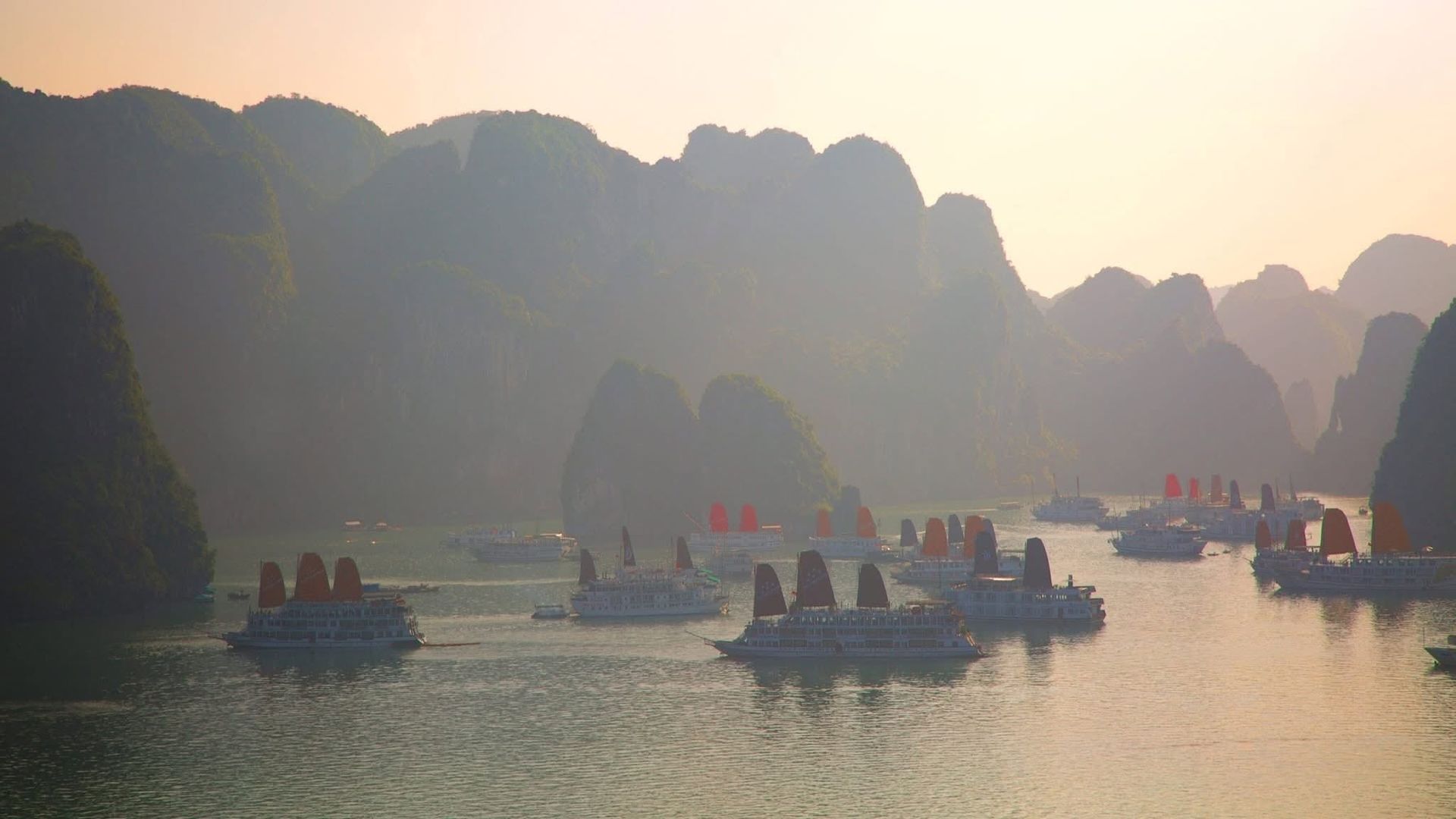
Ha Long Bay contains many of the region’s best-known landmarks and has the largest selection of cruises.
Typical stops may include:
- Sung Sot Cave
- Titop Island
- Luon Cave
- Limestone-island viewpoints
- Kayaking areas
- Beaches and sheltered lagoons
Ha Long Bay is a good choice for first-time visitors who want to see the most iconic scenery. The disadvantage is that popular sites can become crowded, particularly during weekends, domestic holidays and peak travel periods.
Read the full Ha Long Bay things to do guide before selecting an itinerary.
Lan Ha Bay
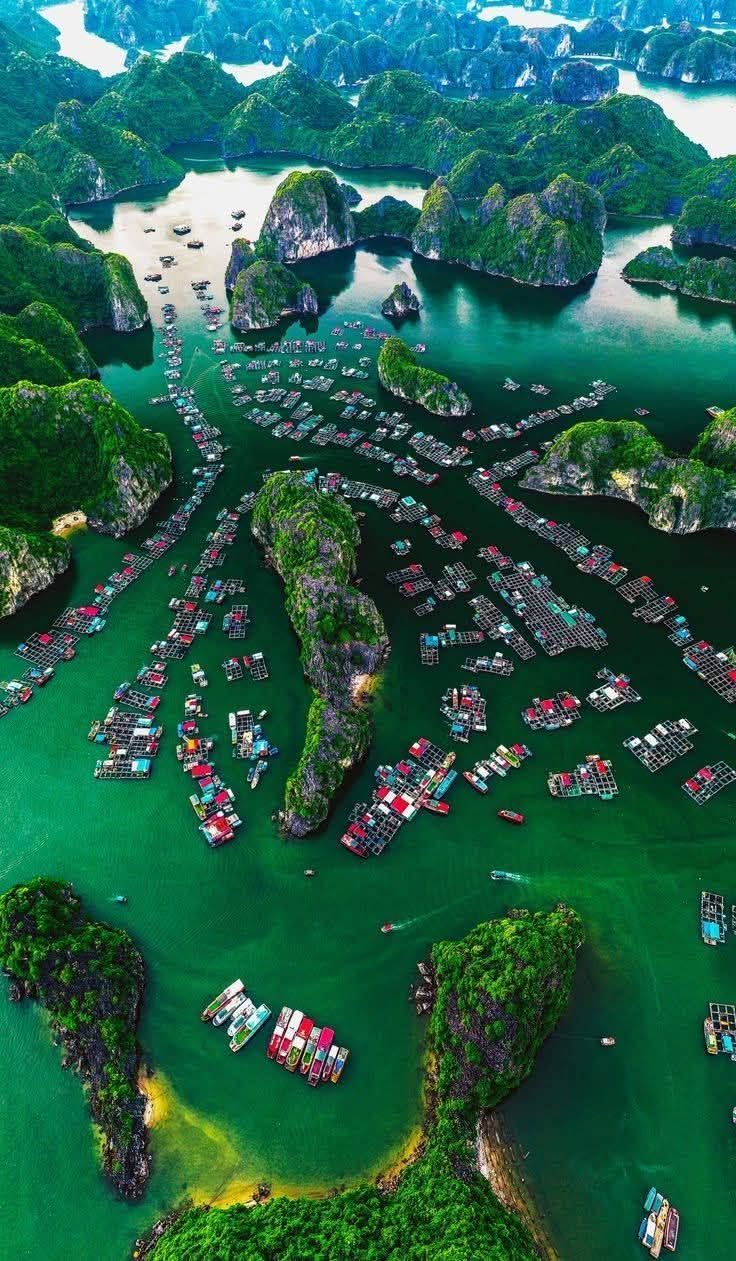
Lan Ha Bay lies south of Ha Long Bay and beside Cat Ba Island. Its landscape is part of the same larger limestone formation, but many itineraries emphasize kayaking, swimming and active experiences.
Lan Ha Bay is particularly suitable for:
- Travelers who want to combine a cruise with Cat Ba Island
- Couples looking for a quieter atmosphere
- Active travelers interested in kayaking
- Visitors who prefer smaller beaches and lagoons
- Travelers considering a two- or three-night journey
Cruise options can be compared through FTV’s collection of Lan Ha Bay cruises.
Bai Tu Long Bay
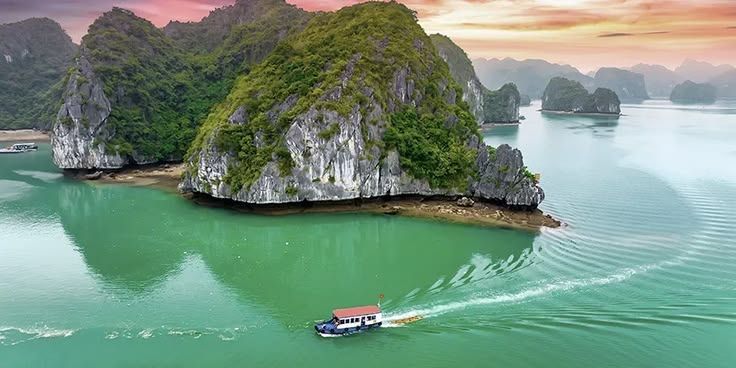
Bai Tu Long Bay lies northeast of the central Ha Long cruising area.
It generally receives fewer boats because it is further from the most commonly used tourist routes. Its attractions may include Vung Vieng, Thien Canh Son Cave, quieter kayaking areas and less-developed island scenery.
Bai Tu Long Bay is a strong choice for travelers who prioritize:
- Fewer boats
- A peaceful environment
- Smaller-scale itineraries
- Nature rather than famous landmarks
- A slower cruise experience
The trade-off is that Bai Tu Long has fewer cruise options than central Ha Long Bay. Compare available routes on the Bai Tu Long Bay cruise page.
Ha Long Bay vs Lan Ha Bay vs Bai Tu Long Bay
| Area | Best suited to | Main advantage | Possible limitation |
|---|---|---|---|
| Ha Long Bay | First-time visitors | Famous landmarks and many cruise choices | Popular sites can be crowded |
| Lan Ha Bay | Active travelers and couples | Kayaking, swimming and Cat Ba access | Some routes still overlap busy areas |
| Bai Tu Long Bay | Slow travel and nature lovers | Fewer boats and quieter scenery | Fewer cruise departures |
The name of the bay alone does not guarantee a good experience. Examine the exact route, boat capacity, included activities, cabin standard and time spent at each stop.
Day Cruise or Overnight Cruise?
A day cruise is possible for travelers with very limited time, but it requires several hours of road travel and provides only a brief experience of the bay.
A two-day, one-night cruise is the best balance for most first-time visitors. It normally provides time for afternoon activities, sunset, an overnight cabin and a quieter morning on the water.
A three-day, two-night cruise is better for travelers who want to reach more distant areas, spend longer kayaking or explore parts of the bay away from the main overnight anchorage.
| Cruise length | Suitable for | Experience |
|---|---|---|
| Day cruise | Very limited itineraries | Scenic but compressed |
| 2 days, 1 night | Most first-time visitors | Best overall balance |
| 3 days, 2 nights | Slow travel and deeper exploration | More remote and less rushed |
Activities on a Northern Vietnam Bay Cruise
Depending on the route and weather, cruise activities may include:
- Kayaking through caves and lagoons
- Visiting limestone caves
- Swimming
- Hiking to an island viewpoint
- Visiting a floating or coastal community
- Watching sunrise and sunset
- Vietnamese cooking demonstrations
- Morning tai chi
- Night squid fishing
- Cycling on Cat Ba Island
Do not choose a cruise based only on the number of included activities. A packed schedule can feel rushed. Fewer well-timed experiences are often more enjoyable than moving continuously between crowded stops.
FTV Local Insight
The cheapest cruise is rarely the best value. Before booking, compare the route, cabin, boat capacity, safety standards and actual time spent on the water.
For a more relaxed experience, consider traveling on weekdays and selecting a smaller boat or an itinerary through Lan Ha or Bai Tu Long Bay.
Recommended time: 2–3 days
Best for: Couples, families, photographers and first-time visitors
Continue reading:
Best Things to Do in Ha Long Bay
3. Travel the Ha Giang Loop Through Vietnam’s Northern Mountains
The Ha Giang Loop is one of the most dramatic journeys in Vietnam.
Located in the far north, the route passes through limestone mountains, deep river valleys, ethnic villages and high-altitude passes close to the Chinese border. The landscape changes constantly, making the journey itself more important than any single attraction.
Common stops include:
- Quan Ba
- Yen Minh
- Dong Van
- Ma Pi Leng Pass
- Meo Vac
- Nho Que River
- Du Gia
- Lung Cu
- Villages throughout the Dong Van Karst Plateau
The plateau is part of the Dong Van Karst Plateau UNESCO Global Geopark, recognized for both its geological heritage and the communities that have adapted to the difficult mountain environment.
Ride Through Ma Pi Leng Pass
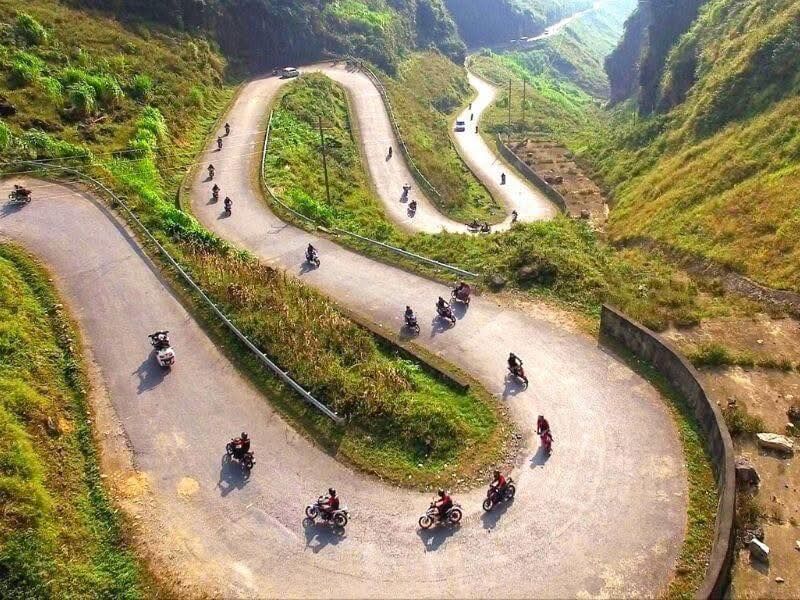
Ma Pi Leng is the most famous section of the Ha Giang Loop.
The road crosses high above the Nho Que River, with steep limestone walls rising around the gorge. Several viewpoints provide wide views across the valley, but the narrow roads require careful driving.
Travelers can also descend toward the Nho Que River for a boat journey through Tu San Canyon. This creates a different perspective from the roadside viewpoints above.
Learn more in FTV’s detailed Ma Pi Leng Pass travel guide.
Explore Dong Van and Meo Vac
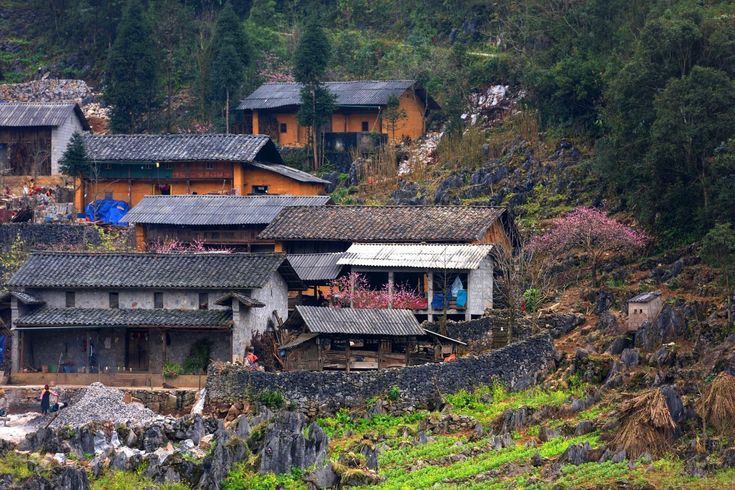
Dong Van is often used as an overnight stop and base for exploring the surrounding plateau. The old-quarter area contains traditional architecture, cafés and a market that becomes particularly active on scheduled market days.
Meo Vac lies beyond Ma Pi Leng Pass and serves surrounding rural communities. It is an important stop on the loop rather than simply a place to sleep.
The route between the towns provides some of the journey’s most impressive scenery.
Self-Ride, Easy Rider or Private Car?
There are several ways to experience Ha Giang, and the correct choice depends on driving experience, comfort requirements and weather conditions.
Self-Riding
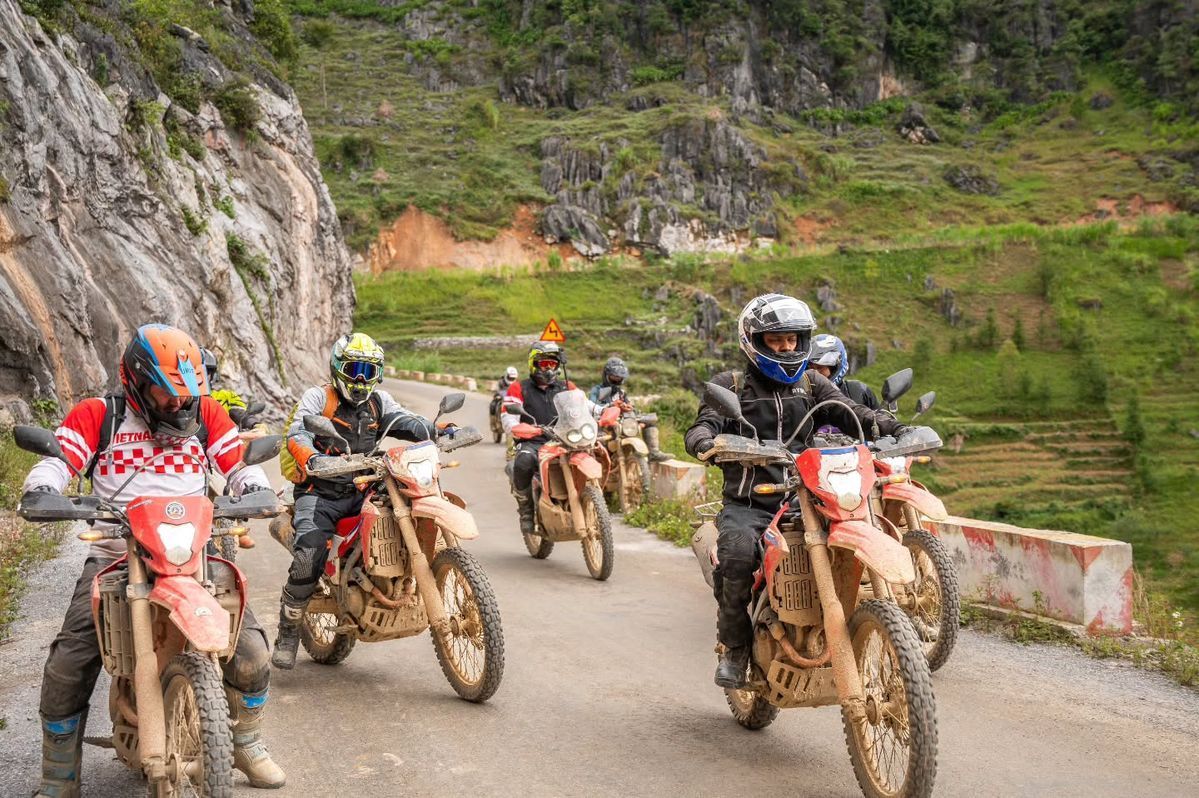
Self-riding provides independence but should only be considered by travelers with genuine motorbike experience and the correct documents.
Mountain roads may include:
- Sharp bends
- Steep gradients
- Fog
- Rain
- Gravel
- Construction
- Large vehicles
- Limited visibility
Travel insurance may not cover accidents when the rider does not have a valid license for the vehicle.
Easy Rider
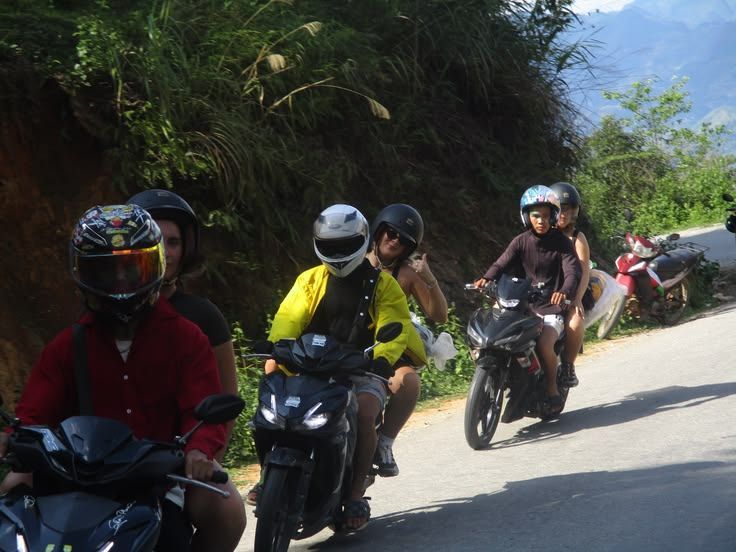
An Easy Rider is a local driver who carries the traveler as a passenger.
This allows visitors to focus on the scenery while an experienced driver manages the mountain roads. It is a suitable option for solo travelers, couples and anyone without extensive motorbike experience.
FTV offers Easy Rider tours in Northern Vietnam for travelers who want an adventurous journey without driving independently.
Private Car

A private car is more comfortable during cold, rainy or very hot weather.
It is often the best option for:
- Families
- Small private groups
- Older travelers
- Travelers carrying more luggage
- Visitors who are uncomfortable on motorbikes
- Photography-focused journeys requiring equipment
Cars cannot access every narrow village route, but they provide greater protection and comfort.
How Many Days Do You Need for the Ha Giang Loop?
A three-day journey covers the principal loop, but the pace can be demanding.
Four or five days allow more time to stop in villages, explore side roads, walk through the landscape and avoid spending most of the trip in transit.
| Duration | Suitable for | Consideration |
|---|---|---|
| 2 days | Not recommended for most travelers | Extremely rushed |
| 3 days | Visitors with limited time | Covers the main route |
| 4 days | Most travelers | Better balance |
| 5 days or more | Slow travel and cultural experiences | Allows side trips and village stays |
Stay in a Local Homestay
Homestays are an important part of a Ha Giang journey.
Accommodation ranges from traditional family homes with shared sleeping spaces to comfortable private rooms designed for visitors. A genuine homestay may include dinner with the host family, local dishes and an opportunity to learn about village life.
Choose accommodation that is locally owned and respectful of the surrounding community. Avoid expecting every stay to provide staged cultural entertainment.
FTV Local Insight
The most common Ha Giang mistake is trying to complete the loop too quickly. Spending an extra day changes the experience from a long motorbike transfer into a meaningful mountain journey.
Whenever possible, choose a four- or five-day route with smaller roads, village walks and locally owned accommodation.
Recommended time: 4–5 days
Best for: Adventure travelers, photographers and cultural journeys
Continue reading:
Best Things to Do in Ha Giang
4. Trek Across the Rice Terraces and Villages of Sapa
Sapa is one of Northern Vietnam’s best-known mountain destinations.
The town itself has developed rapidly, but the surrounding valleys still contain extraordinary landscapes, including terraced fields, mountain trails and villages inhabited by Hmong, Red Dao, Giay, Tay and other communities.
The best way to experience Sapa is to leave the town center and explore the countryside on foot.
Trek Through Muong Hoa Valley
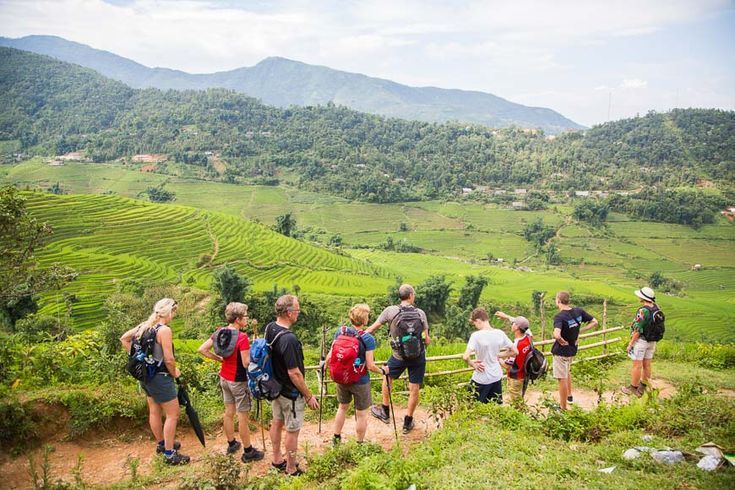
Muong Hoa Valley contains some of Sapa’s most accessible trekking routes.
Popular village areas include:
- Y Linh Ho
- Lao Chai
- Ta Van
- Hau Thao
- Su Pan
Routes vary from gentle valley walks to longer trails involving steep paths, mud and significant elevation changes.
A local guide can explain agricultural practices, village customs and seasonal changes that would otherwise be easy to overlook.
Visit Red Dao Communities Around Ta Phin
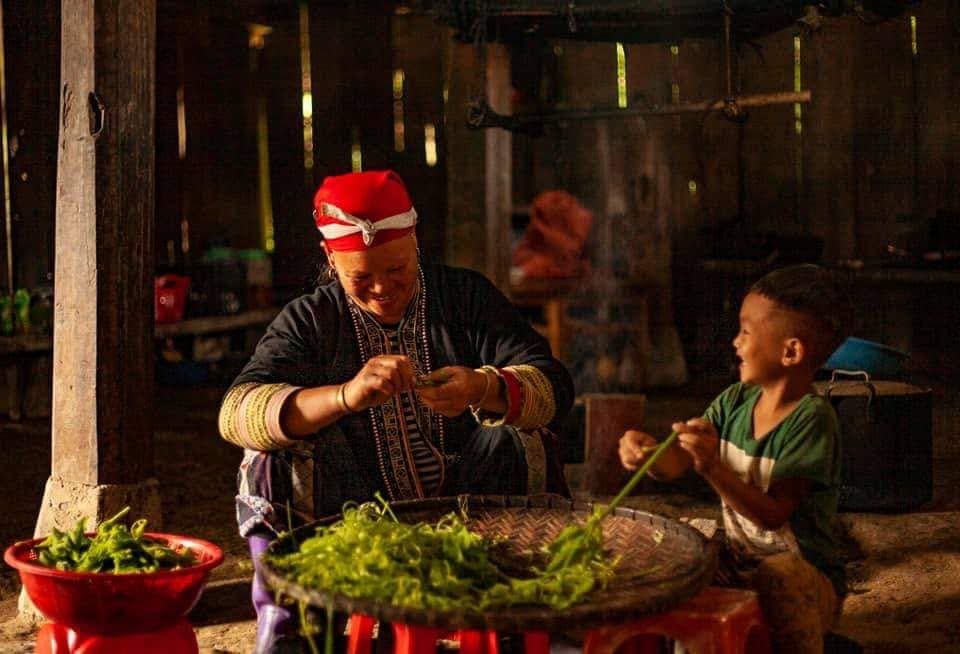
Ta Phin is known for Red Dao culture, traditional textiles and herbal-bath practices.
The village is accessible from Sapa, although walking routes and local experiences vary. Travelers interested in cultural interaction should select a guide or community-run experience rather than visiting only for staged photographs.
A traditional herbal bath can be particularly relaxing after a long trek. The experience uses locally gathered plants and is closely associated with Red Dao knowledge.
Stay Overnight in a Village
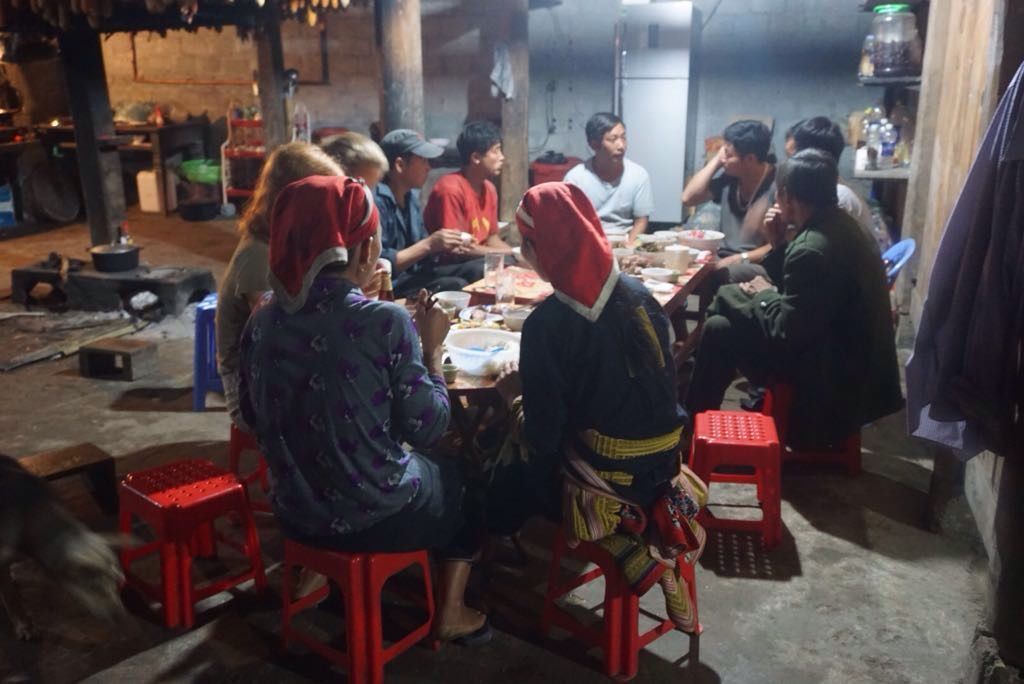
A night in the valley offers a different experience from staying in Sapa town.
After day visitors leave, the atmosphere becomes quieter and guests can experience dinner, evening life and the early-morning landscape.
Homestays may range from basic shared accommodation to private rooms with modern bathrooms. Check the facilities before booking so expectations match the selected property.
Climb or Visit Fansipan
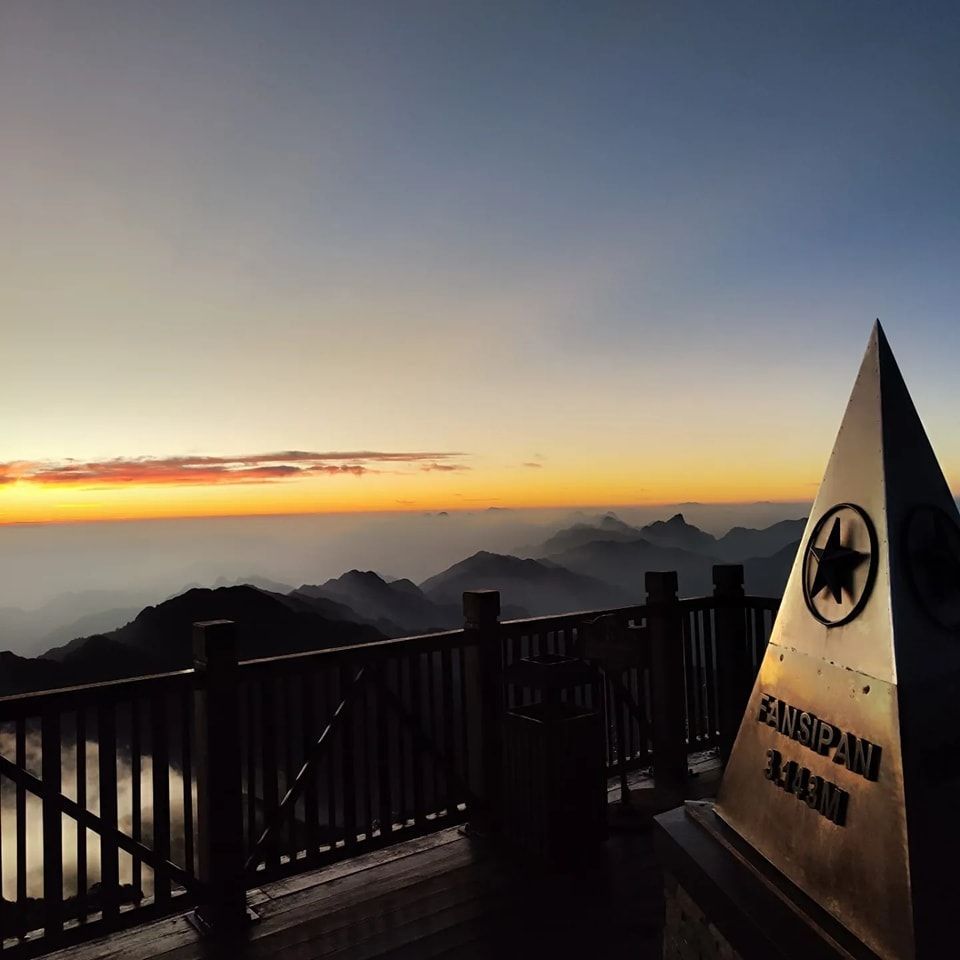
Fansipan is the highest mountain in Vietnam.
Experienced hikers can reach the summit through guided trekking routes, while most visitors use the cable-car system from Sapa. The cable car makes the summit area more accessible but weather conditions can change rapidly.
On cloudy days, views may be limited. Travelers visiting primarily for hiking and village culture should not treat Fansipan as essential if the weather is unsuitable.
Easy, Moderate and Difficult Sapa Treks
Easy routes
Easy routes usually follow lower valley paths and village roads. They are suitable for families, first-time trekkers and visitors with limited time.
Moderate routes
Moderate treks may last most of the day and include uneven ground, elevation changes and less-developed village trails.
Difficult routes
More challenging routes may involve multiple days, remote villages, steep terrain and rapidly changing mountain weather. These should be completed with an experienced guide.
How to Avoid Sapa’s Most Commercial Experiences
Sapa receives a high number of visitors, but a more authentic trip is still possible.
Consider the following:
- Spend less time in the town center
- Trek beyond the most accessible village entrances
- Travel with a local guide
- Stay overnight in a village
- Avoid large trekking groups
- Do not give money or sweets directly to children
- Buy handicrafts only when you genuinely want the product
- Ask before photographing people
- Allow enough time for a full-day or multi-day route
FTV Local Insight
The quality of a Sapa journey depends more on the route and guide than on the number of attractions included.
A two-night village experience with a knowledgeable local guide often provides more value than rushing between Fansipan, Cat Cat Village and several viewpoints in one day.
Recommended time: 3–4 days
Best for: Trekking, cultural experiences and rice-terrace scenery
Continue reading:
Best Things to Do in Sapa
5. Take a Boat Ride and Cycle Through Ninh Binh
Ninh Binh combines limestone mountains, rivers, wetlands, temples and agricultural villages less than two hours from Hanoi.
Although it is frequently promoted as a day trip, staying for at least two nights gives travelers time to experience the landscape early in the morning and late in the afternoon, when many tour groups have left.
The Trang An Landscape Complex is recognized as a UNESCO World Heritage Site for its natural and cultural significance.
Take a Boat Journey Through Trang An
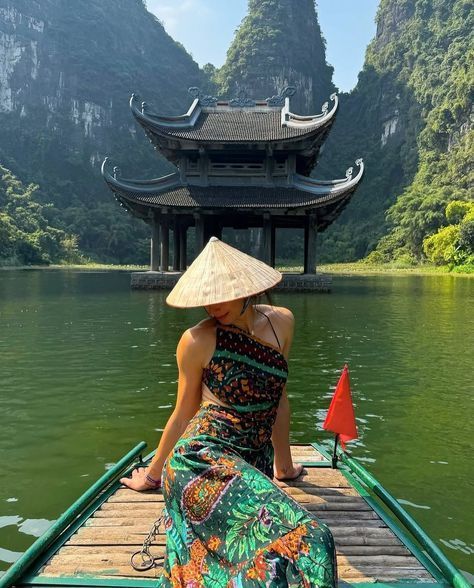
Trang An is a network of rivers, limestone valleys, caves and temples explored by small rowing boats.
Different routes pass through varying numbers of caves and spiritual sites. The journey normally takes several hours, depending on the selected route and water conditions.
Trang An is generally known for:
- Long boat routes
- Limestone caves
- Enclosed valleys
- Temple stops
- Organized departure systems
- Dramatic karst scenery
Go early in the morning when possible, particularly during weekends and domestic holiday periods.
Explore Tam Coc by Boat or Bicycle
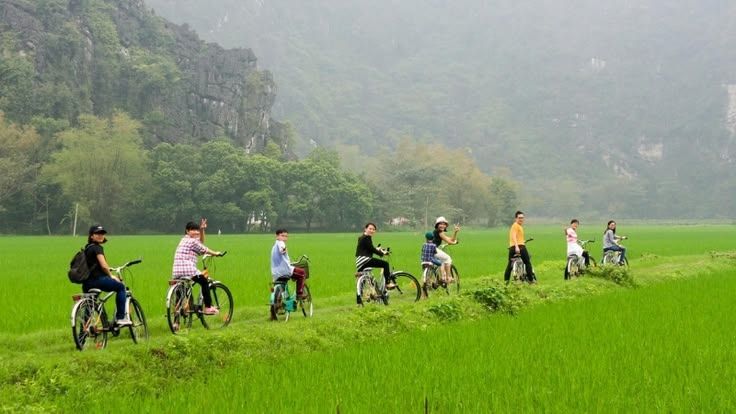
Tam Coc provides another famous rowing-boat experience.
The route follows the Ngo Dong River through rice fields and beneath limestone mountains. During the rice season, the fields along the river can become one of Ninh Binh’s most photographed landscapes.
Tam Coc is also a convenient base for cycling. Quiet roads lead through villages, agricultural land and nearby temples.
Trang An or Tam Coc?
| Trang An | Tam Coc |
|---|---|
| Longer and more structured routes | Shorter, open river journey |
| More caves and temple stops | Rice-field scenery |
| Located within the UNESCO core area | Convenient for cycling and accommodation |
| Strong year-round scenery | Particularly attractive during rice season |
Travelers staying several days can experience both, but those with limited time should choose according to personal interests rather than treating the two boat journeys as identical.
Climb to Hang Mua Viewpoint
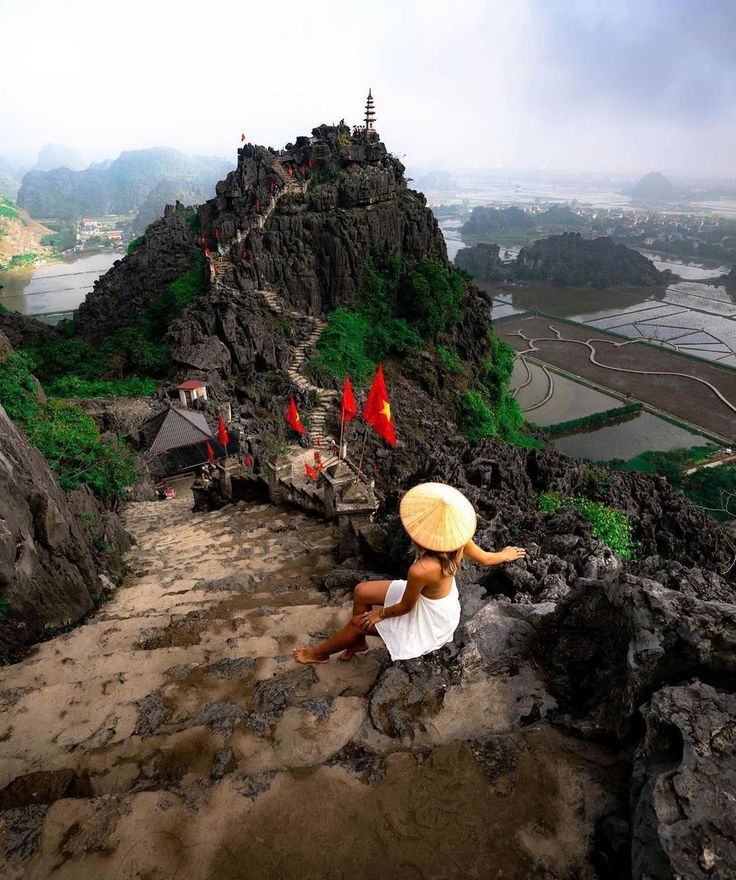
Hang Mua, frequently called Mua Cave, is known for its panoramic viewpoints.
Reaching the upper viewpoints requires climbing approximately 500 stone steps. From the top, visitors can see the Ngo Dong River, Tam Coc’s rice fields and the surrounding limestone landscape.
The climb is exposed and can become very hot. Visit around sunrise or late afternoon, carry water and wear shoes with suitable grip.
Visit Bich Dong Pagoda
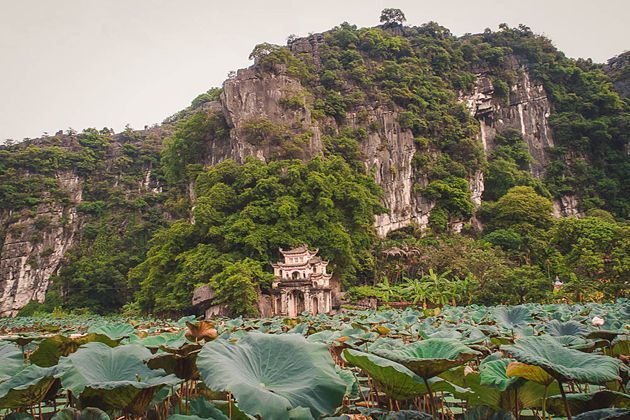
Bich Dong is a series of historic pagodas built into and around a limestone mountain.
The entrance, stone bridge and surrounding water create one of the area’s most recognizable scenes. Continue beyond the lower pagoda to explore the higher levels and cave passages.
Dress respectfully and remember that this remains an active religious site.
Cycle Through Rural Ninh Binh
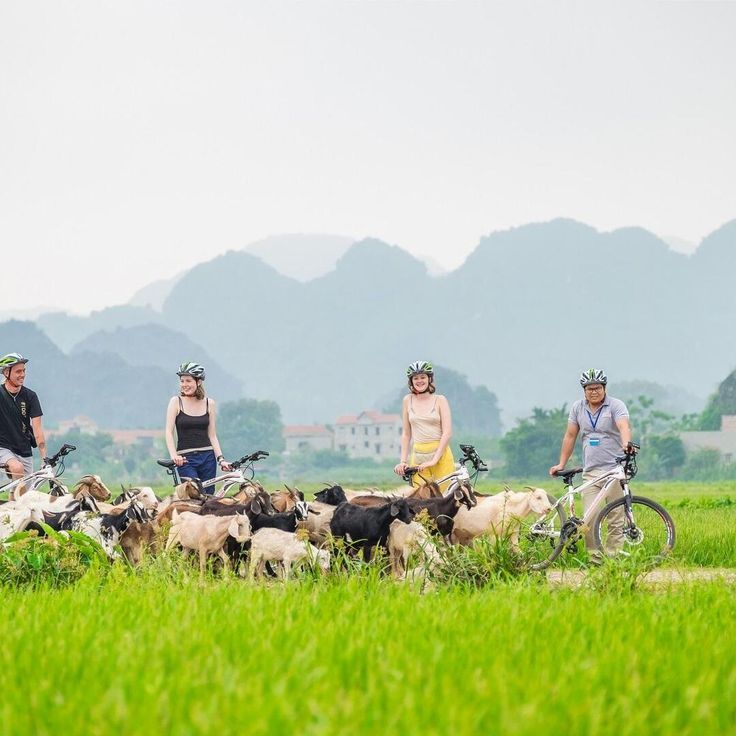
Cycling is one of the best ways to understand the region.
Routes around Tam Coc, Bich Dong and surrounding villages pass:
- Rice fields
- Small temples
- Limestone cliffs
- Rural homes
- Waterways
- Agricultural areas
Choose a bicycle in good condition and avoid the hottest part of the day during summer.
Explore Van Long or Cuc Phuong
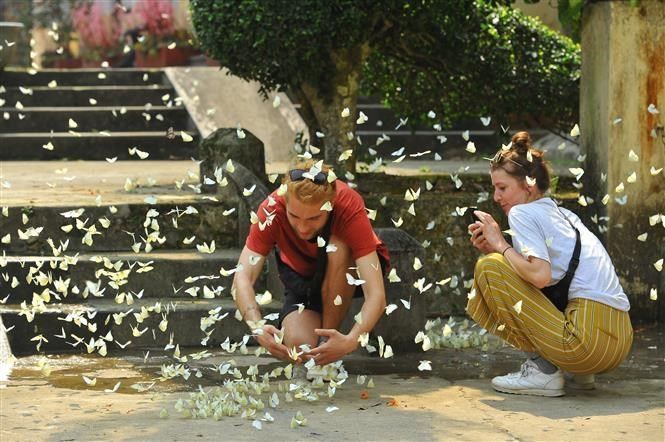
Travelers with additional time can move beyond the main Tam Coc–Trang An circuit.
Van Long Nature Reserve offers a quiet wetland landscape explored by rowing boat. Cuc Phuong National Park, further away, provides forest walks, wildlife-conservation centers and seasonal nature experiences.
These areas are particularly suitable for nature lovers and families who want more than the principal sightseeing route.
FTV Local Insight
A rushed day trip usually combines a boat ride, lunch and Hang Mua before returning to Hanoi. It covers the main sights but misses Ninh Binh’s quietest hours.
Stay two or three nights, choose accommodation outside the busiest center and explore the villages by bicycle in the early morning.
Recommended time: 2–3 days
Best for: Couples, families, cycling and landscape photography
Continue reading:
Best Things to Do in Ninh Binh
6. Cycle Through the Peaceful Villages of Mai Chau
Mai Chau is a wide rural valley surrounded by forested limestone mountains.
Compared with Sapa and Ha Giang, the terrain is gentler and the journey from Hanoi is shorter. This makes Mai Chau suitable for families, couples, first-time visitors and travelers who want a relaxing introduction to Northern Vietnam’s rural landscapes.
The valley is associated particularly with White Thai communities and traditional stilt-house architecture.
Cycle Around Ban Lac and Pom Coong
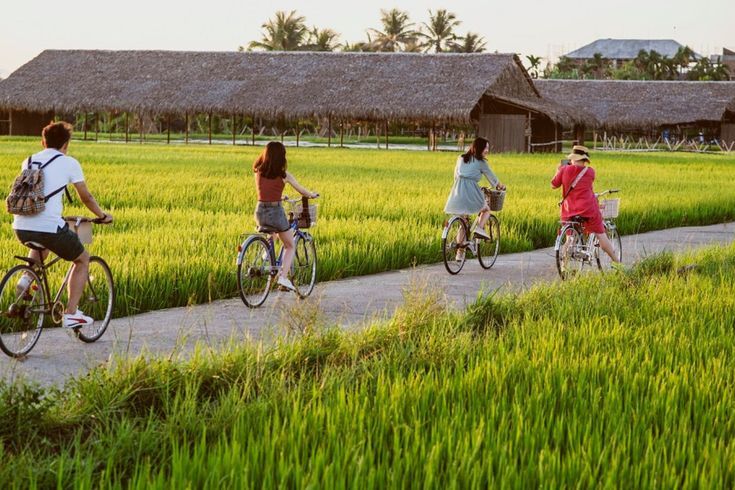
Cycling is the easiest way to explore the central valley.
The roads and village paths are mostly flat, passing rice fields, fishponds, gardens and traditional houses. Travelers can stop naturally rather than viewing the landscape through a vehicle window.
Ban Lac and Pom Coong are the most frequently visited villages. They contain homestays, handicraft stalls and restaurants, but quieter paths can still be found beyond the central areas.
Stay in a Traditional Stilt House
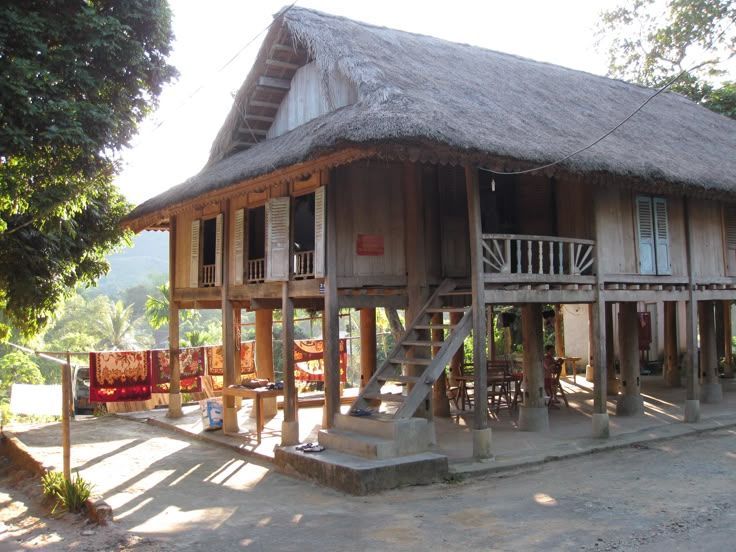
Stilt-house accommodation is part of the Mai Chau experience.
Traditional communal homestays offer simple sleeping arrangements, while upgraded properties provide private rooms and modern facilities. Both styles can support local families when genuinely community-owned.
A typical stay may include:
- A family-style dinner
- Local rice dishes
- Grilled meat or fish
- Seasonal vegetables
- Traditional sticky rice
- Village walks
- Cycling
- Cultural performances at selected properties
Performances should be presented respectfully and should not replace meaningful interaction with residents.
Trek Beyond the Central Valley
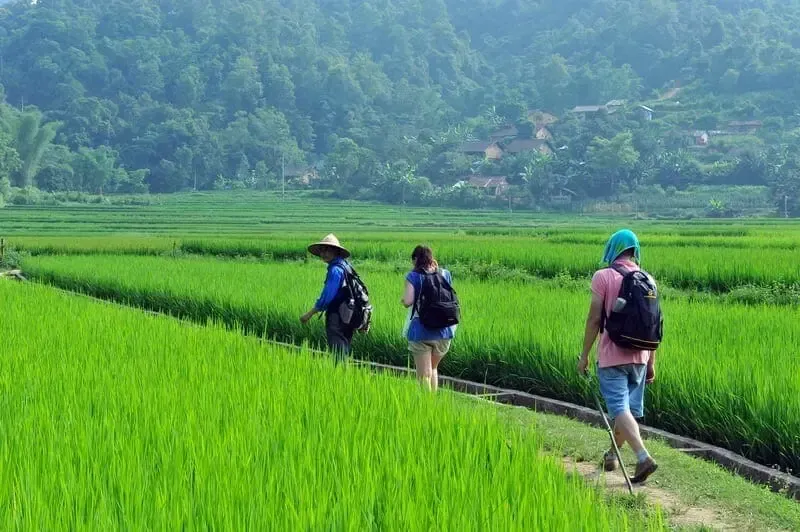
Travelers who want more adventure can continue toward less-developed areas such as Hang Kia and Pa Co.
These higher mountain communities offer different scenery and cultural experiences from the central Mai Chau valley. Routes may include forest paths, farmland and Hmong villages.
A guide is recommended because trails are less obvious and local context is important.
Combine Mai Chau with Pu Luong
Mai Chau and Pu Luong work well in a single itinerary.
A possible route is:
- Day 1: Hanoi to Mai Chau, village cycling
- Day 2: Trekking or local experiences in Mai Chau
- Day 3: Travel through mountain scenery to Pu Luong
- Day 4: Pu Luong village trek
- Day 5: Return to Hanoi or continue to Ninh Binh
This route provides a slower alternative to combining multiple distant northern destinations.
FTV Local Insight
Mai Chau is best experienced as a rural stay rather than a list of attractions. The highlights are cycling without a strict schedule, walking between villages, eating local food and observing the rhythm of the valley.
Avoid arriving only for lunch and a short performance before returning to Hanoi.
Recommended time: 2–3 days
Best for: Families, couples, cycling and gentle cultural experiences
Continue reading:
Best Things to Do in Mai Chau
7. Trek Through Rice Fields and Waterfalls in Pu Luong
Pu Luong Nature Reserve is one of the best places in North Vietnam for slow travel, village trekking and terraced landscapes.
Located between Mai Chau and Ninh Binh, the reserve contains forested mountains, rice terraces, traditional villages, streams and valleys inhabited mainly by Thai and Muong communities.
Pu Luong is sometimes described as an alternative to Sapa, but the two destinations are different. Sapa has higher mountains, a cooler climate and more extensive tourism infrastructure. Pu Luong feels smaller, quieter and more rural.
Walk Through Terraced Rice Fields

Village trekking is the main reason to visit Pu Luong.
Routes may pass through:
- Don Village
- Kho Muong
- Hieu Village
- Uoy Village
- Lan Village
- Mountain viewpoints
- Rice terraces
- Forest paths
- Traditional homes
The difficulty varies significantly. Some walks follow easy village paths, while longer routes descend steeply into valleys before climbing back to the main road.
During wet weather, trails can become muddy and slippery.
Visit Traditional Bamboo Water Wheels
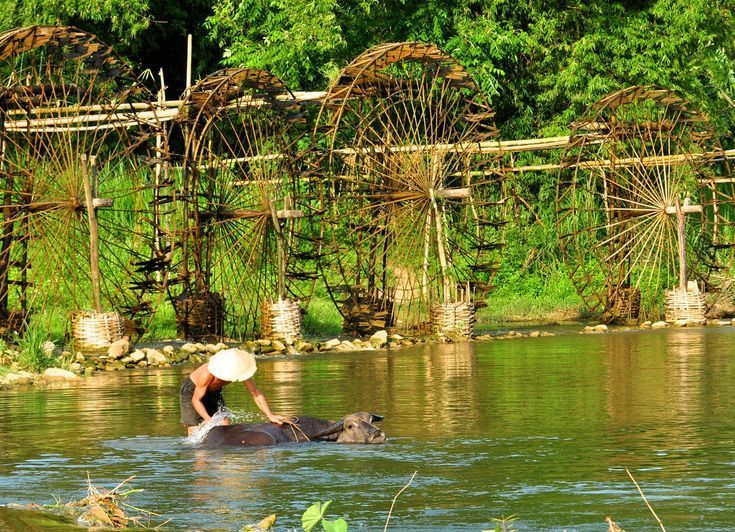
Large bamboo water wheels can be seen in several lower-valley areas.
They are part of traditional irrigation systems used to lift water from streams and direct it toward agricultural fields. The wheels are both visually impressive and connected to practical local knowledge.
Visit with a guide who can explain how the system works rather than treating the structures only as photography props.
Walk to Hieu Waterfall
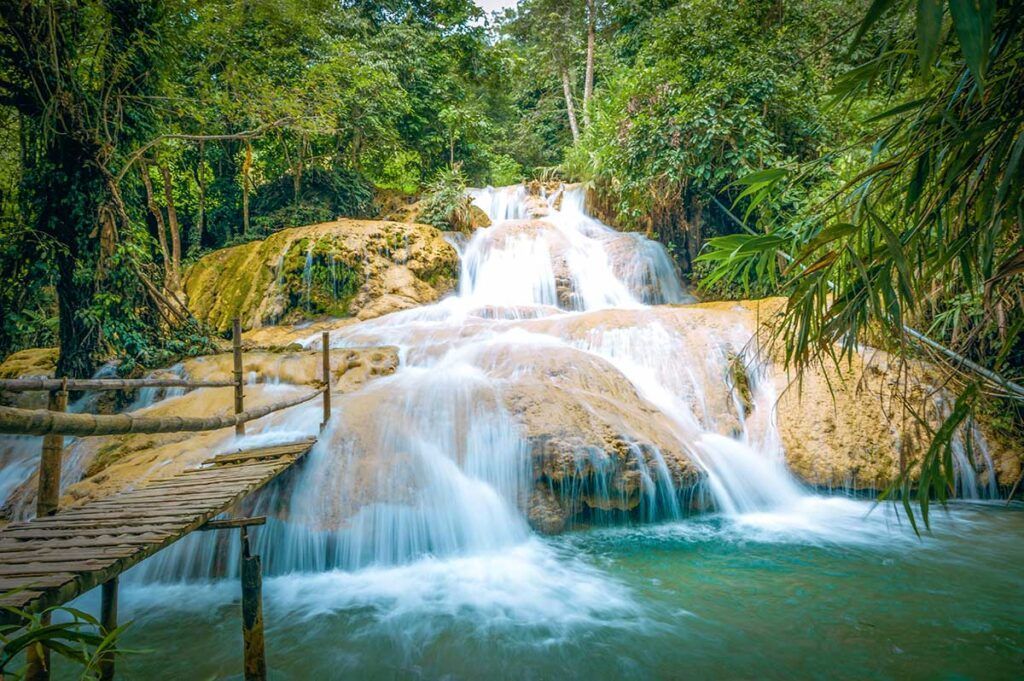
Hieu Waterfall flows through a forested village area and forms a series of natural pools and cascades.
Water levels change seasonally. During periods of heavy rain, currents may become stronger, while dry-season conditions can reduce the volume considerably.
Wear suitable footwear and follow local guidance before swimming.
Explore Kho Muong Village
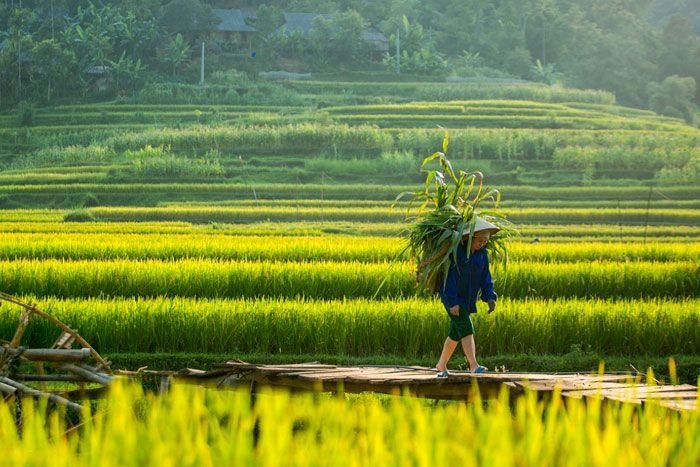
Kho Muong lies within a deep valley surrounded by limestone mountains.
The journey to the village reveals some of Pu Luong’s most impressive scenery. Visitors can walk through agricultural land, observe traditional architecture and explore nearby natural features with a guide.
The road can be steep and difficult, particularly after rain, so transport and trekking plans should be adapted to current conditions.
Stay in an Eco-Lodge or Village Homestay
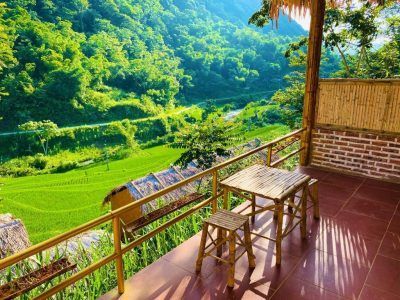
Pu Luong contains a mixture of simple homestays, rural bungalows and higher-end eco-lodges.
Choose according to the experience you want:
- Village homestay: Best for local interaction and simple accommodation
- Rural bungalow: Good balance between comfort and atmosphere
- Eco-lodge: Better facilities, views and private space
- Community trekking stay: Best for multi-day walking routes
Properties with infinity pools may offer spectacular views, but travelers should also consider water use, waste management and how much revenue remains in the local area.
When Are Pu Luong’s Rice Fields Most Beautiful?
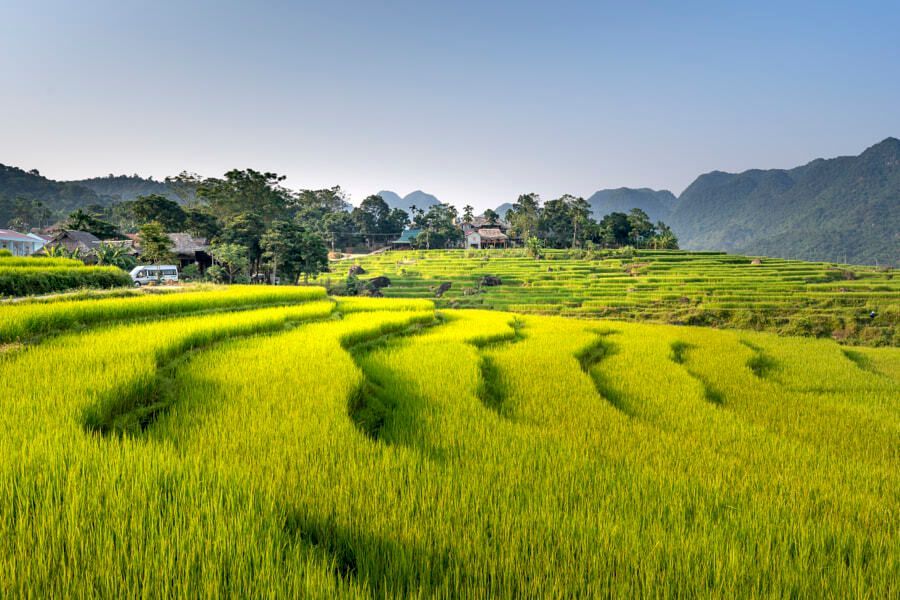
Pu Luong often has two rice-growing seasons, although exact timing varies by elevation, weather and individual farming schedules.
Green and golden fields are commonly associated with late spring and early autumn. However, travelers should not rely on a fixed annual date.
For broader seasonal planning, consult FTV’s Vietnam weather guide before finalizing your itinerary.
Combine Pu Luong with Other Destinations
Pu Luong can be combined efficiently with:
- Mai Chau
- Ninh Binh
- Cuc Phuong National Park
- Hanoi
- Rural Thanh Hoa
A Mai Chau–Pu Luong–Ninh Binh journey is particularly effective because it creates a logical route through valleys, rice terraces and limestone landscapes without returning to Hanoi after every stop.
Explore available local routes through Pu Luong tours from Friends Travel Vietnam.
FTV Local Insight
Do not plan Pu Luong as a fast sightseeing stop. Its value comes from walking, staying overnight and experiencing the changes in light and village activity throughout the day.
Spend at least two nights and choose one full-day or two half-day treks instead of trying to visit every named attraction.
Recommended time: 2–3 days
Best for: Slow travel, trekking, couples and nature lovers
Explore:
Pu Luong tours and local experiences
8. Kayak, Trek and Stay with a Local Family in Ba Be paragraph and title styles, go to Site Theme.
Ba Be National Park is one of the most peaceful places to visit in North Vietnam.
Located in Bac Kan Province, the area combines a large freshwater lake, limestone mountains, forest, caves, waterfalls and Tay ethnic villages. Compared with destinations such as Sapa, Ha Long Bay and Ninh Binh, Ba Be receives fewer visitors and retains a slower, more rural atmosphere.
It is particularly suitable for travelers who enjoy nature, kayaking, gentle trekking and community-based accommodation.
Take a Boat Trip Across Ba Be Lake
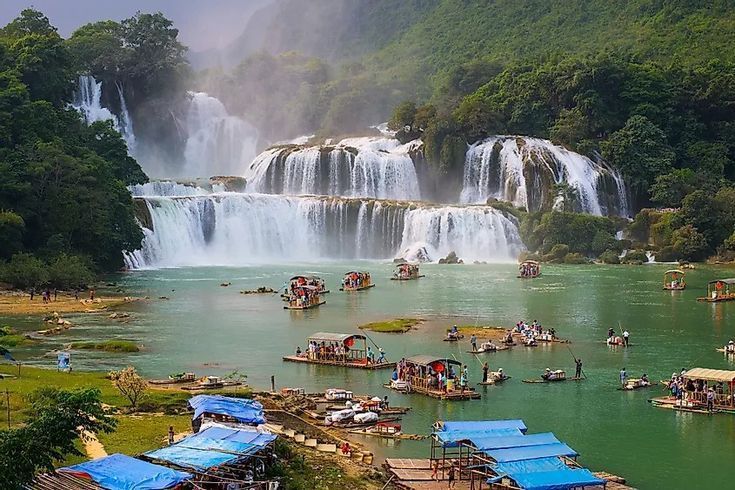
A boat journey is the classic way to explore Ba Be.
The lake is surrounded by forested limestone mountains, and many routes continue along the Nang River toward caves, rapids and village areas.
Typical stops may include:
- Puong Cave
- Dau Dang Waterfall
- An Ma Temple
- Pac Ngoi Village
- Lakeside viewpoints
- Quiet swimming or kayaking areas
Boat routes vary depending on water conditions, departure point and available time. A full-day journey allows more time to explore than a short sightseeing circuit.
Early morning is especially atmospheric, when mist may remain above the water and village activity begins along the shoreline.
Kayak in the Quiet Corners of the Lake

Kayaking offers a more personal experience than a motorized boat trip.
Without engine noise, travelers can move slowly along the shoreline, enter quieter sections of the lake and observe the surrounding forest from water level.
The best periods are generally early morning and late afternoon, when the light is softer and temperatures are more comfortable.
Kayaking should be arranged locally with suitable equipment and a life jacket. Weather and water conditions should always be checked before departure.
Explore Puong Cave
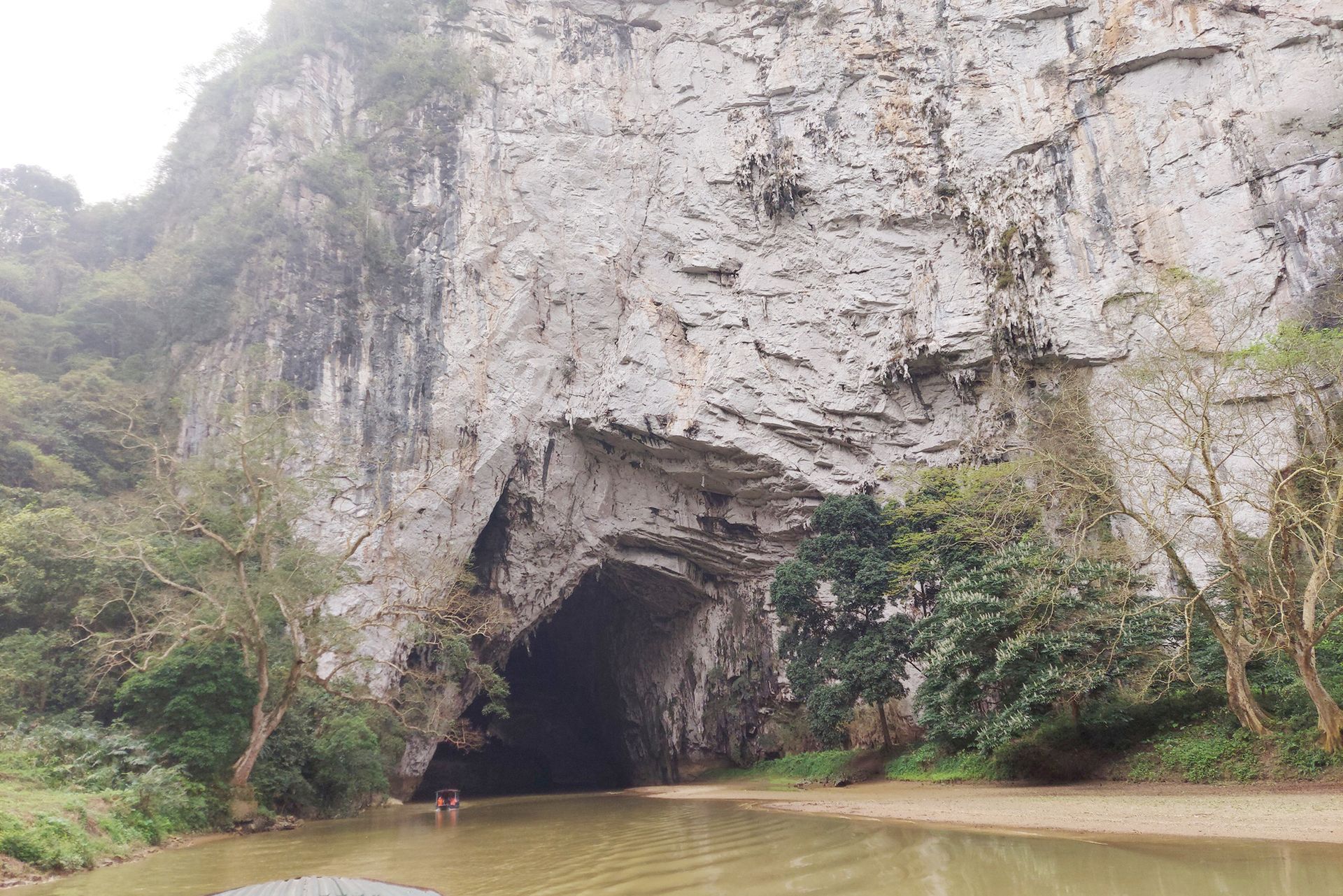
Puong Cave is crossed by the Nang River and is normally visited by boat.
Inside, the river passes beneath a large limestone mountain. The contrast between the dark interior and the forested river outside makes it one of Ba Be’s most memorable natural features.
Travelers should avoid making excessive noise or disturbing wildlife inside the cave.
Walk to Dau Dang Waterfall
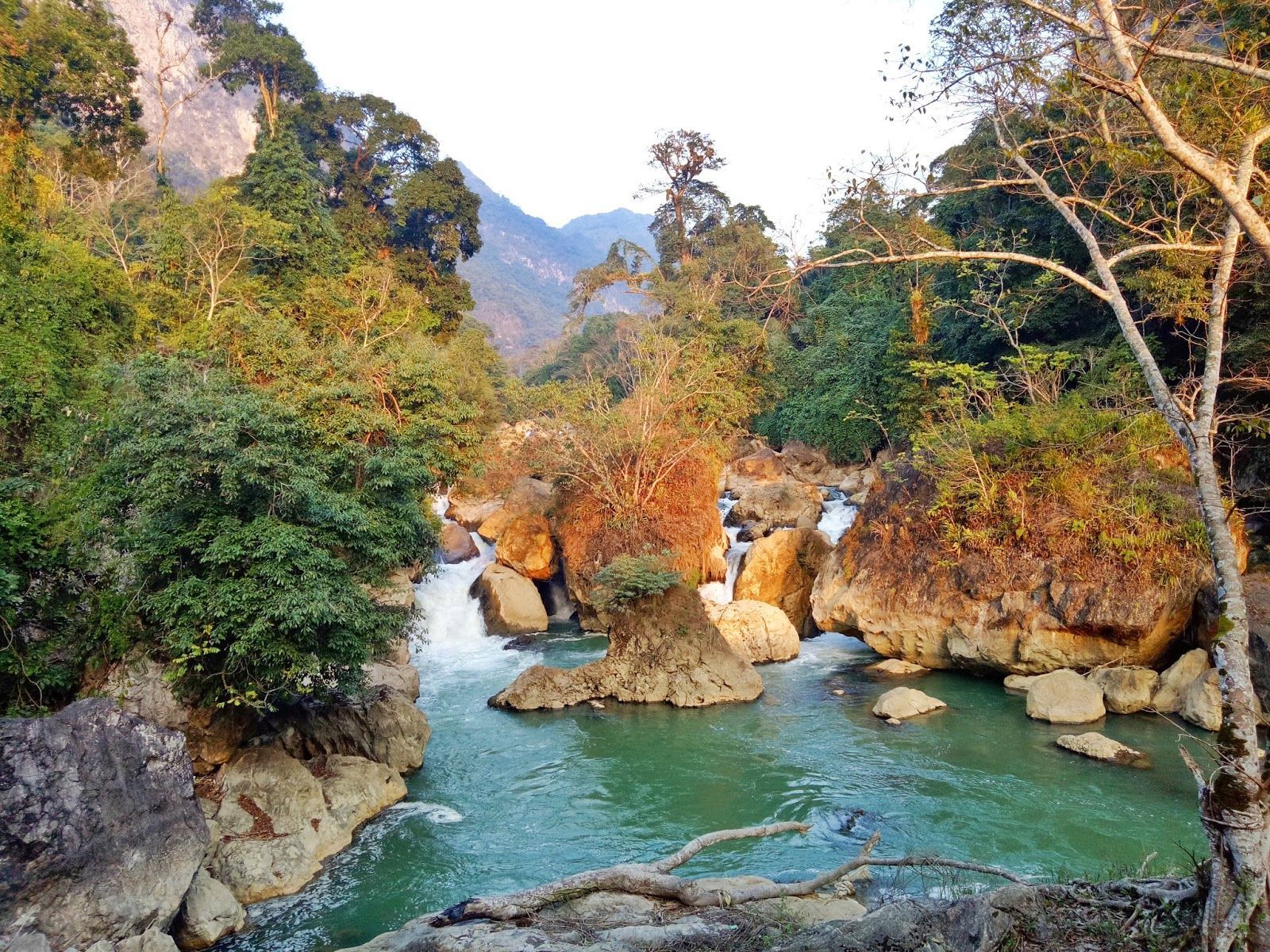
Dau Dang is not a single vertical waterfall. It is a series of powerful cascades and rapids where the river passes over large rock formations.
The surrounding area is wild and forested. Conditions change according to the season, with stronger flows after periods of rain.
Wear footwear with reliable grip because rocks and paths can be slippery.
Trek Through Ba Be National Park
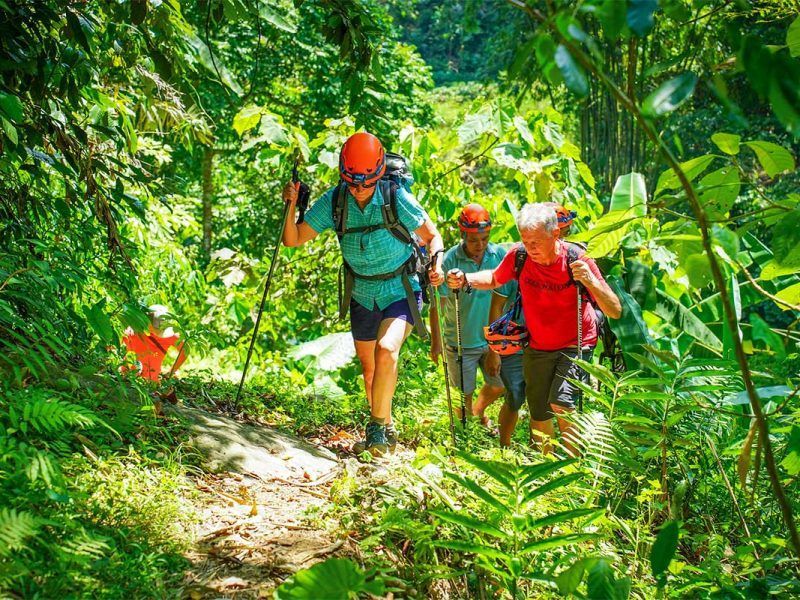
Ba Be offers trekking routes through forest, farmland and ethnic villages.
Depending on time and physical ability, travelers can choose:
- A short village walk
- A half-day forest trek
- A full-day hiking route
- A multi-day community journey
Longer routes may pass through Tay, Dao or Hmong communities in areas that receive few independent visitors.
A local guide is recommended because trails may be unclear and the cultural context is an important part of the experience.
Travelers interested in walking routes across the country can also explore FTV’s guide to the best hiking trails in Vietnam.
Stay in a Tay Ethnic Homestay
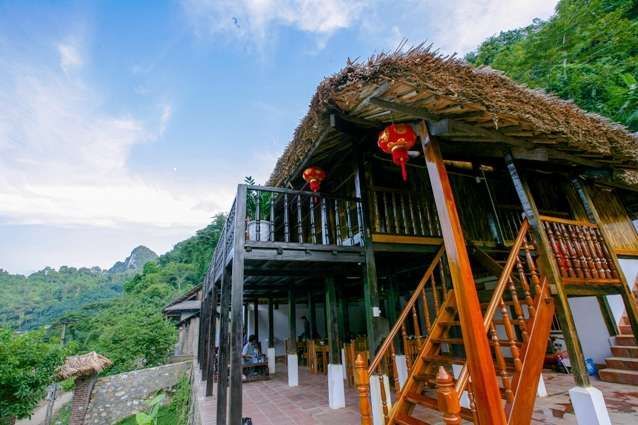
Pac Ngoi and Bo Lu are among the best-known villages for homestay accommodation.
Traditional wooden stilt houses face the lake, agricultural land or limestone scenery. Some properties maintain simple communal sleeping areas, while others now offer private bedrooms and ensuite bathrooms.
A homestay experience may include:
- A family-style evening meal
- Local vegetables and freshwater fish
- Traditional sticky rice
- Rice wine
- Village walks
- Cycling
- Conversations with the host family
The quality of interaction varies between properties. Choose locally owned accommodation and remember that a homestay is a family business, not a staged cultural attraction.
How Long Should You Spend in Ba Be?
Two nights are recommended for most travelers.
A practical itinerary could be:
Day 1: Travel from Hanoi, check into a homestay and walk around the village.
Day 2: Take a boat trip, explore Puong Cave and visit Dau Dang Waterfall.
Day 3: Kayak, cycle or complete a short trek before continuing to Cao Bang or returning to Hanoi.
For a deeper look at the destination, read the complete guide to the best things to do in Ba Be.
Ba Be can also be combined with Ban Gioc Waterfall through FTV’s Ba Be and Ban Gioc tours.
FTV Local Insight
Ba Be is not a destination for travelers who need constant entertainment or a long list of attractions. Its appeal comes from silence, landscape and unhurried interaction with local communities.
Stay at least two nights, turn off the checklist and leave space for kayaking, walking and quiet time beside the lake.
Recommended time: 2–3 days
Best for: Nature, kayaking, homestays and slow travel
Continue reading:
Ba Be Things to Do
9. See Ban Gioc Waterfall and Explore Cao Bang
Cao Bang is one of the most impressive but less-visited provinces in Northern Vietnam.
The region contains limestone valleys, winding rivers, ethnic villages, caves, mountain roads and Ban Gioc Waterfall. Although the waterfall is the best-known attraction, Cao Bang deserves to be explored as a complete destination rather than a single photo stop.
Much of the province lies within the Non Nuoc Cao Bang UNESCO Global Geopark, an area recognized for its geological landscapes and cultural heritage.
Visit Ban Gioc Waterfall
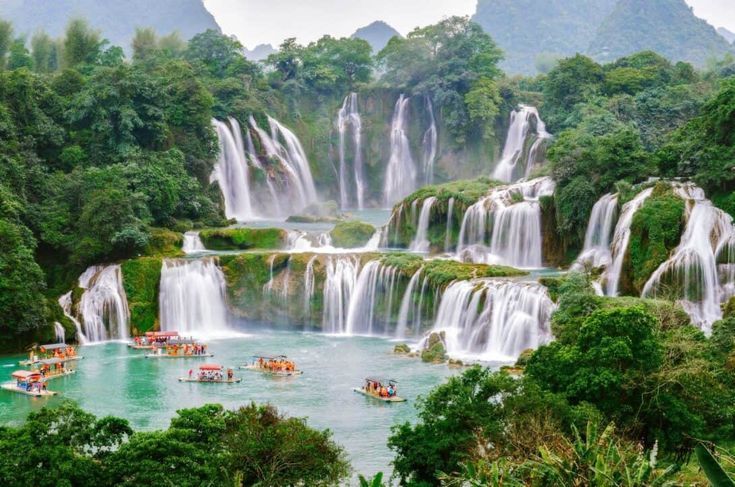
Ban Gioc is located on the Quay Son River in Trung Khanh District.
Water flows across several levels, surrounded by green fields, limestone peaks and rural scenery. The landscape is especially beautiful when water levels are strong and the surrounding agricultural areas are green.
Small raft trips may operate near the base of the falls, depending on local conditions and regulations.
When visiting:
- Carry identification
- Follow posted border-area instructions
- Stay within permitted visitor zones
- Protect cameras and phones from spray
- Wear shoes suitable for wet ground
- Avoid leaving litter around the river
Ban Gioc can become busy during weekends and Vietnamese holidays. Staying nearby allows you to visit earlier or later than many day groups.
Explore Nguom Ngao Cave
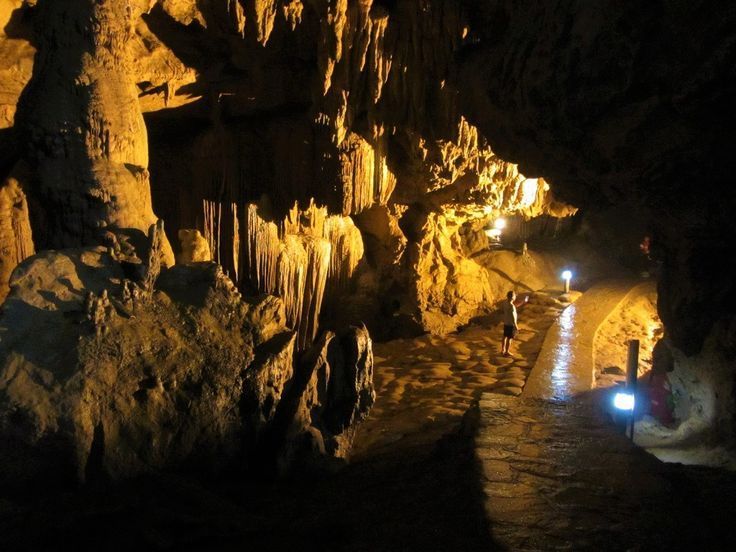
Nguom Ngao Cave is located near Ban Gioc and can be combined with the waterfall in the same day.
The cave contains large chambers, stalactites and stalagmites formed over long periods of time. Some sections are developed with pathways and lighting, while longer experiences may require a local guide.
The temperature inside is usually cooler than outside, making it a useful stop during warmer months.
Travel Through Phong Nam Valley
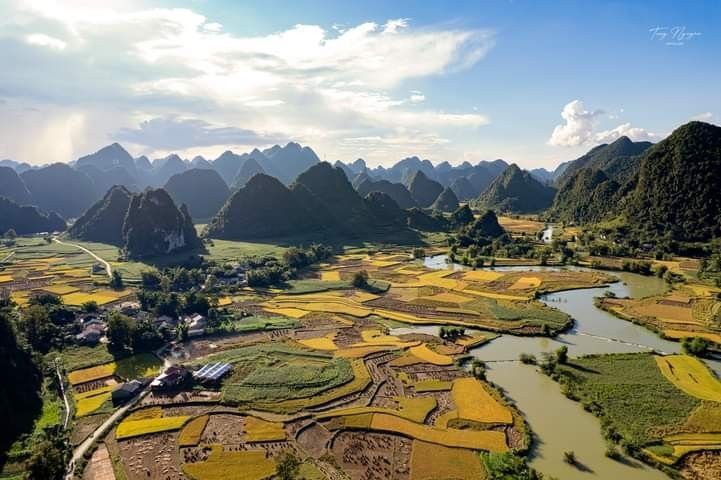
Phong Nam Valley is one of Cao Bang’s most photogenic rural landscapes.
The area contains rice fields, villages, rivers and limestone peaks. It is best explored slowly, with time for walking, photography and village observation.
The landscape changes seasonally. Green fields, harvest colors, mist and water levels depend on local weather and farming schedules.
Visit Traditional Villages
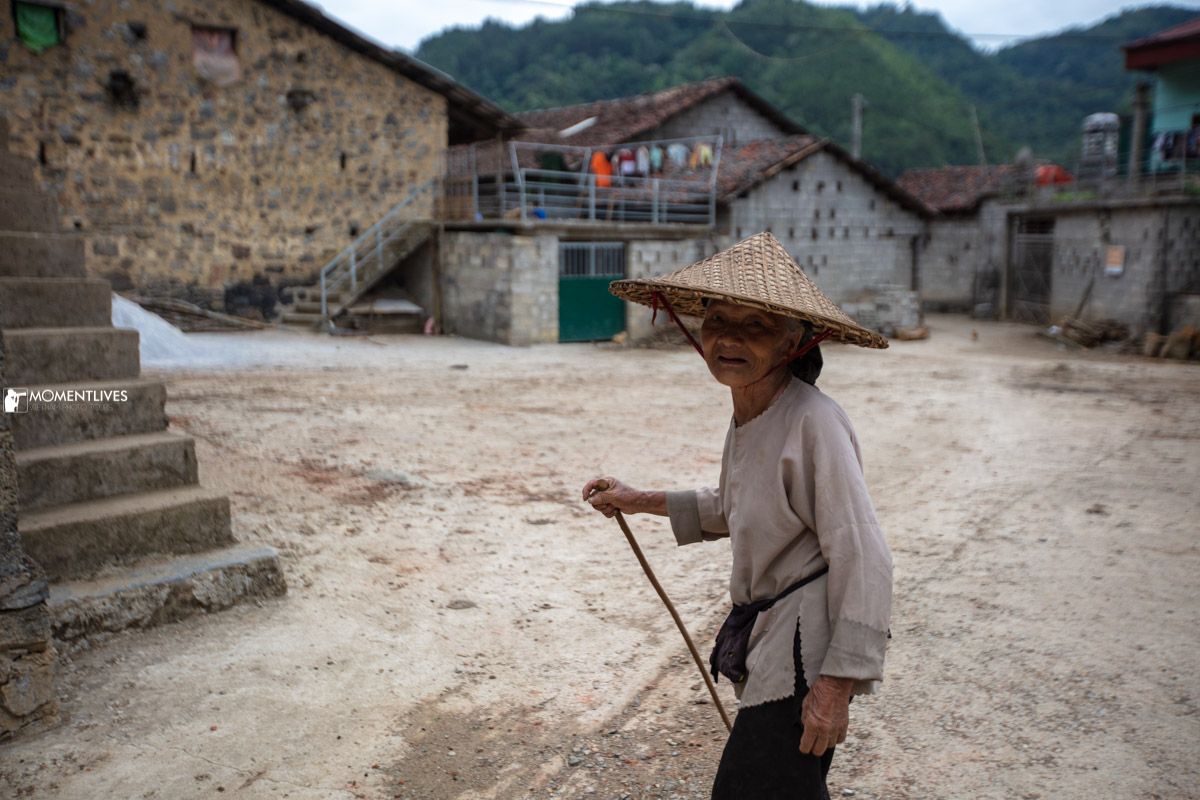
Cao Bang is home to Tay, Nung, Dao, Hmong and other communities.
Depending on the itinerary, travelers may visit villages known for:
- Incense making
- Blacksmithing
- Paper production
- Weaving
- Stone houses
- Agricultural traditions
Choose community visits arranged with local knowledge. Avoid entering private homes, workshops or fields without permission.
Discover Pac Bo Historical Site
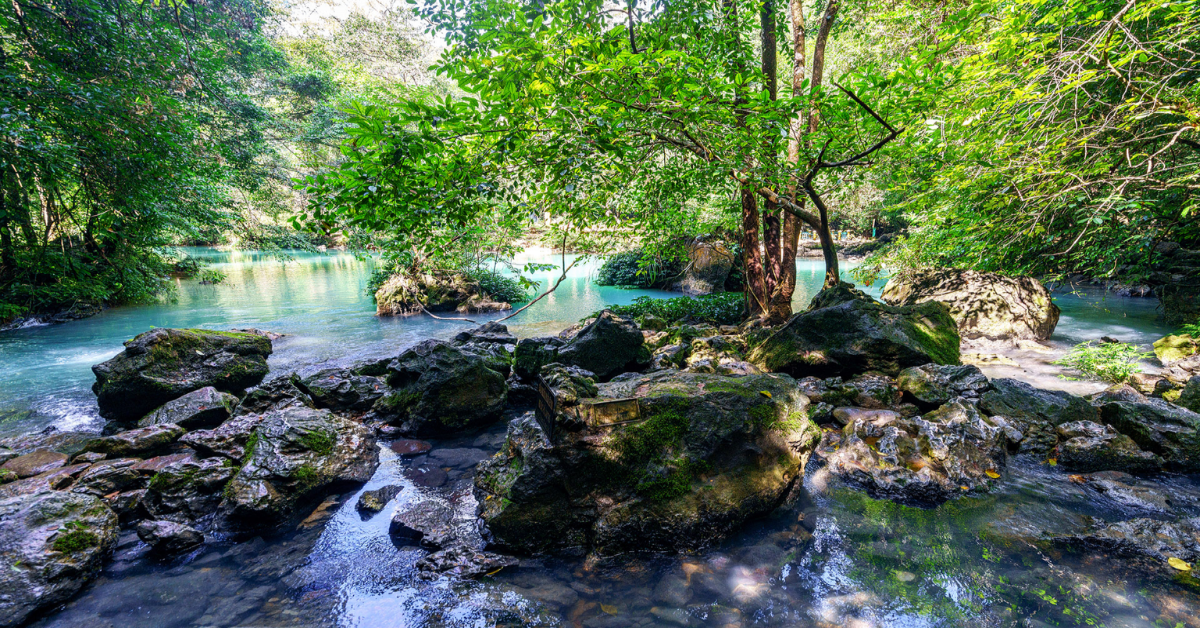
Pac Bo is associated with an important period in Vietnam’s modern history.
The site includes forest, streams, caves and memorial areas. It provides a different dimension to Cao Bang, combining natural scenery with historical context.
Travelers interested primarily in Ban Gioc may skip Pac Bo because it lies in another direction, but it can be included in a longer three- or four-day provincial itinerary.
Combine Cao Bang with Ba Be
Ba Be and Cao Bang form one of the best off-the-beaten-path routes in North Vietnam.
A possible itinerary is:
- Day 1: Hanoi to Ba Be
- Day 2: Ba Be Lake boat trip and homestay
- Day 3: Travel through mountain scenery to Cao Bang
- Day 4: Ban Gioc Waterfall and Nguom Ngao Cave
- Day 5: Phong Nam Valley and local villages
- Day 6: Return to Hanoi or continue the journey
This route requires several long road sections, but it reduces unnecessary backtracking and combines freshwater landscapes, ethnic communities and dramatic limestone scenery.
FTV Local Insight
Do not travel from Hanoi to Ban Gioc only to take a photograph and immediately return.
Cao Bang becomes far more rewarding when the waterfall is combined with Nguom Ngao Cave, Phong Nam Valley, village experiences and an overnight stay in the countryside.
Recommended time: 3–4 days
Best for: Waterfalls, rural scenery, photography and quiet road trips
Continue reading:
Best Things to Do in Cao Bang
10. Photograph the Rice Terraces of Mu Cang Chai
Mu Cang Chai is one of the most important rice-terrace destinations in Vietnam.
Located in Yen Bai Province, the district lies along a scenic mountain route west of Hanoi. Terraced fields wrap around hillsides and valleys, reflecting generations of agricultural knowledge developed by local Hmong communities.
The destination is particularly popular during the water-pouring and harvest seasons, but it can also be rewarding outside peak photography periods.
Cross Khau Pha Pass
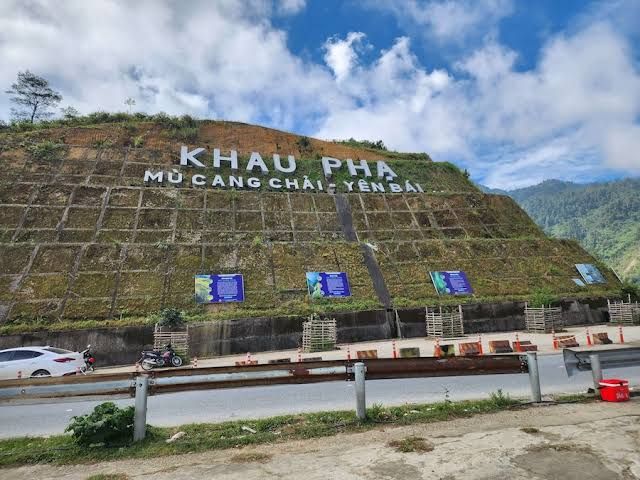
Khau Pha is one of the major mountain passes on the route to Mu Cang Chai.
The road provides wide views of valleys, fields and mountain settlements. Weather can change quickly, and cloud or mist may reduce visibility.
Drivers should slow down on bends and avoid stopping in unsafe roadside positions for photographs.
Explore La Pan Tan
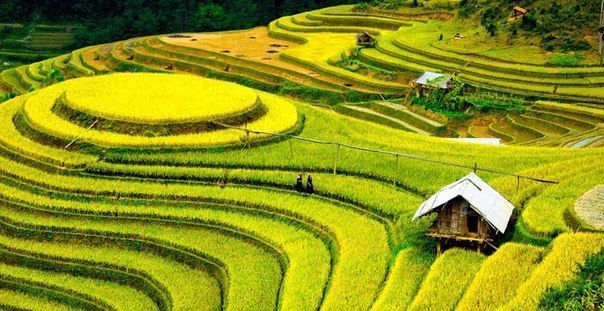
La Pan Tan is one of the most famous terrace areas in Mu Cang Chai.
Its fields form intricate patterns across steep hillsides. Several viewpoints can be reached by local roads, walking trails or motorbike transfers.
The most photographed places are only a small part of the landscape. Walking with a local guide allows travelers to move beyond the main roadside stops.
Visit Che Cu Nha and De Xu Phinh
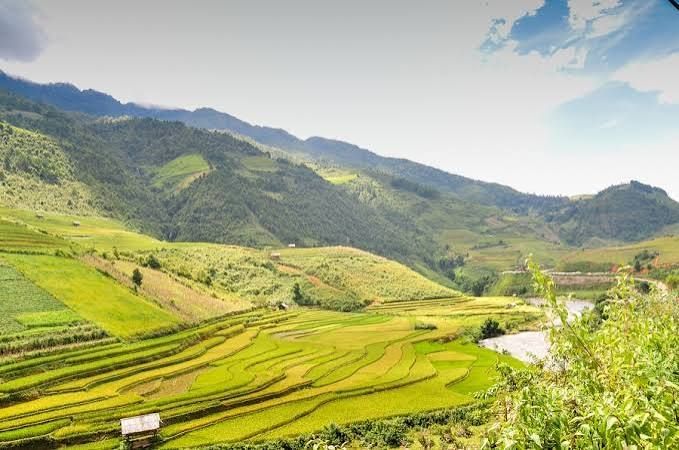
Che Cu Nha and De Xu Phinh offer additional terraced scenery and village landscapes.
Road conditions may be less developed than on the principal route. During rainy periods, access can become muddy or difficult.
These areas are suitable for travelers who want to explore beyond La Pan Tan and spend more time walking through agricultural communities.
See the Water-Pouring Season
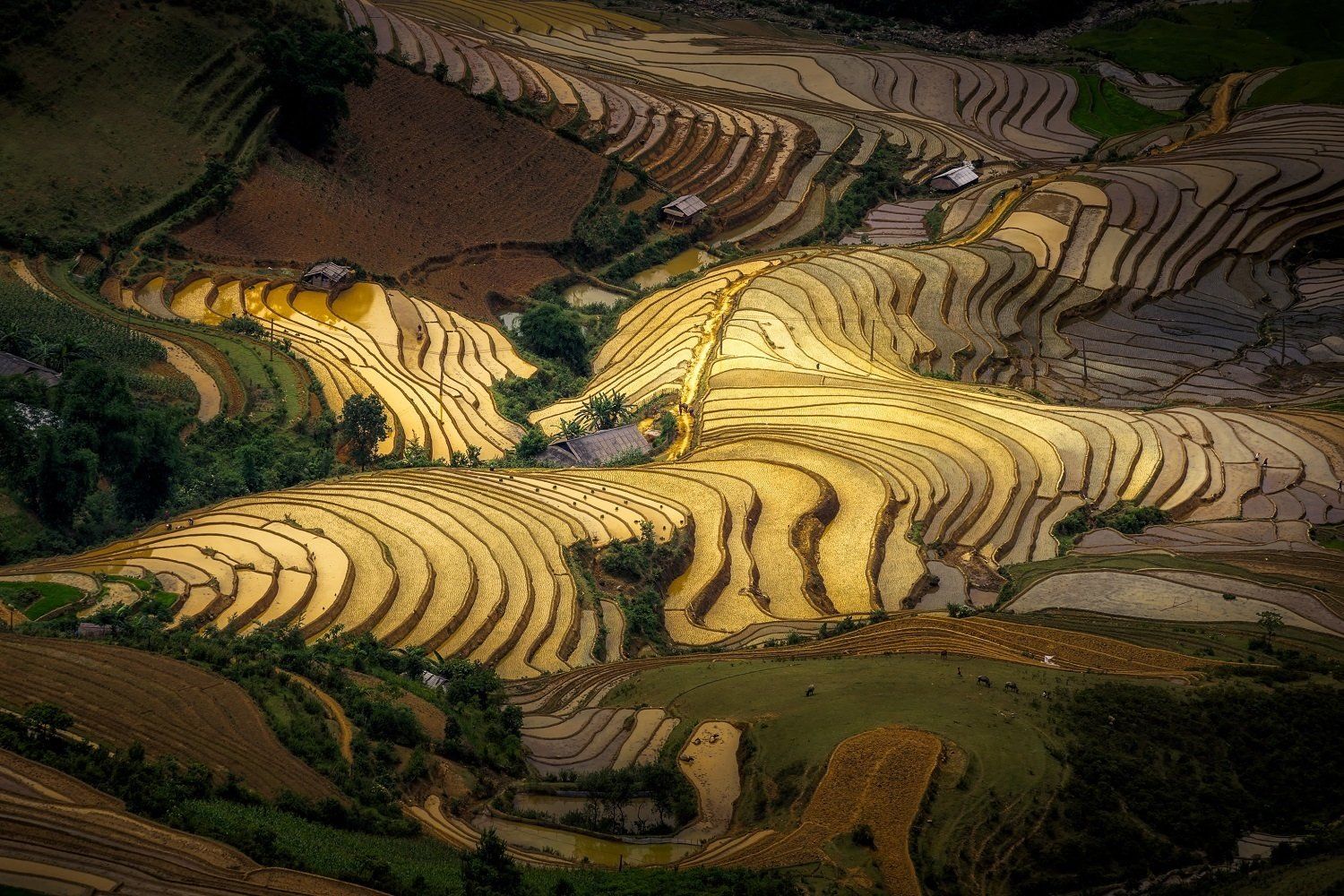
At the beginning of a rice cycle, farmers direct water into the terraces.
When conditions are suitable, the fields reflect the sky and surrounding mountains. This creates the mirror-like landscapes associated with the water-pouring season.
Timing varies according to rainfall, elevation and local farming decisions. It should not be treated as a fixed annual event.
Visit During the Golden Harvest
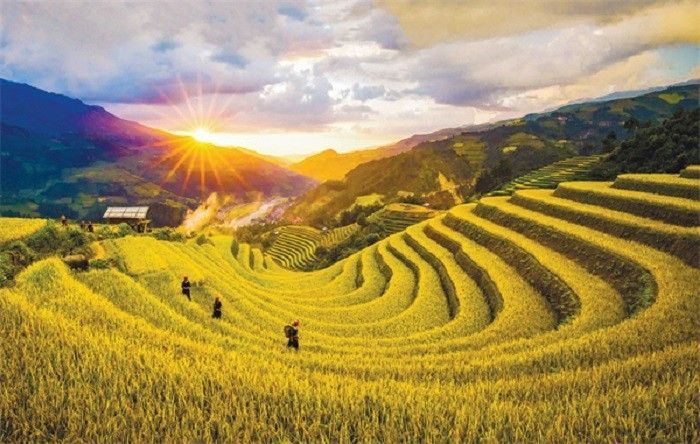
The golden rice season is the most popular period for Mu Cang Chai.
Terraces change from green to yellow before harvesting begins. The exact timing can vary between villages and elevations, so some fields may already be harvested while others remain green.
Travelers planning photography-focused journeys should remain flexible and confirm current agricultural conditions locally.
FTV’s guide to the best times to visit Vietnam’s rice terraces provides a broader comparison of destinations and seasons.
Stay Overnight Rather Than Passing Through
Many travelers treat Mu Cang Chai as a scenic road between Hanoi and another destination. However, spending two or three nights makes it possible to:
- Photograph sunrise and sunset
- Walk through villages
- Visit multiple terrace areas
- Avoid rushing through mountain roads
- Experience local food
- Stay in a homestay or rural lodge
Accommodation ranges from simple guesthouses and homestays to properties with private rooms and mountain views.
See FTV’s selection of places to stay in Mu Cang Chai.
Mu Cang Chai or Sapa?
| Mu Cang Chai | Sapa |
|---|---|
| More focused on rice terraces and road scenery | Wider variety of tourist services |
| Generally quieter outside harvest season | Easier to reach by train and bus |
| Fewer luxury accommodation options | Larger range of hotels and resorts |
| Strong photography appeal | Strong trekking and cultural-tour infrastructure |
| Best for a road journey | Suitable for independent first-time visitors |
Travelers with enough time can combine both destinations, but the journey should not be compressed into only a few days.
FTV Local Insight
The terraces are working agricultural land, not a photography set.
Do not walk into fields without permission, block farming paths or use drones close to homes and people. A local guide can help identify safe viewpoints while supporting the community.
Recommended time: 3–4 days
Best for: Photography, rice terraces, road trips and rural landscapes
Related guide:
The Most Beautiful Rice Fields in Vietnam
11. Explore Cat Ba Island Beyond the Beachfront
Cat Ba is the largest island in the Ha Long–Lan Ha Bay area and one of Northern Vietnam’s most varied adventure destinations.
Many visitors see only Cat Ba Town or use the island as a departure point for a Lan Ha Bay cruise. However, the wider island contains national-park forest, caves, coastal roads, fishing communities, viewpoints and cycling routes.
Trek in Cat Ba National Park
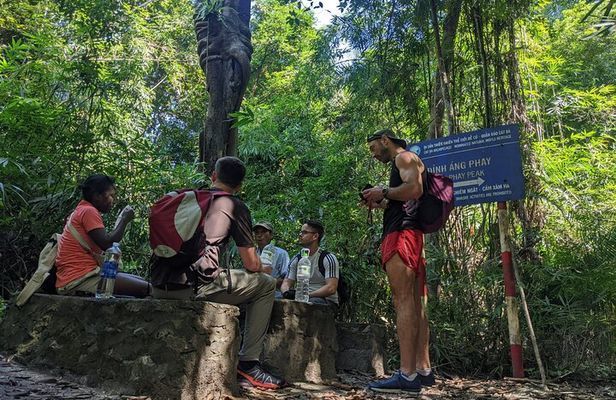
Cat Ba National Park contains forest trails of different lengths and difficulty levels.
Shorter routes lead to viewpoints, while longer walks may pass through forested areas toward Viet Hai Village.
Conditions can be hot and humid. Trails may become slippery after rain, so travelers should carry water and wear footwear with proper grip.
Wildlife should be observed from a distance, and visitors should avoid playing loud music or leaving the marked route without a guide.
Cycle Around Viet Hai Village
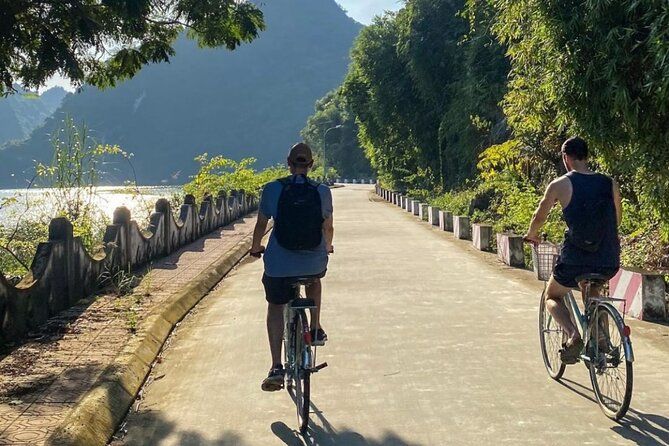
Viet Hai is a small community located within the national-park landscape and commonly reached by boat from Lan Ha Bay.
Cycling through the valley provides a gentle contrast to the limestone seascape. Travelers can observe local homes, forest-covered mountains and rural activity.
The village is included in several cruise itineraries, but independent or private arrangements may allow more time than a short scheduled stop.
Kayak in Lan Ha Bay
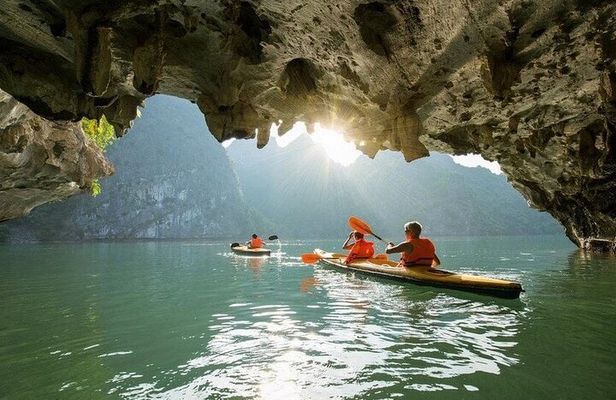
Lan Ha Bay contains sheltered areas, limestone formations and smaller coves suitable for kayaking.
Depending on the route, travelers may paddle around:
- Limestone islands
- Floating communities
- Cave entrances
- Small beaches
- Sheltered lagoons
Conditions depend on tides, weather and boat traffic. Follow the designated route and instructions from the guide or cruise crew.
Discover Hospital Cave
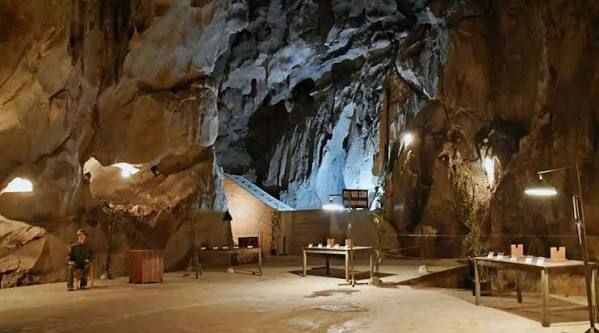
Hospital Cave was used during the war period and contains a multi-level internal structure built inside a limestone mountain.
A visit offers historical context that differs from Cat Ba’s natural attractions. The site can be combined with a scenic drive across the island.
Take a Cat Ba or Lan Ha Bay Cruise

Travelers can choose among:
- Half-day excursions
- Full-day boat trips
- Private boats
- Overnight cruises
- Kayaking-focused trips
- Cruise-and-cycling itineraries
Compare the route, boat condition, group size and included activities rather than choosing only by price.
FTV provides a selection of Cat Ba and Lan Ha Bay cruise experiences.
Stay Overnight on the Island
Staying one or two nights makes it possible to combine the national park with a bay journey.
Cat Ba Town has the widest range of restaurants and hotels, while quieter properties can be found in other parts of the island.
Travelers can compare accommodation through FTV’s selection of Cat Ba Island hotels.
FTV Local Insight
Cat Ba should not be treated only as a cheaper gateway to Lan Ha Bay.
The strongest itinerary combines one day on the water with one day on land, including national-park trekking, cycling or village exploration.
Recommended time: 2–4 days
Best for: Kayaking, trekking, cycling and active island travel
Explore:
Cat Ba and Lan Ha Bay Cruises
12. Walk Through the Forest of Cuc Phuong National Park
Cuc Phuong is one of the most accessible national parks from Hanoi and Ninh Binh.
The park protects tropical forest, limestone landscapes and a wide range of plant and animal life. It is a useful addition to a Ninh Binh itinerary for travelers interested in hiking, conservation and nature.
Follow the Forest Trails
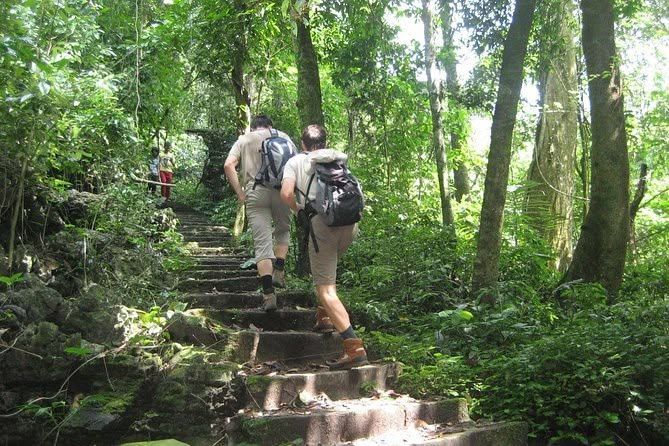
Walking routes range from short trails to longer hikes through dense forest.
Possible experiences include:
- Walking to ancient trees
- Visiting caves
- Exploring botanical areas
- Birdwatching
- Learning about forest ecosystems
- Joining longer guided treks
The forest can be humid, and insects are common. Carry water, wear long lightweight clothing and use suitable insect protection.
Visit Wildlife Conservation Centers

Cuc Phuong is associated with conservation programs for threatened wildlife.
A responsible visit should focus on education and conservation rather than close-contact animal entertainment. Follow staff instructions and avoid flash photography where prohibited.
Experience Butterfly Season

During certain periods, large numbers of butterflies may be visible along forest roads and trails.
The timing and intensity vary according to temperature, rainfall and environmental conditions. It should be considered a seasonal possibility rather than a guaranteed attraction.
Combine Cuc Phuong with Ninh Binh
A practical route is:
- Day 1: Trang An or Tam Coc
- Day 2: Cycling, Hang Mua and Bich Dong
- Day 3: Cuc Phuong National Park
- Day 4: Continue to Pu Luong or return to Hanoi
A private transfer is usually the easiest option because Cuc Phuong lies away from the principal boat-trip area.
FTV Local Insight
Cuc Phuong is a better choice for travelers genuinely interested in forest and conservation than for visitors simply looking for another viewpoint.
Allow a full day, start early and consider using a guide for wildlife, plant and conservation interpretation.
Recommended time: 1–2 days
Best for: Nature, hiking, families and conservation interests
Related guide:
Top Hiking Trails in Vietnam
13. Stay Overnight in a Northern Vietnam Homestay
A homestay can be one of the most meaningful experiences in North Vietnam, but the term covers many different types of accommodation.
Some homestays are traditional family houses with shared facilities. Others are professionally designed guesthouses that use the homestay name but operate more like small hotels.
Neither model is automatically better. Travelers should choose according to comfort requirements and the type of interaction they expect.
Best Places for a Homestay Experience
Strong homestay destinations include:
- Sapa
- Ha Giang
- Ba Be
- Mai Chau
- Pu Luong
- Cao Bang
- Mu Cang Chai
- Hoang Su Phi
Each offers a different setting.
Sapa has the widest range of trekking-based stays. Ha Giang combines homestays with mountain-road journeys. Ba Be offers traditional stilt houses near the lake. Mai Chau is accessible and comfortable for first-time visitors, while Pu Luong provides rural lodges and village trekking.
What to Expect
Depending on the property, a homestay may include:
- A private or shared bedroom
- Shared or ensuite bathrooms
- Family-style meals
- Local rice wine
- Village activities
- Trekking with a local guide
- Cooking experiences
- Traditional architecture
- Limited heating or air conditioning
- Basic internet access
Check the facilities before booking. Mountain winters can be cold, and some traditional houses have limited insulation.
Homestay Etiquette
Respectful behavior includes:
- Removing shoes when requested
- Dressing appropriately in shared family spaces
- Asking before photographing people or interiors
- Keeping noise low at night
- Avoiding excessive alcohol consumption
- Respecting family routines
- Paying fairly for meals, guiding and additional services
- Not entering private rooms without permission
Travelers should also avoid distributing sweets, money or gifts directly to children.
Choose Community Benefit Over Decoration
A beautiful property is not necessarily a responsible property.
Consider:
- Who owns the accommodation?
- Are local people employed?
- Are meals sourced locally?
- Are guides paid fairly?
- Does the property manage water and waste responsibly?
- Does tourism disrupt or support the surrounding community?
These questions are more important than whether the room contains ethnic-style decoration.
FTV Local Insight
The best homestay experience is not always the most traditional-looking one. It is the stay where expectations are clear, the family benefits economically and the interaction remains natural rather than staged.
14. Visit a Traditional Mountain Market
Mountain markets are important social and commercial meeting points for communities across Northern Vietnam.
They are places where residents buy and sell food, livestock, clothing, household goods and agricultural products. They may also provide opportunities for families and friends from different villages to meet.
Bac Ha Market
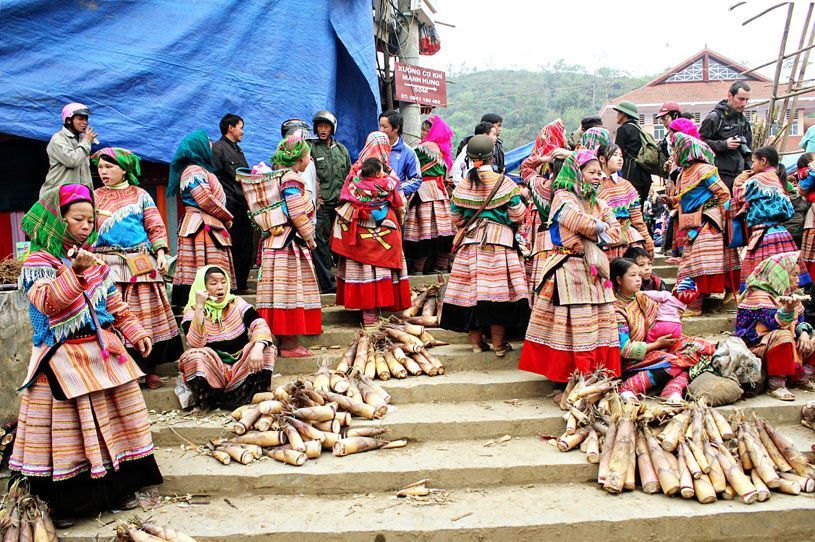
Bac Ha is one of the best-known highland markets.
It is commonly visited from Lao Cai or Sapa and is associated with colorful clothing, local produce, food stalls and trading areas.
Because it is well known, the market also receives tour groups. Arriving early gives travelers a better chance to observe commercial activity before the busiest visitor period.
Dong Van and Meo Vac Markets
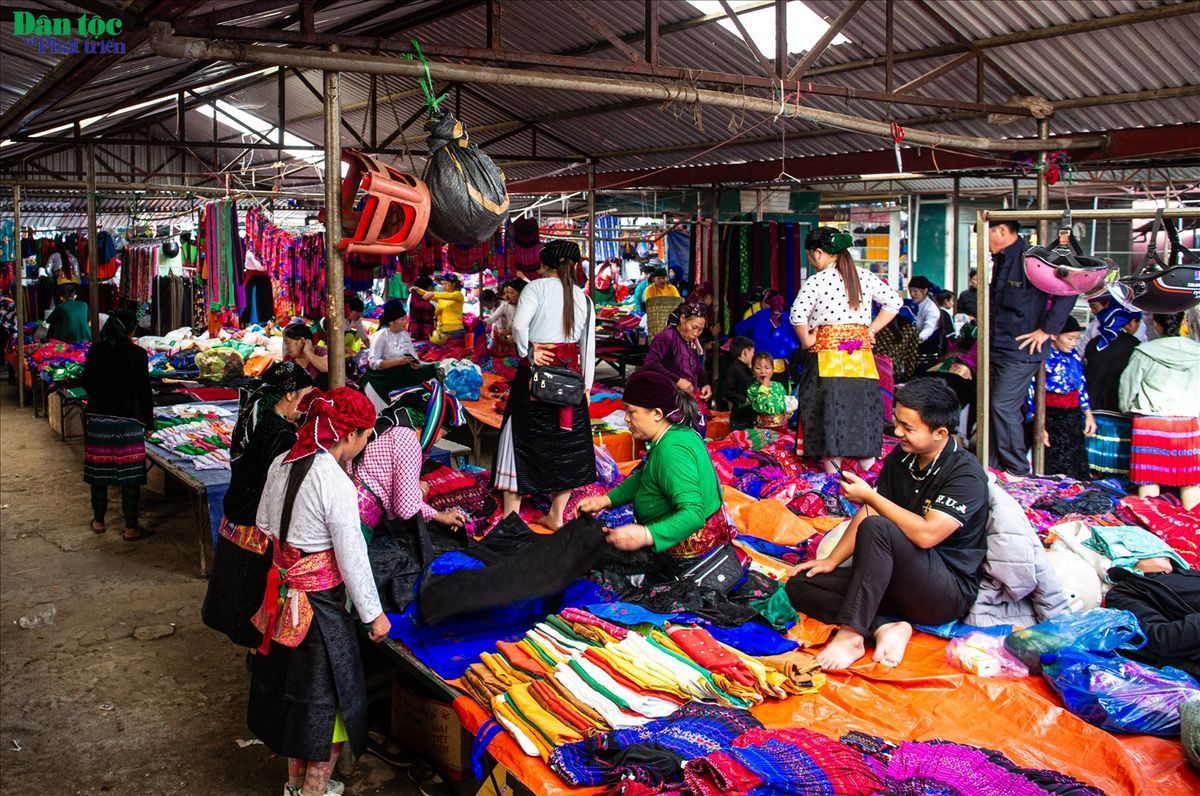
Markets around Dong Van and Meo Vac can be included in a Ha Giang Loop itinerary.
Market schedules may follow weekly or rotating cycles. Local confirmation is essential because dates and locations can vary.
Planning the loop around a market day can add meaningful cultural context, but the route should not force travelers to rush through dangerous mountain roads.
Smaller Rotating Markets
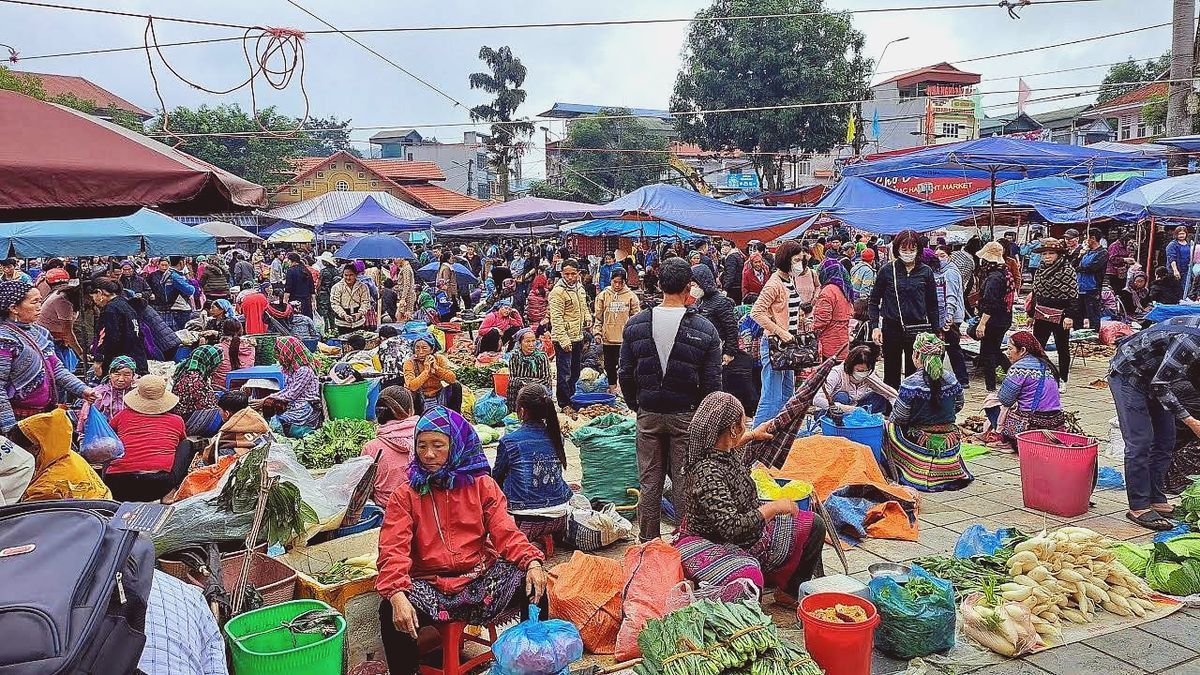
Less-publicized markets operate across Ha Giang, Cao Bang, Lao Cai and other mountain provinces.
These may provide a more local atmosphere but can be difficult to reach without accurate timing and transport.
A local guide can confirm:
- The correct market day
- Starting time
- Road conditions
- Cultural expectations
- Whether the market is suitable for visitors
How to Visit Respectfully
Markets exist primarily for local communities.
Visitors should:
- Ask before photographing individuals
- Avoid blocking pathways
- Do not handle products without permission
- Keep distance from livestock trading
- Avoid photographing sensitive transactions
- Buy directly from local vendors when appropriate
- Do not expect everyone to wear traditional clothing
- Avoid turning ordinary activity into a performance
FTV Local Insight
A mountain market is not automatically authentic simply because it is remote. Some markets have changed due to tourism, while others remain strongly connected to local trade.
The best experience comes from understanding the market’s function, not simply collecting colorful photographs.
15. Experience the Food Culture of Northern Vietnam
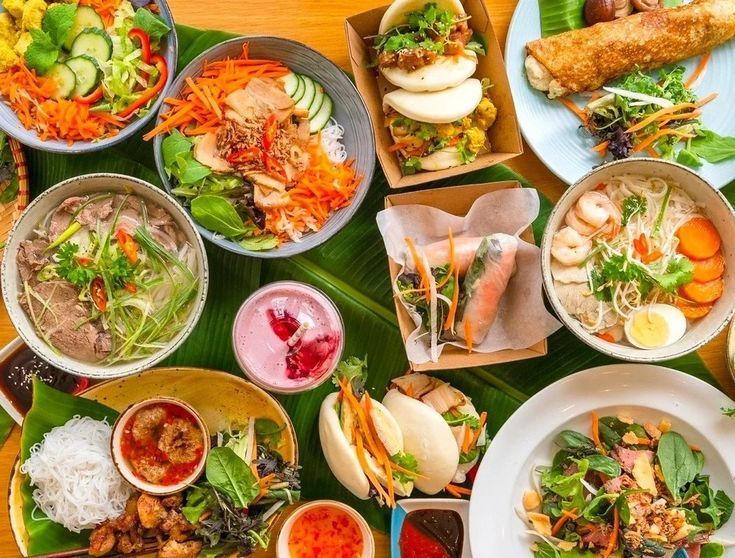
Northern Vietnamese cuisine is generally known for balanced flavors, fresh herbs, broths, grilled foods, rice products and regional ingredients.
Hanoi is the easiest place to explore classic northern dishes, while mountain provinces introduce different cooking methods, herbs, preserved foods and agricultural products.
Try Hanoi’s Classic Dishes
Important Hanoi specialties include:
- Pho
- Bun cha
- Banh cuon
- Cha ca
- Xoi
- Bun thang
- Egg coffee
- Fresh local draft beer
Many traditional restaurants specialize in a single dish.
A guided food walk can help visitors understand ingredients, ordering customs and the difference between businesses aimed at local residents and those designed mainly for tourists.
Eat with a Homestay Family
Homestay meals often reflect available ingredients rather than a fixed restaurant menu.
A family-style meal may include:
- Seasonal vegetables
- Pork or chicken
- Freshwater fish
- Tofu
- Eggs
- Bamboo shoots
- Herbs
- Sticky rice
- Local sauces
- Rice wine
Dietary requirements should be communicated in advance, particularly in remote villages where alternative ingredients may be limited.
Discover Highland Specialties
Mountain dishes vary by province and community.
Travelers may encounter:
- Com lam, rice cooked in bamboo
- Smoked or grilled meat
- Black chicken
- Mountain vegetables
- Five-color sticky rice
- Local sausages
- Corn-based products
- Regional hotpot
- Herbal dishes
- Rice or corn wine
Some foods may be unfamiliar. Travelers should feel free to ask about ingredients before ordering.
Visit a Morning Market
Morning markets provide insight into the ingredients used in regional cooking.
Instead of visiting only to take photographs, travelers can observe how vegetables, herbs, noodles, meat and prepared foods are bought and sold.
A market visit is particularly useful when combined with a cooking class or home meal.
Join a Local Cooking Experience
Cooking experiences are available in Hanoi, Mai Chau, Sapa, Ha Giang and other destinations.
A strong cooking experience should explain:
- Ingredient selection
- Regional food traditions
- Preparation methods
- The role of herbs and sauces
- Family dining customs
- Seasonal variation
Explore FTV’s introduction to food and drinks in Vietnam for more information about regional cuisine.
FTV Local Insight
Do not build a food itinerary only around famous dishes found in travel guides.
Ask guides and hosts what they eat locally, visit businesses that specialize in one dish and try regional food according to the destination rather than expecting the same menu everywhere.
16. Relax in a Traditional Red Dao Herbal Bath
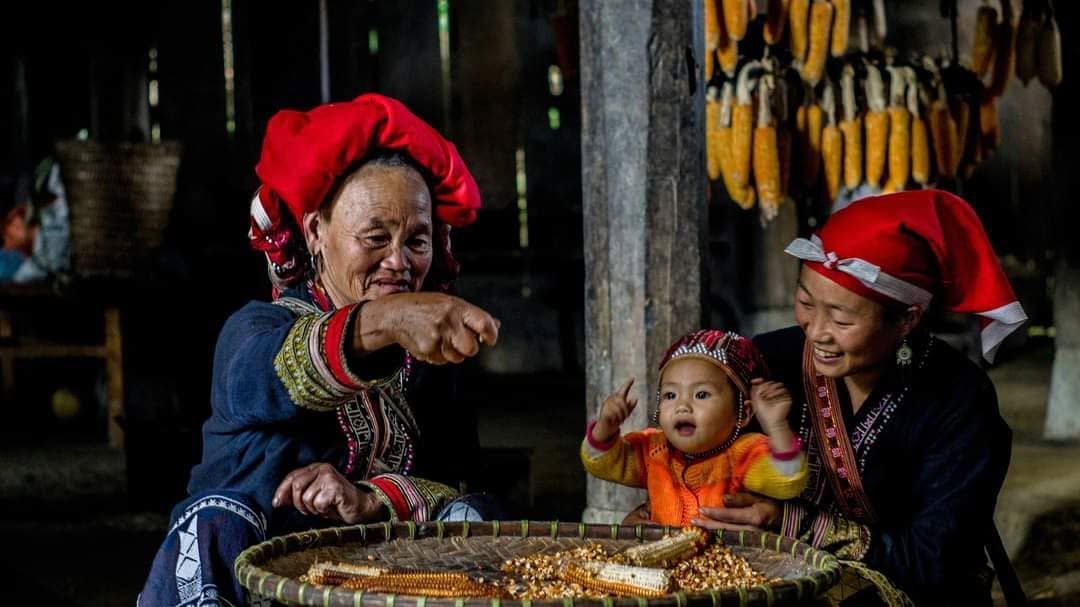
Herbal bathing is closely associated with Red Dao communities around Sapa and surrounding mountain areas.
A mixture of locally known plants is prepared in hot water and used as a bathing treatment, often after trekking or agricultural work.
For visitors, the experience can provide relaxation while introducing a form of traditional community knowledge.
Where to Try a Herbal Bath
Ta Phin is one of the best-known areas for Red Dao herbal-bath experiences.
Options range from simple family-run facilities to more developed spa-style businesses. The strongest experiences are those operated by Red Dao families or community enterprises that retain knowledge and economic benefit locally.
What to Expect
The herbal mixture, preparation and bathing time vary.
Travelers should:
- Follow instructions from the host
- Check the water temperature
- Mention pregnancy, allergies or medical concerns
- Avoid staying in very hot water for too long
- Drink water before and after the bath
- Avoid treating the experience as a guaranteed medical treatment
FTV Local Insight
Choose a locally operated herbal-bath experience rather than a generic spa using ethnic branding. This supports the community that developed and maintains the knowledge behind the practice.
17. Explore Ancient Villages and Craft Communities Near Hanoi
Travelers do not need to travel deep into the mountains to experience rural and craft traditions.
Several villages around Hanoi can be visited as half-day or full-day excursions. They provide an effective addition to a Hanoi itinerary and are particularly suitable for families, repeat visitors and travelers with limited time.
Bat Trang Pottery Village

Bat Trang is known for ceramic production.
Visitors can explore shops, observe pottery work and join hands-on workshops. The most rewarding visits go beyond the central retail area and include explanations of production methods and village history.
Duong Lam Ancient Village
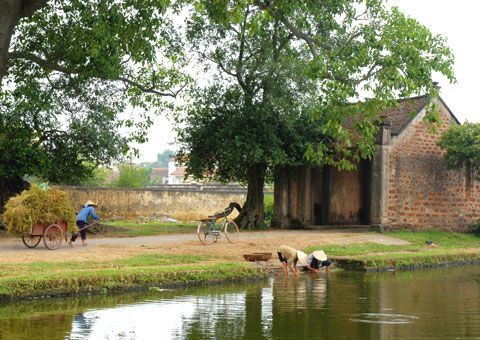
Duong Lam is known for traditional houses, village gates, communal architecture and narrow lanes.
Walking or cycling provides a more appropriate pace than moving quickly between individual monuments.
Remember that many historic houses remain private family homes. Ask before entering or photographing interiors.
Van Phuc Silk Village
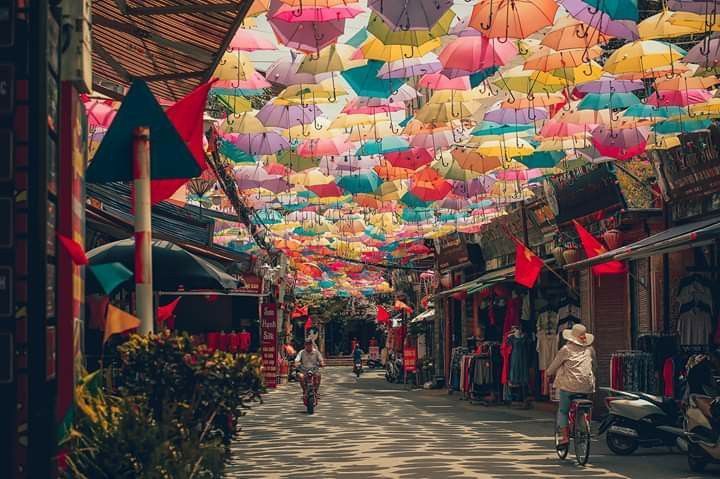
Van Phuc is associated with silk weaving and textile production.
The village is relatively easy to reach from central Hanoi. Visitors can learn about weaving techniques and compare locally produced goods with mass-manufactured souvenirs.
Combine Crafts with Rural Cycling
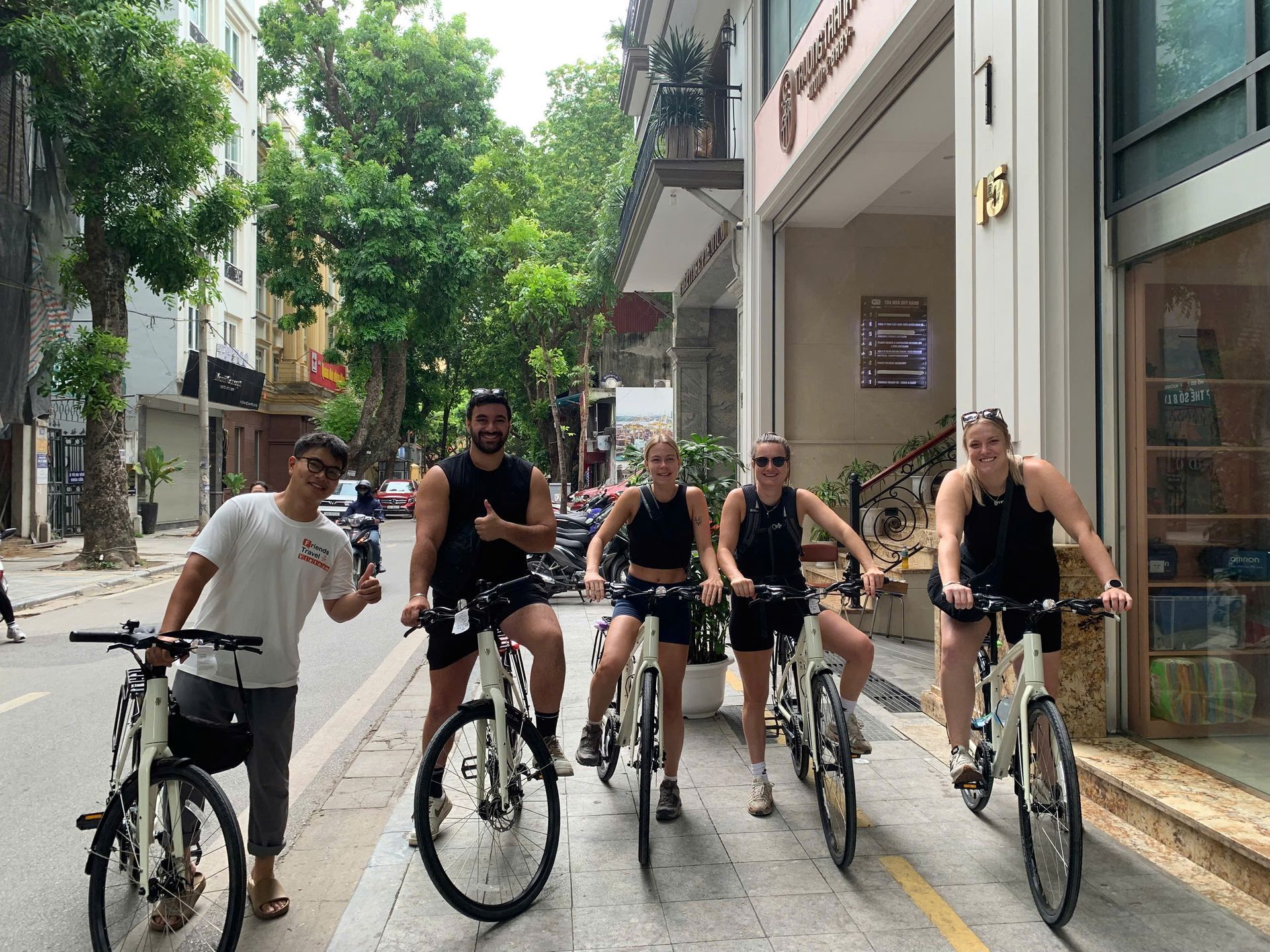
A private countryside route can combine:
- Village architecture
- Agricultural land
- Local temples
- Traditional workshops
- Family-run meals
- Cycling
- Market visits
This provides an alternative to standard city sightseeing and can be adapted to different physical abilities.
FTV Local Insight
Craft villages vary greatly in authenticity and commercialization.
The best experience includes meeting working artisans and understanding the production process rather than spending the entire visit in souvenir shops.
18. Discover Northern Vietnam’s Waterfalls and Hidden Valleys
Northern Vietnam contains many waterfalls, but conditions vary significantly by season.
A waterfall that is powerful during the rainy period may be much smaller during the dry season. Heavy rain can also create dangerous currents, landslides and slippery access paths.
Notable Waterfalls
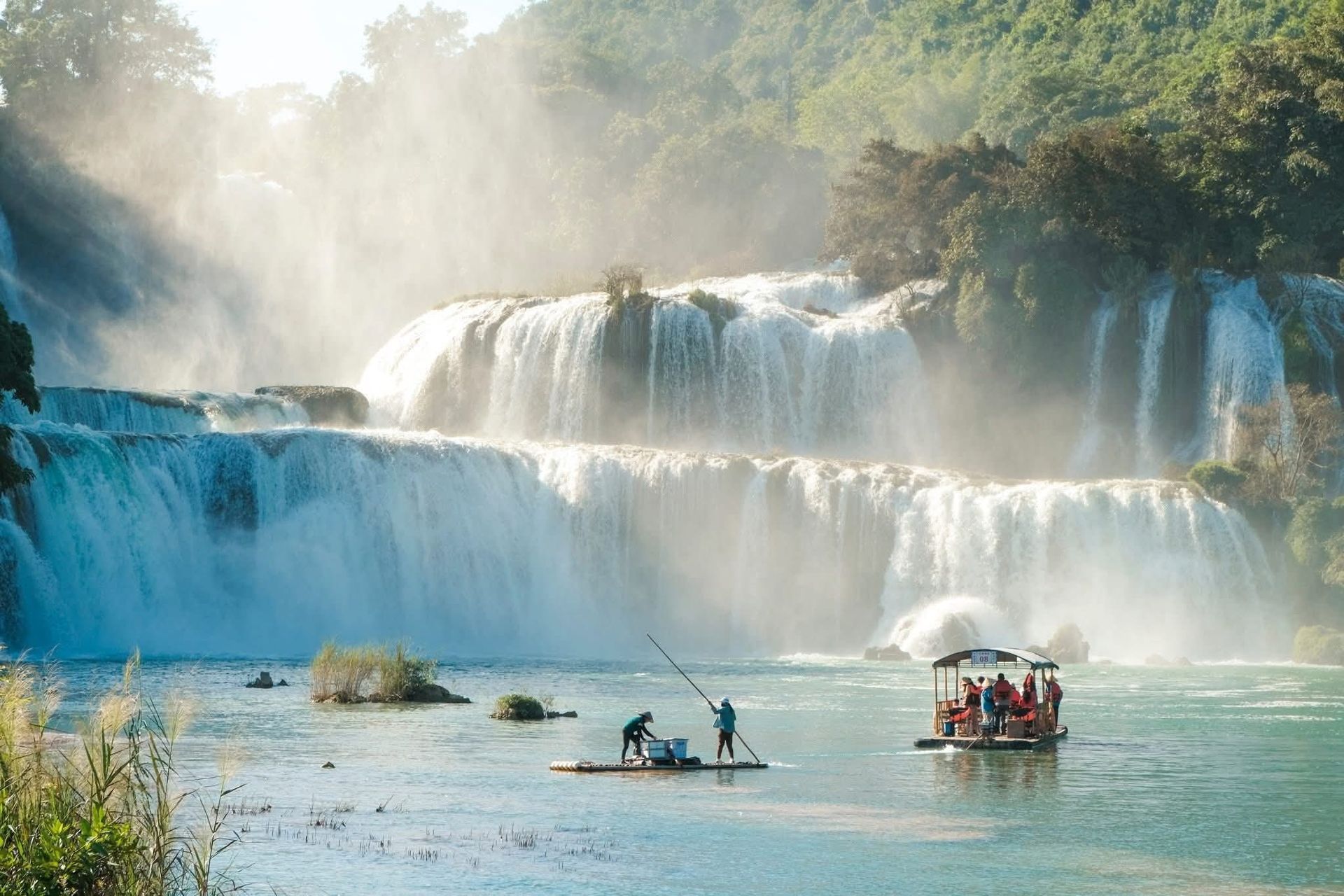
Travelers may consider:
- Ban Gioc Waterfall in Cao Bang
- Hieu Waterfall in Pu Luong
- Dau Dang Waterfall near Ba Be
- Silver Waterfall near Sapa
- Love Waterfall near Sapa
- Go Lao Waterfall near Mai Chau
Each waterfall should be included within a wider regional itinerary rather than treated as an isolated destination.
Hidden Valleys Worth Exploring
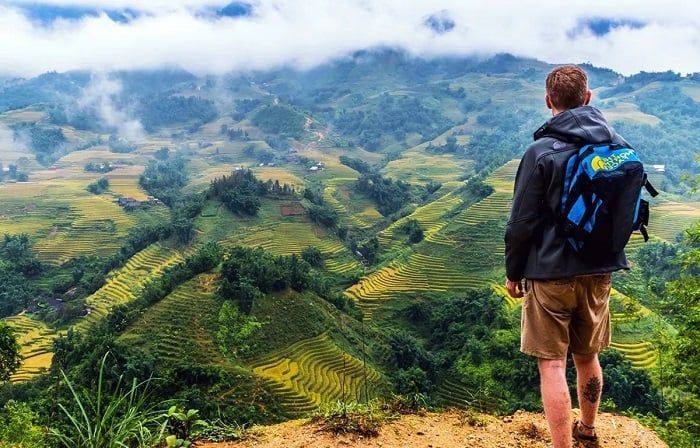
Some of the north’s most rewarding scenery lies in valleys outside major towns.
Examples include:
- Phong Nam in Cao Bang
- Muong Hoa near Sapa
- Kho Muong in Pu Luong
- Mai Chau Valley
- Du Gia in Ha Giang
- Hoang Su Phi’s terrace areas
- Rural valleys around Mu Cang Chai
Travelers should avoid labeling every rural location a “hidden gem.” Many places are homes and agricultural areas, even when they receive few tourists.
Safety Around Waterfalls
Before swimming or approaching a waterfall:
- Ask local people about current conditions
- Avoid entering water after heavy rain
- Do not climb wet rock faces
- Keep away from strong currents
- Wear suitable footwear
- Follow warning signs
- Do not leave valuables unattended
- Avoid jumping into unknown pools
FTV Local Insight
Seasonal conditions matter more than online photographs. Ask for current local information before making a long detour specifically for a waterfall.
19. Experience the Journey by Train and Scenic Mountain Road
In North Vietnam, transport can be part of the travel experience.
The region includes overnight trains, mountain passes, rural roads and long journeys through changing landscapes. However, distances that appear short on a map may take considerably longer due to road conditions and terrain.
Take the Night Train Toward Lao Cai
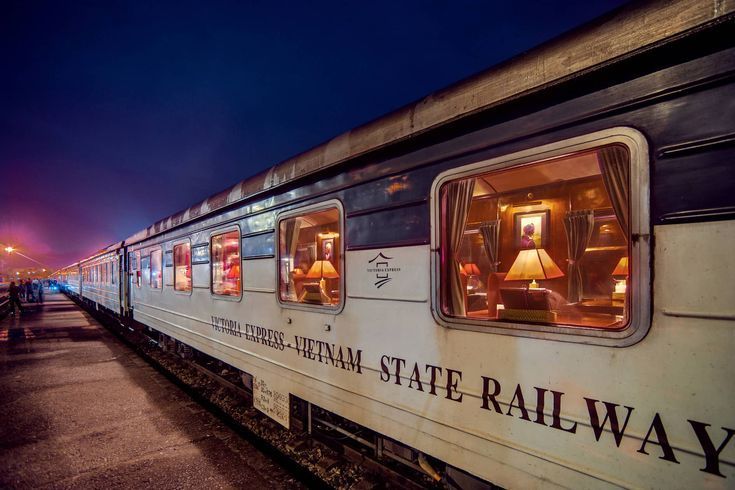
The Hanoi–Lao Cai railway is commonly used by travelers visiting Sapa.
An overnight train can save daytime travel hours and offers a more traditional journey than a bus. From Lao Cai Station, travelers continue by road to Sapa or other mountain areas.
Cabin standards vary, so check whether the booking is for a shared berth, private compartment or upgraded tourist carriage.
Travel by Limousine Van
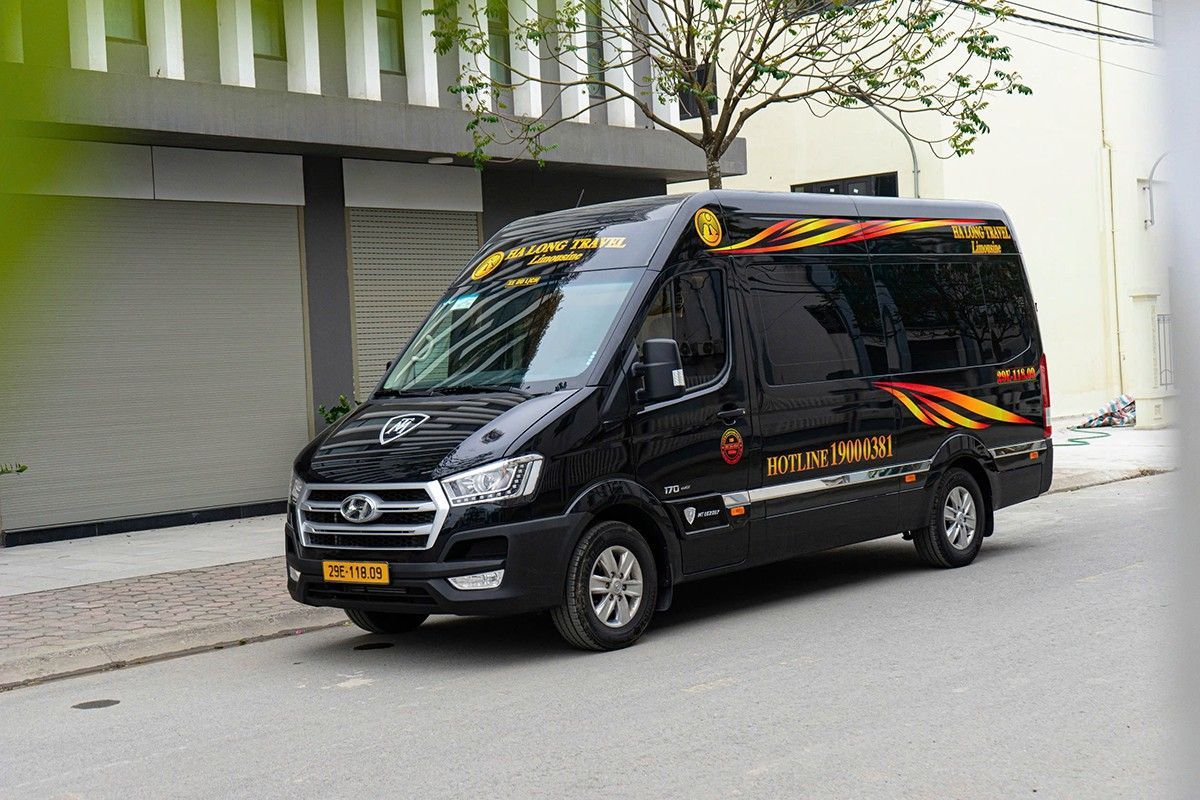
Limousine vans operate on many popular routes, including:
- Hanoi to Ninh Binh
- Hanoi to Sapa
- Hanoi to Ha Long
- Hanoi to Mai Chau
- Hanoi to Ha Giang
They are generally faster and more comfortable than basic local buses, but pickup and arrival times may vary due to traffic and multiple passenger stops.
Use a Private Car for Multi-Destination Routes

Private transport is particularly useful when combining:
- Mai Chau, Pu Luong and Ninh Binh
- Ba Be and Cao Bang
- Ha Giang villages
- Ninh Binh and Cuc Phuong
- Remote mountain markets
- Family travel with luggage
A private car allows flexible stops and avoids repeated transfers. It does not eliminate long driving times, so the itinerary should still remain realistic.
Learn more through FTV’s guide to transportation options in Vietnam or view its private transportation services.
Consider an Easy Rider Journey
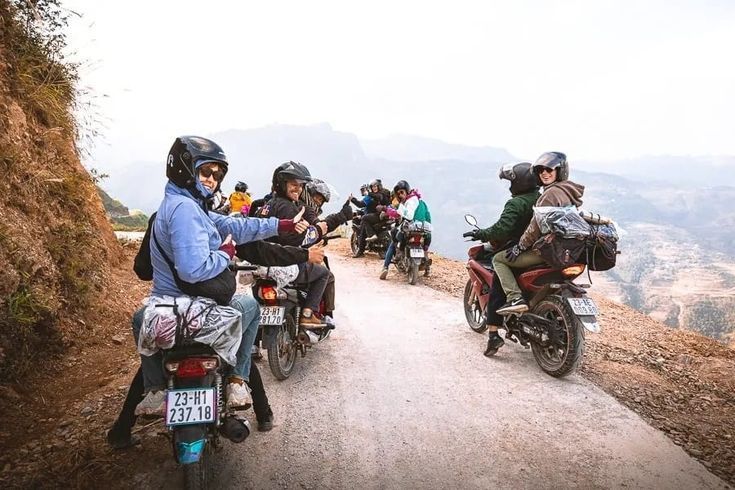
An Easy Rider journey allows the traveler to sit behind an experienced local motorbike driver.
This style is suitable for adventurous travelers who want open-air mountain travel but do not have the experience or documents to ride independently.
FTV provides Northern Vietnam Easy Rider tours.
Do Not Underestimate Mountain Roads
Road journeys can be affected by:
- Rain
- Fog
- Roadworks
- Landslides
- Slow vehicles
- Sharp bends
- Local traffic
- Holiday congestion
Avoid planning an important flight or international connection immediately after a long mountain transfer.
FTV Local Insight
A good Northern Vietnam itinerary is not measured by how many destinations it includes. It is measured by how comfortably the route connects them.
Travel fewer kilometers and spend more time in each destination.
20. Design a Tailor-Made North Vietnam Journey
North Vietnam can be difficult to plan because its major destinations are spread across different directions from Hanoi.
Sapa and Mu Cang Chai lie to the northwest. Ha Giang is in the far north. Ba Be and Cao Bang form a northeastern route. Ha Long and Cat Ba are east of Hanoi, while Ninh Binh, Mai Chau and Pu Luong lie to the south and southwest.
Trying to include all of them in one short trip creates unnecessary road travel.
Choose One or Two Geographic Clusters
Efficient destination combinations include:
Classic Northern Vietnam
- Hanoi
- Ninh Binh
- Ha Long, Lan Ha or Bai Tu Long Bay
Mountain Culture and Trekking
- Hanoi
- Sapa
- Bac Ha or Mu Cang Chai
Ha Giang Adventure
- Hanoi
- Ha Giang Loop
- Hoang Su Phi when time permits
Rural Slow Travel
- Hanoi
- Mai Chau
- Pu Luong
- Ninh Binh
Northeast Nature Journey
- Hanoi
- Ba Be
- Cao Bang
- Ban Gioc Waterfall
Island and Bay Adventure
- Hanoi
- Cat Ba Island
- Lan Ha Bay
Match the Route to Your Interests
A tailor-made itinerary can prioritize:
- Trekking
- Cycling
- Food
- Photography
- Family travel
- Luxury accommodation
- Community homestays
- Motorbike adventure
- Wildlife and conservation
- Cruise experiences
- Cultural markets
- Slow travel
Travelers can explore FTV’s Northern Vietnam tours and trips or submit their dates and interests through Design My Trip.
FTV Local Insight
Start with the experience you want rather than a list of famous destinations.
A traveler interested in mountain roads may prefer Ha Giang. A family may be more comfortable in Hanoi, Ninh Binh and Mai Chau. A couple may choose a boutique bay cruise and Pu Luong lodge, while a photographer may prioritize Mu Cang Chai or Hoang Su Phi.
Best Things to Do in North Vietnam by Travel Style
Different destinations suit different travelers. Use the following suggestions as a starting point rather than a fixed itinerary.
Best for First-Time Visitors
A first journey should balance culture, landscape and manageable transport.
Recommended destinations:
- Hanoi
- Ninh Binh
- Ha Long, Lan Ha or Bai Tu Long Bay
- Sapa or Ha Giang
A seven- to ten-day itinerary is usually sufficient for three or four of these areas.
Best for Couples
Couples may prefer:
- A small overnight bay cruise
- A countryside bungalow in Ninh Binh
- A Pu Luong eco-lodge
- A private Ha Giang journey
- A village stay in Sapa
- A food experience in Hanoi
Avoid moving accommodation every night. Two- and three-night stays create a more relaxed journey.
Best for Families
Family-friendly destinations include:
- Hanoi
- Ninh Binh
- Mai Chau
- Ha Long Bay
- Cat Ba
- Cuc Phuong National Park
Private transport is often useful for families with young children. Select accommodation with confirmed room configurations, heating or air conditioning and suitable meal options.
Best for Adventure Travelers
Top adventure experiences include:
- The Ha Giang Loop
- Multi-day trekking in Sapa
- Kayaking in Ba Be
- Cat Ba National Park
- Lan Ha Bay kayaking
- Mu Cang Chai road trips
- Hiking in Cao Bang
- Northern Vietnam Easy Rider journeys
Difficulty and risk should be evaluated realistically. Mountain weather and road conditions can change quickly.
Best for Photographers
Photography-focused destinations include:
- Mu Cang Chai
- Hoang Su Phi
- Ha Giang
- Ninh Binh
- Cao Bang
- Ba Be
- Lan Ha Bay
- Sapa
Sunrise and sunset opportunities often require staying overnight rather than joining a day trip.
Best for Non-Touristy Experiences
Travelers looking beyond the most visited destinations should consider:
- Ba Be
- Cao Bang
- Hoang Su Phi
- Remote villages in Ha Giang
- Pu Luong
- Mu Cang Chai outside harvest weekends
- Smaller market towns
“Non-touristy” does not mean that communities exist for unrestricted exploration. Respect privacy and use local guides where appropriate.
How Many Days Do You Need in North Vietnam?
The ideal duration depends on whether the trip focuses on cities, bays, mountains or remote villages.
3 Days in North Vietnam
Three days are enough for only one short regional experience.
Good options include:
Option 1: Hanoi and Ninh Binh
- Day 1: Hanoi
- Day 2: Ninh Binh
- Day 3: Hanoi
Option 2: Hanoi and an Overnight Bay Cruise
- Day 1: Hanoi
- Day 2: Travel to the bay and board the cruise
- Day 3: Return to Hanoi
Option 3: Mai Chau
- Day 1: Hanoi to Mai Chau
- Day 2: Cycling and village experience
- Day 3: Return to Hanoi
Do not attempt Ha Giang, Sapa, Ninh Binh and Ha Long Bay within three days.
5 Days in North Vietnam
A five-day journey can combine Hanoi with two nearby destinations.
Suggested itinerary:
- Day 1: Hanoi
- Day 2: Hanoi
- Day 3: Ninh Binh
- Day 4: Overnight bay cruise
- Day 5: Return to Hanoi
Alternatively, dedicate all five days to Ha Giang or Sapa and Hanoi.
7 Days in North Vietnam
Seven days provide a strong introduction.
Classic Route
- Days 1–2: Hanoi
- Days 3–4: Ninh Binh
- Days 5–6: Ha Long, Lan Ha or Bai Tu Long Bay
- Day 7: Hanoi
Mountain Route
- Days 1–2: Hanoi
- Days 3–6: Ha Giang
- Day 7: Hanoi
Rural Route
- Days 1–2: Hanoi
- Days 3–4: Mai Chau
- Days 5–6: Pu Luong
- Day 7: Return
10 Days in North Vietnam
Ten days allow a combination of iconic and rural experiences.
Suggested itinerary:
- Days 1–2: Hanoi
- Days 3–4: Ninh Binh
- Days 5–6: Bay cruise
- Days 7–9: Sapa
- Day 10: Hanoi
Adventure travelers could replace Sapa and the bay with a four- or five-day Ha Giang journey.
14 Days in North Vietnam
Two weeks provide enough time for a deeper regional journey.
Example itinerary:
- Days 1–2: Hanoi
- Days 3–4: Mai Chau
- Days 5–6: Pu Luong
- Days 7–8: Ninh Binh
- Days 9–10: Bay cruise
- Days 11–13: Sapa
- Day 14: Hanoi
Another option is to focus on the northeast:
- Hanoi
- Ha Giang
- Ba Be
- Cao Bang
- Ninh Binh
The route should be checked carefully to avoid excessive driving.
Best Time to Visit North Vietnam
North Vietnam has four broadly recognizable seasons, but weather varies considerably between Hanoi, the coast and high mountain areas.
Conditions also change from year to year, so seasonal information should be used as guidance rather than a guarantee.
Spring: March to April
Spring often brings mild or warm conditions, increasing humidity and changing visibility.
Potential advantages include:
- Comfortable trekking temperatures
- Spring flowers in some mountain areas
- Green agricultural landscapes
- Suitable conditions for Hanoi and Ninh Binh
Mist and light rain remain possible, particularly in the mountains and coastal bays.
Early Summer: May to June
Temperatures rise, and rainfall becomes more frequent.
This period may offer:
- Water-filled rice terraces
- Green mountain landscapes
- Stronger waterfalls
- Fewer visitors than autumn harvest periods
Travelers should prepare for heat, humidity and short heavy showers.
Summer: July to August
Summer is generally hot and wet across much of the north.
Advantages include lush scenery and active waterfalls. However, risks may include:
- Heavy rain
- Flooding
- Landslides
- Delayed transport
- Slippery trekking routes
- Reduced mountain visibility
- Cruise changes during severe weather
Maintain flexibility when traveling in remote areas.
Autumn: September to November
Autumn is one of the most popular periods for Northern Vietnam.
Depending on destination and timing, travelers may experience:
- Golden rice terraces
- Clearer mountain views
- Lower humidity
- Comfortable Hanoi weather
- Good trekking conditions
Harvest timing differs among Sapa, Mu Cang Chai, Pu Luong and Hoang Su Phi.
Winter: December to February
Hanoi and the lowlands can feel cool and damp. High mountain areas may become significantly colder.
Travelers should bring:
- Warm layers
- A wind-resistant jacket
- Rain protection
- Suitable trekking shoes
- Warm sleepwear for homestays
Winter can provide atmospheric mist and fewer visitors, but views are not guaranteed.
For monthly regional information, consult FTV’s
Vietnam weather guide.
How to Get Around North Vietnam
Choosing the right transport is central to a successful itinerary.
Private Car
Best for:
- Families
- Couples
- Small groups
- Remote routes
- Travelers with luggage
- Multi-destination journeys
- Photography trips
Private cars provide flexibility but may cost more than buses or trains.
Limousine Van
Best for:
- Popular intercity routes
- Mid-range budgets
- Travelers wanting more comfort than a local bus
Confirm the actual pickup point and whether the service includes hotel collection.
Train
Useful routes include:
- Hanoi to Lao Cai
- Hanoi to Ninh Binh
- Hanoi to Hai Phong
Train travel can be comfortable and scenic but does not reach Ha Giang, Cao Bang, Ba Be or the principal bay ports directly.
Bus
Buses connect Hanoi with most major northern provinces.
They are economical but may involve:
- Multiple pickups
- Unclear arrival points
- Limited English communication
- Long travel times
- Night arrivals
Motorbike
Motorbike travel offers freedom but carries substantial responsibility.
Riders should have:
- Appropriate experience
- A legally valid license
- Insurance that covers the vehicle
- Protective equipment
- Knowledge of local road conditions
- A realistic daily distance
Unexperienced riders should consider an Easy Rider or private car.
Explore the full range of
Vietnam transportation options.
Where to Stay in North Vietnam
Accommodation in Northern Vietnam ranges from city hotels and cruise cabins to mountain homestays and eco-lodges.
Hanoi
Choose between:
- Old Quarter hotels for walkability
- French Quarter properties for a quieter central location
- West Lake hotels for more space
- Boutique hotels for couples
- Apartments for longer stays
Mountain Regions
Options include:
- Family homestays
- Trekking lodges
- Small hotels
- Eco-lodges
- Private bungalows
- Resorts near Sapa
Check heating during winter and air conditioning during summer.
Ninh Binh, Mai Chau and Pu Luong
Rural bungalows and lodges provide the strongest atmosphere.
Consider:
- Distance from the main road
- Bicycle access
- Restaurant availability
- View
- Pool season
- Transport arrangements
- Noise from nearby construction or events
Bay Cruises
The cabin is part of the accommodation experience.
Compare:
- Cabin size
- Window or balcony
- Private bathroom
- Deck level
- Triple and family configurations
- Included meals
- Route
- Boat capacity
Ba Be and Cao Bang
Homestays provide local atmosphere, while hotels offer more predictable facilities.
Carry cash in remote areas and confirm whether meals are available.
Travelers can browse FTV’s selected Northern Vietnam hotels and accommodations.
Responsible Travel Tips for North Vietnam
Northern Vietnam’s landscapes and communities are increasingly affected by tourism.
Responsible travel requires more than avoiding plastic. It also means respecting local decision-making, culture, privacy and economic rights.
Ask Before Taking Photographs
Do not assume that traditional clothing, markets or rural life can be photographed without permission.
Ask first, especially when photographing:
- Children
- Elderly people
- Religious activity
- Private homes
- Ceremonies
- Market transactions
- People at work
Support Locally Owned Businesses
Choose:
- Local guides
- Family homestays
- Independent restaurants
- Community workshops
- Locally made products
- Small-group experiences
Ask whether handicrafts are genuinely produced locally.
Reduce Waste
Carry:
- A reusable water bottle
- A small reusable bag
- Refillable toiletries
- A portable waste bag on treks
Do not leave tissues, bottles or food packaging on trails.
Respect Agricultural Land
Rice terraces, vegetable fields and forests are working environments.
Do not:
- Walk across crops
- Climb irrigation structures
- Block farm paths
- Fly drones close to homes
- Pick plants
- Move agricultural tools
- Enter livestock areas without permission
Dress Appropriately
Modest clothing is recommended in:
- Temples
- Pagodas
- Family homes
- Traditional villages
- Ceremonial spaces
Avoid Giving Money to Children
Direct giving can encourage begging and disrupt school attendance.
Support community projects, local schools or responsible organizations through appropriate channels instead.
Use Water and Energy Carefully
Remote accommodation may have limited water, electricity and waste-management infrastructure.
Keep showers reasonable, switch off heating and air conditioning when leaving and avoid requesting unnecessary daily linen changes.
Explore Vietnam by Region
Vietnam’s three principal regions offer very different landscapes, climates and cultural experiences.
Connecting the regional guides helps travelers build a complete itinerary without forcing too many distant places into one journey.
Things to Do in North Vietnam
North Vietnam is best known for:
- Hanoi’s history and street food
- Ha Long, Lan Ha and Bai Tu Long Bay
- Sapa’s trekking routes
- The Ha Giang Loop
- Ninh Binh’s rivers and limestone mountains
- Mai Chau and Pu Luong
- Ba Be and Cao Bang
- Ethnic communities and mountain markets
This region is strongest for trekking, mountain scenery, cultural experiences, road journeys and limestone landscapes.
Things to Do in Central Vietnam
Central Vietnam combines imperial history, preserved trading towns, caves, beaches and countryside.
Major experiences include:
- Exploring Hue’s Imperial City
- Walking through Hoi An Ancient Town
- Relaxing on Da Nang’s beaches
- Discovering the caves of Phong Nha
- Traveling through the Hai Van Pass
- Visiting traditional fishing and farming communities
- Exploring Quy Nhon and less-developed coastal areas
Continue planning with the guide to the best things to do in Central Vietnam.
Things to Do in South Vietnam
South Vietnam offers urban energy, river life, tropical landscapes and islands.
Important experiences include:
- Exploring Ho Chi Minh City
- Traveling through the Mekong Delta
- Staying in a riverside homestay
- Visiting Ben Tre and Can Tho
- Relaxing on Phu Quoc
- Discovering Con Dao
- Exploring Mui Ne and the southern coast
Read the complete guide to the best things to do in South Vietnam.
Complete Vietnam Travel Guide
Travelers planning a multi-region journey can compare destinations through FTV’s guide to the best things to do in Vietnam.
Frequently Asked Questions About North Vietnam
What are the best things to do in North Vietnam?
The best experiences include exploring Hanoi, taking an overnight cruise in Ha Long or Lan Ha Bay, trekking in Sapa, traveling the Ha Giang Loop, taking a boat trip in Ninh Binh and staying in a local homestay.
Travelers with more time should also consider Pu Luong, Ba Be, Cao Bang, Cat Ba and Mu Cang Chai.
How many days do you need in North Vietnam?
Seven days are enough for a basic journey through Hanoi, Ninh Binh and a limestone bay.
Ten to fourteen days are better for combining the classic destinations with Sapa, Ha Giang or a rural area.
Travelers interested in remote mountain routes may spend two or three weeks entirely in the north.
Is North Vietnam worth visiting?
Yes. North Vietnam offers some of the country’s most varied landscapes, including mountains, rice terraces, forests, limestone bays, river valleys and historic cities.
It is particularly rewarding for travelers interested in trekking, local culture, photography and overland journeys.
Is Sapa or Ha Giang better?
Sapa is easier to reach and offers a wider range of hotels, trekking routes and tourism services.
Ha Giang provides more dramatic road scenery and a stronger sense of remote mountain travel.
Choose Sapa for trekking and convenience. Choose Ha Giang for a multi-day road journey and rugged landscapes.
Is Ha Long Bay or Lan Ha Bay better?
Ha Long Bay is the most famous area and offers the widest choice of cruises.
Lan Ha Bay is well suited to kayaking, swimming and itineraries connected with Cat Ba Island.
The quality of the route and boat is more important than the bay name alone.
Is Ninh Binh worth staying overnight?
Yes. Staying one or two nights allows travelers to visit boat routes and viewpoints outside the busiest day-trip hours.
It also creates time for cycling, rural accommodation and visits to less-crowded areas.
What are the best non-touristy places in North Vietnam?
Consider:
- Ba Be
- Cao Bang
- Hoang Su Phi
- Pu Luong
- Mu Cang Chai
- Remote parts of Ha Giang
- Smaller ethnic markets
Visitor numbers vary seasonally, and no destination remains completely undiscovered.
Is North Vietnam suitable for families?
Yes, particularly Hanoi, Ninh Binh, Mai Chau, Ha Long Bay, Cat Ba and Cuc Phuong.
Families should use realistic transfer times, select suitable accommodation and avoid overly demanding mountain schedules.
Is it safe to ride a motorbike in North Vietnam?
Motorbike travel involves significant risk, especially on mountain roads.
Only experienced riders with the correct license, insurance and protective equipment should ride independently. Other travelers should use an Easy Rider, private car or organized transport.
What should I pack for North Vietnam?
Useful items include:
Lightweight layers
- Warm clothing for mountain winters
- Rain jacket
- Comfortable walking shoes
- Sun protection
- Insect repellent
- Reusable water bottle
- Small daypack
- Cash
- Personal medication
- Waterproof protection for electronics
What is the best month to visit North Vietnam?
There is no single best month for every destination.
September to November is popular for trekking and autumn landscapes. March and April can be comfortable for cultural and outdoor travel. Winter is cooler, while summer provides green landscapes but more rain.
The correct period depends on whether the priority is rice terraces, trekking, cruising or cultural travel.
Plan Your North Vietnam Journey with Friends Travel Vietnam
North Vietnam should not be experienced as a checklist.
The region is too geographically varied, and its most meaningful experiences require time. A short walk with a local guide, a family meal, a quiet morning beside Ba Be Lake or an unplanned stop along a mountain road may become more memorable than visiting another famous viewpoint.
The strongest itinerary is the one that matches your interests, physical ability, comfort requirements and available time.
Friends Travel Vietnam is a Hanoi-based inbound tour operator that has been creating journeys in Vietnam since 2013. Our focus is on:
- Tailor-made itineraries
- Locally guided experiences
- Private and small-group travel
- Authentic village journeys
- Responsible travel
- Family holidays
- Couple experiences
- Adventure routes
- Cruise selection
- Reliable regional transportation
Explore available Northern Vietnam tours, submit your ideas through Design My Trip, or contact Friends Travel Vietnam to begin planning a personalized journey.
Travel slowly, choose experiences carefully and allow Northern Vietnam to reveal itself beyond the main tourist routes.
This is paragraph text. Click it or hit the Manage Text button to change the font, color, size, format, and more. To set up site-wide paragraph and title styles, go to Site Theme.
Keep Up To Date And Be Entertained With Our Blog!
Increase Your Savvy With Our Favourite Blog Articles
Thanks for reading & supporting our blog, we really hope you enjoyed it! At "Friends Travel Vietnam" it is our mission to make your stay in our beautiful country as unforgettable as possible. One of the ways we do that is by providing high quality and informative blogs, like the one you just read!
Please support us by sharing this blog, liking our Facebook page. Your support means the world to us!
Index Travel Blog
Read & view more blog articles about Vietnam


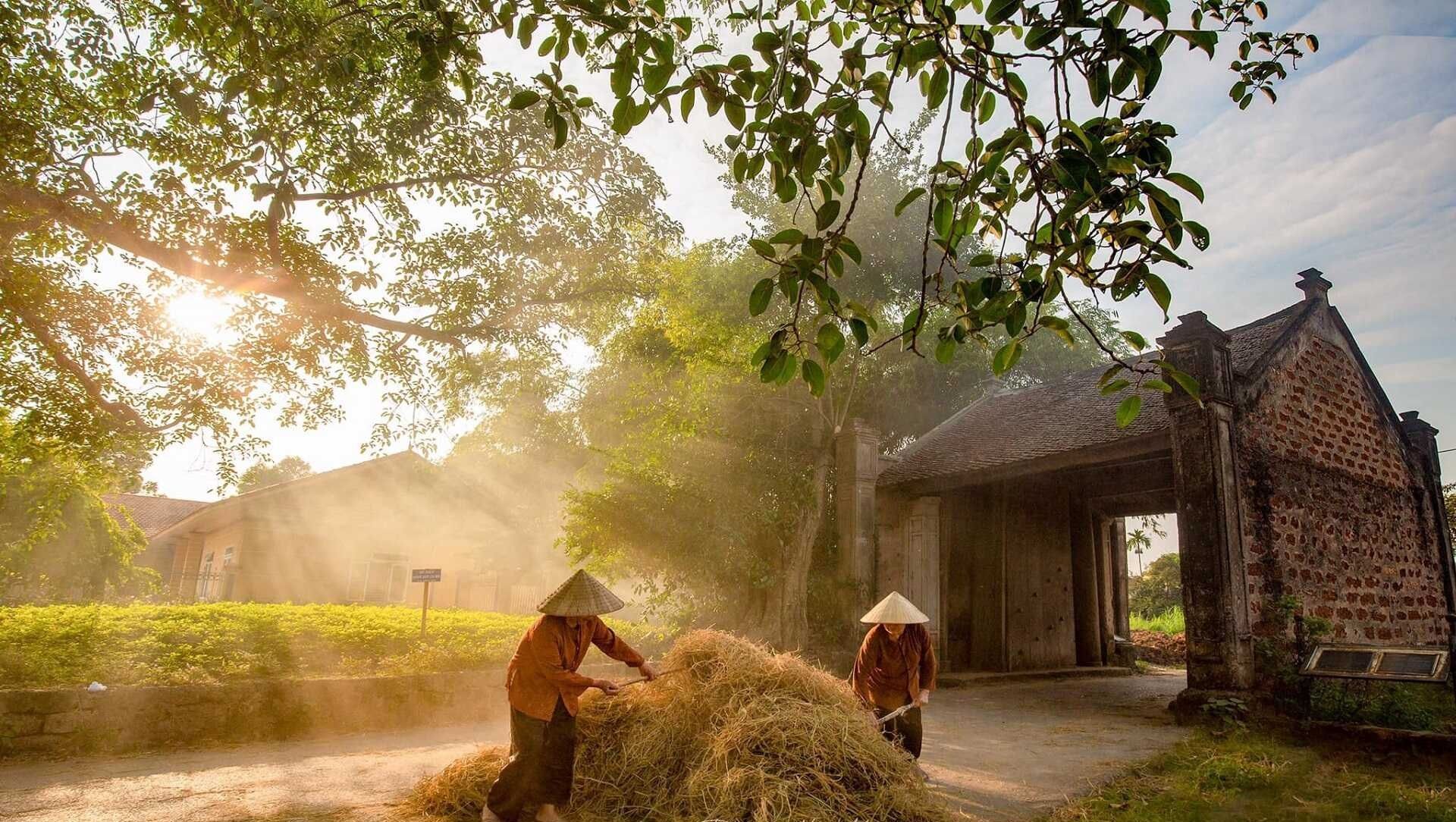
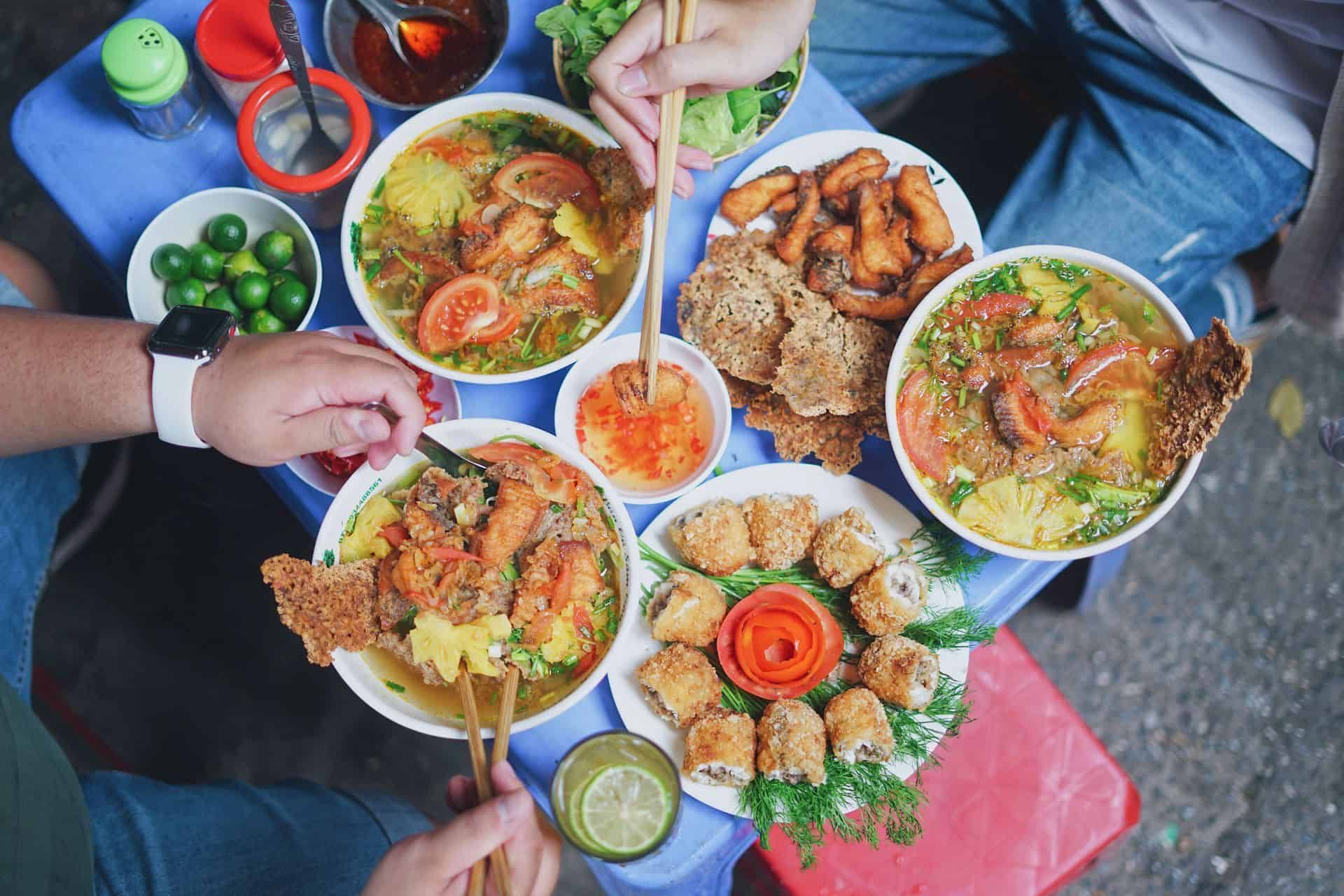
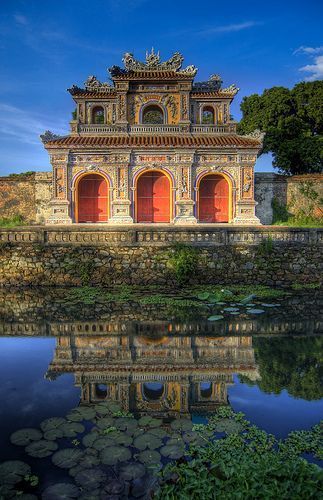
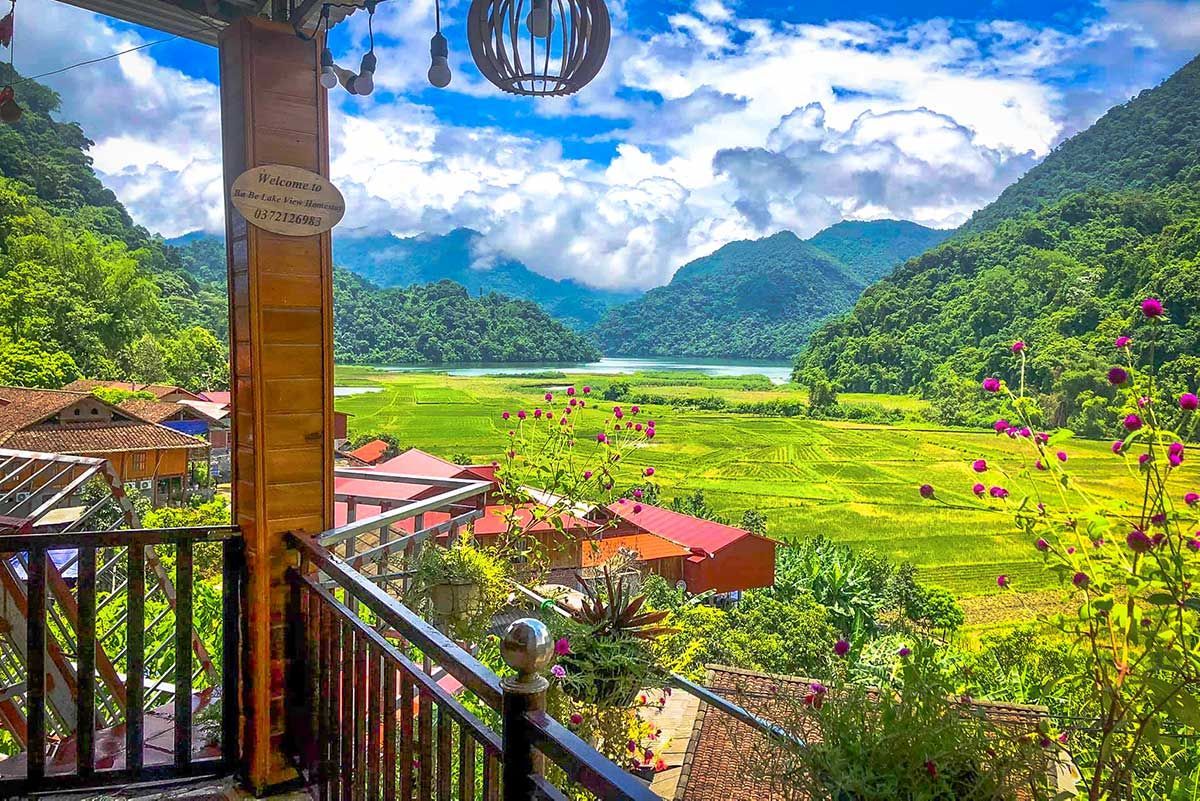
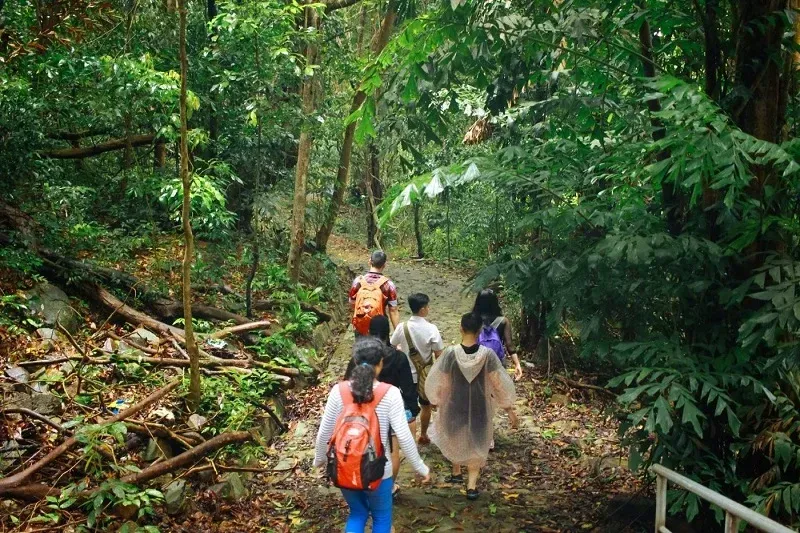
All Blog Travel Guides Regions In Vietnam
Read & view more blog articles about Travel Guides Regions In Vietnam
Central Vietnam Guide
Friends Travel Vietnam Blog
Southern Vietnam Guide
Friends Travel Vietnam Blog

Northern Vietnam Guide
Friends Travel Vietnam Blog