Blog Vietnam Travel Guide
Vietnam is an amazing puzzle, we are happy to assist you to puzzle
your amazing trip for Vietnam
Friends Travel Vietnam the Travel Company Turning Travellers Into
Friends Since 2012
Search & Read more...
Travel packages, private tours, group tours
24/7 Support
The best Price - the best products
Local Experiences
Tung Lam • June 19, 2026
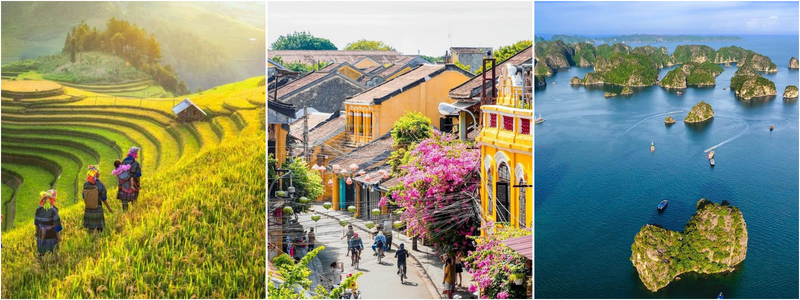
Vietnam is a country of remarkable contrasts. One journey can take you from mist-covered mountains and remote ethnic villages to lantern-lit heritage towns, energetic cities, tropical islands and peaceful river communities.
For first-time visitors, deciding what to do in Vietnam can feel overwhelming. The country stretches more than 1,600 kilometres from north to south, and each region has its own landscapes, climate, food and cultural identity.
Some travellers come for an overnight cruise among limestone islands. Others want to trek through rice terraces, taste street food, stay with a local family or cycle along quiet village roads. The best Vietnam itinerary often combines several of these experiences without trying to visit too many places too quickly.
This guide covers the best Vietnam things to do, including famous landmarks, authentic local activities and quieter alternatives to the country’s busiest destinations. It is designed using the local knowledge and travel philosophy of Friends Travel Vietnam, a Hanoi-based travel company creating tailor-made journeys since 2013.
Whether you are planning a short regional holiday or a complete north-to-south adventure, these experiences will help you discover Vietnam beyond a simple sightseeing checklist.
Quick Answer: What Are the Best Things to Do in Vietnam?
The best things to do in Vietnam include exploring Hanoi’s Old Quarter, taking an overnight cruise through Ha Long Bay or Lan Ha Bay, travelling by boat and bicycle in Ninh Binh, trekking in Sapa, experiencing the Ha Giang Loop, walking through Hoi An Ancient Town, discovering Hue’s imperial heritage, exploring the caves of Phong Nha and spending time with local communities in the Mekong Delta.
Here is a quick overview to help you choose:
| Experience | Region | Best for | Recommended time |
|---|---|---|---|
| Explore Hanoi’s Old Quarter | North | Food, culture and city life | 2–3 days |
| Cruise Ha Long or Lan Ha Bay | North | Nature, couples and families | 2–3 days |
| Boat and cycle through Ninh Binh | North | Countryside and photography | 1–2 days |
| Trek through Sapa | North | Mountains and ethnic culture | 2–4 days |
| Travel the Ha Giang Loop | North | Adventure and remote landscapes | 3–5 days |
| Explore Hue | Central | History, architecture and food | 2 days |
| Discover Hoi An | Central | Heritage, food and slow travel | 2–3 days |
| Explore Phong Nha caves | Central | Nature and adventure | 2–3 days |
| Experience Ho Chi Minh City | South | History, food and urban energy | 2–3 days |
| Stay in the Mekong Delta | South | River life and local culture | 2–3 days |
There is no single experience that suits every visitor. Travellers interested in mountains and cultural immersion may prefer Northern Vietnam, while those looking for heritage towns and beaches often choose Central Vietnam. Southern Vietnam is ideal for travellers who want to combine city life, tropical landscapes and river communities.
Vietnam Things to Do by Region
Vietnam is usually divided into three main travel regions: Northern, Central and Southern Vietnam. Understanding the differences between them will help you create a more balanced itinerary.
Travellers with seven days should normally focus on one region. With ten to fourteen days, it is possible to combine two regions. A complete journey through all three regions is more comfortable with at least eighteen to twenty-one days.
Things to Do in North Vietnam
Northern Vietnam offers some of the country’s most dramatic landscapes and culturally immersive journeys. The region includes the historic capital of Hanoi, the limestone seascapes of Ha Long Bay, the rice terraces of Sapa and the remote mountain roads of Ha Giang.
Some of the best experiences in Northern Vietnam include:
- Exploring Hanoi’s Old Quarter and local food scene.
- Cruising through Ha Long Bay, Lan Ha Bay or Bai Tu Long Bay.
- Taking a traditional boat trip through Trang An or Tam Coc.
- Trekking between mountain villages in Sapa.
- Travelling through the Ha Giang Loop with an experienced local driver.
- Cycling through Mai Chau and Pu Luong.
- Staying with a Tay family near Ba Be Lake.
Northern Vietnam is particularly suitable for travellers interested in trekking, photography, traditional culture and outdoor adventure. However, distances between destinations can be longer than they appear on a map, so the itinerary should allow enough time for road travel.
Read the complete things to do in North Vietnam guide to compare destinations, routes and local experiences across the region.
Things to Do in Central Vietnam
Central Vietnam brings together imperial history, UNESCO-listed heritage, beaches, mountain passes and some of the country’s most distinctive regional cuisine.
The main experiences include:
- Exploring the Imperial City and royal tombs of Hue.
- Walking through Hoi An Ancient Town in the early morning.
- Cycling through the countryside outside Hoi An.
- Relaxing on the beaches around Da Nang.
- Travelling between Hue and Da Nang over the Hai Van Pass.
- Exploring caves and jungle landscapes in Phong Nha.
- Visiting the Cham ruins of My Son Sanctuary.
- Discovering quieter coastal destinations such as Quy Nhon.
The region works well for couples, families, food travellers and visitors who want to combine culture with relaxation. Hue, Da Nang and Hoi An can easily form one itinerary, while Phong Nha requires additional travel time but rewards visitors with a completely different landscape.
Explore the regional overview in the things to do in Central Vietnam guide.
Things to Do in South Vietnam
Southern Vietnam is characterised by dynamic cities, tropical islands, river communities and a warm, energetic atmosphere.
Popular experiences include:
- Discovering the history and neighbourhoods of Ho Chi Minh City.
- Visiting the Cu Chi Tunnels.
- Joining a local street food experience in Saigon.
- Cycling and travelling by small boat through the Mekong Delta.
- Spending a night in Can Tho, Ben Tre or another river community.
- Exploring Cao Dai culture and Ba Den Mountain in Tay Ninh.
- Relaxing on Phu Quoc Island.
- Discovering the quieter beaches and historical sites of Con Dao.
- Visiting the sand dunes and fishing communities of Mui Ne.
A common mistake is visiting the Mekong Delta as a rushed half-day excursion. Spending at least one night in the region makes it possible to experience local life in the early morning and evening, outside the busiest tour hours.
Find more regional ideas in the things to do in South Vietnam guide.
30 Best Things to Do in Vietnam
The following list combines iconic attractions with cultural activities, food experiences and slower ways to discover local life.
Each activity includes practical advice about how long to stay, who it suits and how to make the experience more meaningful.
1. Explore Hanoi’s Old Quarter Like a Local
Exploring the Old Quarter is one of the essential things to do in Vietnam, especially for first-time visitors.
Located at the historical heart of Hanoi, this dense network of streets is filled with old houses, temples, cafés, family businesses, markets and street food stalls. Many streets were historically associated with specific trades, such as silver, medicine, paper or bamboo products.
However, the Old Quarter is not simply an open-air museum. It remains an active residential and commercial neighbourhood where people cook, shop, work and meet throughout the day.
Start your exploration near Hoan Kiem Lake before walking into the narrower streets around Hang Bac, Ma May, Hang Buom and Lan Ong. Look beyond the most photographed streets and enter the smaller lanes, where everyday Hanoi life becomes more visible.
Useful experiences include:
- Walking around Hoan Kiem Lake in the early morning.
- Visiting Ngoc Son Temple.
- Exploring traditional merchant houses.
- Trying egg coffee in a hidden café.
- Visiting a local market.
- Watching a traditional water puppet performance.
- Joining an evening street food walk.
Early morning is one of the best times to explore. The temperature is usually more comfortable, pavements are less crowded and local residents are beginning their daily routines.
In the evening, the Old Quarter becomes busier and more energetic. Food stalls open, families gather for dinner and visitors fill the streets around Ta Hien and the night market area.
Recommended time: Two to three days in Hanoi.
Best for: First-time visitors, food lovers, cultural travellers and photographers.
FTV local tip: Do not limit your visit to the busiest shopping streets. A local walking route can connect hidden courtyards, neighbourhood markets, family-run cafés and historical buildings that are easy to miss when exploring independently.
Continue planning with the full Hanoi things to do guide.
2. Join a Vietnamese Street Food Experience
Food is one of the most direct ways to understand Vietnam. Every region has its own ingredients, preparation methods and eating culture, which means a journey through the country is also a journey through different regional cuisines.
In Hanoi, begin with dishes such as pho, bun cha, banh cuon and xoi. Hue is known for smaller, carefully presented dishes and recipes connected to its imperial past. Hoi An has local specialities such as cao lau, mi Quang and white rose dumplings. Ho Chi Minh City combines food traditions from across Vietnam and neighbouring countries.
A good street food experience should offer more than a list of famous dishes. It should explain how ingredients are used, why locals eat certain meals at particular times and how food culture differs between regions.
Useful food activities include:
- Visiting a fresh market with a local guide.
- Eating at family-run stalls away from the busiest tourist streets.
- Learning how fish sauce, herbs and dipping sauces are combined.
- Comparing northern, central and southern versions of similar dishes.
- Trying traditional coffee and local desserts.
- Joining a small cooking class after visiting a market.
Street food hygiene varies between stalls. Choose places with regular local customers, visible food turnover and clean preparation areas. A local guide can also help travellers with allergies, dietary restrictions or uncertainty about ingredients.
Recommended time: Two to four hours for a guided experience.
Best for: Food lovers, couples, solo travellers and first-time visitors.
FTV local tip: Avoid trying too many heavy dishes during one tour. Smaller portions allow you to experience a wider variety of flavours without turning the activity into a rushed eating challenge.
For more culinary ideas, read about food experiences in Vietnam.
3. Take an Overnight Cruise Through Ha Long Bay
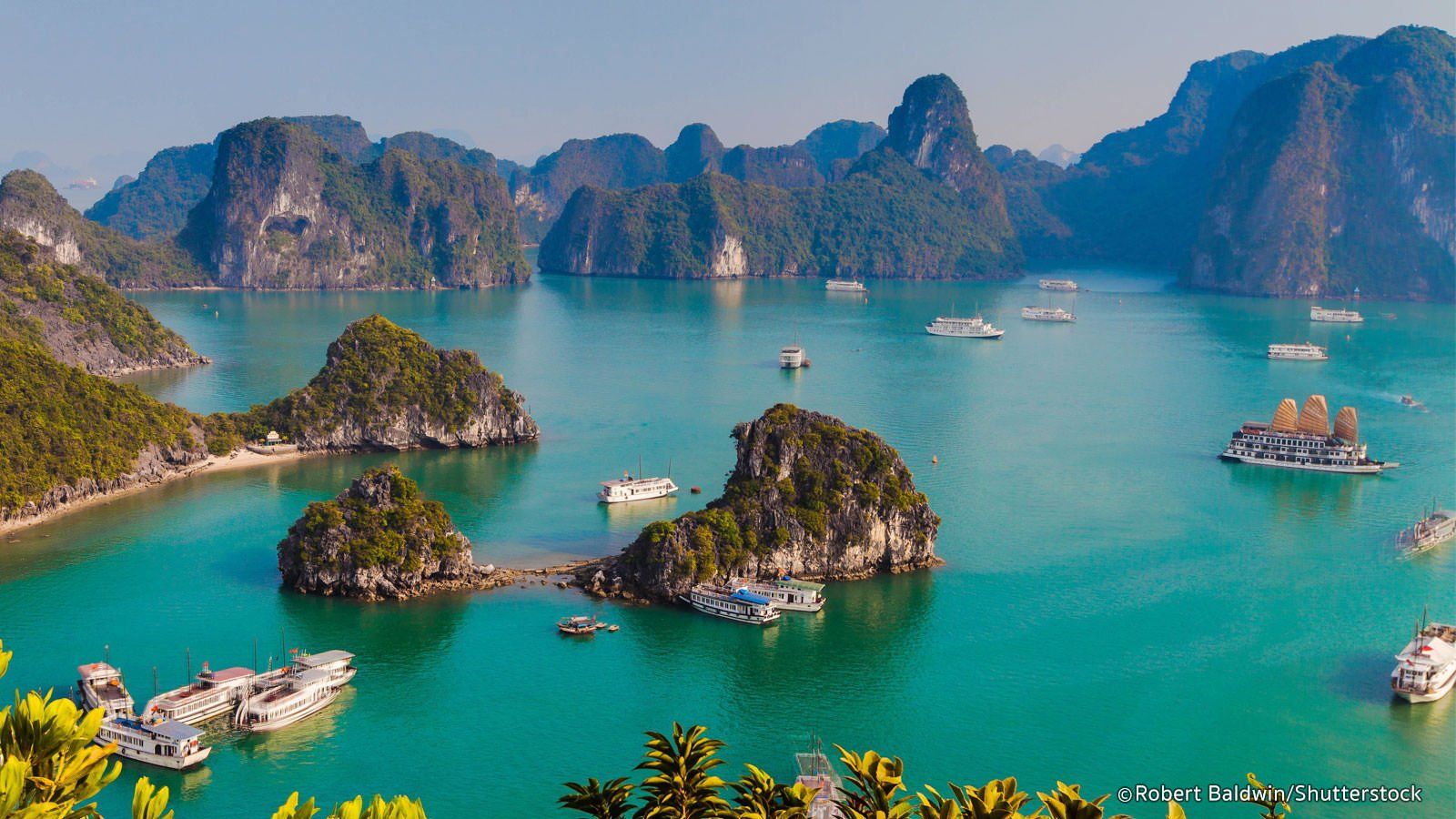
Ha Long Bay is one of Vietnam’s most recognisable landscapes. Thousands of limestone islands and towers rise from the water, creating a seascape that has become an international symbol of the country.
The wider UNESCO property is now recognised as the Ha Long Bay–Cat Ba Archipelago, bringing together important natural landscapes across Ha Long Bay and the Cat Ba area.
Although day cruises are available, an overnight cruise offers a more complete experience. It gives travellers time to move farther from the harbour, enjoy sunset and sunrise, and participate in activities without spending most of the day travelling from Hanoi.
Typical cruise activities include:
- Kayaking through limestone lagoons.
- Visiting caves.
- Swimming when weather and local conditions allow.
- Joining an early-morning tai chi session.
- Watching sunset from the deck.
- Learning a simple Vietnamese dish.
- Visiting a fishing community or pearl farm.
- Trying squid fishing in the evening.
Choosing the correct route is as important as choosing the boat.
Ha Long Bay
The main Ha Long Bay routes include famous caves and viewpoints. They offer the classic landscape but may be busier, especially during weekends and public holidays.
Lan Ha Bay
Lan Ha Bay lies beside Cat Ba Island and offers excellent kayaking, beaches and active experiences. It is a strong choice for travellers who want to combine a cruise with time on Cat Ba.
Bai Tu Long Bay
Bai Tu Long Bay is often quieter because fewer cruise operators use its more distant routes. It may suit travellers who value space and tranquillity more than visiting the most famous landmarks.
Recommended time: Two days and one night for most travellers; three days and two nights for a slower route.
Best for: Couples, families, nature lovers and first-time visitors.
FTV local tip: Do not select a cruise based only on cabin photographs or the lowest advertised price. Check the route, group size, included activities, transfer arrangements and which fees are excluded.
Compare routes and cruise styles in the Ha Long Bay things to do guide, or explore FTV’s Vietnam cruise options.
Ninh Binh combines limestone mountains, rivers, caves, temples and agricultural landscapes within easy reach of Hanoi. Its scenery is sometimes described as “Ha Long Bay on land”, but Ninh Binh deserves to be experienced as a distinctive destination rather than a substitute for the coast.
The most famous activity is a traditional sampan journey through Trang An or Tam Coc.
Trang An forms part of the Trang An Landscape Complex, a UNESCO mixed cultural and natural property containing karst mountains, submerged valleys, caves, historical sites and rural settlements.
Trang An or Tam Coc?
Trang An offers several organised routes passing through caves, waterways and temple sites. The landscape feels enclosed and dramatic, although the departure area can become busy.
Tam Coc follows a more open river route through rice fields and limestone formations. It is particularly scenic during the rice season but can also attract large numbers of visitors.
Beyond the boat trips, Ninh Binh offers:
- Cycling between villages and rice fields.
- Climbing to the Mua Cave viewpoint.
- Visiting Hoa Lu Ancient Capital.
- Exploring Bich Dong Pagoda.
- Discovering Van Long Nature Reserve.
- Visiting Cuc Phuong National Park.
- Staying in a rural homestay outside Ninh Binh City.
Many visitors take a rushed day trip from Hanoi. Although this is possible, staying overnight provides time to cycle in the late afternoon, enjoy a quieter evening and begin the next morning before the tour buses arrive.
Recommended time: One night and two days.
Best for: Couples, families, photographers and travellers interested in nature.
FTV local tip: Choose accommodation around Tam Coc, Trang An or the surrounding countryside rather than staying only in Ninh Binh City. This makes cycling routes and early morning activities easier to access.
Read the detailed Ninh Binh things to do guide.
5. Trek Through Sapa’s Rice Terraces and Villages
Sapa is known for mountain scenery, terraced fields and the cultures of ethnic communities living across the surrounding valleys.
Trekking is the most rewarding way to experience the area. Walking routes pass through rice terraces, bamboo forests, agricultural land and villages connected by narrow trails.
Popular locations include Muong Hoa Valley, Lao Chai, Ta Van, Ta Phin and areas surrounding the Hoang Lien mountain range. However, some accessible villages can feel commercialised during busy periods.
A well-designed trek should match the traveller’s fitness level and provide meaningful cultural context. Routes can range from gentle half-day walks to demanding multi-day journeys with homestay accommodation.
Possible Sapa experiences include:
- Trekking through Muong Hoa Valley.
- Staying overnight in a village.
- Visiting a Red Dao community.
- Learning about traditional textiles and farming.
- Taking a herbal bath after trekking.
- Visiting waterfalls and mountain viewpoints.
- Reaching Fansipan by cable car or hiking route.
- Travelling beyond the busiest central villages.
The appearance of the rice terraces changes throughout the year. They may be water-filled during preparation periods, green during the growing season and golden near harvest. Weather in the mountains can change quickly, and visibility is never guaranteed
.
Recommended time: Two nights for a basic visit; three or four nights for deeper trekking.
Best for: Trekkers, photographers, cultural travellers and active couples.
FTV local tip: Hiring a local guide provides more than navigation. Guides explain farming practices, community customs and village life while helping ensure that tourism income reaches local families.
Explore trekking routes and village experiences in the Sapa things to do guide.
6. Experience the Ha Giang Loop Safely
For adventurous travellers, the Ha Giang Loop is one of the most memorable things to do in Vietnam.
The route crosses high mountain passes, deep valleys, limestone plateaus and remote districts near Vietnam’s northern border. Important stops include Quan Ba, Yen Minh, Dong Van, Ma Pi Leng Pass, Meo Vac and Du Gia.
A large part of the journey passes through the Dong Van Karst Plateau UNESCO Global Geopark, an area recognised for its geological importance and cultural diversity.
The scenery is extraordinary, but the route should not be treated as a casual motorbike ride. Roads include steep climbs, sharp bends, narrow sections, fog, construction and changing weather conditions.
Travellers generally have three options:
Self-riding
This offers maximum independence but is only appropriate for experienced riders with the correct licence, insurance and understanding of local road conditions.
Easy Rider
A local driver operates the motorbike while the traveller rides as a passenger. This is often the safest option for visitors without significant mountain-riding experience.
Private car
A car provides greater comfort and protection from poor weather. It is suitable for families, older travellers and visitors who want mountain views without travelling by motorbike.
Avoid itineraries that attempt to complete the entire loop in only two days. A three-day trip is possible but still relatively fast. Four or five days allows more time for villages, walking, photography and rest.
Recommended time: Three to five days.
Best for: Adventure travellers, photographers and visitors interested in remote landscapes.
FTV local tip: Choose a responsible small-group or private journey instead of a large party-focused convoy. The quality of the driver, accommodation and route planning has a major effect on both safety and cultural experience.
Read the full Ha Giang things to do guide.
7. Stay in a Genuine Local Homestay
A homestay can be one of the most meaningful experiences in Vietnam, but the term is used for many different types of accommodation.
Some properties are genuine family homes where guests eat with their hosts and learn about daily life. Others are guesthouses or small hotels that use “homestay” as a marketing label.
Authentic homestay experiences can be found in:
- Sapa and surrounding valleys.
- Ha Giang villages.
- Mai Chau.
- Pu Luong.
- Ba Be.
- The Mekong Delta.
- Rural areas outside Hoi An.
A good community-based homestay may include a shared dinner, local dishes, basic sleeping arrangements and opportunities to participate in daily activities. Comfort levels vary considerably.
Travellers should ask several questions before booking:
- Does the host family live at the property?
- Are meals prepared and eaten with the family?
- Is the accommodation locally owned?
- How many guests stay at one time?
- Is tourism income shared with local guides and producers?
- Are cultural activities genuine or staged only for visitors?
Respect is essential. Ask permission before photographing people, dress appropriately in family and community spaces, and avoid treating a home as an entertainment venue.
Recommended time: At least one night.
Best for: Cultural travellers, couples, families with older children and slow travellers.
FTV local tip: The most comfortable property is not always the most authentic one. Choose according to your expectations and communicate clearly about private rooms, bathrooms, food requirements and accessibility.
8. Cycle Through Rice Fields and Rural Villages
Cycling is one of the best ways to discover rural Vietnam at a human pace. It allows travellers to cover more ground than walking while remaining close to villages, agricultural landscapes and everyday life.
Excellent cycling destinations include:
- Ninh Binh.
- Mai Chau.
- Pu Luong.
- Hoi An countryside.
- The Mekong Delta.
- Rural areas around Hue.
In Ninh Binh, short routes connect rice fields, temples and limestone scenery. Mai Chau offers relatively gentle roads through an open valley. Pu Luong has more demanding hills and uneven paths, while Hoi An provides accessible countryside cycling near vegetable gardens and craft communities.
The Mekong Delta has an extensive network of small roads and paths running beside canals, orchards and villages. Cycling here works particularly well when combined with a small-boat journey.
A responsible cycling experience should avoid turning local homes and workplaces into photo stops without permission. The value lies in observing daily life respectfully and supporting local cafés, workshops and family businesses.
Recommended time: Half a day to a full day.
Best for: Active families, couples, photographers and slow travellers.
FTV local tip: Check the route surface, distance and traffic level before starting. A short rural route on quiet paths is often more enjoyable than a longer ride along busy roads.
9. Discover Mai Chau and Pu Luong
Mai Chau and Pu Luong are strong alternatives for travellers who want mountain landscapes and village experiences without travelling as far as Sapa or Ha Giang.
Mai Chau
Mai Chau is an open valley surrounded by mountains and villages associated particularly with White Thai communities. It is accessible from Hanoi and works well for a short countryside escape.
Activities include:
- Cycling through the valley.
- Visiting villages and local weaving workshops.
- Walking between rice fields.
- Staying in a traditional stilt house.
- Trying regional food.
- Exploring nearby caves and viewpoints.
Because some central villages receive regular tour groups, travellers seeking a quieter experience should stay beyond the busiest areas or use Mai Chau as the starting point for a wider rural route.
Read more in the Mai Chau things to do guide.
Pu Luong
Pu Luong Nature Reserve offers steeper valleys, terraced rice fields, forest landscapes, waterfalls and ethnic villages. The area is less urbanised than Sapa and feels more suitable for slow travel.
Popular experiences include:
- Trekking between villages.
- Walking past traditional bamboo water wheels.
- Visiting Hieu Waterfall.
- Exploring Kho Muong village and nearby caves.
- Staying in a valley-view lodge or community homestay.
- Learning about local agriculture.
- Watching sunrise over terraced fields.
Mai Chau is generally easier for families and short trips, while Pu Luong suits travellers who want trekking and a more remote atmosphere.
Recommended time: Two to four days when combining both areas.
Best for: Couples, families, hikers and travellers seeking quieter mountain landscapes.
FTV local tip: Do not try to combine Hanoi, Mai Chau and Pu Luong in a rushed day trip. Staying at least two nights gives enough time to walk, cycle and experience village life beyond the main viewpoints.
Explore further through the things to do in North Vietnam guide.
10. Explore Ba Be Lake and Northern Villages
Ba Be National Park is one of Northern Vietnam’s quieter nature destinations. The area combines a large freshwater lake, limestone mountains, caves, forest and villages inhabited by Tay and other local communities.
Unlike destinations built around a long attraction checklist, Ba Be is best experienced slowly.
A typical journey may include:
- Taking a boat trip across Ba Be Lake.
- Passing through Puong Cave.
- Visiting Dau Dang Waterfall.
- Kayaking in quieter sections of the lake.
- Cycling through surrounding villages.
- Trekking in the national park.
- Staying in a Tay family homestay.
- Eating locally prepared meals.
- Combining Ba Be with Ban Gioc Waterfall on a longer journey.
Boat trips are the main activity, but route quality varies. A private or carefully organised journey provides more flexibility to stop, walk and avoid travelling in a large group.
The area is remote compared with Ninh Binh or Ha Long Bay. Visitors should expect longer road transfers, limited banking facilities and simpler accommodation.
That remoteness is also part of Ba Be’s appeal. Evenings are quiet, villages remain connected to agricultural life and the lake can feel peaceful outside peak domestic travel periods.
Recommended time: Two or three nights.
Best for: Nature lovers, families, photographers and travellers looking for non-touristy experiences.
FTV local tip: Combine the boat journey with at least one land-based activity. Cycling, walking or staying in a village creates a more complete experience than seeing the national park only from the water.
Read the complete Ba Be things to do guide.
Need Help Choosing the Right Vietnam Experiences?
Vietnam offers far more than a standard route connecting famous attractions. The most rewarding journey depends on your available time, preferred travel pace, interests and comfort level.
A seven-day trip should usually focus on one region. Travellers with two weeks can combine Northern and Central Vietnam or Central and Southern Vietnam. A slower north-to-south journey normally requires at least three weeks.
Contact Friends Travel Vietnam to create a tailor-made itinerary combining famous destinations with local experiences, quieter routes and realistic travel times.
11. Discover Hue’s Imperial Heritage
Hue is one of the best places in Vietnam for travellers interested in history, architecture and regional cuisine.
The city served as the imperial capital under the Nguyen Dynasty from 1802 until 1945. Today, its citadel, palaces, temples, royal tombs and ceremonial sites form the Complex of Hue Monuments, recognised as a UNESCO World Heritage Site.
The Imperial City is the logical starting point. Surrounded by walls and a moat, this large historical complex once contained administrative buildings, royal residences, temples and the Forbidden Purple City.
Allow at least two or three hours to explore it properly. Travellers interested in history may want to join a guided visit, as many of the buildings are more meaningful when their original functions and historical context are explained.
Hue’s imperial heritage extends far beyond the citadel. The royal tombs are located in landscaped areas along and around the Perfume River. Each reflects the personality, artistic preferences and political period of the emperor for whom it was constructed.
Important sites include:
- The Tomb of Minh Mang, known for its symmetry and natural setting.
- The Tomb of Tu Duc, designed as a peaceful retreat with gardens and water.
- The Tomb of Khai Dinh, recognised for its elaborate combination of Vietnamese and European design.
- Thien Mu Pagoda overlooking the Perfume River.
- The Imperial City and Forbidden Purple City.
- Traditional garden houses outside the busiest centre.
- Villages producing incense, conical hats and local crafts.
Hue should also be experienced through its food. Local cuisine includes both everyday street dishes and recipes influenced by the city’s royal history.
Dishes worth trying include bun bo Hue, banh beo, banh nam, banh khoai and com hen. A guided food experience can help visitors understand how Hue’s culinary traditions differ from those of Hanoi, Hoi An and Southern Vietnam.
Recommended time: Two full days.
Best for: History lovers, cultural travellers, food travellers and photographers.
FTV local tip: Do not attempt to visit the Imperial City and every major royal tomb in one rushed day. Select two tombs with contrasting architecture, then add a pagoda, village or food experience for a more balanced introduction to Hue.
Explore the city in greater detail through the Hue things to do guide.
12. Walk Through Hoi An Ancient Town
Hoi An is one of Vietnam’s most atmospheric heritage destinations. Its preserved merchant houses, assembly halls, temples, narrow streets and riverfront reflect its history as an international trading port.
According to UNESCO, Hoi An Ancient Town is an exceptionally well-preserved example of a Southeast Asian trading port that was active between the 15th and 19th centuries. Its architecture reflects local traditions combined with Chinese, Japanese and later European influences.
Important sites within the Ancient Town include:
- The Japanese Covered Bridge.
- Tan Ky Old House.
- Fujian Assembly Hall.
- Cantonese Assembly Hall.
- Traditional merchant houses.
- Family chapels and temples.
- The central market.
- The Thu Bon River waterfront.
However, Hoi An’s appeal comes from more than individual monuments. The best experience is often simply walking through the streets, observing old facades, entering courtyards and stopping at small cafés or local food stalls.
Timing has a major effect on the experience.
Early morning is ideal for photography and quiet exploration. Local residents begin their routines before most visitors arrive, and the streets remain relatively peaceful.
In the evening, lanterns illuminate the historic centre and riverfront. The atmosphere is attractive but considerably busier, particularly around the Japanese Covered Bridge, night market and main boat departure areas.
A balanced visit should include both periods. Explore the heritage buildings in the morning, take a break during the hottest part of the day and return in the late afternoon for food and the evening atmosphere.
Hoi An is also known for tailoring. Visitors can order clothing, but quality and production standards vary. Select a tailor based on workmanship, fabric transparency and realistic fitting time rather than only the lowest price.
Recommended time: Two or three nights.
Best for: Couples, families, food travellers, cultural visitors and first-time travellers.
FTV local tip: Many visitors spend all their time inside the heritage centre. Use Hoi An as a base to combine the Ancient Town with nearby rice fields, craft communities, beaches and rural villages.
Plan your visit with the complete Hoi An things to do guide.
13. Join a Vietnamese Cooking Class
A cooking class can introduce travellers to Vietnam’s ingredients, regional dishes and family food traditions in a practical way.
The best classes normally begin with a market visit. This allows participants to see fresh herbs, vegetables, noodles, spices, seafood and sauces before learning how they are used in the kitchen.
Good destinations for cooking experiences include:
Hanoi
Classes in Hanoi may focus on northern dishes such as bun cha, spring rolls, banana flower salad and traditional dipping sauces.
Hue
Hue cooking experiences often include small regional dishes, spicy flavours and recipes connected to the city’s imperial and Buddhist food traditions.
Hoi An
Hoi An has one of the largest selections of cooking classes in Vietnam. Many combine a market visit, countryside experience and hands-on preparation of central Vietnamese dishes.
Mekong Delta
Cooking with a local family in the Mekong Delta can include garden ingredients, tropical fruit, freshwater fish and dishes associated with river communities.
Before booking, check whether the experience is genuinely hands-on. Some large classes function more like demonstrations, with participants completing only a few simple steps.
A more meaningful class should provide:
- A small group or private setting.
- A local market or garden visit.
- Clear explanations of ingredients.
- Individual cooking stations where possible.
- Recipes that can realistically be recreated at home.
- Alternatives for vegetarians and travellers with allergies.
- Information about regional food culture.
- Time to eat and discuss the finished dishes.
Cooking classes work particularly well for families because the activity is interactive and can be adjusted for different ages. They are also useful on rainy days, although outdoor market and garden sections may need to change.
Recommended time: Half a day.
Best for: Families, couples, food lovers and travellers interested in local culture.
FTV local tip: Inform the organiser about allergies and dietary requirements before the class, not after arriving. Fish sauce, shrimp paste, peanuts and shared cooking surfaces are common in Vietnamese kitchens.
Travellers staying in Central Vietnam can combine the experience with one of FTV’s Hoi An tours and local activities.
14. Cycle Through the Hoi An Countryside
The rural landscape surrounding Hoi An provides a quieter contrast to the busy Ancient Town.
Within a short distance of the historic centre, travellers can reach rice fields, vegetable gardens, river islands, fishing communities and family workshops. Cycling is one of the easiest ways to explore these areas without rushing.
Possible stops include:
- Tra Que Vegetable Village.
- Cam Kim Island.
- Kim Bong carpentry area.
- Rural paths beside rice fields.
- Local markets.
- Family temples.
- Small boat crossings.
- Villages along the Thu Bon River.
- An Bang and surrounding coastal areas.
The quality of a countryside cycling experience depends heavily on the route. Busy main roads and large group convoys reduce much of the activity’s appeal.
A carefully planned route should use smaller village roads and quiet paths whenever possible. It should also avoid turning every house or workshop into a staged tourism stop.
Tra Que is one of the most accessible areas. Local families cultivate herbs and vegetables used by restaurants and households in Hoi An. Some experiences include farming demonstrations, cooking or lunch.
Cam Kim and nearby river communities offer a different atmosphere, with village roads, agricultural land and traditional workshops. Visitors should remember that these remain working communities rather than outdoor museums.
Cycling conditions are generally gentle, but heat and humidity can make midday rides uncomfortable. Early morning and late afternoon are usually more pleasant.
Recommended time: Three to five hours.
Best for: Couples, active families, slow travellers and photographers.
FTV local tip: Ask how much of the route uses quiet paths before booking. A shorter journey through villages and rice fields is normally more enjoyable than a longer route dominated by city traffic.
Combine countryside cycling with the best things to do in Hoi An.
15. Relax on Da Nang’s Beaches
Da Nang offers a convenient combination of beaches, urban facilities, food, mountains and easy access to Hoi An and Hue.
My Khe is the city’s best-known beach. Its long coastline is suitable for walking, swimming when conditions permit and watching sunrise. Hotels, cafés and restaurants are located throughout the surrounding area.
The beach is most active in the early morning and late afternoon. Local residents often exercise, swim and meet along the waterfront before the heat becomes intense.
Other coastal areas around Da Nang include:
- Pham Van Dong Beach.
- Non Nuoc Beach.
- Coastal areas near Son Tra Peninsula.
- Beaches extending south toward Hoi An.
Swimming conditions change with the season, wind and weather. Visitors should follow local safety signs, use supervised areas and avoid entering the sea when red flags are displayed.
Da Nang offers more than beach time. Nearby experiences include:
- Visiting the Marble Mountains.
- Exploring Son Tra Peninsula.
- Seeing the Dragon Bridge.
- Visiting local markets.
- Trying mi Quang and other regional dishes.
- Travelling over the Hai Van Pass.
- Taking a day trip to Hoi An.
- Continuing north to Hue.
The Marble Mountains combine caves, pagodas, viewpoints and religious sites. Visitors should wear suitable footwear because some steps can be steep or slippery.
Son Tra Peninsula offers forest, coastal scenery and viewpoints close to the city. Wildlife should be observed from a respectful distance, and visitors should not feed monkeys or other animals.
Da Nang works particularly well as a practical base. It has an international airport and a wider range of modern accommodation than many neighbouring destinations.
Recommended time: Two or three days, or longer for a beach break.
Best for: Families, couples, beach travellers and visitors combining Hue with Hoi An.
FTV local tip: Stay near the beach for relaxation or closer to the Han River for urban dining and nightlife. The right location depends on whether the beach or city is the main priority.
Read the detailed Da Nang things to do guide.
16. Travel Across the Hai Van Pass
The Hai Van Pass is one of the most scenic routes in Central Vietnam. It crosses the mountains between the Hue region and Da Nang, with views of the coast, forest, railway and surrounding bays.
Its name is often translated as the “Ocean Cloud Pass”, reflecting the combination of mountain mist and coastal scenery frequently seen along the route.
Travellers can experience the pass in several ways.
Private car
A private car is the most comfortable and flexible option for families, couples and travellers carrying luggage. Stops can be added at viewpoints, Lang Co, Lap An Lagoon and other locations between Hue and Da Nang.
Train
The railway between Hue and Da Nang follows a scenic coastal section. It provides excellent views without requiring a separate sightseeing journey, although passengers cannot stop at viewpoints along the way.
Motorbike with an experienced driver
Travelling as a passenger with a professional local driver creates a more open and adventurous experience. This may be suitable for confident travellers who understand the exposure to sun, rain and changing road conditions.
Self-riding
Self-riding is appropriate only for experienced motorcyclists with the correct licence, insurance and safety equipment. Mountain weather, larger vehicles, sharp bends and wet roads can increase risk.
The Hai Van Pass should be treated as part of the journey rather than simply the fastest way between two cities. A direct transfer using the road tunnel is more efficient, but it misses the mountain scenery.
Useful stops may include:
- Lang Co Beach.
- Lap An Lagoon.
- Hai Van Gate.
- Mountain viewpoints.
- Coastal cafés.
- Sections overlooking Da Nang Bay.
Recommended time: Half a day when travelling between Hue and Da Nang or Hoi An.
Best for: Photographers, couples, road-trip travellers and visitors combining Central Vietnam destinations.
FTV local tip: Keep the itinerary flexible during poor weather. Heavy rain or low cloud can reduce visibility, and safety should take priority over reaching every planned viewpoint.
Compare transportation options in FTV’s guide to travelling from Hue to Da Nang by train or car.
17. Explore the Caves of Phong Nha
Phong Nha is Vietnam’s leading destination for caves, jungle landscapes and underground adventure.
The region forms part of the UNESCO-listed Phong Nha-Ke Bang National Park, an extensive karst landscape containing caves, underground rivers, forests and important ecosystems.
Experiences range from accessible boat trips to physically demanding multi-day expeditions.
Phong Nha Cave
Phong Nha Cave is reached by boat along the Son River. The journey is relatively gentle and suitable for many first-time visitors and families.
Paradise Cave
Paradise Cave is known for its large chambers and extensive formations. Visitors reach the entrance by travelling through the national park and climbing a series of steps or pathways.
Dark Cave
Dark Cave combines outdoor and adventure activities. Depending on current operating conditions, experiences may include ziplining, swimming, cave exploration and mud sections.
Guided jungle and cave expeditions
More demanding routes may include trekking, river crossings, camping and exploration of less accessible cave systems. These activities require licensed operators, appropriate equipment and realistic fitness assessment.
Son Doong is internationally famous, but it should not be treated as a standard sightseeing stop. Access is tightly controlled, expedition places are limited and participation requires substantial preparation and budget.
Phong Nha village and the surrounding countryside are also worth exploring. Cycling routes pass along rivers, farms and smaller communities, giving visitors an alternative activity between cave visits.
A common mistake is arriving for only one rushed night. Travel time to and from Phong Nha can be significant, and cave activities often begin in the morning.
Recommended time: Two or three full days; longer for an expedition.
Best for: Nature lovers, families, hikers and adventure travellers.
FTV local tip: Match the cave to your fitness and comfort level. An accessible boat cave can be as rewarding as an expedition when it fits the traveller’s interests and physical ability.
Compare activities in the Phong Nha things to do guide.
18. Visit My Son Sanctuary
My Son Sanctuary provides important insight into the history, religion and architecture of the Champa civilisation.
Located in a valley surrounded by mountains in Quang Nam Province, the site contains the remains of brick temple towers constructed over many centuries.
UNESCO describes My Son Sanctuary as a cultural site dating from the 4th to 13th centuries. It served as an important religious and political centre of the Champa Kingdom and reflects strong Hindu cultural influences.
My Son is commonly visited as a half-day trip from Hoi An or Da Nang.
The remaining structures vary considerably in condition. Some temple groups retain detailed carvings and architectural elements, while others show the effects of time, vegetation, conflict and environmental exposure.
A local guide is particularly valuable here. Without historical explanation, visitors may see only a collection of damaged brick towers. A knowledgeable guide can explain:
- The history of the Champa Kingdom.
- The religious purpose of the sanctuary.
- Hindu symbolism.
- Construction and brickwork techniques.
- The arrangement of temple groups.
- Conservation challenges.
- The relationship between My Son and other Cham sites in Central Vietnam.
Early morning is generally the best time to visit. Temperatures are cooler, light is better for photography and visitor numbers may be lower than later in the day.
Visitors should carry water and sun protection. Much of the site is outdoors, and shade can be limited in certain areas.
My Son and Hoi An represent different but connected parts of Central Vietnam’s history. Combining both helps travellers understand the region beyond the architecture of a single town.
Recommended time: Half a day.
Best for: History lovers, cultural travellers, photographers and visitors based in Hoi An.
FTV local tip: Choose an early departure and avoid treating My Son as a quick photo stop. Historical interpretation is the key to making the visit meaningful.
My Son can be combined with the wider selection of Hoi An tours and excursions.
19. Discover Vietnam’s Quieter Coastal Destinations
Vietnam has a long coastline, but beach travel does not need to be limited to the country’s largest resort centres.
Smaller coastal destinations can provide a better balance of beaches, local food, fishing communities and slower travel.
Quy Nhon
Quy Nhon combines city beaches, Cham heritage and coastal landscapes. Nearby attractions include Eo Gio, Ky Co and Bai Xep.
Bai Xep is particularly suitable for travellers seeking a smaller fishing-community atmosphere, although tourism development continues to change parts of the coastline.
Read more about things to do in Quy Nhon.
Nha Trang beyond the main beachfront
Nha Trang is a developed coastal city, but travellers can move beyond the central promenade to explore islands, countryside, markets, seafood and Cham heritage.
Po Nagar Cham Towers add an important cultural dimension to a destination often viewed only as a beach resort.
Explore the complete Nha Trang things to do guide.
Mui Ne and the surrounding coast
Mui Ne is known for its sand dunes, kitesurfing conditions and fishing communities. The White Sand Dunes, Red Sand Dunes and Fairy Stream create a landscape different from Vietnam’s typical tropical beach image.
The area works well as a short coastal extension from Ho Chi Minh City.
See the best things to do in Mui Ne.
Con Dao
Con Dao combines beaches, forest, marine environments and significant historical sites. Its atmosphere is generally quieter than Vietnam’s largest resort islands.
The destination should be approached respectfully because its history includes prisons, cemeteries and memorial locations as well as natural attractions.
Discover more through the Con Dao things to do guide.
When selecting a beach destination, consider more than photographs. Seasonal sea conditions, transport time, development level and desired activities should all influence the decision.
Recommended time: Two to four days for one coastal destination.
Best for: Couples, slow travellers, beach lovers and visitors seeking alternatives to major resorts.
FTV local tip: Do not attempt to include several coastal destinations in the same short itinerary. Choose one location that fits your route and spend enough time to explore beyond the main beach.
20. Experience the Energy of Ho Chi Minh City
Ho Chi Minh City, still widely called Saigon, offers a sharp contrast to Vietnam’s mountain landscapes and heritage towns.
The city is fast-moving, densely populated and constantly changing. Modern towers stand near markets, temples, colonial-era buildings, residential alleys and neighbourhood food stalls.
First-time visitors commonly begin in the central districts, where major historical and architectural sites include:
- The Reunification Palace.
- The War Remnants Museum.
- The Central Post Office.
- Nguyen Hue Walking Street.
- Ben Thanh Market.
- The Saigon River waterfront.
- Historic hotels and civic buildings.
- Museums connected to the city’s development.
The War Remnants Museum contains powerful and sometimes distressing material. Visitors should allow enough time to engage with the exhibits rather than placing it inside an overcrowded sightseeing schedule.
To understand the city beyond the central landmarks, explore its neighbourhoods.
Cholon, commonly associated with District 5 and surrounding areas, includes markets, Chinese temples, traditional medicine streets and long-established food businesses. Other residential districts reveal a different side of the city through cafés, apartment buildings, local markets and evening dining streets.
Food is central to the Saigon experience. The city brings together dishes and influences from throughout Vietnam.
Useful activities include:
- Joining a small street food tour.
- Exploring local neighbourhoods with a professional motorbike driver.
- Visiting traditional markets.
- Drinking Vietnamese coffee in an old apartment building.
- Trying com tam, hu tieu, banh xeo and southern-style dishes.
- Taking an evening walk beside the river.
- Visiting a rooftop viewpoint.
- Exploring Cholon with a knowledgeable local guide.
Travellers should not attempt to copy local traffic behaviour immediately. Crossing roads requires patience, predictable movement and awareness. When using a motorbike tour, choose an established operator that provides helmets and trained drivers.
Recommended time: Two or three full days.
Best for: Food lovers, history travellers, urban explorers and first-time visitors.
FTV local tip: Do not judge the city only by District 1. Many of Saigon’s most interesting food, community and cultural experiences are found in neighbourhoods outside the main sightseeing centre.
Continue planning through the Ho Chi Minh City things to do guide.
Planning a Central and Southern Vietnam Journey
The experiences in this section can be connected into several practical routes.
Central Vietnam in 7 Days
- Phong Nha: 2 nights.
- Hue: 2 nights.
- Da Nang or Hoi An: 3 nights.
Hue, Da Nang and Hoi An in 5 Days
- Hue: 2 nights.
- Travel over the Hai Van Pass.
- Da Nang or Hoi An: 3 nights.
Central and Southern Vietnam in 10 Days
- Hue: 2 nights.
- Hoi An and Da Nang: 3 nights.
- Ho Chi Minh City: 2 nights.
- Mekong Delta: 2 nights.
- Additional travel night or flexible day.
Avoid changing accommodation every night. Spending two or three nights in each main location creates more time for local experiences and reduces the proportion of the trip lost to transfers.
Contact Friends Travel Vietnam for a personalised itinerary connecting Central and Southern Vietnam with realistic travel times, local guides and experiences matched to your interests.
21. Visit the Cu Chi Tunnels
The Cu Chi Tunnels provide one of the most thought-provoking historical experiences near Ho Chi Minh City.
Located northwest of the city, the tunnel system was used during periods of conflict for movement, communication, storage, shelter and daily survival. Today, sections of the area have been preserved and adapted for visitors.
A typical visit may include:
- Seeing concealed tunnel entrances.
- Learning how underground rooms were organised.
- Viewing communication and supply routes.
- Exploring reconstructed kitchens and shelters.
- Walking through forested historical areas.
- Entering a widened section of tunnel.
- Learning about wartime conditions from a guide.
Visitors should approach Cu Chi as a historical and educational site rather than an entertainment attraction. The most valuable tours explain the broader context of the conflict, the experiences of local communities and the practical difficulties of living underground.
There are two principal visitor areas: Ben Dinh and Ben Duoc.
Ben Dinh
Ben Dinh is generally more convenient for short trips from Ho Chi Minh City and receives more visitors. The site has been adapted extensively for tourism.
Ben Duoc
Ben Duoc is farther from the city and covers a larger, generally quieter area. It may suit travellers who want a longer and more reflective visit.
Entering the tunnels is optional. Some sections are narrow, dark, warm and physically uncomfortable. Travellers with claustrophobia, respiratory conditions, reduced mobility or back problems should not feel pressured to enter.
Light clothing, closed footwear, insect repellent and drinking water are useful. Conditions can become muddy during wet weather.
Recommended time: Half a day, or a full day when combined with another destination.
Best for: History travellers, older families and first-time visitors to Southern Vietnam.
FTV local tip: Choose a guide who explains historical context rather than focusing only on traps, weapons and tunnel demonstrations. The quality of interpretation determines much of the value of the visit.
Learn how Cu Chi fits into a wider city itinerary in the Ho Chi Minh City things to do guide.
Travellers can also compare FTV’s Southern Vietnam itinerary building blocks.
22. Explore Saigon by Motorbike with a Local Driver
A guided motorbike journey offers an efficient way to experience the scale and energy of Ho Chi Minh City.
Travelling behind an experienced local driver allows visitors to move between neighbourhoods that would be difficult to connect on foot. Instead of spending the entire trip around the central landmarks, a motorbike route can introduce markets, residential alleys, food streets, temples, old apartment buildings and riverside communities.
Common experiences include:
- Trying street food in several districts.
- Exploring Cholon and local Chinese-Vietnamese heritage.
- Visiting neighbourhood markets.
- Stopping at family-run cafés.
- Travelling through residential alleys.
- Seeing the city after dark.
- Learning how different districts developed.
- Visiting viewpoints away from the main tourist centre.
A food-focused evening tour is often the most accessible option for first-time visitors. Small portions at several stops provide a broader introduction to southern Vietnamese cuisine than eating one large meal.
Potential dishes include:
- Com tam, or broken rice.
- Banh xeo, or savoury rice pancakes.
- Hu tieu noodle soup.
- Grilled seafood.
- Southern-style spring rolls.
- Local desserts.
- Fresh fruit and sugarcane drinks.
- Vietnamese filter coffee.
Safety should be the priority. Choose an established operator that provides a correctly fitted helmet, trained driver and clearly explained insurance arrangements.
Travellers should sit in a stable position, avoid sudden movements and follow the driver’s instructions when getting on or off the motorbike. Loose bags, cameras and phones should remain secured while moving.
Self-riding in central Ho Chi Minh City is not recommended for visitors without substantial experience, correct licensing and suitable insurance.
Recommended time: Three to four hours.
Best for: Food lovers, solo travellers, couples and urban explorers.
FTV local tip: Select a small-group or private route that visits several neighbourhoods. A tour that only circles District 1 provides limited insight into the wider city.
Explore additional options through FTV’s Vietnam excursions and local tours.
23. Spend at Least One Night in the Mekong Delta
The Mekong Delta should not be experienced only as a rushed day trip from Ho Chi Minh City.
A one-day excursion can introduce the waterways and tropical landscapes, but it often concentrates on a small number of heavily visited stops. Staying overnight creates time to travel farther, explore in the early morning and experience local life after many day visitors have returned to the city.
The delta is a large and diverse region rather than one single attraction. Different provinces offer canals, agricultural communities, orchards, wetlands, Khmer temples, markets and small family industries.
Popular bases include:
Ben Tre
Ben Tre is known for coconut landscapes, narrow waterways and village roads. It is convenient from Ho Chi Minh City and works well for boating and cycling.
Can Tho
Can Tho is one of the region’s main urban centres and a practical base for exploring canals, orchards and Cai Rang Floating Market.
Cai Be
Cai Be offers river scenery, islands, gardens and historic houses. It can be included in a route between Ho Chi Minh City and Can Tho.
Chau Doc
Chau Doc has a multicultural atmosphere influenced by Vietnamese, Khmer, Cham and Chinese communities. It is also a useful stop for overland or river journeys toward Cambodia.
A meaningful overnight itinerary may include:
- Travelling along smaller canals.
- Cycling through villages.
- Visiting fruit gardens.
- Eating with a local family.
- Exploring a traditional market.
- Learning about rice, coconut or noodle production.
- Staying in a locally owned guesthouse or homestay.
- Taking an early-morning boat journey.
Floating markets have changed as roads and modern supply networks have developed. They should be presented as evolving commercial spaces rather than performances that exist only for tourists.
Recommended time: Two or three days.
Best for: Cultural travellers, families, photographers and slow travellers.
FTV local tip: Select a route based on local communities and landscapes, not only on whether it includes a floating market. A quiet canal, village meal or cycling route can be more memorable than a crowded boat stop.
Read the complete Mekong Delta things to do guide.
For independent background information, see the official Vietnam tourism guide to travelling through the Mekong Delta.
24. Explore the Mekong Delta by Small Boat and Bicycle
The most rewarding Mekong Delta journeys combine water-based travel with exploration on land.
Large rivers form only part of the region. Much of daily life is found along narrow canals, village paths, orchards and quiet roads that cannot be properly experienced from a large tour boat.
A small sampan journey may pass:
- Water coconut palms.
- Riverside houses.
- Fruit gardens.
- Small bridges.
- Family workshops.
- Local landing points.
- Boats carrying agricultural products.
- Villages connected by canals.
Cycling adds another perspective. Flat terrain makes many parts of Ben Tre, Can Tho, Cai Be and surrounding districts suitable for gentle rides.
A typical route may include stops at:
- Coconut processing workshops.
- Rice noodle producers.
- Fruit orchards.
- Brick kilns.
- Local cafés.
- Village temples.
- Small markets.
- Family kitchens.
However, some tours use identical demonstration stops designed primarily to sell products. Workshops can still be informative, but travellers should understand whether the business operates for the community or mainly for tour groups.
Responsible visits should be small, respectful and commercially transparent. Travellers should not enter homes, photograph residents or touch equipment without permission.
Weather also matters. Early morning is usually cooler, while midday heat can make cycling uncomfortable. During wet periods, narrow paths may become slippery.
Recommended time: Half a day or one full day as part of a longer Mekong stay.
Best for: Active families, couples, photographers and travellers interested in rural life.
FTV local tip: Ask whether the cycling section uses village lanes or main roads. Quiet paths beside canals and gardens provide a much better experience than riding in traffic.
Explore FTV’s available Mekong Delta tours and activities.
Travellers interested in similar experiences elsewhere can also review FTV’s guide to biking in Vietnam.
25. Relax and Explore on Phu Quoc Island
Phu Quoc is Vietnam’s best-known island destination, combining beaches, resorts, forests, fishing communities and marine activities.
The island has undergone rapid development, and the atmosphere varies considerably between its different areas. Some parts offer large resorts and entertainment complexes, while others retain quieter roads, fishing villages, pepper farms and stretches of less-developed coastline.
Popular experiences include:
- Relaxing on Sao Beach or Khem Beach.
- Watching sunset along the western coast.
- Exploring Duong Dong Night Market.
- Visiting pepper farms.
- Learning about traditional fish sauce production.
- Taking a boat trip through the An Thoi Archipelago.
- Snorkelling when sea conditions permit.
- Exploring parts of Phu Quoc National Park.
- Visiting fishing communities.
- Trying fresh seafood and island dishes.
Beach conditions change by season and location. A beach that appears calm in one month may experience waves, wind, seaweed or poor visibility at another time.
Snorkelling quality also depends on the weather, boat operator and exact site. Travellers should avoid standing on coral, feeding marine wildlife or taking coral and shells from protected environments.
Phu Quoc can suit both relaxation and exploration, but the accommodation location should match the intended trip.
Western coast
The western side is convenient for sunsets, restaurants, accommodation and access to Duong Dong.
Southern Phu Quoc
The south provides access to the An Thoi islands, boat activities and several developed beach areas.
Northern Phu Quoc
The north contains forested landscapes and large resort or entertainment developments, with longer travel times to some southern attractions.
Recommended time: Three to five nights.
Best for: Couples, families, beach travellers and visitors ending a longer Vietnam itinerary.
FTV local tip: Do not select accommodation based only on the lowest room price. Check the exact location, beach access and travel time to the activities you want to experience.
Read the complete Phu Quoc things to do guide.
You can also consult the official Vietnam tourism introduction to Phu Quoc.
26. Discover the Nature and History of Con Dao
Con Dao offers a quieter and more reflective island experience than many of Vietnam’s larger beach destinations.
The archipelago is known for forested landscapes, coastal roads, marine environments and significant historical sites. Its beauty and difficult history should be approached with equal attention.
Important historical locations include:
- Former prison complexes.
- Detention cells and camp areas.
- Hang Duong Cemetery.
- Memorial sites associated with political prisoners.
- Museums and interpretation centres.
Visitors should behave respectfully at cemeteries and memorial areas. Clothing, photography and conversation should reflect the significance of these places.
Con Dao also offers nature-based experiences:
- Walking through forested areas.
- Exploring quiet beaches.
- Travelling along coastal roads.
- Snorkelling or diving in suitable conditions.
- Taking authorised boat trips.
- Observing wildlife with responsible guides.
- Learning about marine conservation.
Sea turtle nesting and release activities are sometimes available through authorised conservation programmes. Travellers should avoid operators that guarantee wildlife encounters, allow excessive handling or prioritise photographs over animal welfare.
Transport and weather can affect travel plans. Flights and ferries may be disrupted by seasonal conditions, so itineraries should include flexibility.
Accommodation options are more limited than in Phu Quoc, although they range from simple guesthouses to high-end resorts.
Con Dao is best suited to travellers who appreciate quiet evenings, nature and historical reflection. Visitors expecting extensive nightlife or entertainment may prefer another island.
Recommended time: Three or four nights.
Best for: Couples, nature lovers, history travellers and visitors seeking a quieter island.
FTV local tip: Divide your time between historical sites and natural landscapes. Visiting only the beaches overlooks an essential part of Con Dao’s identity, while visiting only the memorial sites misses the archipelago’s environmental importance.
Plan the island portion of your journey with the Con Dao things to do guide.
27. Experience Vietnamese Coffee Culture
Coffee in Vietnam is not simply a drink. It is a social ritual, a regional tradition and an important part of everyday urban life.
Cafés range from pavement stools and family-run shops to hidden rooms in old buildings and contemporary speciality coffee spaces.
Traditional Vietnamese coffee is often prepared using a small metal filter called a phin. The coffee drips slowly into a cup and may be served black, with condensed milk or over ice.
Popular variations include:
Ca phe sua da
Strong filtered coffee served with condensed milk and ice. It is particularly associated with Southern Vietnam, although it is available throughout the country.
Egg coffee
A Hanoi speciality made with coffee and a whipped mixture commonly containing egg yolk and condensed milk. The result is rich and dessert-like.
Salt coffee
Associated especially with Hue, salt coffee combines strong coffee with a lightly salted creamy layer that balances bitterness and sweetness.
Coconut coffee
A cold drink combining coffee with coconut-based ingredients. It is popular in many cities, particularly during warm weather.
Regional coffee experiences differ.
In Hanoi, visitors can explore old cafés around the Old Quarter and Hoan Kiem area. Hue offers salt coffee and slower garden cafés. Ho Chi Minh City has everything from pavement coffee to modern roasteries hidden inside apartment buildings.
The Central Highlands, especially areas around Buon Ma Thuot, are closely connected to coffee cultivation. Travellers interested in agriculture can visit plantations and learn how coffee is grown and processed.
Recommended time: One or two hours, although coffee culture can be included throughout the journey.
Best for: Food travellers, couples, solo visitors and anyone interested in daily Vietnamese life.
FTV local tip: Try coffee in more than one region. The location, preparation style and café atmosphere are as important as the drink itself.
Visitors beginning their trip in the capital can combine coffee tasting with the best things to do in Hanoi.
28. Visit Local Markets and Traditional Craft Villages
Markets and craft communities provide insight into how Vietnamese families shop, work and maintain regional traditions.
The experience is most valuable when visitors move beyond souvenir shopping and learn how products are made, sold and used in daily life.
Markets may include:
- Fresh food markets.
- Wholesale markets.
- Ethnic minority markets.
- Flower markets.
- Seafood markets.
- Fabric and clothing markets.
- Neighbourhood morning markets.
- Specialist streets selling particular goods.
Early morning is often the best time to visit food markets. Vendors are active, products are fresh and the market is serving local residents rather than only tourists.
Travellers should remain aware that markets are workplaces. Avoid blocking narrow passages, touching food unnecessarily or photographing vendors at close range without permission.
Traditional craft areas may include:
- Bat Trang pottery near Hanoi.
- Van Phuc silk village.
- Incense-making communities near Hue.
- Thanh Ha Pottery Village near Hoi An.
- Kim Bong carpentry.
- Coconut workshops in Ben Tre.
- Rice paper and noodle producers in the Mekong Delta.
- Textile communities in Northern Vietnam.
The term “craft village” can describe both living production communities and visitor-oriented demonstration centres. The most rewarding experiences allow time to meet artisans, observe several production stages and purchase directly from local makers.
Hands-on workshops can be valuable when they are led by experienced craftspeople and do not interrupt commercial production.
Recommended time: Two to four hours.
Best for: Families, cultural travellers, photographers and visitors interested in design or traditional skills.
FTV local tip: Purchase fewer, better-made items directly from artisans rather than mass-produced souvenirs presented as local crafts.
Learn more about one living craft community in FTV’s guide to Thanh Ha Pottery Village in Hoi An.
29. Take a Scenic Train Journey Through Vietnam
Train travel offers a slower and more visually engaging way to move between several Vietnamese destinations.
Vietnam’s main north–south railway connects major cities and passes through rural landscapes, coastal areas, mountain sections and smaller stations.
A train should not always be selected because it is the fastest option. Its value lies in the journey itself and the ability to see transitions between regions.
Scenic or useful routes include:
Hue to Da Nang
This is one of the country’s most attractive railway sections. The train passes near Lang Co and follows the coast around the Hai Van Pass.
A daytime departure is essential for enjoying the scenery.
Hanoi to Lao Cai
The overnight train is commonly used by travellers continuing toward Sapa. It saves a hotel night, although road transport is still required between Lao Cai and Sapa.
Hanoi to Ninh Binh
This short route offers a practical alternative to road transport and arrives close to several northern attractions.
Central Vietnam railway sections
Journeys connecting Dong Hoi, Hue, Da Nang and other central destinations can provide coastal and rural views while reducing the need for domestic flights.
Longer north–south journeys
Travelling the complete route can be memorable, but remaining on the train for an extended period is not suitable for every traveller. Breaking the trip into separate sections is often more comfortable.
Seat and cabin types vary. Short daytime journeys are usually comfortable in a soft seat, while overnight routes may justify a four-berth sleeper cabin.
Train schedules and carriage standards can change. Tickets should be checked carefully for the correct passenger name, station, date and departure time.
Recommended time: From two hours to an overnight journey, depending on the route.
Best for: Slow travellers, families, photographers and visitors who prefer to reduce flying.
FTV local tip: Choose daytime travel for scenic coastal sections and overnight travel for routes where saving time is more important than the view.
Review common booking questions in FTV’s Vietnam train ticket FAQ.
30. Create a Tailor-Made Vietnam Journey
The most effective way to experience Vietnam is not to copy the longest possible attraction list.
Vietnam is geographically long, and travel conditions differ substantially between the mountains, coastal regions, cities, islands and river delta. A successful itinerary must balance destination choice with transport time, weather, interests and energy level.
A tailor-made journey can be designed around:
- Available travel dates.
- Preferred pace.
- Budget range.
- Accommodation style.
- Fitness and mobility.
- Food interests.
- Cultural experiences.
- Trekking and adventure.
- Family requirements.
- Beach and relaxation time.
- Private or small-group travel.
- Famous highlights and quieter alternatives.
For example, two travellers with fourteen days may require completely different routes.
An active couple might combine Hanoi, Ha Giang, Ninh Binh, Phong Nha and Hoi An. A family may prefer Hanoi, Ha Long Bay, Hoi An, Ho Chi Minh City and the Mekong Delta with shorter transfers and more comfortable accommodation.
Travellers interested in slow travel may stay longer in three or four destinations instead of moving to a new hotel every night.
Friends Travel Vietnam has operated as a Hanoi-based inbound travel company since 2013. Its approach focuses on personal itineraries, local experiences and routes designed around the traveller rather than a fixed mass-tourism schedule.
The planning process should consider:
- How many full days are available?
- Which international airports will be used?
- Which experiences are essential?
- How much internal travel is acceptable?
- What level of comfort is required?
- Are there dietary, mobility or medical considerations?
- Which destinations fit the expected season?
- Should the itinerary include private guides or free days?
Recommended time: Begin planning several months before travel, especially for peak periods, cruises, domestic flights and limited-capacity activities.
Best for: Couples, families, groups, first-time visitors and travellers with specific interests.
FTV local tip: Begin with experiences rather than destination names. Tell the travel expert whether you enjoy food, hiking, heritage, quiet villages, beaches or photography, and allow the route to develop from those priorities.
Start planning through FTV’s Design My Trip service, or contact Friends Travel Vietnam directly.
Which Vietnam Experiences Should You Choose?
The best things to do in Vietnam depend on how much time you have and how you prefer to travel.
Use this summary as a starting point:
| Travel interest | Recommended experiences |
|---|---|
| Culture and history | Hanoi, Hue, Hoi An, My Son and Ho Chi Minh City |
| Mountains and adventure | Sapa, Ha Giang, Pu Luong and Phong Nha |
| Nature and landscapes | Ha Long Bay, Ninh Binh, Ba Be and the Mekong Delta |
| Food | Hanoi, Hue, Hoi An, Ho Chi Minh City and the Mekong Delta |
| Beaches and islands | Da Nang, Quy Nhon, Phu Quoc and Con Dao |
| Local life | Homestays, cycling, markets, craft villages and family meals |
| Couples | Overnight cruise, Hoi An, Ninh Binh and an island stay |
| Families | Hanoi, Ha Long Bay, Ninh Binh, Hoi An and the Mekong Delta |
| Slow travel | Mai Chau, Pu Luong, Hoi An countryside and the Mekong Delta |
| First-time visitors | Hanoi, Ha Long Bay, Ninh Binh, Hue, Hoi An, Ho Chi Minh City and the Mekong Delta |
Travellers with limited time should prioritise quality over quantity. Visiting fewer destinations with two or three nights in each location usually creates a better experience than moving every day.
Complete List of the 30 Best Things to Do in Vietnam
- Explore Hanoi’s Old Quarter like a local.
- Join a Vietnamese street food experience.
- Take an overnight cruise through Ha Long Bay.
- Travel by boat and bicycle through Ninh Binh.
- Trek through Sapa’s rice terraces and villages.
- Experience the Ha Giang Loop safely.
- Stay in a genuine local homestay.
- Cycle through rice fields and rural villages.
- Discover Mai Chau and Pu Luong.
- Explore Ba Be Lake and northern villages.
- Discover Hue’s imperial heritage.
- Walk through Hoi An Ancient Town.
- Join a Vietnamese cooking class.
- Cycle through the Hoi An countryside.
- Relax on Da Nang’s beaches.
- Travel across the Hai Van Pass.
- Explore the caves of Phong Nha.
- Visit My Son Sanctuary.
- Discover Vietnam’s quieter coastal destinations.
- Experience the energy of Ho Chi Minh City.
- Visit the Cu Chi Tunnels.
- Explore Saigon by motorbike with a local driver.
- Spend at least one night in the Mekong Delta.
- Explore the Mekong Delta by small boat and bicycle.
- Relax and explore on Phu Quoc Island.
- Discover the nature and history of Con Dao.
- Experience Vietnamese coffee culture.
- Visit local markets and traditional craft villages.
- Take a scenic train journey through Vietnam.
- Create a tailor-made Vietnam journey.
Together, these experiences demonstrate that Vietnam is more than a collection of famous attractions. The country is best understood through its regional food, landscapes, communities, history and everyday life.
Design your personalised Vietnam itinerary with Friends Travel Vietnam.
Best Things to Do in Vietnam by Travel Style
The best Vietnam experiences are not identical for every traveller. A couple looking for privacy and scenery will usually choose a different route from a family travelling with young children or an adventurer planning mountain treks.
Use the following suggestions to match Vietnam’s destinations and activities to your preferred travel style.
Best Things to Do in Vietnam for Couples
Vietnam offers an excellent combination of scenic landscapes, heritage towns, boutique accommodation, food and private experiences for couples.
Some of the best couple experiences include:
- Taking an overnight cruise through Ha Long Bay, Lan Ha Bay or Bai Tu Long Bay.
- Staying in a countryside retreat in Ninh Binh.
- Walking through Hoi An Ancient Town in the early morning.
- Cycling together through Hoi An’s rice fields.
- Joining a private cooking or street food experience.
- Watching sunset from a quiet beach.
- Staying in a mountain lodge in Pu Luong.
- Exploring Hue by private car or bicycle.
- Spending several relaxing nights on Phu Quoc or Con Dao.
- Creating a private journey with fewer hotel changes.
An overnight bay cruise is one of the classic options for couples, but the route and boat should be selected carefully. Large vessels may offer more facilities, while smaller boats can provide a quieter atmosphere.
Hoi An also works particularly well for couples because it combines heritage, food, countryside and beaches in one destination. However, the town centre can become crowded at night, so balance the lantern-lit atmosphere with early-morning walks and rural activities.
Couples who prefer nature to cities may combine Hanoi with Ninh Binh, Pu Luong and a quieter bay route. Those interested in culture and relaxation may prefer Hue, Hoi An and a beach extension.
Suggested couple itinerary: Hanoi → Ninh Binh → overnight bay cruise → Hue → Hoi An → Con Dao or Phu Quoc.
Explore FTV’s travel approach for couples travelling through Vietnam.
Best Things to Do in Vietnam with Family
Vietnam can be highly rewarding for families when the itinerary uses realistic travel times and age-appropriate activities.
Family-friendly experiences include:
- Taking a gentle boat journey through Trang An.
- Joining a short countryside cycling route.
- Spending one night on a family-friendly Ha Long Bay cruise.
- Making traditional dishes in a cooking class.
- Visiting pottery or lantern-making workshops.
- Exploring Hoi An’s pedestrian areas.
- Relaxing on beaches around Da Nang.
- Travelling through the Mekong Delta by small boat.
- Visiting markets with a local guide.
- Spending time at a rural homestay with suitable private facilities.
Families with younger children should avoid changing hotels every night. Allowing two or three nights in each destination creates time for rest, swimming and unplanned changes.
The quality of transport is also important. Private transfers may cost more than buses, but they allow families to stop when necessary and reduce stress around luggage.
When selecting a cruise, ask about:
- Cabin size and connecting-room options.
- Safety barriers and child policies.
- Children’s meals.
- Kayaking age requirements.
- Swimming supervision.
- Transfer duration.
- Additional child charges.
- Whether activities are suitable for the child’s age.
Mountain destinations can also work for families, but trekking routes should be matched to the youngest traveller. Mai Chau and Ninh Binh are usually easier than a demanding Ha Giang or Sapa route.
Suggested family itinerary: Hanoi → Ninh Binh → Ha Long Bay → Hoi An and Da Nang → Ho Chi Minh City → Mekong Delta.
Read FTV’s guidance for travelling through Vietnam with children.
Best Adventure Activities in Vietnam
Vietnam’s mountains, forests, caves, rivers and coastlines provide activities for both casual outdoor travellers and experienced adventurers.
Leading adventure experiences include:
- Travelling through the Ha Giang Loop with an experienced driver.
- Trekking between villages in Sapa.
- Hiking through Pu Luong.
- Joining a multi-day cave expedition in Phong Nha.
- Kayaking in Lan Ha Bay.
- Cycling through the mountains and countryside.
- Trekking in national parks.
- Exploring waterfalls and forest routes around Dalat.
- Taking an Easy Rider journey through Central Vietnam.
- Camping on authorised nature routes.
Adventure should be selected according to physical ability rather than social media photographs.
A Ha Giang motorbike journey, for example, involves long periods on mountain roads and exposure to changing weather. A cave expedition may involve swimming, climbing, river crossings, camping and several hours of trekking.
Before booking an adventure activity, confirm:
- Fitness requirements.
- Maximum group size.
- Guide qualifications.
- Safety equipment.
- Emergency procedures.
- Insurance requirements.
- Weather cancellation policy.
- Included food and water.
- Permit arrangements.
- Environmental standards.
Visitors without significant riding experience should choose an Easy Rider or private car instead of attempting to operate a motorbike independently.
For mountain routes, explore the best things to do in Ha Giang. For caves and jungle activities, read the Phong Nha adventure guide.
Best Food Experiences in Vietnam
Vietnamese food changes significantly between regions, making culinary exploration an essential part of a north-to-south journey.
Some of the best food experiences include:
- Joining a street food walk in Hanoi.
- Learning about imperial and everyday dishes in Hue.
- Taking a market-based cooking class in Hoi An.
- Exploring neighbourhood food in Ho Chi Minh City.
- Eating with a local family in the Mekong Delta.
- Visiting coffee farms in the Central Highlands.
- Trying seafood in coastal communities.
- Exploring morning markets.
- Learning how rice paper, noodles or fish sauce are produced.
- Comparing coffee traditions across Hanoi, Hue and Saigon.
Northern Vietnamese food often places emphasis on balance and aromatic herbs. Central Vietnamese cuisine frequently uses stronger seasoning, chilli and smaller dishes. Southern food commonly reflects tropical produce and a wider range of cultural influences.
A food tour should not be measured only by the number of dishes included. Smaller portions, good historical explanation and carefully selected local businesses create a better experience than rushing between many stops.
Travellers with allergies should communicate clearly before the activity. Peanuts, shellfish, fish sauce, shrimp paste and shared cooking surfaces are common.
Discover FTV’s ideas for a culinary adventure in Vietnam and its broader introduction to Vietnamese cuisine.
Best Cultural Experiences in Vietnam
Vietnam’s cultural diversity cannot be understood through monuments alone. Museums, markets, religious sites, food, family life and traditional occupations all contribute to the experience.
Meaningful cultural activities include:
- Exploring Hanoi with a local guide.
- Visiting the Imperial City and royal tombs of Hue.
- Learning about Cham history at My Son.
- Staying in an ethnic minority village.
- Visiting a traditional market.
- Joining a family meal.
- Learning a craft directly from an artisan.
- Exploring Cholon in Ho Chi Minh City.
- Visiting Khmer and Cham communities in Southern Vietnam.
- Travelling with guides who come from the communities being visited.
Cultural tourism should be based on respect rather than performance. Ask before photographing people, avoid entering private spaces without permission and do not expect residents to wear traditional clothing only for visitors.
A local guide can provide context that is difficult to gain from a short independent visit. This is particularly valuable in ethnic minority communities and historical sites where architecture alone reveals only part of the story.
Best Things to Do in Vietnam for Solo Travellers
Vietnam offers a wide selection of activities for solo travellers, including walking tours, food experiences, group cruises and guided outdoor trips.
Good solo travel experiences include:
- Joining a Hanoi street food tour.
- Staying in a social but professionally managed hostel or guesthouse.
- Booking a shared overnight cruise.
- Joining a small-group cooking class.
- Taking a guided trek in Sapa.
- Using an Easy Rider in Ha Giang.
- Joining a countryside cycling tour.
- Exploring museums and heritage districts independently.
- Taking a group journey into the Mekong Delta.
- Adding private guides only where they provide clear value.
Solo travellers should pay particular attention to transport arrangements, late-night arrival times and the location of accommodation.
Mountain trekking, motorbike routes, caves and remote national parks are better experienced with a reputable guide than alone.
Read more about FTV’s approach to solo travel in Vietnam.
How Many Days Do You Need in Vietnam?
Vietnam’s long geography makes itinerary planning more important than simply selecting attractions.
Seven days is enough for a focused regional journey. Ten to fourteen days can cover two regions or a carefully selected cross-country route. Three weeks provides a more comfortable introduction to Northern, Central and Southern Vietnam.
7 Days in Vietnam
With one week, focus on one region rather than attempting to travel from Hanoi to Ho Chi Minh City with many stops.
Option 1: Northern Vietnam in 7 Days
Day 1: Arrive in Hanoi and explore the Old Quarter.
Day 2: Hanoi culture, local neighbourhoods and street food.
Day 3: Travel to Ninh Binh and cycle through the countryside.
Day 4: Trang An boat journey and local temples.
Day 5: Travel to Ha Long Bay or Lan Ha Bay and board an overnight cruise.
Day 6: Cruise activities and return to Hanoi.
Day 7: Final Hanoi activities and departure.
This route works well for first-time visitors because it combines city culture, inland landscapes and a coastal cruise without requiring a domestic flight.
Option 2: Central Vietnam in 7 Days
Day 1: Arrive in Hue.
Day 2: Explore the Imperial City and royal tombs.
Day 3: Travel across the Hai Van Pass to Da Nang or Hoi An.
Day 4: Explore Hoi An Ancient Town.
Day 5: Cycle through the countryside and join a cooking experience.
Day 6: Relax on the beach or explore Da Nang.
Day 7: Departure from Da Nang.
Explore possible route components through FTV’s Central Vietnam building blocks.
Option 3: Southern Vietnam in 7 Days
Day 1: Arrive in Ho Chi Minh City.
Day 2: Explore major historical sites and neighbourhoods.
Day 3: Visit the Cu Chi Tunnels or take a city food experience.
Day 4: Travel to the Mekong Delta.
Day 5: Explore by small boat and bicycle.
Day 6: Return to Ho Chi Minh City.
Day 7: Final activities and departure.
Review FTV’s Southern Vietnam travel building blocks.
10 Days in Vietnam
Ten days allows travellers to combine Northern and Central Vietnam or complete a more detailed journey within one region.
Recommended 10-Day Route
Days 1–2: Hanoi
Explore the Old Quarter, museums, food and neighbourhood life.
Days 3–4: Ninh Binh
Take a boat journey, cycle through villages and stay in the countryside.
Days 5–6: Ha Long Bay or Lan Ha Bay
Join an overnight cruise and return to Hanoi on the second day.
Day 7: Fly or travel to Central Vietnam
Use the day for transport and a relaxed evening.
Days 8–10: Hoi An and Da Nang
Explore Hoi An, join a countryside activity and spend time on the coast.
This route includes iconic experiences without requiring a new hotel every night.
Travellers interested in mountains can replace Hoi An and Da Nang with three or four days in Ha Giang or Sapa.
14 Days in Vietnam
Two weeks provides enough time for a balanced introduction to all three regions, although destination selection still needs discipline.
Recommended 14-Day Vietnam Itinerary
Days 1–2: Hanoi
Explore the Old Quarter, local food and cultural attractions.
Days 3–4: Ninh Binh
Stay in the countryside and combine a boat journey with cycling.
Days 5–6: Ha Long Bay, Lan Ha Bay or Bai Tu Long Bay
Take an overnight cruise.
Day 7: Travel to Hue
Use a domestic flight or another suitable connection.
Days 8–9: Hue
Visit the Imperial City, selected royal tombs and local food locations.
Days 10–11: Hoi An
Walk through the Ancient Town and explore the countryside.
Day 12: Fly to Ho Chi Minh City
Allow time for an introductory walk or evening food experience.
Day 13: Ho Chi Minh City
Visit historical sites or explore neighbourhoods.
Day 14: Departure
A Mekong Delta visit requires at least two more days. It should not be inserted as a rushed half-day activity if the itinerary is already full.
21 Days in Vietnam
Three weeks allows travellers to explore Vietnam at a more realistic pace and include deeper regional experiences.
Recommended 21-Day Vietnam Itinerary
Days 1–3: Hanoi
Allow time for city culture, food and rest after arrival.
Days 4–7: Sapa or Ha Giang
Choose Sapa for trekking or Ha Giang for a longer mountain road journey.
Days 8–9: Ninh Binh
Travel by boat and bicycle and stay in the countryside.
Days 10–11: Ha Long Bay, Lan Ha Bay or Bai Tu Long Bay
Take an overnight cruise.
Days 12–13: Hue
Explore imperial history and local food.
Days 14–16: Hoi An and Da Nang
Combine heritage, countryside and beach time.
Days 17–18: Ho Chi Minh City
Explore the city’s history, neighbourhoods and food.
Days 19–20: Mekong Delta
Stay overnight and explore local waterways.
Day 21: Return and depart
Travellers wanting an island stay should add three to five days rather than removing important rest and transfer time from the existing itinerary.
Best Time for Different Things to Do in Vietnam
There is no single best month for every destination in Vietnam.
The country stretches across several climatic zones. Northern mountains, Central Vietnam and the tropical south can experience very different weather at the same time.
Weather patterns also vary from year to year, so seasonal guidance should be treated as planning support rather than a guarantee.
| Experience | Generally suitable periods | Important consideration |
|---|---|---|
| Hanoi city exploration | Spring and autumn are often comfortable | Summers can be hot and humid; winters may feel cool and damp |
| Northern trekking | Spring and autumn | Mountain visibility and rainfall can change quickly |
| Ha Giang Loop | Drier, milder periods | Fog, rain and road works may affect conditions |
| Ha Long Bay cruise | Spring and autumn are often popular | Tropical storms or fog can affect cruise schedules |
| Ninh Binh | Possible throughout the year | Rice-field appearance changes by season |
| Hue and Hoi An | Drier periods are generally easier | Central Vietnam may experience heavy rain and storms |
| Da Nang beaches | Warmer, drier months | Sea conditions should be checked locally |
| Phong Nha caves | Depends on the cave and rainfall | Some routes close or change during unsafe conditions |
| Ho Chi Minh City | Year-round with wet and dry periods | Tropical rain is often intense but may be brief |
| Mekong Delta | Accessible year-round | Heat, rainfall and water levels affect activities |
| Phu Quoc | Drier months usually suit beach activities | Sea conditions vary between coasts |
| Con Dao | Depends on desired activity | Flights, ferries and marine trips can be weather-dependent |
Northern Vietnam Weather
Northern Vietnam has more distinct seasonal changes than the south.
Mountain destinations can become cold during winter, especially at night and at higher elevations. Summer brings heat, humidity and heavier rain, which can affect trekking paths and road conditions.
Spring and autumn are popular, but each season offers different scenery. Rice terraces may be water-filled, bright green or golden depending on the agricultural cycle and location.
Central Vietnam Weather
Central Vietnam’s weather does not follow exactly the same pattern as Hanoi or Ho Chi Minh City.
Hue, Da Nang, Hoi An and Phong Nha may experience periods of heavy rain, flooding or storms, particularly during the wetter part of the year. Conditions can differ along the coast and between destinations.
Flexible planning is especially valuable in this region.
Southern Vietnam Weather
Southern Vietnam is tropical and generally described as having wet and dry periods.
Rainy-season travel remains possible. Rain may arrive in strong afternoon showers rather than continuing throughout the entire day, although flooding and storms can still disrupt plans.
Beach and island conditions should be assessed separately from city weather.
Read the detailed FTV guide to weather in Vietnam, and consult the official Vietnam tourism weather and climate guide when finalising travel dates.
How to Choose the Right Vietnam Experiences
A successful itinerary depends less on including every famous destination and more on selecting experiences that work together.
Choose by Available Time
Use the following guideline:
- Up to 7 days: Focus on one region.
- 8–10 days: Explore one region deeply or combine two compact areas.
- 11–14 days: Combine two regions or create a selective north-to-south route.
- 15–18 days: Add deeper countryside or mountain experiences.
- 19–21 days: Build a balanced journey through all three regions.
- More than 21 days: Add islands, remote areas or slower stays.
Transport days should be counted as part of the itinerary. A flight lasting little more than one hour can still use half a day when airport transfers, check-in and baggage collection are included.
Choose by Travel Pace
Fast-paced
Suitable for visitors who prioritise major highlights and accept frequent transfers.
A fast itinerary may include one or two nights in each destination.
Balanced
Suitable for most first-time visitors.
A balanced itinerary normally uses two or three nights in major destinations with selected day trips.
Slow and immersive
Suitable for travellers interested in food, villages, photography or cultural interaction.
Slow travel may involve four or more nights in a region and fewer domestic flights.
Choose by Comfort Level
Vietnam can be experienced through many transport and accommodation styles.
Options include:
- Private cars with drivers.
- Domestic flights.
- Day and overnight trains.
- Shared tourist transfers.
- Local buses.
- Guided motorbike journeys.
- Boutique hotels.
- Rural homestays.
- Eco-lodges.
- Overnight cruises.
- Luxury resorts.
A local homestay, sleeper train or mountain motorbike route may be memorable, but it should be selected intentionally rather than treated as compulsory.
Choose Between Iconic and Quieter Destinations
| Famous experience | Quieter or slower alternative |
|---|---|
| Main Ha Long Bay routes | Lan Ha Bay or Bai Tu Long Bay |
| Central Sapa villages | Remote valleys, Mai Chau or Pu Luong |
| Ninh Binh day trip | One or two nights in the countryside |
| Hoi An evening centre | Early-morning Ancient Town and countryside |
| Short Mekong excursion | Two-night Mekong journey |
| Busy Phu Quoc resort area | Quieter coast or Con Dao |
| Standard city sightseeing | Neighbourhood food and market experiences |
| Large group tour | Private or small-group local journey |
The quieter option is not automatically better. It may involve longer transfers, simpler accommodation or fewer services. The correct choice depends on the traveller’s expectations.
Responsible and Sustainable Travel in Vietnam
Responsible travel protects the places being visited while creating meaningful economic benefits for local communities.
Simple decisions can significantly affect the impact of a journey.
Choose Locally Owned Services
Use locally owned accommodation, restaurants, guides and transportation providers where practical.
Money spent with local businesses is more likely to remain within the destination and support families directly.
Hire Local Guides
Local guides provide cultural interpretation and access to knowledge that cannot be gained from a short online description.
In mountain and ethnic minority areas, hiring guides from the community also creates direct employment.
Reduce Single-Use Plastic
Carry a reusable water bottle when safe refill stations are available. Refuse unnecessary plastic bags, straws and disposable toiletries.
Do not leave waste on trekking routes, beaches, caves or rural roads.
Protect Wildlife
Avoid activities involving:
- Wildlife performances.
- Animal handling for photographs.
- Feeding wild animals.
- Purchasing wildlife products.
- Unregulated marine encounters.
- Removing coral, shells or plants.
- Operators that guarantee close wildlife contact.
Observe animals from a suitable distance and follow national park or conservation instructions.
Respect Local Communities
Ask permission before photographing people. Avoid entering homes, farms or religious spaces without an invitation.
Do not distribute sweets, money or gifts directly to children. This can encourage dependency and disrupt community relationships. Support reputable community organisations or locally managed initiatives instead.
Dress Appropriately
Cover shoulders and knees when visiting many temples, pagodas, memorial sites and family homes.
Remove footwear when requested and avoid touching religious objects.
Support Traditional Crafts Carefully
Purchase directly from artisans when possible. Ask about materials, production processes and where the item was made.
Avoid products made from protected animals, coral or other environmentally harmful materials.
Travel More Slowly
Longer stays reduce the number of transfers and allow more spending to reach accommodation providers, restaurants and guides within each destination.
Slow travel also creates more opportunities for meaningful interaction.
Read the Friends Travel Vietnam Responsible Travel Policy and the official guide to responsible travel in Vietnam.
Practical Vietnam Travel Tips
Do Not Underestimate Travel Distances
Vietnam appears narrow on a map, but it is a long country.
Road travel through mountains can be slow. City traffic, airport procedures and hotel transfers also add time.
Avoid scheduling an important tour immediately after a flight or long overnight journey.
Combine Transport Methods
A practical Vietnam itinerary may use:
- Domestic flights for long north-to-south distances.
- Trains for scenic or overnight routes.
- Private cars for countryside and mountain areas.
- Boats for bays and delta waterways.
- Walking and cycling for local exploration.
The cheapest transport option is not always the best value when it removes a full day from a short trip.
Be Careful with Road and Motorbike Travel
Traffic operates differently from many visitors’ home countries.
Do not rent a motorbike unless you have the required licence, suitable insurance and real riding experience.
For mountain journeys, choose an experienced local driver or private car when necessary.
When crossing a road, move predictably, remain aware of traffic and avoid sudden changes in direction.
Carry More Than One Payment Method
Cards and digital payments are increasingly available in cities and larger businesses, but cash remains useful for markets, rural accommodation, small restaurants and local transport.
Keep smaller notes available and separate emergency money from the wallet used daily.
Use established banks or authorised exchange services.
Protect Personal Belongings
Use normal city precautions:
- Keep phones secure near roads.
- Do not leave valuables unattended.
- Use hotel safes appropriately.
- Keep copies of important documents.
- Confirm transport details before entering a vehicle.
- Avoid displaying large amounts of cash.
- Use bags that can be closed securely.
Prepare for Heat, Rain and Humidity
Carry sun protection, water and light rain protection.
Footwear should match the activity. Temple steps, cave paths, mountain trails and wet city pavements require different shoes from a beach holiday.
Respect Vietnamese Etiquette
Remain calm during misunderstandings and avoid public arguments.
Ask before taking close photographs of people. Dress respectfully at religious and memorial sites and follow instructions from local caretakers.
Learn a few simple Vietnamese words such as “xin chào” for hello and “cảm ơn” for thank you.
Read the official overview of Vietnamese etiquette for travellers.
Check Current Entry and Transport Requirements
Visa policies, airline rules, baggage allowances, opening hours and transport schedules can change.
Confirm current information through official immigration sources, airlines, accommodation providers and the tour operator shortly before travel.
Do not rely only on an old blog article for time-sensitive entry requirements.
Book Limited-Capacity Experiences Early
Reserve early for:
- Overnight cruises.
- Domestic flights during busy periods.
- Popular sleeper trains.
- Cave expeditions.
- Remote trekking programmes.
- National holiday travel.
- Small boutique accommodation.
- Private guides with specialist knowledge.
Travellers visiting during Tet and major public holidays should expect greater demand and possible changes to opening schedules.
For more preparation advice, read FTV’s Vietnam travel tips for first-time visitors and essential trip information.
Frequently Asked Questions About Vietnam Things to Do
Below are some of the most frequently asked questions travelers have when planning a trip to Vietnam.
What is the number one thing to do in Vietnam?
There is no single activity that is best for every traveller.
An overnight Ha Long Bay cruise is one of Vietnam’s most recognisable experiences. However, adventure travellers may prefer Ha Giang or Phong Nha, while cultural travellers may value Hanoi, Hue or Hoi An more highly.
The best choice should match your interests, season and available time.
What should first-time visitors do in Vietnam?
A balanced first journey may include Hanoi, Ninh Binh, an overnight bay cruise, Hue or Hoi An, Ho Chi Minh City and the Mekong Delta.
Travellers with fewer than two weeks should remove some destinations rather than compress the entire country into a rushed schedule.
How many days are enough for Vietnam?
Seven days is enough for one region. Ten to fourteen days can cover two regions or a selective national route.
Eighteen to twenty-one days provides a more balanced north-to-south experience. Travellers adding Ha Giang, Sapa, Phong Nha or an island should allow additional time.
What are the most unique things to do in Vietnam?
Unique experiences include staying in a community homestay, travelling through Ha Giang with a local driver, cycling through rural villages, eating with a family, exploring the Mekong by small boat and joining a guided cave expedition.
The most meaningful experiences often involve more time and smaller groups rather than famous viewpoints alone.
What are the best non-touristy things to do in Vietnam?
Consider Mai Chau, Pu Luong, Ba Be, Bai Tu Long Bay, Hoi An’s countryside, Quy Nhon, a multi-day Mekong route or quieter parts of Con Dao.
Even famous destinations can feel less touristy when visited early, explored with a local guide or experienced through neighbourhoods and rural areas.
What are the best free things to do in Vietnam?
Free or inexpensive activities include walking around Hoan Kiem Lake, exploring local neighbourhoods, visiting public markets, watching sunrise on the beach, walking beside rivers and discovering residential streets.
Religious sites may be free, but visitors should check local rules and dress respectfully.
Is Vietnam suitable for families?
Yes, provided the itinerary uses appropriate transport, accommodation and activity levels.
Ninh Binh, Ha Long Bay, Hoi An, Da Nang and the Mekong Delta can work particularly well for families. Allow rest time and avoid changing hotels every night.
Is Vietnam good for couples?
Vietnam is well suited to couples interested in scenery, food, heritage and private experiences.
Popular choices include an overnight bay cruise, a countryside stay in Ninh Binh, Hoi An, Pu Luong and an island extension to Phu Quoc or Con Dao.
Is Vietnam suitable for solo travellers?
Vietnam offers many activities that work well for solo visitors, including food tours, cooking classes, shared cruises and guided trekking.
Standard precautions remain important. Remote trekking, cave expeditions and mountain motorbike routes should be completed with reputable guides.
Should I travel independently or use a local tour?
Independent travel works well in major cities and on straightforward transport routes.
A local guide adds particular value in mountain communities, historical locations, food neighbourhoods, caves and complex multi-day routes.
Many visitors combine independent city time with guided experiences in destinations where local knowledge improves safety or cultural understanding.
Which region of Vietnam should I visit first?
Choose Northern Vietnam for mountains, rice terraces, Hanoi and limestone landscapes.
Choose Central Vietnam for imperial history, heritage towns, caves and beaches.
Choose Southern Vietnam for Ho Chi Minh City, river life, tropical landscapes and islands.
First-time travellers often begin in Hanoi and travel south, but the route can work in either direction.
What is the best time to visit Vietnam?
There is no universal best month because Northern, Central and Southern Vietnam have different weather patterns.
Select dates according to the specific destinations and activities in your itinerary. Keep flexibility for mountain, cruise, cave and island activities that depend on local weather.
Do I need to ride a motorbike to experience Vietnam?
No.
Vietnam can be explored using private cars, trains, domestic flights, boats, walking and cycling. Travellers interested in a motorbike experience can ride as a passenger with a professional Easy Rider.
Do not self-ride without suitable experience, licensing and insurance.
Explore Vietnam by Region
Vietnam’s three main travel regions offer very different experiences.
Northern Vietnam
Choose Northern Vietnam for Hanoi, Ha Long Bay, Ninh Binh, Sapa, Ha Giang, Mai Chau, Pu Luong and Ba Be.
Read the complete things to do in North Vietnam guide.
Central Vietnam
Choose Central Vietnam for Phong Nha, Hue, Da Nang, Hoi An, My Son, Quy Nhon and nearby coastal areas.
Explore FTV’s Central Vietnam travel building blocks.
Southern Vietnam
Choose Southern Vietnam for Ho Chi Minh City, Cu Chi, the Mekong Delta, Tay Ninh, Mui Ne, Vung Tau, Phu Quoc and Con Dao.
Explore FTV’s Southern Vietnam travel building blocks.
Plan Your Vietnam Trip with Friends Travel Vietnam
Vietnam is not a destination that should be reduced to a checklist.
Its most rewarding journeys combine landscapes, local food, history, daily life and time to experience each region properly.
Friends Travel Vietnam is a Hanoi-based inbound travel company that has been creating journeys in Vietnam since 2013. The FTV approach focuses on tailor-made planning, local experiences, less-touristic routes and realistic travel times.
A personalised itinerary can be built around:
- Travel dates.
- Number and age of travellers.
- Preferred pace.
- Accommodation expectations.
- Budget range.
- Food interests.
- Cultural activities.
- Trekking and adventure.
- Beach time.
- Mobility requirements.
- Private or shared services.
- Essential destinations.
Instead of beginning with a fixed package, begin with the experiences that matter most to you.
Do you want mountain landscapes, traditional food, quiet villages, historical sites, beaches or a combination of all five?
The FTV team can connect those priorities into a practical journey through Northern, Central and Southern Vietnam.
Design your personalised Vietnam trip or contact Friends Travel Vietnam to speak with a local destination expert.
Final Thoughts on the Best Things to Do in Vietnam
The best things to do in Vietnam are not limited to famous landmarks.
They include drinking coffee in a hidden Hanoi café, walking through a mountain village, eating with a local family, cycling beside rice fields, listening to stories inside an imperial site and travelling slowly through the Mekong’s waterways.
Northern Vietnam offers dramatic mountains and deep cultural experiences. Central Vietnam combines history, caves, heritage and beaches. Southern Vietnam brings together energetic cities, river communities and tropical islands.
The strongest itinerary is not necessarily the one with the most destinations. It is the one that matches your interests, uses realistic travel times and leaves enough space for meaningful local experiences.
Travel slowly, choose responsibly and allow Vietnam to become more than a list of places you have visited.
Start planning your Vietnam journey with Friends Travel Vietnam.
This is paragraph text. Click it or hit the Manage Text button to change the font, color, size, format, and more. To set up site-wide paragraph and title styles, go to Site Theme.
Keep Up To Date And Be Entertained With Our Blog!
Increase Your Savvy With Our Favourite Blog Articles
Thanks for reading & supporting our blog, we really hope you enjoyed it! At "Friends Travel Vietnam" it is our mission to make your stay in our beautiful country as unforgettable as possible. One of the ways we do that is by providing high quality and informative blogs, like the one you just read!
Please support us by sharing this blog, liking our Facebook page. Your support means the world to us!
Index Travel Blog
Read & view more blog articles about Vietnam
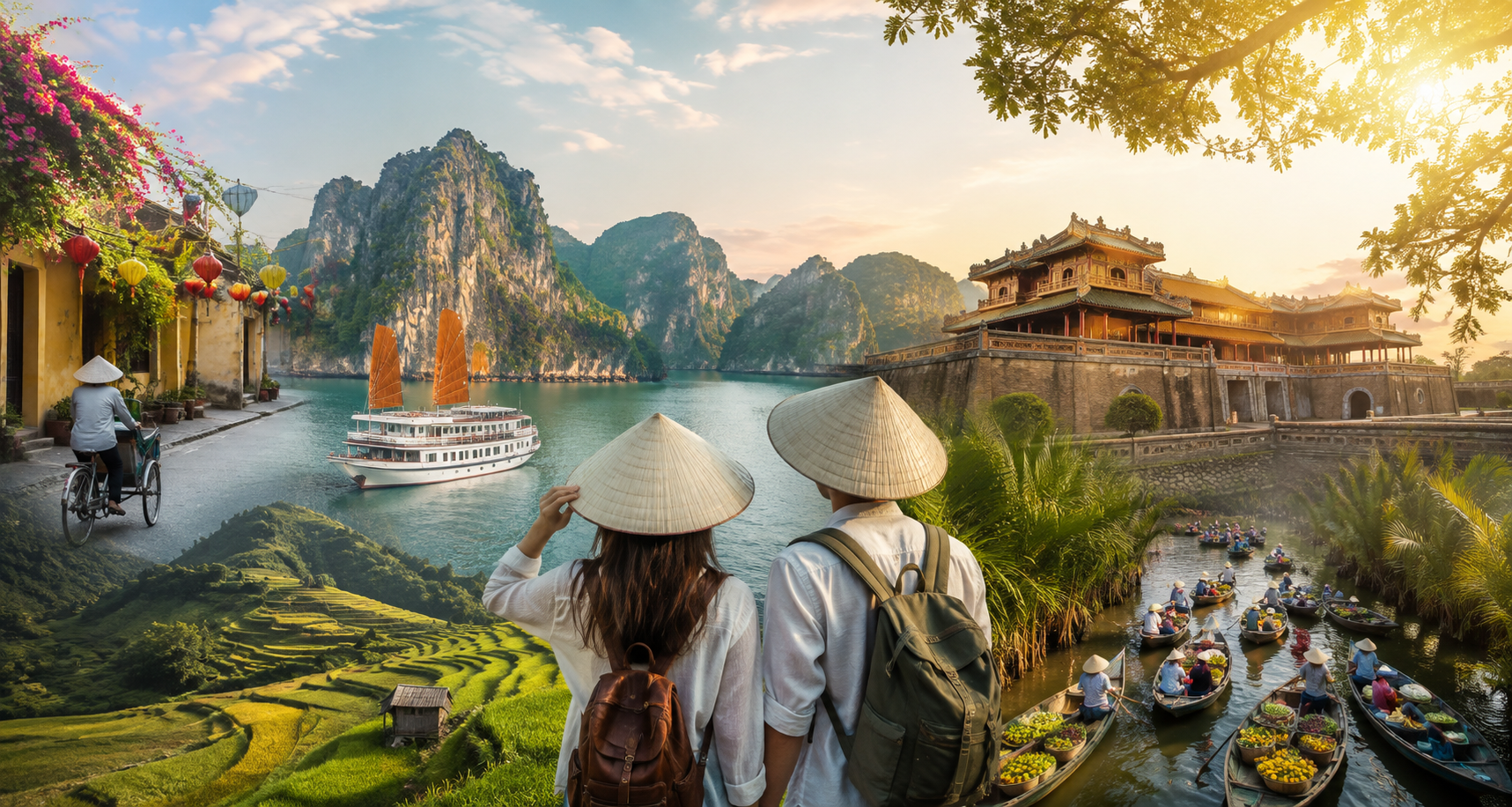

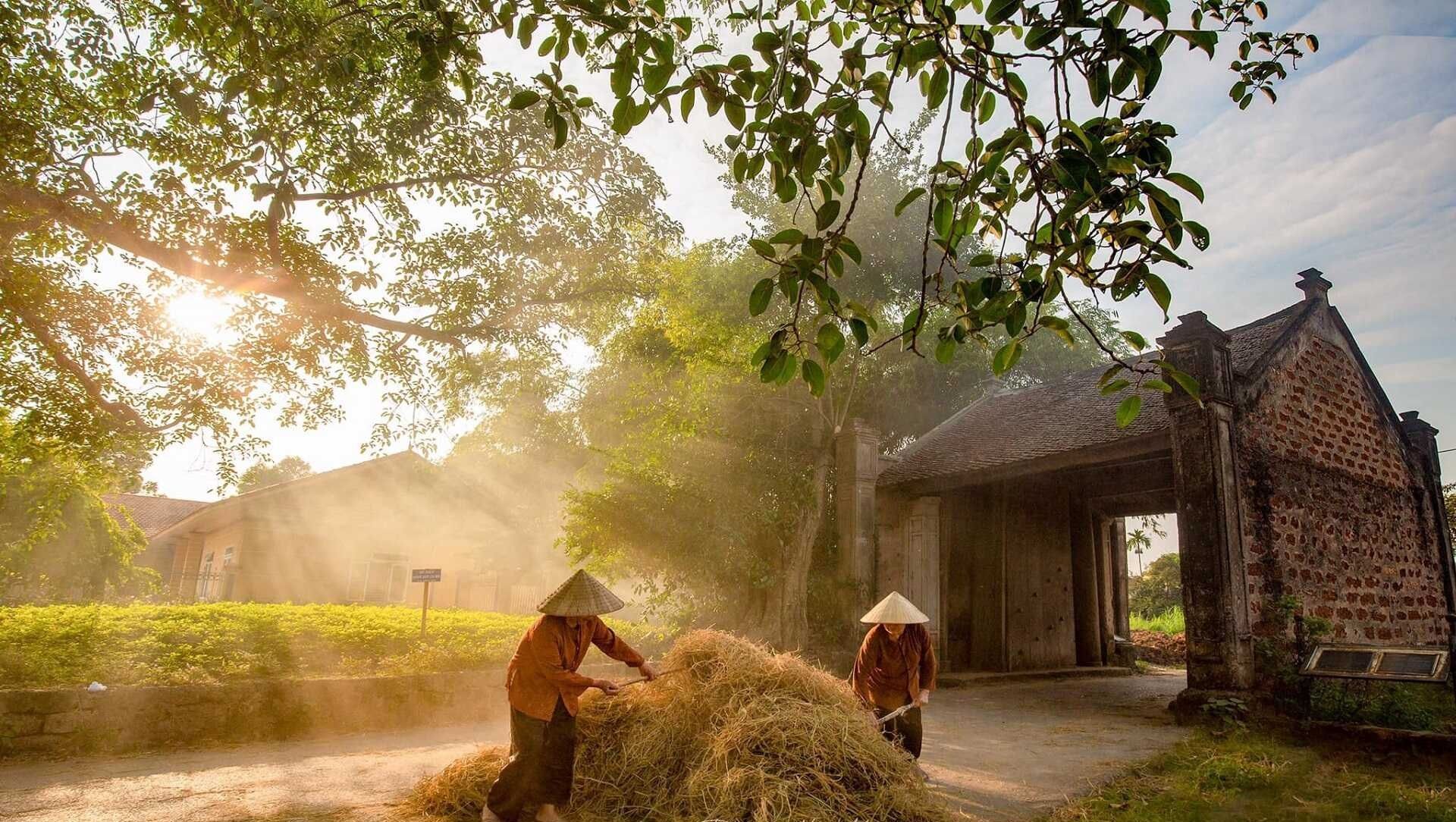
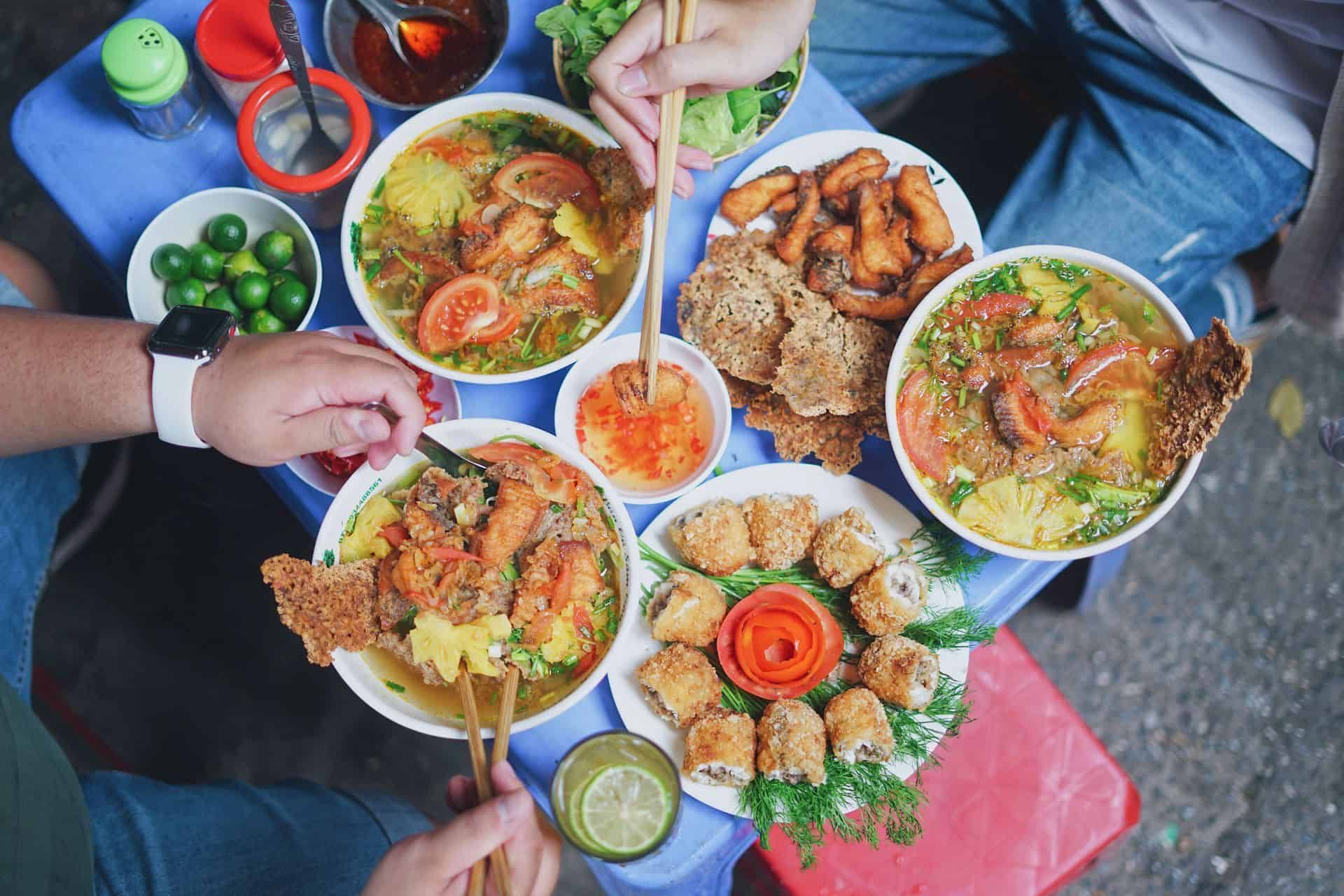
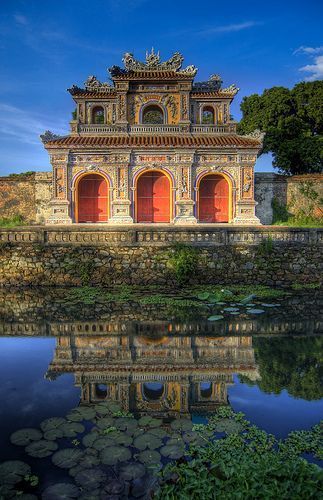
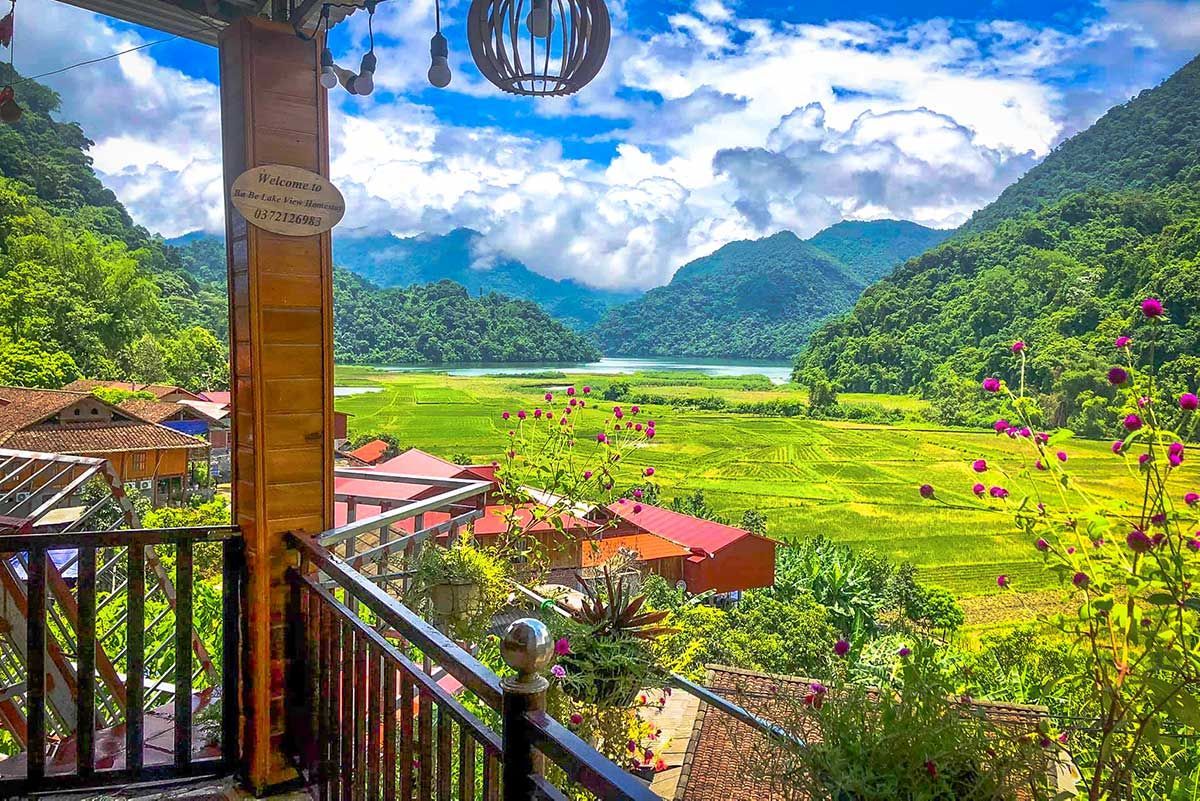
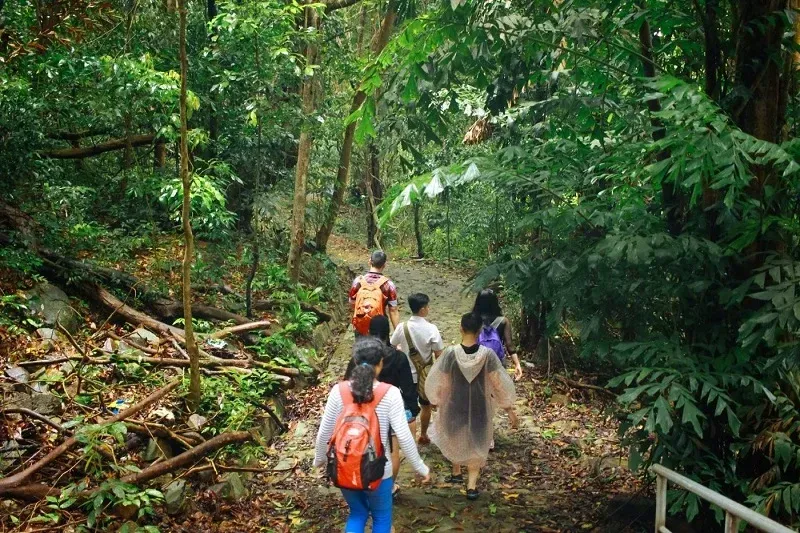
All Blog Travel Guides Regions In Vietnam
Read & view more blog articles about Travel Guides Regions In Vietnam
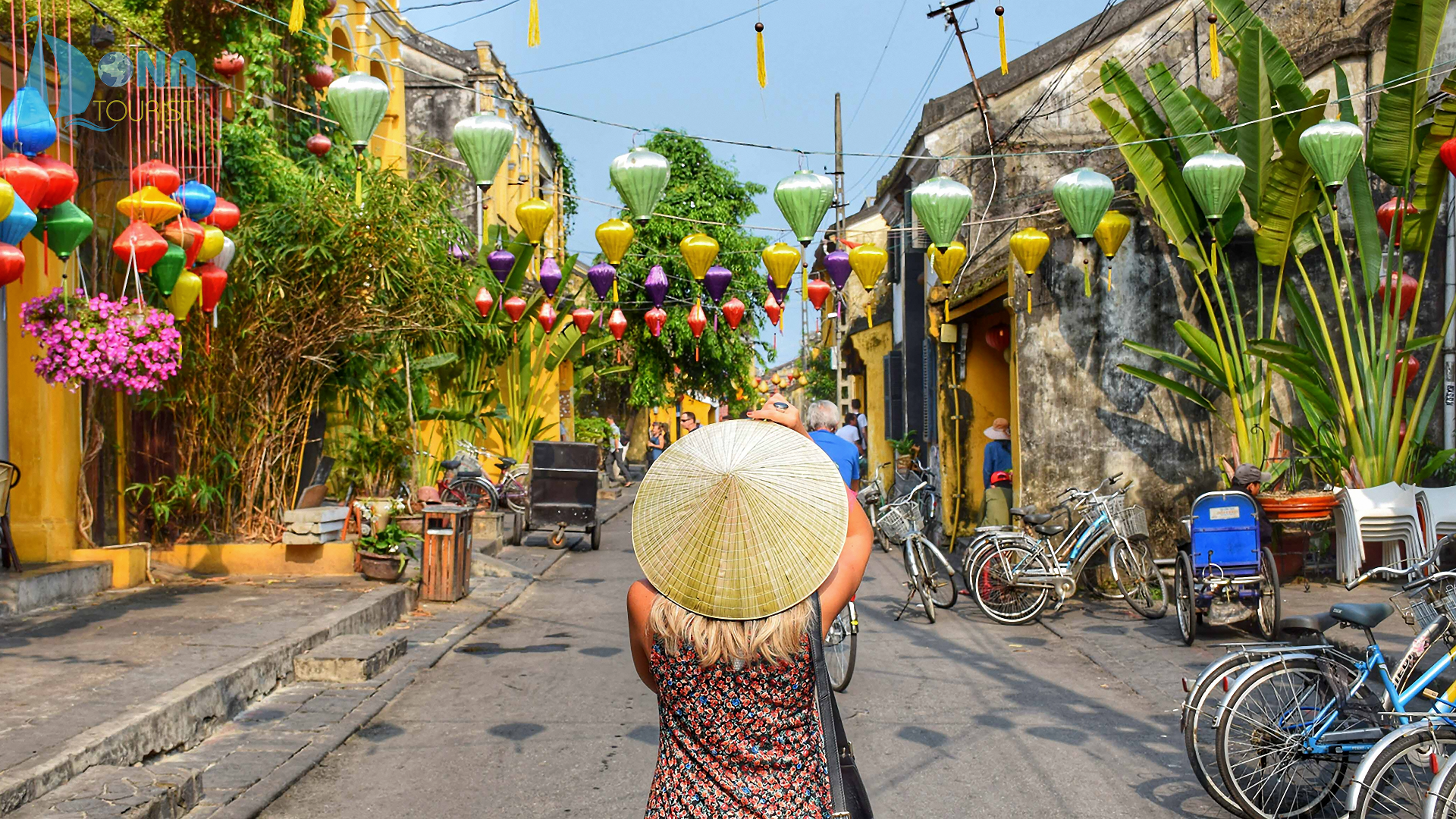
Central Vietnam Guide
Friends Travel Vietnam Blog
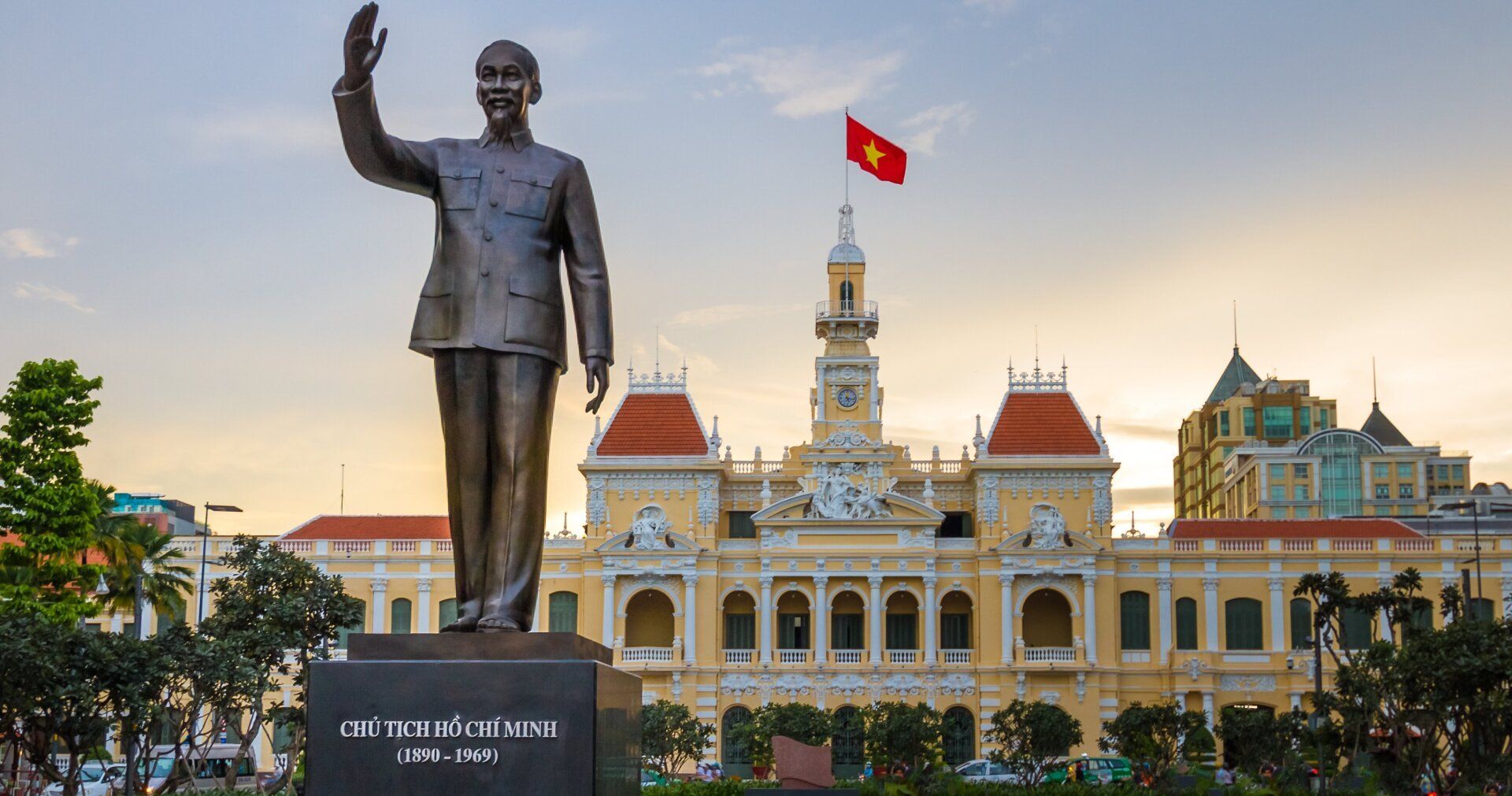
Southern Vietnam Guide
Friends Travel Vietnam Blog

Northern Vietnam Guide
Friends Travel Vietnam Blog