Blog Vietnam Travel Guide
Vietnam is an amazing puzzle, we are happy to assist you to puzzle
your amazing trip for Vietnam
Friends Travel Vietnam the Travel Company Turning Travellers Into
Friends Since 2012
Search & Read more...
Travel packages, private tours, group tours
24/7 Support
The best Price - the best products
Local Experiences
FTV MKT • September 23, 2026
Planning a trip to Vietnam starts with more than choosing beautiful destinations. Before you travel, check the entry requirements for your passport, match your route to the weather, decide how you will stay connected and prepare safe ways to pay and get around.
This Vietnam travel planning guide brings those essentials together in one place. It gives you a clear overview of visas, regional weather, SIM cards, money, health, safety, transport, local etiquette and public holidays, with links to detailed guides for each topic.
Entry rules, health advice, transport schedules and holiday arrangements can change. Always check the linked official sources and the date on each guide before relying on time-sensitive information.
Vietnam Pre-Departure Checklist
A little preparation makes travelling in Vietnam much easier. Use this checklist as a starting point, then open the detailed guide for any topic that applies to your trip.
One to three months before travelling
- Check your passport validity and the current visa or visa-exemption rules for your nationality.
- Choose a realistic route based on the weather in Northern, Central and Southern Vietnam.
- Arrange travel insurance that covers your destinations, planned activities and possible emergency expenses.
- Discuss your itinerary and personal health needs with an appropriate healthcare professional.
- Reserve high-demand flights, trains, cruises and accommodation, especially around public holidays.
- Check whether any prescription medicine requires supporting documents or special permission.
During the final week
- Recheck your flight details, entry documents and first-night accommodation.
- Save offline copies of your passport, visa, insurance policy and important bookings.
- Arrange an eSIM or confirm that your phone is unlocked for a Vietnamese SIM card.
- Prepare more than one payment method and notify your bank if necessary.
- Review the weather forecast and ask your operator about any route disruption.
- Download offline maps and save important contact numbers.
After arriving in Vietnam
- Activate your SIM or eSIM and test mobile data before leaving the airport or shop.
- Obtain a practical amount of Vietnamese dong for small purchases and local services.
- Confirm the vehicle, driver and price before beginning a transfer.
- Keep your passport and backup payment method secure rather than carrying everything together.
- Follow local guidance at religious sites, traditional villages and protected natural areas.
Visa & Entry Requirements
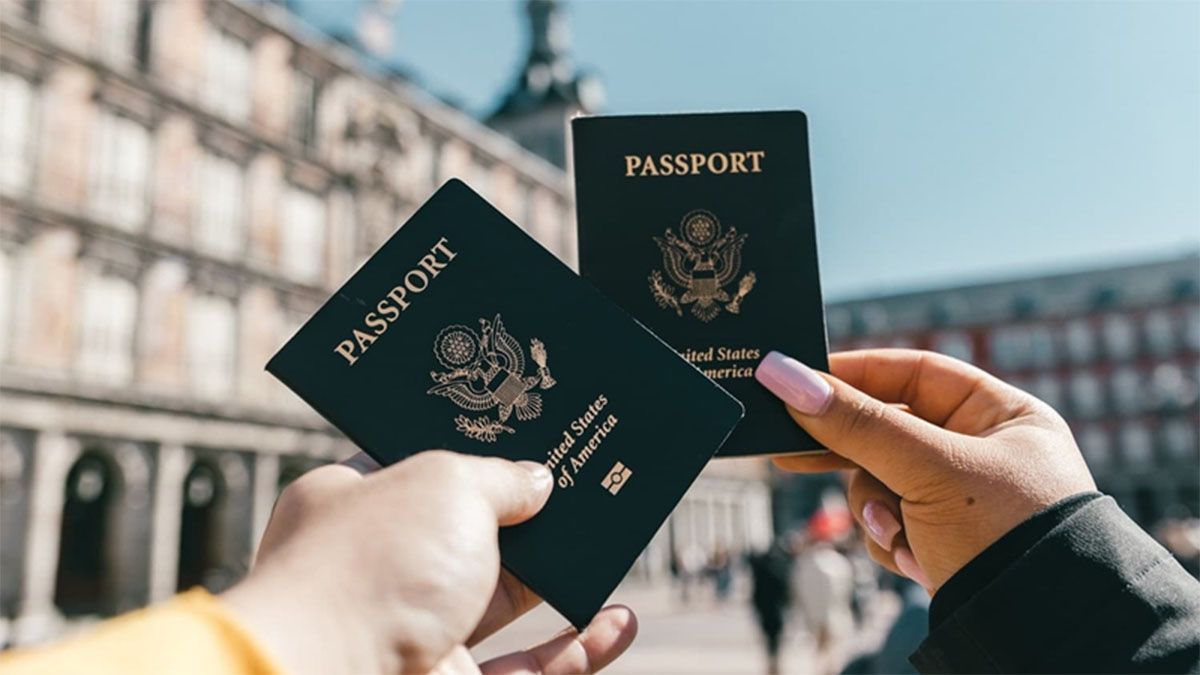
Vietnam’s entry requirements depend on your nationality, passport type, reason for travel and intended length of stay. Do not rely on an old blog post, a social-media comment or another traveller’s experience as proof that the same rule applies to you.
Before booking non-refundable travel, confirm whether you qualify for visa-free entry or need a visa. If you apply for an electronic visa, check every passport detail, travel date and permitted entry point carefully. A small difference between an application and a passport can cause delays or prevent travel.
The Vietnam Immigration Department states that official electronic visa applications and status checks are handled through its government portals, including evisa.gov.vn. Be cautious of commercial websites that resemble an official government service.
Friends Travel Vietnam can help you understand how entry arrangements affect an itinerary, but only the relevant immigration authority can issue a visa or make a final entry decision.
The complete guide covers:
- Visa exemptions and electronic visas;
- Passport and document preparation;
- Permitted entry points;
- Application and arrival procedures;
- Common application mistakes;
- Official sources and update dates.
Read next: Vietnam Visa & Entry Requirements
Weather and Best Time to Visit Vietnam
There is no single best month for every part of Vietnam. The country stretches across several climate zones, so Hanoi, Ha Giang, Hue, Hoi An, Ho Chi Minh City and Phu Quoc can experience very different conditions during the same week.
The best time to visit Vietnam depends on your route. Mountain trekking requires different conditions from a beach holiday, while a journey covering all three regions usually involves a compromise rather than perfect weather everywhere.
| Region | General planning consideration |
|---|---|
| Northern Vietnam | Temperatures and visibility can change considerably between the mountains, Hanoi and the coast. Seasonal conditions also affect trekking and rice-terrace scenery. |
| Central Vietnam | Heat, seasonal rain and tropical storms can affect Hue, Da Nang, Hoi An, Phong Nha and the central coast at different times. |
| Southern Vietnam | Conditions are generally warm, with wetter and drier periods influencing islands, city visits and Mekong Delta activities. |
Check a short-range forecast shortly before each outdoor activity. For cruises, trekking, caves and island transfers, follow the operator’s safety decision even if your original itinerary needs to change.
The complete weather guide explains regional seasons, month-by-month destination choices, packing considerations and alternative routes for less favourable conditions.
Read next: Vietnam Weather & Best Time to Visit
SIM Cards, eSIM & Internet
Most travellers can stay connected in Vietnam with either a local physical SIM card or an eSIM. The better choice depends on your phone, length of stay, data needs and route.
An eSIM can be convenient because it may be installed before arrival. A physical SIM can be useful when you want local assistance with activation or a domestic phone number. In either case, check that your device is unlocked and compatible before purchasing a plan.
Buy from an official provider or clearly identified authorised outlet, and make sure the plan, validity period and data allowance are explained before payment. Airport counters are convenient, while city outlets may offer more time for setup and troubleshooting.
Coverage can become less consistent in mountainous, rural and island areas. Download offline maps, keep accommodation addresses available without internet access and do not depend on a mobile signal for every part of a remote journey.
The detailed connectivity guide compares SIM cards and eSIMs, explains registration and activation, and covers practical internet access outside Vietnam’s major cities.
Read next: Vietnam SIM Card, eSIM & Internet Guide
Money, ATMs, Cards & Tipping
Vietnam’s currency is the Vietnamese dong (VND). Cards and digital payments are increasingly common in hotels, established restaurants and larger businesses, but cash remains useful for markets, small shops, local meals, tips and services in rural areas.
Use ATMs attached to recognised banks when possible, review the displayed fee before confirming a withdrawal and keep your card out of sight when entering your PIN. Carry a backup card separately from your main wallet and avoid exchanging large amounts of money with an unknown individual.
Because Vietnamese banknotes contain several zeroes and some colours are similar, pause to check the denomination before paying. Smaller notes are useful for taxis, markets and local vendors.
Tipping is appreciated in many tourism settings but is not a substitute for a clearly agreed price. Tips for guides, drivers and service staff should reflect the service received and remain voluntary unless a disclosed service charge applies.
The detailed money guide covers cash, cards, ATMs, exchange, possible fees, budgeting and tipping situations.
Read next: Money in Vietnam: ATMs, Cards, Exchange & Tipping
Health, Medical Care & Travel Insurance
Health preparation should reflect your medical history, itinerary, trip length and planned activities. A short city visit and a multi-week rural trekking journey may require different advice.
The CDC Vietnam traveller page recommends checking vaccines and medicines with a healthcare professional before travel. It also provides current information about food and water precautions, mosquito-borne illness, animal contact and access to medical care. Travellers should seek personalised advice rather than copying another person’s vaccine or medication plan.
Bring enough prescribed medicine for your journey, keep it in appropriate packaging and carry supporting documentation where necessary. Do not assume that every medicine available at home can be purchased or legally carried in Vietnam.
Travel insurance should match your actual itinerary. Check whether it covers pre-existing conditions, trekking, cycling, cruises, motorbike use, trip disruption and medical evacuation where relevant. The FCDO Vietnam travel advice recommends insurance appropriate to the itinerary, planned activities and emergency expenses.
Useful everyday precautions include staying hydrated, using sun and insect protection, avoiding contact with unfamiliar animals and seeking qualified medical help when symptoms are serious or persistent.
Read next: Health, Medical Care & Travel Insurance in Vietnam
This guide provides general travel information and is not a substitute for advice from a qualified healthcare professional.
Travel Safety & Scams
Vietnam is straightforward to explore for many international visitors, but no destination or journey can be guaranteed risk-free. The most useful approach is to understand common problems, reduce avoidable exposure and know whom to contact if something goes wrong.
Road traffic deserves particular attention. Choose reputable transport, use seatbelts where available, wear an appropriate helmet and avoid driving a motorbike unless you have the correct licence, experience and insurance coverage. A rental company handing you a vehicle does not prove that you are legally licensed or insured to use it.
Common preventable problems include unclear taxi fares, unexpected service charges, payment confusion, phone or bag theft in busy areas and offers that create pressure to pay immediately. Confirm prices and inclusions before accepting a service, keep control of your payment card and use official booking details rather than links sent by an unknown account.
Solo travellers should share key plans with someone they trust, avoid becoming isolated with an unknown person and keep enough battery and data to arrange safe transport. Check the current travel advice published by your own government before departure.
Read next: Vietnam Travel Safety & Common Scams
Transport & Getting Around
The best way to travel around Vietnam depends on distance, available time, comfort and the experience you want. Map distance alone can be misleading: mountain roads, city traffic, ferry connections and transfer stops can make a short-looking route take much longer than expected.
This is paragraph text. Click it or hit the Manage Text button to change the font, color, size, format, and more. To set up site-wide paragraph and title styles, go to Site Theme.
Keep Up To Date And Be Entertained With Our Blog!
Increase Your Savvy With Our Favourite Blog Articles
Thanks for reading & supporting our blog, we really hope you enjoyed it! At "Friends Travel Vietnam" it is our mission to make your stay in our beautiful country as unforgettable as possible. One of the ways we do that is by providing high quality and informative blogs, like the one you just read!
Please support us by sharing this blog, liking our Facebook page. Your support means the world to us!
Index Travel Blog
Read & view more blog articles about Vietnam



All Blog Travel Guides Regions In Vietnam
Read & view more blog articles about Travel Guides Regions In Vietnam
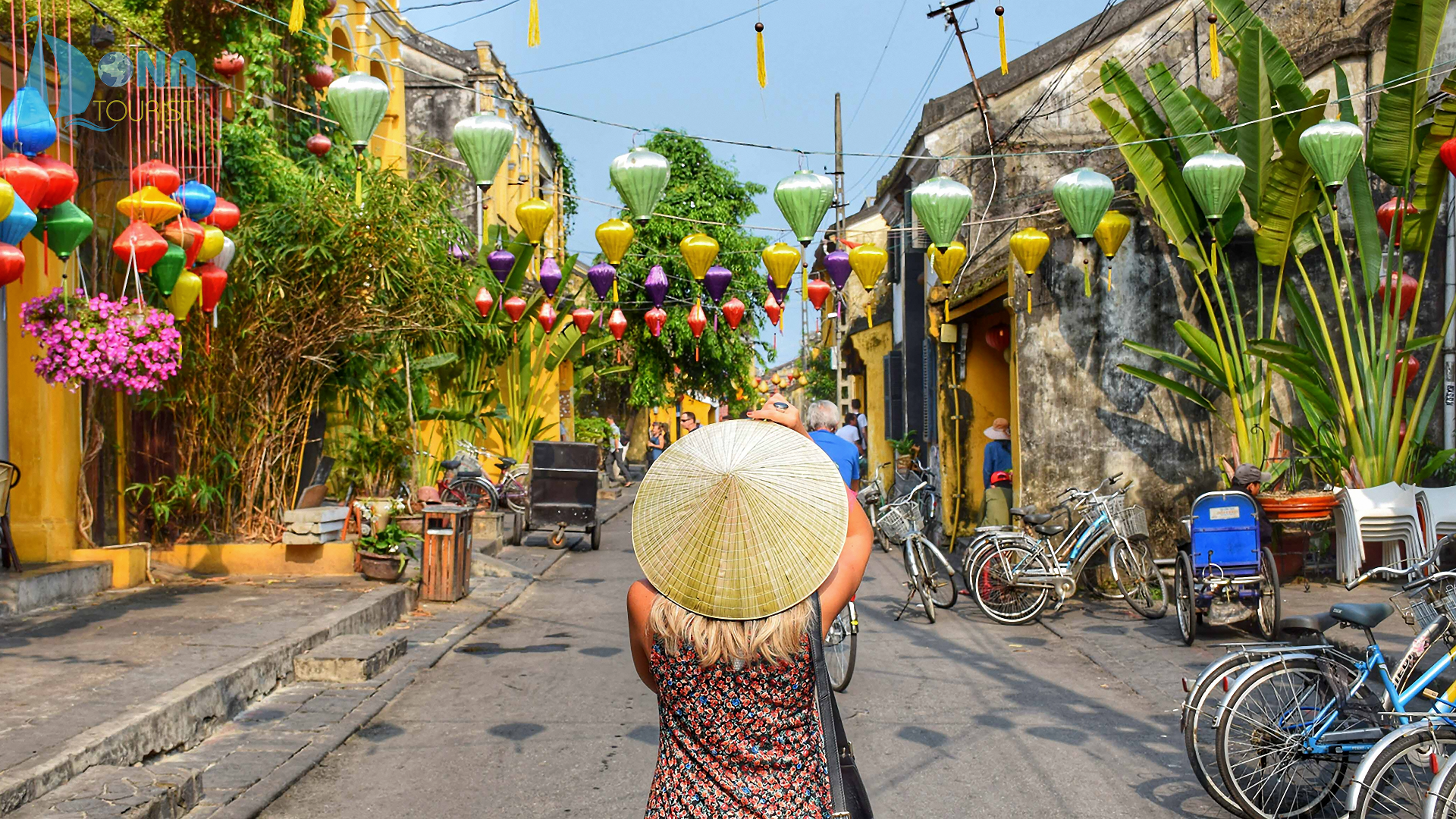
Central Vietnam Guide
Friends Travel Vietnam Blog
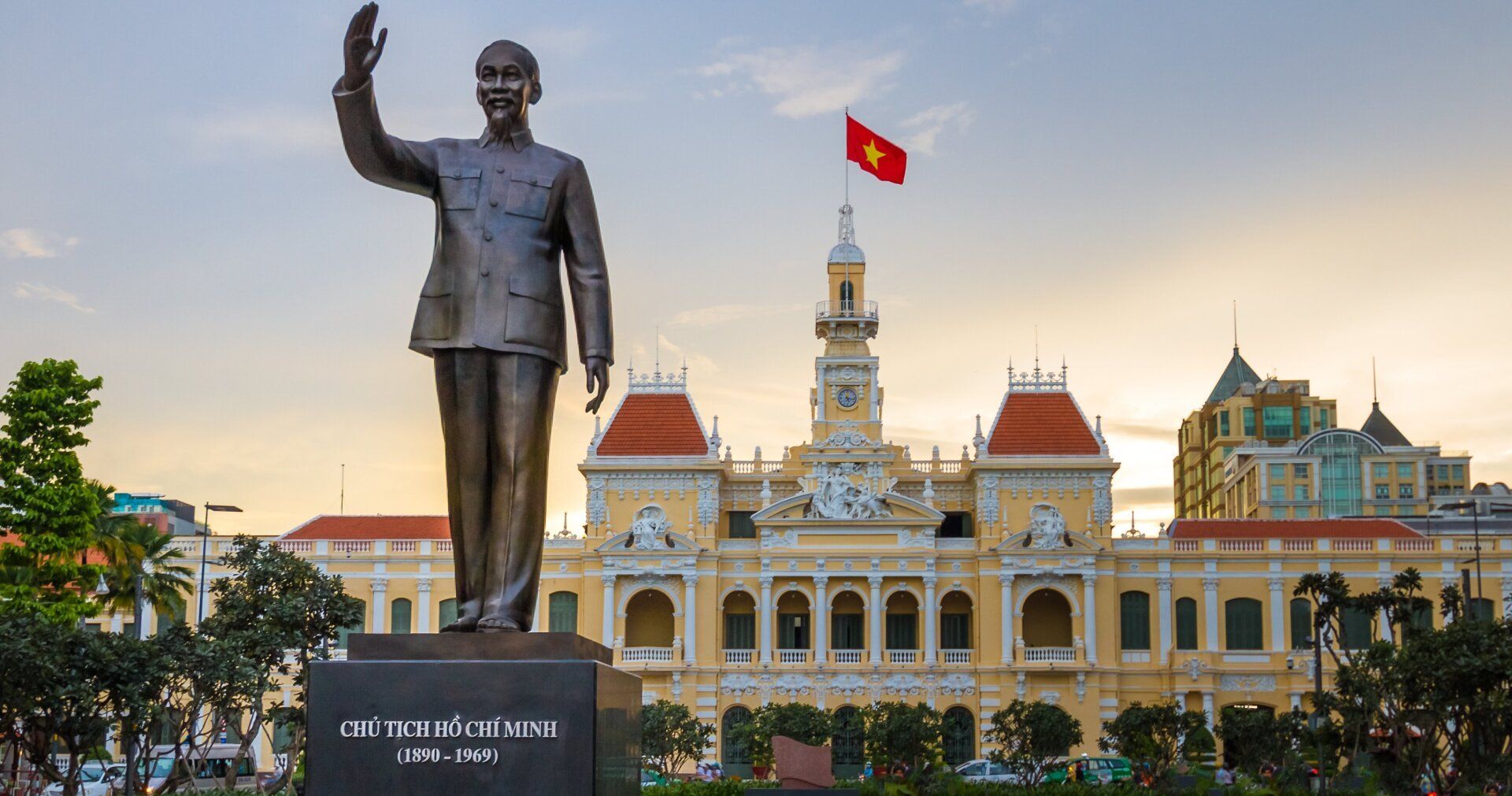
Southern Vietnam Guide
Friends Travel Vietnam Blog

Northern Vietnam Guide
Friends Travel Vietnam Blog