Blog Vietnam Travel Guide
Vietnam is an amazing puzzle, we are happy to assist you to puzzle
your amazing trip for Vietnam
Friends Travel Vietnam the Travel Company Turning Travellers Into
Friends Since 2012
Search & Read more...
Travel packages, private tours, group tours
24/7 Support
The best Price - the best products
Local Experiences
FTV MKT • August 18, 2025
Contents
- 1. A Millennium of History: The Story of the Imperial Citadel of Thang Long
- 1.1 The Dragon's Ascent: Origins in the Ly Dynasty
- 1.2 A Citadel Through Dynasties: Tran, Le, and Nguyen
- 1.3 UNESCO World Heritage Recognition
- 1.4 Architectural Marvels of the Citadel: What to See Inside
- 2. The Grand Gates of the Imperial Citadel of Thang Long
- 2.1 Doan Mon Gate (The South Gate)
- 2.2 The Heart of Power: Kinh Thien Palace Platform
- 2.3 The Flag Tower of Hanoi (Cot Co Hanoi)
- 2.4 Unearthing the Past: The 18 Hoang Dieu Archaeological Site
- 3. The Cultural and Historical Significance of Thang Long Hanoi
- 4. Your Visitor's Guide to the Imperial Citadel of Thang Long Today
- 4.1 Guided Tours vs. Self-Exploration
- 5. Practical Information for Your Visit
- 6. Exploring Beyond the Citadel: Nearby Hanoi Attractions
- 7. Why a Local Guide Makes All the Difference
- 8. Friends Travel Vietnam: Your Gateway to Authentic Hanoi
- 9. Don't Miss the Heart of Hanoi
Welcome to Hanoi, a city where ancient temples stand beside colonial villas and modern skyscrapers pierce the sky. Amidst the thrilling chaos of motorbike-filled streets and the fragrant steam of street food stalls lies a place of profound peace and immense historical weight: the Imperial Citadel of Thang Long. This sprawling complex, a designated UNESCO World Heritage Site, is not just another tourist attraction; it is the very soul of Vietnam, a silent witness to over a millennium of the nation's triumphs, tribulations, and enduring spirit.
For any international traveler seeking to understand the story of Vietnam beyond the headlines and guidebooks, a visit to the Imperial Citadel of Thang Long is an absolute must. It's here that you can literally walk through layers of history, touch the stones laid by ancient dynasties, and feel the pulse of a capital that has stood for over 1,000 years. This is more than just a ruin; it's a living museum, a testament to the resilience of Vietnamese culture.
1. A Millennium of History: The Story of the Imperial Citadel of Thang Long
To truly appreciate the Citadel, one must first understand its epic history. This wasn't just a palace; for centuries, it was the epicenter of Vietnamese political power, a forbidden city that housed the nation's most powerful rulers.
1.1 The Dragon's Ascent: Origins in the Ly Dynasty
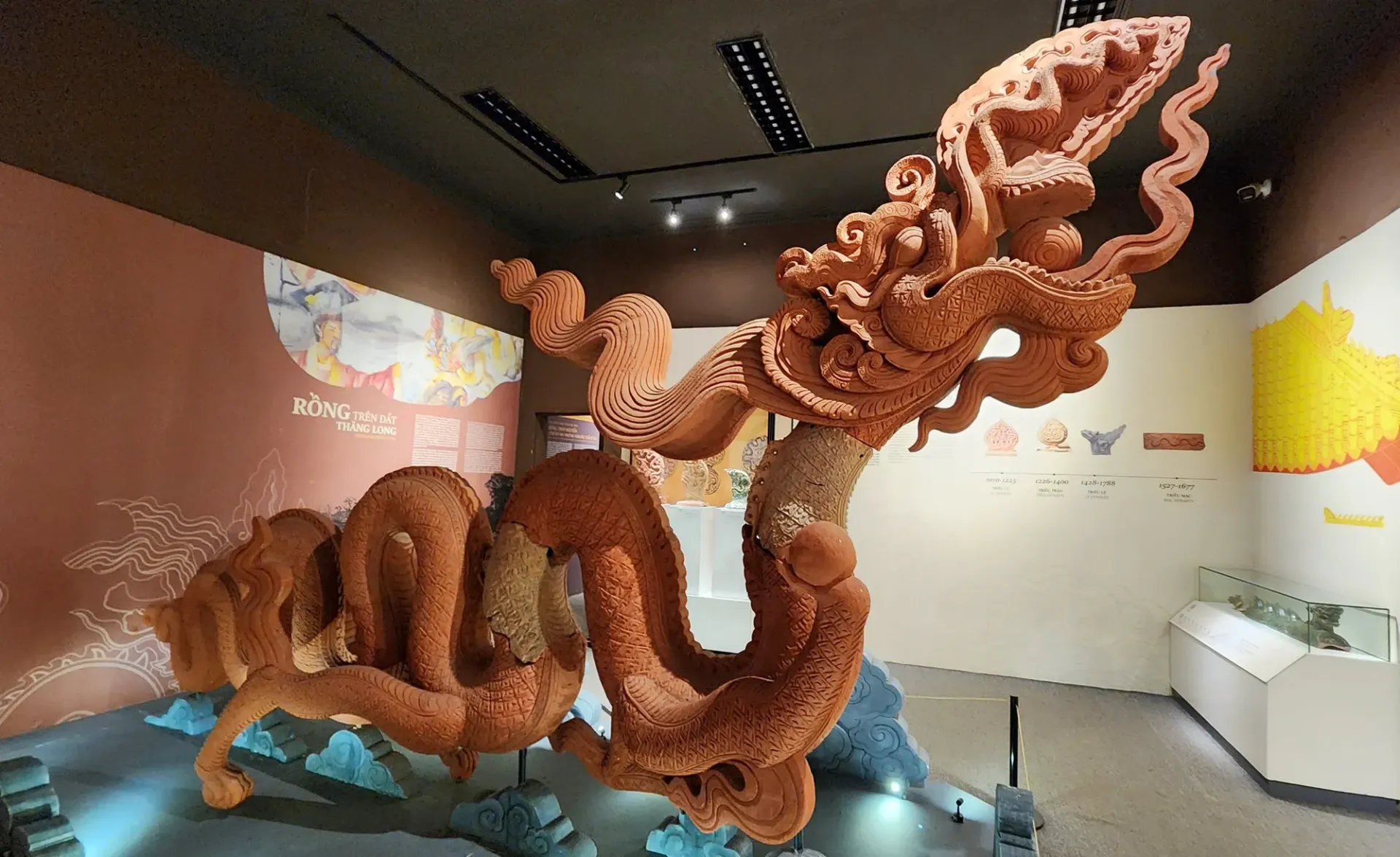
The story of the Imperial Citadel of Thang Long begins in 1010. After ascending to the throne, Emperor Ly Thai To made a fateful decision to move his capital from Hoa Lu (in modern-day Ninh Binh) to the fertile plains of the Red River Delta. Legend has it that as his royal boat approached the new site, a golden dragon soared into the sky. Seeing this as a divine omen, he named the new capital Thang Long, meaning "Ascending Dragon." He then ordered the construction of a magnificent citadel to serve as the heart of his new empire. For the next 200 years, the Ly Dynasty would oversee a golden age of Vietnamese culture and independence from this very spot.
1.2 A Citadel Through Dynasties: Tran, Le, and Nguyen
The fall of one dynasty meant the rise of another, but the Citadel remained. It was expanded and modified by the subsequent Tran (13th-14th centuries) and Le (15th-18th centuries) dynasties, each adding their own architectural and cultural imprints. It was the center from which Vietnamese rulers repelled Mongol invasions, created sophisticated legal codes, and fostered art and literature.
When the Nguyen Dynasty established its capital in Hue in the early 19th century, the Hanoi citadel was demoted in status but remained a significant northern stronghold. It was during this period that the iconic Flag Tower of Hanoi was constructed, a structure that would later become a powerful symbol of the city itself.
1.3 UNESCO World Heritage Recognition
After centuries of change, war, and neglect, the true historical value of the site was brought to light through extensive archaeological excavations starting in the 21st century. Archaeologists unearthed millions of artifacts and architectural foundations stacked layer upon layer, revealing an unbroken history of human settlement and power. In recognition of its profound cultural and historical
importance, the Imperial Citadel of Thang Long was inscribed as a UNESCO World Heritage Site in 2010, coinciding with the 1,000th anniversary of Hanoi's founding. This recognition cemented its place as one of the most vital pieces of cultural heritage in Vietnam.
1.4 Architectural Marvels of the Citadel: What to See Inside
Walking through the gates of the Imperial Citadel of Thang Long is like stepping back in time. While many of the original palaces were destroyed over the centuries, the remaining structures and archaeological sites paint a vivid picture of its former glory.
2. The Grand Gates of the Imperial Citadel of Thang Long
Your journey begins at one of its imposing gates.
2.1 Doan Mon Gate (The South Gate)
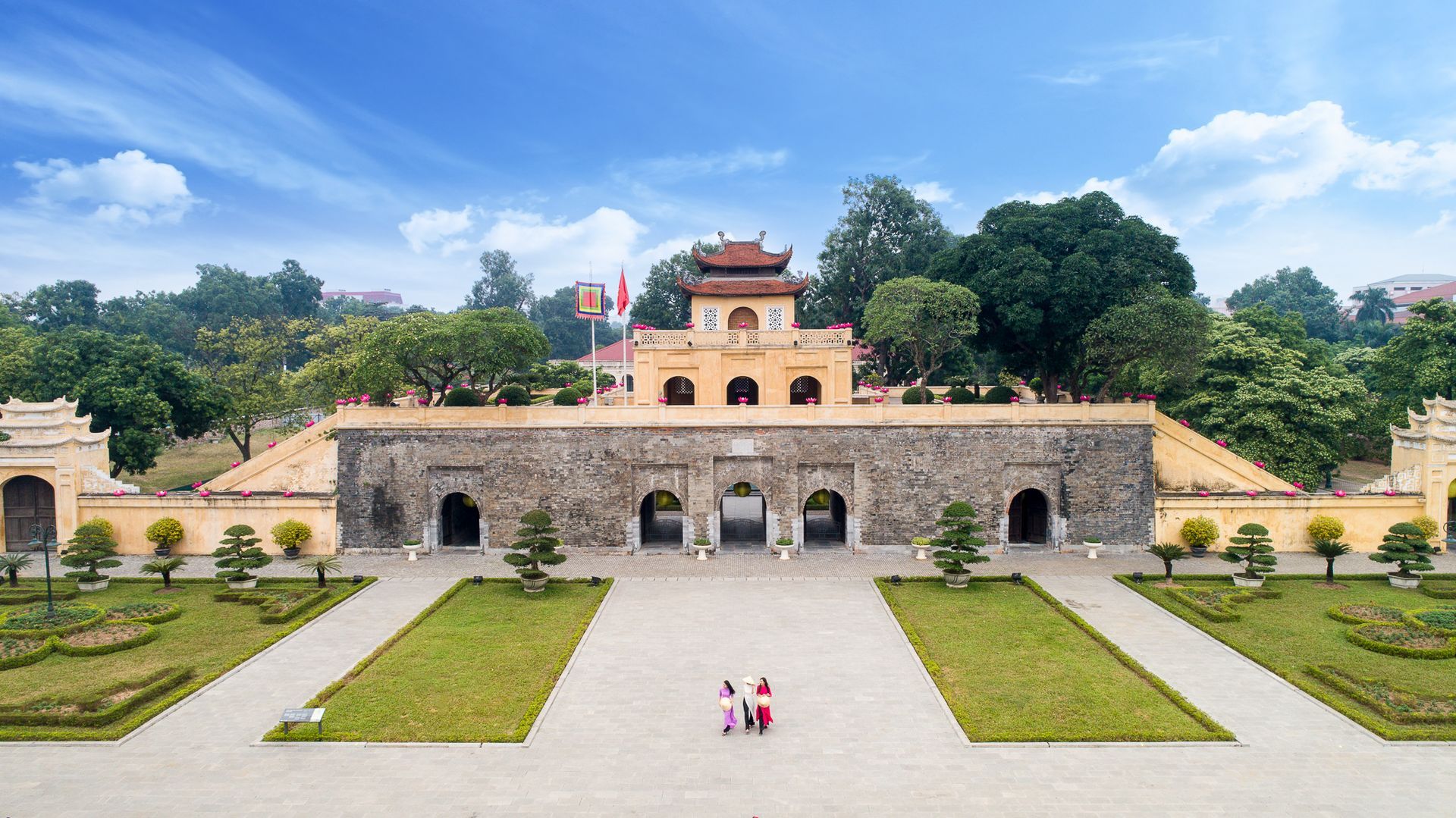
Doan Mon is the main southern entrance to the Forbidden City, the innermost sanctum reserved for the emperor. Built during the Le Dynasty and later restored by the Nguyen Dynasty, its magnificent five-arched structure is a perfect example of traditional Vietnamese imperial architecture. As you pass through its massive stone walls, imagine the processions of mandarins and royalty that once graced these very grounds.
2.2 The Heart of Power: Kinh Thien Palace Platform
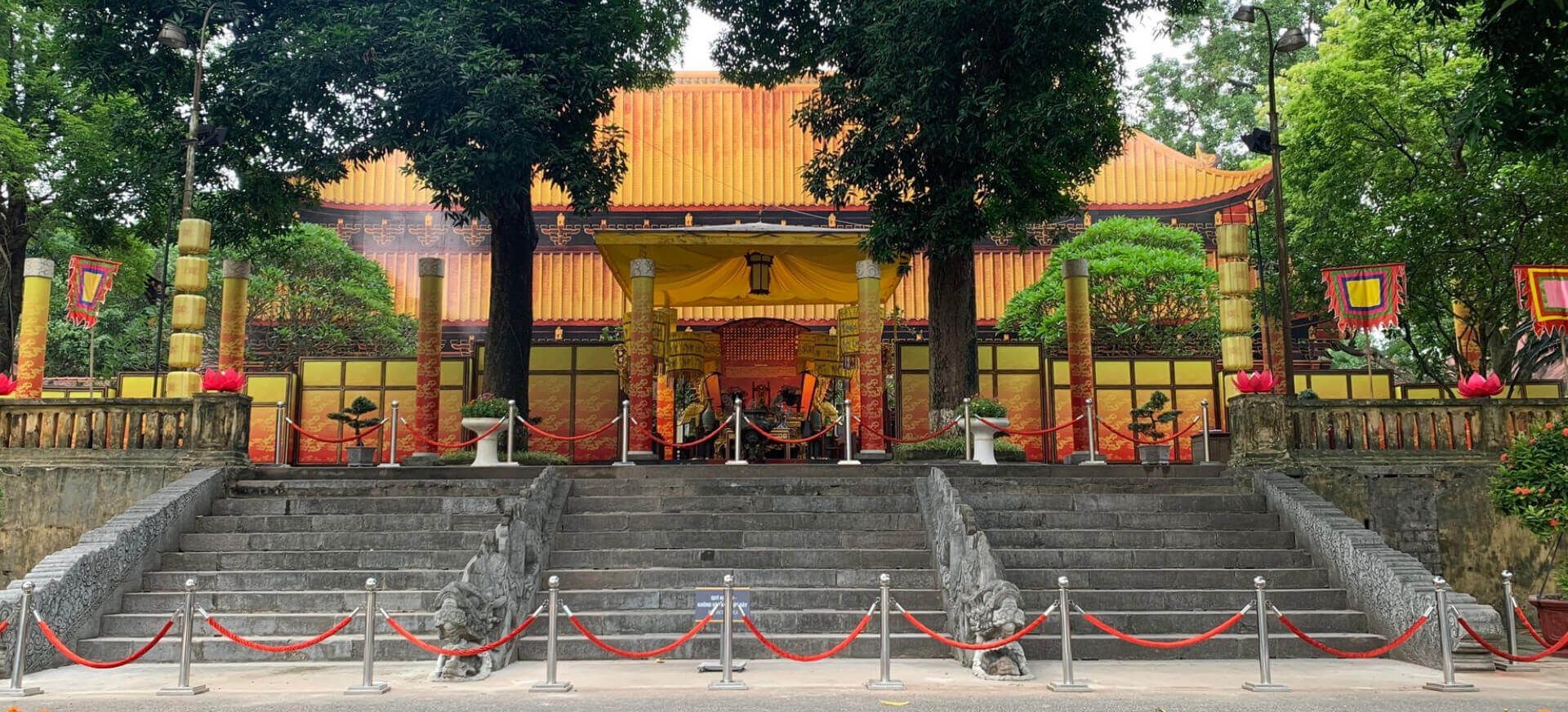
While the grand Kinh Thien Palace itself was destroyed by the French in the late 19th century, its monumental platform remains. The most striking features are the stone steps guarded by four intricately carved dragons. These dragons, created in the 15th century during the Le Dynasty, are masterpieces of Vietnamese stone carving, symbolizing imperial power and divine authority. Standing on this platform, you are at the absolute center of power where the most important state ceremonies once took place.
2.3 The Flag Tower of Hanoi (Cot Co Hanoi)
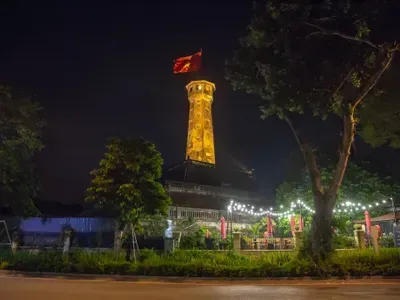
Standing tall at 33.4 meters (over 40 meters with the flag), the Flag Tower is one of Hanoi's most iconic landmarks. Built in 1812 during the Nguyen Dynasty, it is one of the few structures on the site that survived the French colonial period intact. For centuries, it has served as a military watchtower and a symbol of Hanoi's resilience. Climbing the spiral staircase inside offers a panoramic view of the Citadel grounds and the Ba Dinh district, providing a unique perspective on this historic site.
2.4 Unearthing the Past: The 18 Hoang Dieu Archaeological Site
Perhaps the most fascinating part of the Imperial Citadel of Thang Long is the archaeological site at 18 Hoang Dieu. Here, you can see the literal layers of history that were buried for centuries. The excavation pit reveals foundations of palaces from the Ly, Tran, and Le dynasties, one on top of the other. Looking down into this cross-section of time, you can see the evolution of this incredible center of power over 1,300 years.
3. The Cultural and Historical Significance of Thang Long Hanoi
The Citadel's importance transcends its physical structures. It is a powerful symbol of Vietnamese national identity and independence.
- A Symbol of Sovereignty: For nearly a thousand years, this was the place where Vietnam's destiny was shaped. It represents an unbroken line of self-governance and cultural development.
- A Resilient Witness: The Citadel has endured countless conflicts. During the French colonial period, it was used as a military headquarters. More recently, during the Vietnam War (known in Vietnam as the American War), the D67 Tunnel and House were built within the complex. This underground bunker served as the secret headquarters of the North Vietnamese Army, where generals like Vo Nguyen Giap planned major campaigns, including the 1975 Spring Offensive. A visit here offers a powerful link between ancient and modern Vietnamese history.
- A Treasure Trove of Heritage: The artifacts unearthed here—from pottery and ceramics to ornate roof tiles and personal items—provide invaluable insight into the daily lives, beliefs, and artistic achievements of past dynasties.
4. Your Visitor's Guide to the Imperial Citadel of Thang Long Today
Planning a trip to this historic complex is easy. Here is everything you need to know for a smooth and enriching visit to one of Hanoi's best attractions.
Highlights for Visitors
- Doan Mon Gate: The perfect starting point for your tour.
- Kinh Thien Palace Platform: Don't miss the chance to see the dragon carvings up close.
- D67 Tunnel and House: A fascinating glimpse into the command center of the Vietnam War.
- The North Gate (Bac Mon): Notable for the cannonballs from a French attack in 1882 still lodged in its walls.
- On-site Museum: Houses a vast collection of artifacts discovered during the excavations, providing context to what you see outside.
4.1 Guided Tours vs. Self-Exploration
You can easily explore the Imperial Citadel of Thang Long on your own. Signage is available in both Vietnamese and English. However, to truly grasp the depth of its history, a guided tour is highly recommended. A knowledgeable local guide can bring the stories of the dynasties to life, point out hidden details, and explain the significance of the architecture and artifacts in a way a signpost never could.
4. 2 Photography Spots
The Citadel is a photographer's dream. The best spots include:
- The grand facade of the Doan Mon Gate.
- The panoramic view from the top of the Flag Tower.
- The intricate dragon carvings at Kinh Thien Palace.
- The serene pathways lined with ancient banyan trees.
5. Practical Information for Your Visit
Location and How to Get There
The Imperial Citadel of Thang Long is centrally located at 19C Hoang Dieu Street, Ba Dinh District, Hanoi. It's just a short distance from other major attractions.
- By Taxi/Grab: The easiest way to get there. Just input the name into the app.
- By Bus: Several public bus routes stop nearby.
- On Foot: If you are staying in the Ba Dinh or Hoan Kiem districts, it’s a pleasant walk.
Opening Hours & Ticket Prices
- Opening Hours: 8:00 AM – 5:00 PM, Tuesday to Sunday. The site is closed on Mondays.
- Ticket Price: The entrance fee is 30,000 VND (approximately $1.25 USD) per person, which is incredibly reasonable for a UNESCO World Heritage Site.
Best Times to Visit
To avoid the largest crowds and the midday heat, it's best to visit on a weekday morning. The weather in Hanoi is most pleasant during the autumn months (September to November), making it an ideal time for exploring outdoor sites like the Citadel.
6. Exploring Beyond the Citadel: Nearby Hanoi Attractions
One of the best things about the Imperial Citadel of Thang Long is its prime location. You can easily combine your visit with other essential Hanoi experiences.
- Ho Chi Minh Mausoleum Complex: Just a short walk away, this complex includes the final resting place of Vietnam's revolutionary leader, his stilt house, and the One Pillar Pagoda.
- Temple of Literature (Van Mieu - Quoc Tu Giam): Vietnam's first national university, this beautiful temple complex dedicated to Confucius is a must-see.
- Hanoi Old Quarter: Get lost in the 36 streets of this bustling commercial heart of Hanoi, famous for its shops, cafes, and incredible street food. A Hanoi street food tour is the perfect way to explore this area after your historical tour.
- Hoan Kiem Lake & Ngoc Son Temple: The legendary "Lake of the Restored Sword" is the social and geographical heart of Hanoi, a perfect place for a relaxing stroll.
7. Why a Local Guide Makes All the Difference
While you can visit the Imperial Citadel of Thang Long independently, the experience is profoundly elevated with a local guide. History is more than just dates and names; it's about stories, context, and cultural nuances. A local guide can:
- Provide Deep Insights: Share legends, anecdotes, and historical details you won't find in a guidebook.
- Navigate with Ease: Ensure you see the most important parts of the sprawling complex efficiently.
- Bridge the Language Gap: Help you interact with locals and understand the culture on a deeper level.
- Create a Personalized Experience: Tailor the tour to your interests, whether you're a history buff, an architecture enthusiast, or a photographer.
8. Friends Travel Vietnam: Your Gateway to Authentic Hanoi
Ready to explore the wonders of Hanoi and beyond? At Friends Travel Vietnam, we specialize in creating unforgettable, authentic travel experiences for international visitors. We believe that travel should be about connection—connecting with history, culture, and most importantly, with people.
Our Hanoi city tours, led by expert local guides, include an in-depth visit to the Imperial Citadel of Thang Long, ensuring you get the richest experience possible. But we don't stop there. We can help you discover all that Vietnam has to offer:
- Hanoi City & Food Tours: Dive into the history and taste the incredible flavors of the capital.
- Sapa Trekking Tours: Explore the stunning rice terraces and vibrant hill-tribe cultures of Northern Vietnam. Find out more about our Sapa trekking tours.
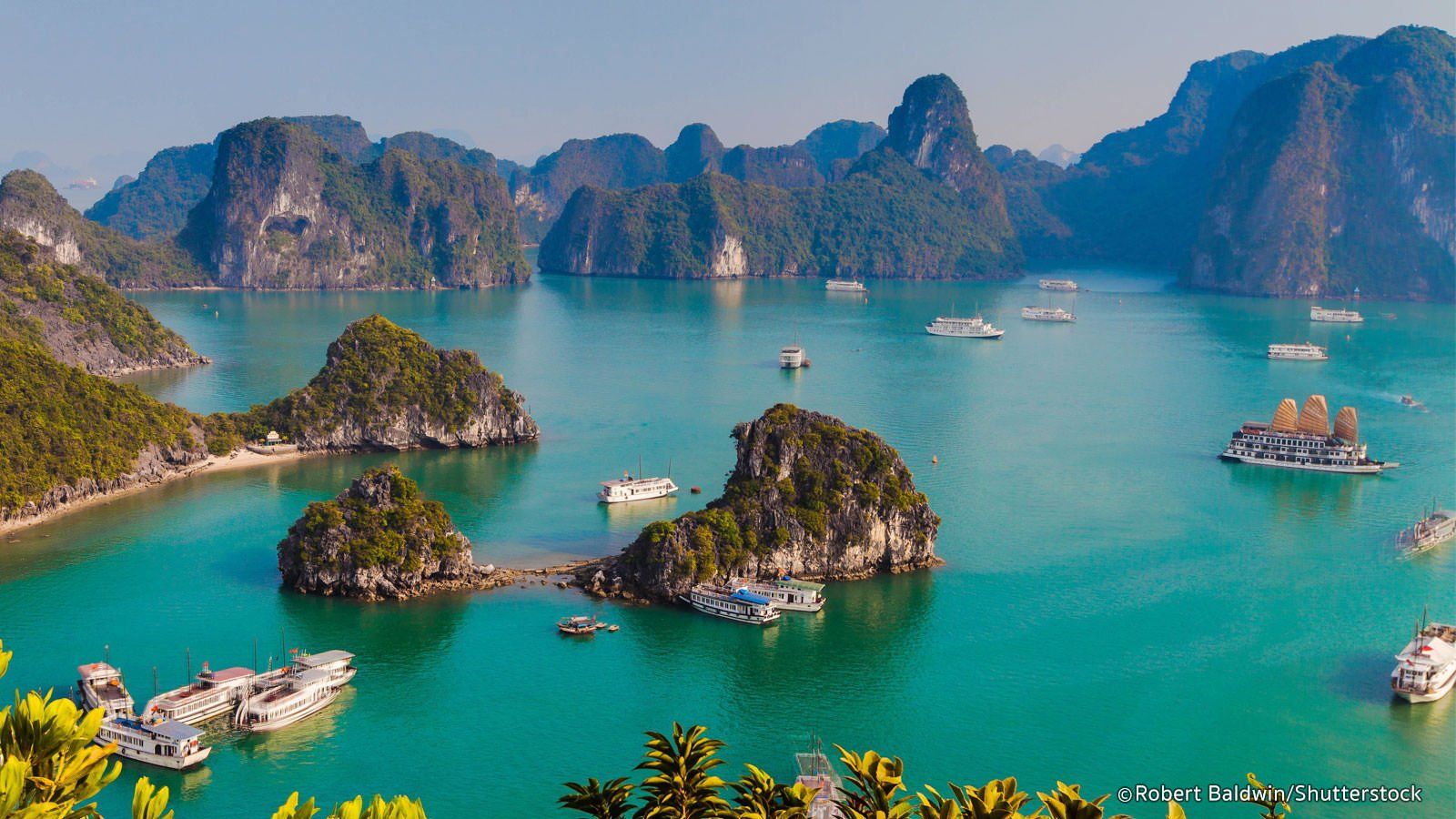
- Ha Long Bay & Lan Ha Bay Cruises: Sail through limestone karsts on our carefully selected overnight cruises.
- Visa & Travel Support: Need help with your Vietnam visa information? We've got you covered.
Our team is dedicated to providing top-notch service with a personal touch. Let us handle the logistics so you can focus on making lifelong memories.
Ready for your Vietnam adventure? Book your Hanoi tour with Friends Travel Vietnam today!
9. Don't Miss the Heart of Hanoi
The Imperial Citadel of Thang Long is far more than just a collection of old buildings; it is the historical anchor of Hanoi and a cornerstone of Vietnamese identity. A visit here offers a quiet, contemplative journey through a thousand years of history, providing a profound understanding of the nation's past and its resilient spirit.
No trip to Hanoi is complete without walking these sacred grounds. By exploring the Imperial Citadel of Thang Long, you are not just seeing a top Hanoi attraction; you are connecting with the very soul of Vietnam. Combine it with the culinary delights of a street food tour and the natural wonders of Sapa for a truly comprehensive Vietnamese experience.
Don't just see Vietnam—experience it. Let Friends Travel Vietnam be your guide.
This is paragraph text. Click it or hit the Manage Text button to change the font, color, size, format, and more. To set up site-wide paragraph and title styles, go to Site Theme.
Keep Up To Date And Be Entertained With Our Blog!
Increase Your Savvy With Our Favourite Blog Articles
Thanks for reading & supporting our blog, we really hope you enjoyed it! At "Friends Travel Vietnam" it is our mission to make your stay in our beautiful country as unforgettable as possible. One of the ways we do that is by providing high quality and informative blogs, like the one you just read!
Please support us by sharing this blog, liking our Facebook page. Your support means the world to us!
Index Travel Blog
Read & view more blog articles about Vietnam


All Blog Travel Guides Regions In Vietnam
Read & view more blog articles about Travel Guides Regions In Vietnam
Central Vietnam Guide
Friends Travel Vietnam Blog
Southern Vietnam Guide
Friends Travel Vietnam Blog

Northern Vietnam Guide
Friends Travel Vietnam Blog