Blog Vietnam Travel Guide
Vietnam is an amazing puzzle, we are happy to assist you to puzzle
your amazing trip for Vietnam
Friends Travel Vietnam the Travel Company Turning Travellers Into
Friends Since 2012
Search & Read more...
Travel packages, private tours, group tours
24/7 Support
The best Price - the best products
Local Experiences
FTV MKT • May 5, 2025
Contents
- 1. Introduction: Why Water Sports Safety Matters in Vietnam
- 2. Understand Common Water Sports in Vietnam
- 3. Check Local Safety Regulations
- 4. Choose Certified Tour Operators
- 5. Evaluate Safety Equipment
- 6. Understand Weather and Sea Conditions in Vietnam
- 7. Know Your Own Limits
- 8. Ask for Safety Briefings
- 9. Travel Insurance for Water Sports
- 10. Learn from Past Incidents
- 11. Trusted Resources and Local Experts
- 12. Final Thoughts
1. Introduction: Why Water Sports Safety Matters in Vietnam
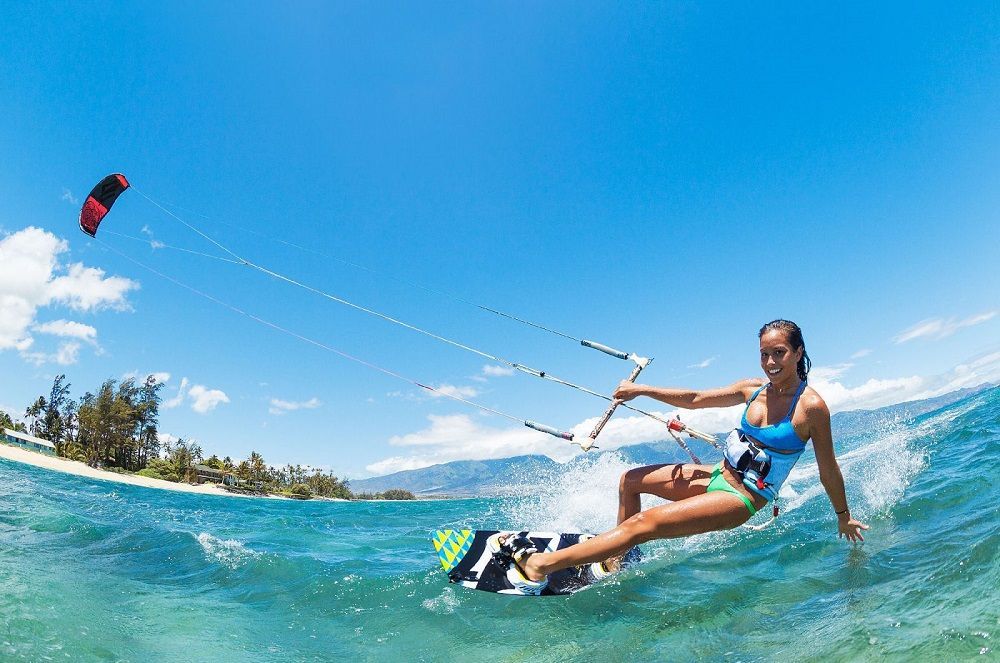
Vietnam is fast becoming a hotspot for water sports, from diving in Phu Quoc to kite surfing in Mui Ne. With year-round tropical waters and stunning coastlines, it's no surprise that tourists and locals alike are diving into aquatic adventures.
But beneath the fun lies a growing concern: safety. Not all operators follow best practices, and unpredictable weather can turn a fun ride into a dangerous one. Choosing safe water sports isn’t just about fun—it’s about protecting your health, time, and money.
➤ Related reading: Best Beaches in Vietnam for Water Sports
2. Understand Common Water Sports in Vietnam
Before diving into safety tips, it’s essential to understand the most common water sports in Vietnam. Each sport carries a different risk level and requires varying degrees of fitness and experience.
Popular water sports include:
- Scuba diving – Available in Phu Quoc, Nha Trang, and Con Dao. Great for marine life lovers.
- Snorkeling – A lower-risk option, suitable for beginners.
- Kitesurfing – Especially popular in Mui Ne, but requires balance and training.
- Jet skiing – Fast and fun but can be dangerous if poorly managed.
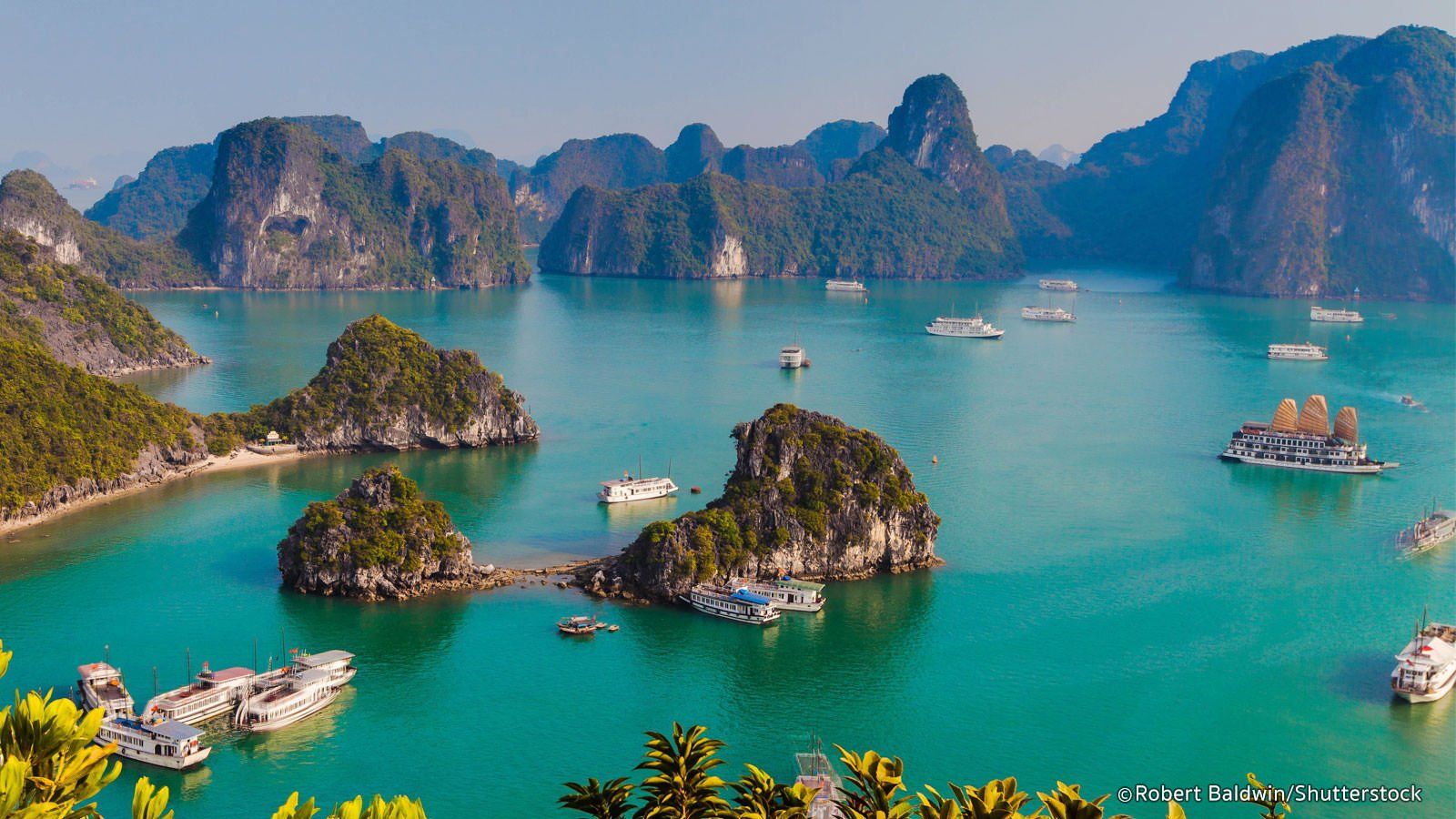
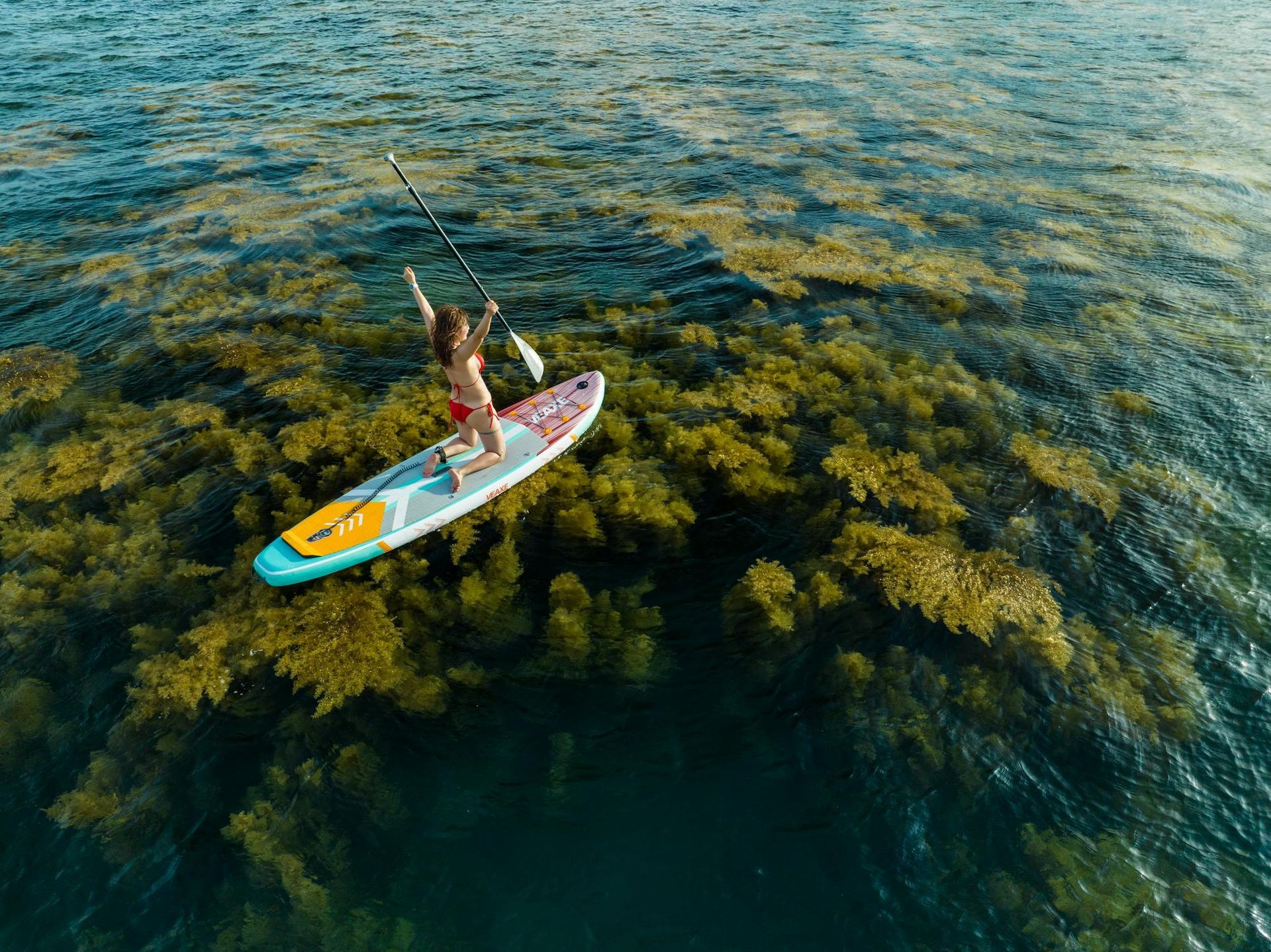
- Stand-up paddleboarding (SUP) – Beginner-friendly and relaxing. Great in calm bays like Ha Long or Da Nang.
- Parasailing and banana boats – Thrill rides offered by most beach resorts.
Each of these sports has specific safety requirements. Knowing what you’re signing up for is the first step toward staying safe.
➤ Related reading: Ultimate Guide to Water Activities in Vietnam (Coming Soon)
3. Check Local Safety Regulations
Vietnam's tourism sector has grown rapidly, but regulation enforcement can still vary by region. That’s why it's crucial to understand what laws apply and which certifications operators must hold.
Key safety regulations to look for:
- Business licensing: Legitimate operators should be registered with the Department of Culture, Sports, and Tourism.
- Trained staff: Guides and instructors must be trained in first aid and water rescue.
- Insurance coverage: Operators must have liability insurance in case of accidents.
- Capacity limits: Each activity has a legal limit on the number of participants or weight carried.
You can verify an operator's status through Vietnam National Administration of Tourism or ask for proof of certification.
➤ Related internal: Travel Safety Tips for First-Time Visitors to Vietnam
4. Choose Certified Tour Operators
The safety of your water sport experience heavily depends on the quality of your tour operator. Vietnam has both international-standard companies and smaller, local ones. Not all follow the same rules.
What to check before booking:
- Does the company show a valid license or membership in a professional water sports association?
- Are instructors trained with international certifications like PADI.
- Is equipment maintained and regularly checked?
- What do online reviews say about their safety practices?
➤ Related internal: Top 10 Tour Companies for Adventure Sports in Vietnam
➤ Related reading: TripAdvisor reviews on water sports operators in Vietnam
5. Evaluate Safety Equipment
Even if an operator appears professional, always double-check the equipment yourself. Subpar gear is one of the leading causes of water sport accidents.
Safety equipment to inspect includes:
- Life jackets in various sizes
- Helmets for sports like jet skiing or banana boating
- Communication devices like radios or whistles
- Emergency support boats nearby for high-risk activities
- Diving gear (masks, fins, tanks) maintained and cleaned properly
Ask when the equipment was last inspected. Don’t feel shy—it’s your safety at stake. A responsible operator will welcome these questions.
➤ Related internal: Checklist: What to Pack for Water Sports in Southeast Asia
6. Understand Weather and Sea Conditions in Vietnam
Weather is one of the most underestimated risks in water sports. Vietnam’s coastline spans over 3,000 km, which means conditions can vary wildly depending on where you are.
Key weather patterns to know:
- Northern Vietnam: Colder winters, especially from December to February.
- Central Vietnam: Prone to typhoons between September and November.
- Southern Vietnam: Tropical and stable, but still vulnerable to sudden storms.
Before booking, check sea conditions and weather forecasts at least 24–48 hours in advance.
➤ Useful tools:
- Vietnam Meteorological Forecasting Center
- Windy.com – Real-time sea and wind maps
- TidesChart – For tide tracking in Vietnam
➤Related internal: Best Time to Visit Vietnam for Outdoor Activities
7. Know Your Own Limits
No matter how safe the sport or how skilled the instructor, your personal limits matter most.
If you’re a beginner or unsure of your swimming ability, avoid high-risk sports like parasailing or jet skiing. Instead, choose options like paddleboarding or snorkeling.
Ask yourself:
- Can I swim confidently in open water?
- Am I comfortable wearing safety gear for long periods?
- Do I have any medical conditions that could be triggered by physical exertion or underwater pressure?
Start with beginner-friendly options, and level up once you’re familiar with the environment.
➤ Related internal: Beginner’s Guide to Adventure Sports in Vietnam
8. Ask for Safety Briefings
A proper safety briefing can be the difference between a smooth ride and a medical emergency.
Before any activity, your instructor should:
- Explain how the equipment works
- Go over signals or hand gestures for communication
- Review what to do in case of emergencies
- Assign a support boat or guide for groups
If the staff rushes through or skips the briefing entirely—walk away.
➤ Learn how to spot low-quality operators in our tour booking checklist.
9. Travel Insurance for Water Sports
Most standard travel insurance doesn't cover water sports unless explicitly stated.
If you’re planning to dive, parasail, or kitesurf, you need an insurance policy that includes adventure sports coverage.
What to check in your policy:
- Emergency medical evacuation
- Coverage for water-related injuries
- Activity-specific exclusions (e.g. no jet skiing or scuba diving without license)
- 24/7 global assistance
➤ Recommended: World Nomads Travel Insurance – Adventure Sports Plans
➤ Related internal: What Kind of Travel Insurance Do You Need in Vietnam?
10. Learn from Past Incidents
Sometimes, the best way to learn is by reading about others’ mistakes.
Search for recent incidents involving water sports in the area you plan to visit. Look at how they happened and whether the operators were responsible.
What to look for:
- Operator names in local news
- Consistent complaints in online reviews
- Lack of emergency response or unsafe equipment
- Absence of refunds after accidents
➤ External source: VietnamNet News – Tourism Safety Incidents
➤ Related internal:: How to File a Complaint About Unsafe Tours in Vietnam
11. Trusted Resources and Local Experts
Before booking anything, consult trusted resources and community recommendations.
Useful sites and forums:
Talk to locals or hotel concierges—they often know which operators have a good (or bad) reputation.
➤ Related internal: Where to Book Ethical and Safe Tours in Vietnam
12. Final Thoughts
Vietnam’s waters offer unforgettable memories—but only when you take the right precautions.
✅ Choose
licensed operators
✅ Verify
equipment and conditions
✅ Know
your own skill level
✅ Stay
informed about local rules and weather
Enjoy the adrenaline—but never gamble with safety.
This is paragraph text. Click it or hit the Manage Text button to change the font, color, size, format, and more. To set up site-wide paragraph and title styles, go to Site Theme.
Keep Up To Date And Be Entertained With Our Blog!
Increase Your Savvy With Our Favourite Blog Articles
Thanks for reading & supporting our blog, we really hope you enjoyed it! At "Friends Travel Vietnam" it is our mission to make your stay in our beautiful country as unforgettable as possible. One of the ways we do that is by providing high quality and informative blogs, like the one you just read!
Please support us by sharing this blog, liking our Facebook page. Your support means the world to us!
Index Travel Blog
Read & view more blog articles about Vietnam





All Blog Travel Guides Regions In Vietnam
Read & view more blog articles about Travel Guides Regions In Vietnam
Central Vietnam Guide
Friends Travel Vietnam Blog

Southern Vietnam Guide
Friends Travel Vietnam Blog

Northern Vietnam Guide
Friends Travel Vietnam Blog