Blog Vietnam Travel Guide
Vietnam is an amazing puzzle, we are happy to assist you to puzzle
your amazing trip for Vietnam
Friends Travel Vietnam the Travel Company Turning Travellers Into
Friends Since 2012
Search & Read more...
Travel packages, private tours, group tours
24/7 Support
The best Price - the best products
Local Experiences
FTV MKT • May 7, 2025
Contents
- 1. Introduction: Why Understanding Vietnamese Etiquette Matters
- 2. Overview of Vietnamese Values and Social Norms
- 3. Greetings and First Impressions
- 4. Addressing People Correctly
- 5. Table Manners and Dining Etiquette
- 6. Dress Code and Appearance
- 7. Behavior in Temples and Religious Sites
- 8. Gift Giving and Receiving
- 9. Public Behavior and Personal Boundaries
- 10. Tipping and Money Etiquette
- 11. Home Visits and Family Customs
- 12. Business Etiquette in Vietnam
- 13. Common Cultural Mistakes to Avoid
- 14. Regional Differences in Etiquette
- 15. Final Thoughts and Quick Etiquette Tips
1. Introduction: Why Understanding Vietnamese Etiquette Matters
Vietnam is one of Southeast Asia’s most vibrant and welcoming destinations, offering rich culture, diverse cuisine, and warm hospitality.
But like any country, Vietnam has its own cultural rules—many of which are
unspoken but deeply important.
Failing to understand local etiquette may not just lead to awkward moments—it could unintentionally offend someone.
This
Vietnam Cultural Etiquette Guide will help you confidently navigate social situations, avoid common mistakes, and show respect for Vietnamese people and traditions.
➤ Related: Beginner’s Guide to Traveling Vietnam
2. Overview of Vietnamese Values and Social Norms
At the heart of Vietnamese culture lies respect, especially toward elders, family, and community. These values are shaped by Confucianism, Buddhism, and centuries of tradition.
Key social norms:
- Hierarchy matters: Age and status influence how people speak and behave toward each other.
- Family is central: Major decisions often involve family consensus.
- Saving face: Avoiding embarrassment (yours or others) is crucial in communication.
People may avoid direct confrontation or harsh criticism in public. Instead, they prefer indirect communication that preserves dignity.
3. Greetings and First Impressions
In Vietnam, a friendly smile goes a long way. Handshakes are common, but they may be softer and more formal than in the West—especially with women or elders.
Greeting etiquette:
- Men usually shake hands with other men.
- Women often smile and bow their heads slightly, especially in formal settings.
- Younger people greet elders with both hands and a slight bow.
Body language tips:
- Avoid excessive eye contact with elders—it may be seen as disrespectful.
- Don’t touch someone’s head—it’s considered the most sacred part of the body.
- Bow slightly when greeting someone older or in authority.
➤ Tip: If unsure, let the local person initiate the greeting and follow their lead.
4. Addressing People Correctly
Vietnamese people use title-based honorifics instead of first names. These titles reflect age, gender, and social role.
Common honorifics:
- Anh – older brother (used for men a little older)
- Chị – older sister (used for women a little older)
- Em – younger person (used for someone younger than you)
- Cô / Chú – for middle-aged adults
- Bà / Ông – for elderly people
It’s respectful to combine the honorific with the person’s name, for example: “Chị Linh”, “Anh Minh.”
✅ Always ask if you're not sure which title to use—locals will appreciate your effort.
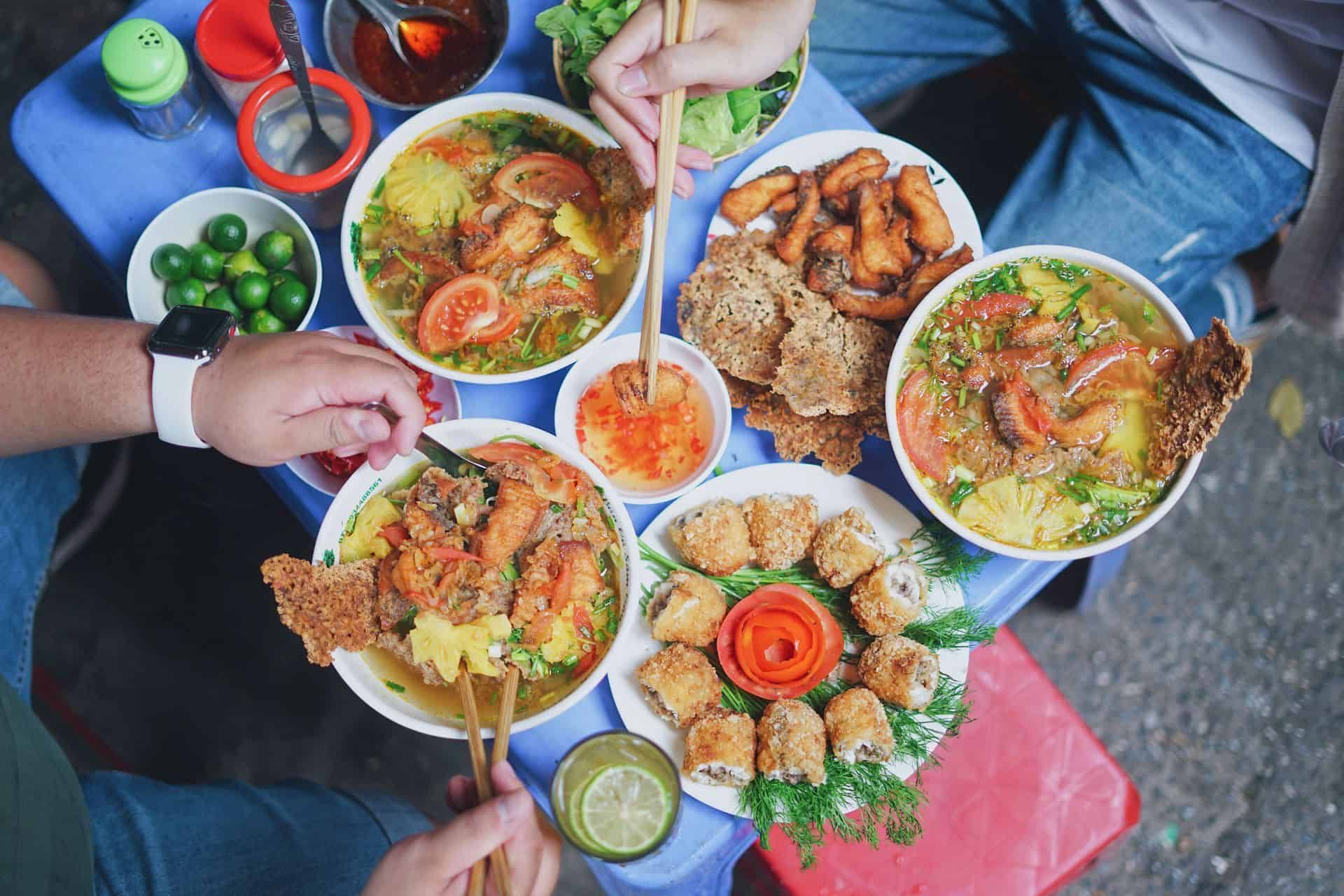
5. Table Manners and Dining Etiquette
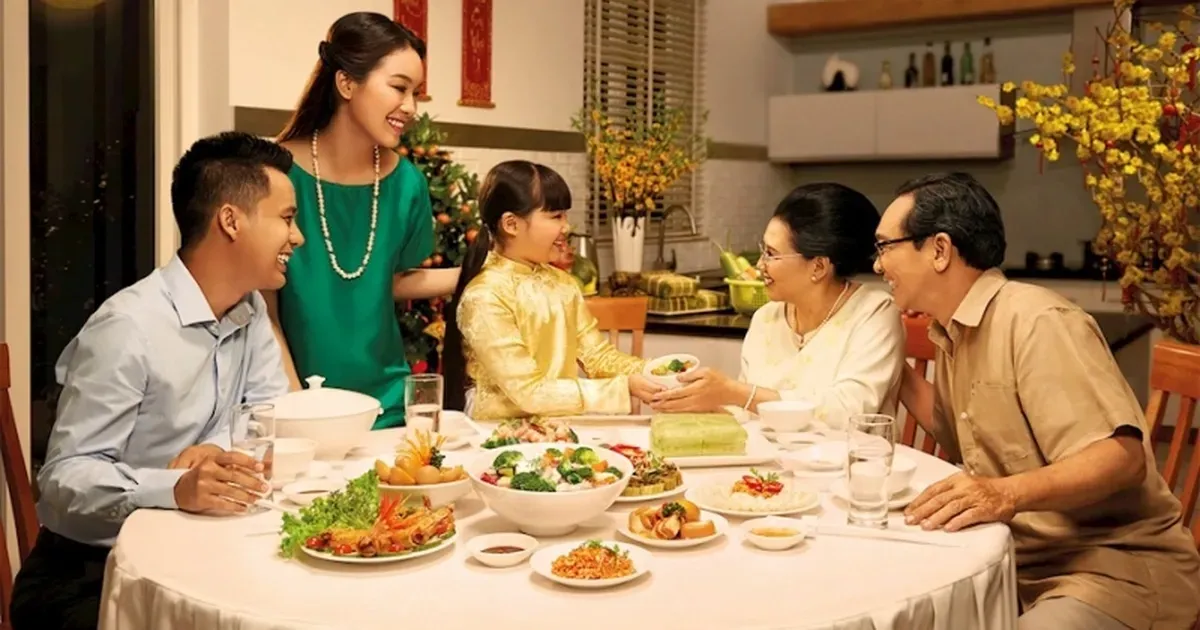
Whether you're dining with a local family or eating at a street stall, understanding basic Vietnamese table manners shows cultural awareness and respect.
Dining dos:
- Wait to be invited to sit and start eating, especially in homes.
- Use chopsticks properly—don’t stick them upright in rice (it resembles a funeral offering).
- Share dishes: Most meals are family-style, and it’s polite to try a bit of everything.
- Use the serving end of chopsticks or a spoon when taking food from shared plates.
Drinking etiquette:
- When someone offers you a toast, raise your glass lower than theirs if they’re older.
- Say “Một, hai, ba… Dzô!” loudly with everyone—it’s a fun and traditional way to cheers.
✨ It’s okay to refuse alcohol politely, but try not to decline too many times—it may be seen as unfriendly.
6. Dress Code and Appearance
In Vietnam, how you dress shows respect for the people and the place. While Vietnam is quite relaxed compared to some Asian countries, modesty is still expected in many situations.
✅ General rules:
- City wear: Casual but neat. Shorts and T-shirts are fine in tourist zones.
- Temples & pagodas: Cover shoulders, chest, and knees. Bring a scarf or shawl just in case.
- Beachwear: Swimsuits are fine on the beach—but cover up when walking elsewhere.
Avoid clothing with offensive symbols or political messages. In rural areas, conservative dress is more common and appreciated.
🎒 Pack breathable, lightweight clothes that cover skin—helpful for both sun and etiquette.
7. Behavior in Temples and Religious Sites
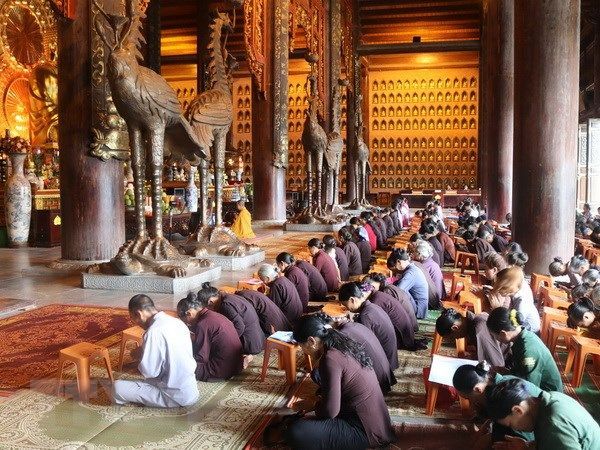
Visiting temples and pagodas is a must-do in Vietnam—but it’s important to show cultural sensitivity while you're there.
🛑 Do NOT:
- Wear short skirts, sleeveless tops, or hats inside temples.
- Take selfies directly in front of altars or while people are praying.
- Point your feet at religious statues.
✅ DO:
- Remove your shoes before entering temple buildings.
- Speak quietly or stay silent inside sacred areas.
- Walk slowly and observe what locals are doing.
📸 Photography may be allowed—but always ask or look for signs first.
8. Gift Giving and Receiving

Giving gifts is a sign of respect and goodwill in Vietnamese culture. Whether you're visiting someone’s home, joining a local tour, or thanking a host, a small gift is always appreciated.
🎁 Popular gift ideas:
- Food items (local treats from your country)
- Small souvenirs or handicrafts
- Fruit, snacks, or flowers (avoid chrysanthemums—they’re used for funerals)
Etiquette when giving:
- Always offer the gift with both hands.
- Don’t expect the gift to be opened immediately—it may be considered rude.
🎌 Avoid giving sharp items (like scissors or knives), which symbolize cutting ties.
9. Public Behavior and Personal Boundaries
Vietnamese culture values modesty and harmony, so public behavior that draws too much attention is often discouraged.
Public etiquette tips:
- No public displays of affection: Holding hands is okay, but kissing or hugging in public is frowned upon.
- Avoid loud or aggressive behavior: Stay calm and polite, even in stressful situations.
- Don’t touch someone’s head or pat children—this is considered intrusive.
- Respect queues: Line-cutting is sometimes tolerated locally but rude when done by foreigners.
🚫 Never raise your voice to hotel staff or servers—this is considered a serious loss of face.
10. Tipping and Money Etiquette
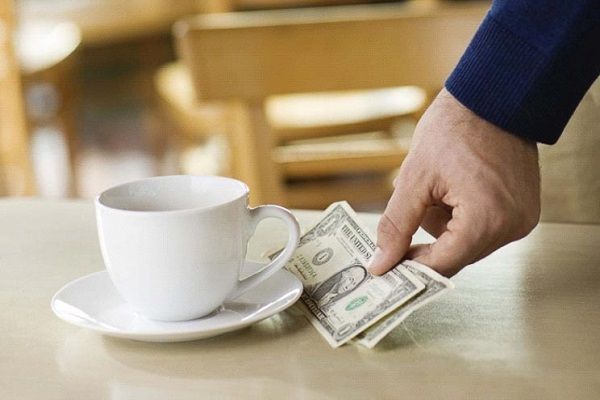
Tipping isn’t traditionally part of Vietnamese culture, but it's increasingly expected in tourism-heavy areas.
💵 Who to tip:
- Hotel porters: 10,000–20,000 VND per bag
- Tour guides: 50,000–100,000 VND per person per day
- Restaurant staff (upscale places): 5–10% if service charge isn’t included
Money etiquette:
- Use both hands when giving or receiving money, especially with elders.
- Don’t toss cash or wave it rudely—it’s seen as disrespectful.
🧾 Carry small bills for tipping or paying street vendors who may not have change.
11. Home Visits and Family Customs
Being invited to a Vietnamese home is an honor—and a window into the country’s deep-rooted hospitality and family traditions. But like anywhere, there are unspoken rules.
🏠 If you’re visiting a local home:
- Bring a small gift (fruit, sweets, or something from your country)
- Take off your shoes before entering
- Wait to be seated—guests are often given the most honored spot
🍽️ During the meal:
- Don’t start eating until the oldest person at the table begins
- Compliment the food (even if you’re full!)
- It’s polite to accept at least a small portion of every dish
🙏 Respect for elders is crucial—speak to them with calm tone and gestures.
12. Business Etiquette in Vietnam
Business culture in Vietnam combines formality with relationship-building. Understanding the nuances of respect, hierarchy, and communication can make or break a first impression.
Key tips for business travelers:
- Dress conservatively—formal suits are standard in most industries
- Use both hands to offer and receive business cards
- Avoid being too direct—indirect communication is preferred
During meetings:
- Address the most senior person first
- Use formal titles and last names
- Be patient—Vietnamese partners may take time to build trust before making decisions
🤝 Relationships (or “quan hệ”) often matter more than contracts in early stages.
13. Common Cultural Mistakes to Avoid
Even well-meaning travelers can make cultural missteps. Here are a few of the most common mistakes—and how to avoid them:
❌ Don't:
- Point your finger at someone (use your whole hand)
- Touch people’s heads, especially children
- Get angry or raise your voice in public
- Criticize Vietnamese customs or politics openly
- Stick chopsticks upright in rice—it’s a funeral symbol
✅ Do:
- Observe how locals behave in a situation and follow suit
- Apologize politely if you make a mistake—it’s better than ignoring it
- Stay calm and smile—it goes a long way
💡 Learning just a few Vietnamese phrases can open many doors.
14. Regional Differences in Etiquette
Vietnam stretches over 1,600 km, and the culture subtly shifts from North to South.
🧭 North Vietnam (Hanoi and surroundings):
- More formal and traditional
- Speech and dress tend to be conservative
- Business culture is more hierarchical
🌤️ Central Vietnam (Hue, Da Nang, Hoi An):
- Strong historical influence (especially Hue)
- Proud, polite, and balanced in expression
- Expect subtle communication and firm hospitality
☀️ South Vietnam (Ho Chi Minh City):
- Friendly, open, and more casual
- Communication is direct and quick
- Hospitality often comes with a smile and street-smart energy
✈️ Tip: Respect local customs wherever you go, but adapt based on region.
15. Final Thoughts and Quick Etiquette Tips
Vietnam is a welcoming country—but your experience becomes even richer when you show cultural curiosity and respect.
✅ Quick etiquette checklist:
- Smile and be polite—even in busy settings
- Use both hands when giving/receiving
- Dress modestly at temples and family homes
- Don’t point, shout, or criticize in public
- Learn and use titles like Anh/Chị/Bác—it makes a big difference
- Observe before acting—and don’t assume
Being a respectful traveler isn’t about knowing every rule—it’s about listening, watching, and adjusting. Vietnamese people deeply appreciate when foreigners try to understand their culture.
🌍 Respect builds trust. Trust leads to connection. And connection makes your trip unforgettable.
This is paragraph text. Click it or hit the Manage Text button to change the font, color, size, format, and more. To set up site-wide paragraph and title styles, go to Site Theme.
Keep Up To Date And Be Entertained With Our Blog!
Increase Your Savvy With Our Favourite Blog Articles
Thanks for reading & supporting our blog, we really hope you enjoyed it! At "Friends Travel Vietnam" it is our mission to make your stay in our beautiful country as unforgettable as possible. One of the ways we do that is by providing high quality and informative blogs, like the one you just read!
Please support us by sharing this blog, liking our Facebook page. Your support means the world to us!
Index Travel Blog
Read & view more blog articles about Vietnam



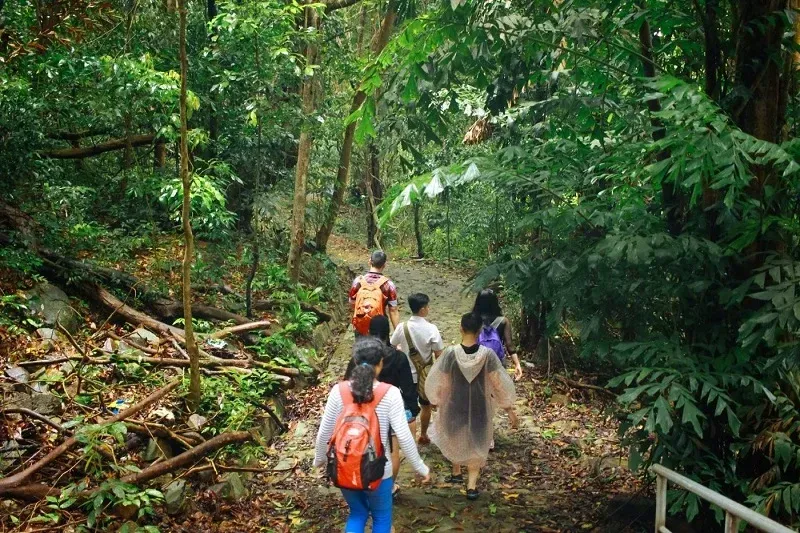
All Blog Travel Guides Regions In Vietnam
Read & view more blog articles about Travel Guides Regions In Vietnam
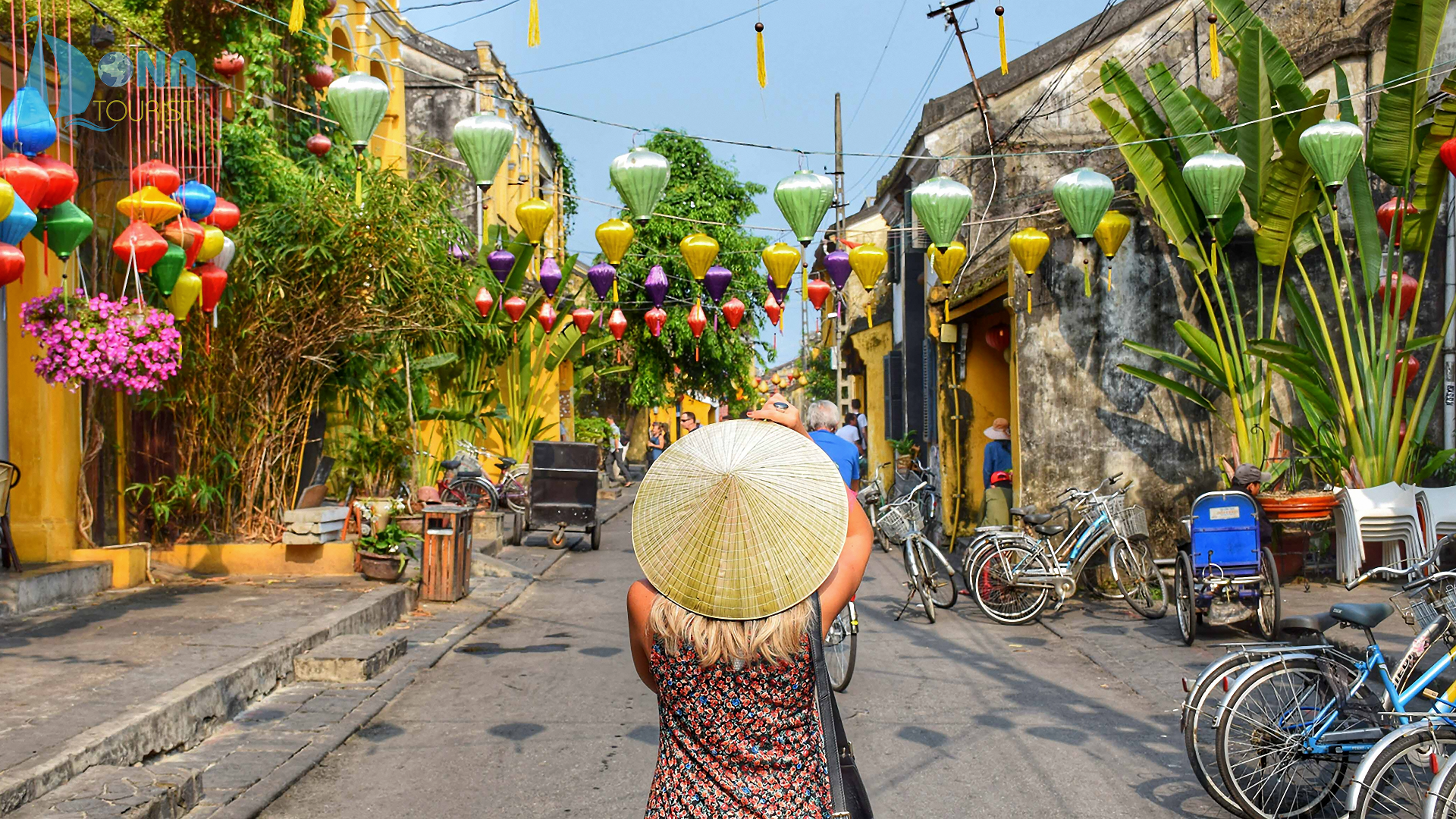
Central Vietnam Guide
Friends Travel Vietnam Blog
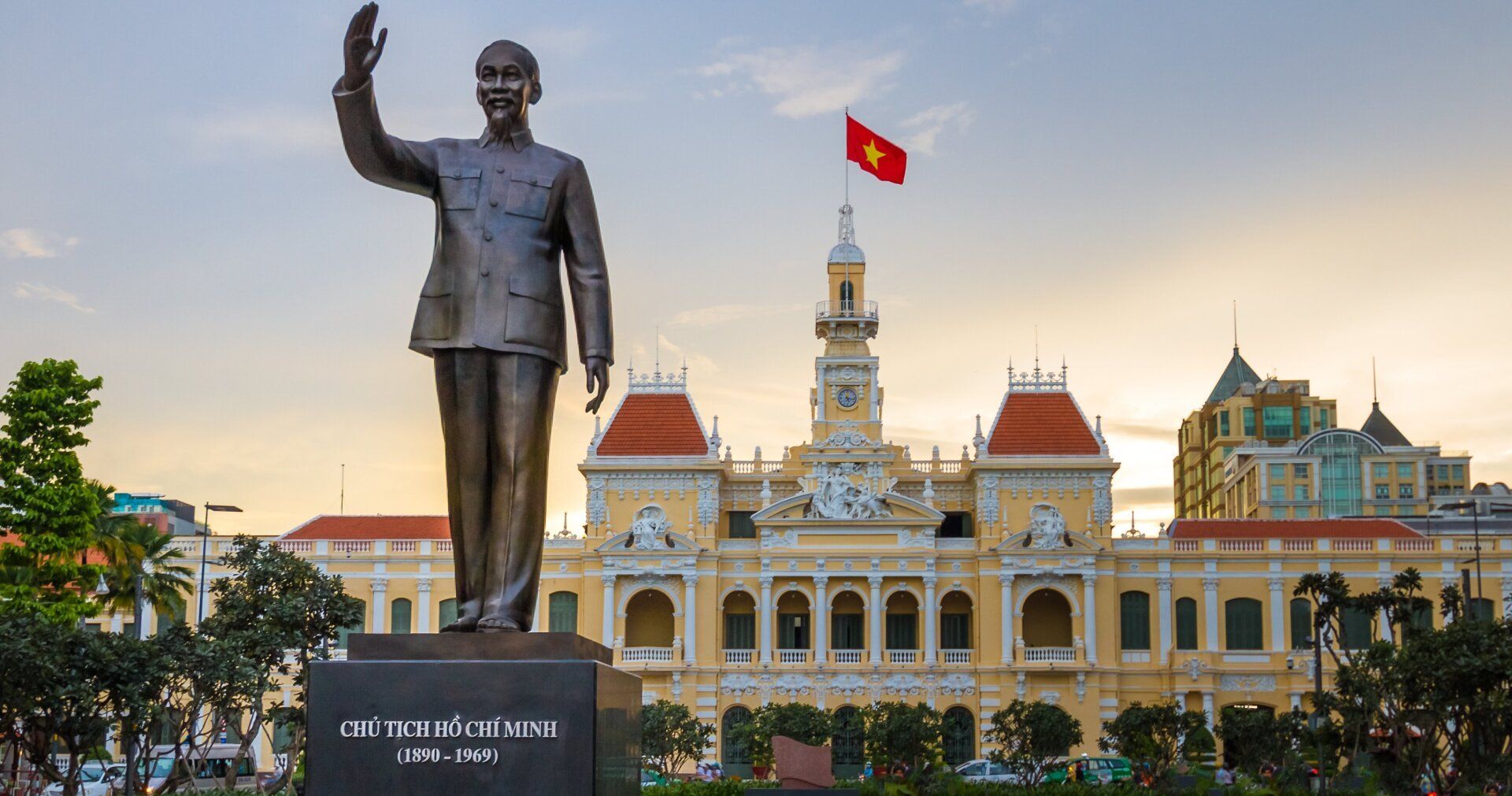
Southern Vietnam Guide
Friends Travel Vietnam Blog

Northern Vietnam Guide
Friends Travel Vietnam Blog