Blog Vietnam Travel Guide
Vietnam is an amazing puzzle, we are happy to assist you to puzzle
your amazing trip for Vietnam
Friends Travel Vietnam the Travel Company Turning Travellers Into
Friends Since 2013
Search & Read more...
Travel packages, private tours, group tours
24/7 Support
The best Price - the best products
Local Experiences
Things to Do in South Vietnam: 25 Best Experiences & Local Travel Guide
South Vietnam is a region of contrasts. In a single journey, you can explore the energetic streets of Ho Chi Minh City, drift along peaceful waterways in the Mekong Delta, discover spiritual traditions in Tay Ninh, and finish your trip on the tropical beaches of Phu Quoc or Con Dao.
For many first-time visitors, the south is the easiest introduction to Vietnam. Ho Chi Minh City is a major transport hub, the Mekong Delta is within easy reach, and domestic flights connect the city with several coastal and island destinations.
However, the best things to do in South Vietnam go far beyond famous landmarks and short sightseeing tours. The real character of the region can be found in family-run eateries, riverside villages, early-morning markets, coconut groves, local temples and communities that still live closely connected to the land and water.
This South Vietnam travel guide covers the most memorable experiences, the best places to visit, suggested travel routes and practical tips for planning a more authentic journey.
For a broader overview of the country, start with our guide to the best things to do in Vietnam.
Quick Overview: Best Things to Do in South Vietnam
If you are short on time, the best things to do in South Vietnam include:
- Explore the historic landmarks and local neighbourhoods of Ho Chi Minh City.
- Try Southern Vietnamese street food in Saigon.
- Learn about wartime history at the Cu Chi Tunnels.
- Travel through coconut groves and small canals in Ben Tre.
- Stay overnight in Can Tho and visit Cai Rang Floating Market.
- Cycle through fruit orchards and riverside villages.
- Discover local cultures and temples around Chau Doc and Tra Vinh.
- Visit the Cao Dai Holy See and Ba Den Mountain in Tay Ninh.
- Relax on the beaches of Phu Quoc.
- Explore the quieter landscapes and historic sites of Con Dao.
- Take a short coastal break in Vung Tau.
- Discover mangrove forests, national parks and wildlife.
- Extend your journey towards Mui Ne and the southern coastline.
Travellers with limited time should focus on Ho Chi Minh City and one part of the Mekong Delta. With seven to ten days, it becomes possible to combine city life, river culture and an island escape.
Why Visit South Vietnam?
According to the official Vietnam Tourism guide to Southern Vietnam, the region combines vibrant urban energy with peaceful countryside, river landscapes and tropical islands.
What makes South Vietnam especially attractive is the variety of experiences available within a relatively compact travel route.
Experience Vietnam’s Most Energetic City
Ho Chi Minh City, still widely called Saigon, is the main gateway to southern Vietnam. It brings together modern skyscrapers, historic buildings, traditional markets, residential alleys and one of the most diverse food scenes in the country.
The famous landmarks are worth seeing, but Saigon becomes much more interesting when you explore beyond the central business district.
Small coffee shops, neighbourhood markets, hidden temples and family-run food stalls reveal a side of the city that many short-term visitors miss.
Discover Life Along the Mekong River
The Mekong Delta is not a single attraction. It is a large cultural and agricultural region made up of rivers, canals, farms, towns and communities with different traditions.
A one-day excursion can provide an introduction, but travellers who stay overnight gain a much deeper understanding of the region.
In the Delta, you can:
- Travel by sampan through narrow canals.
- Cycle between coconut groves and fruit orchards.
- Visit family workshops and local markets.
- Eat meals prepared with river fish and fresh produce.
- Stay in riverside homestays.
- Visit Khmer Buddhist temples.
- Experience early-morning life on the water.
The official Vietnam Tourism Board also recommends exploring the Delta through a combination of boat journeys, cycling, local food and homestay experiences in its guide to travelling through the Mekong Delta.
Combine Cities, Rivers and Islands
One of the advantages of travelling in South Vietnam is the ability to combine very different landscapes in one itinerary.
A well-balanced route may include:
- Ho Chi Minh City for history, food and urban culture.
- Tay Ninh or Cu Chi for a day trip.
- Ben Tre and Can Tho for river life.
- Chau Doc for cultural diversity and wetlands.
- Phu Quoc for accessible beaches and resorts.
- Con Dao for nature, history and a slower island atmosphere.
This makes the region suitable for first-time visitors, couples, families, food lovers and travellers looking for a mix of comfort and local experiences.
How Many Days Do You Need in South Vietnam?
The ideal length of a South Vietnam itinerary depends on how many regions you want to combine.
| Length of trip | Recommended route |
|---|---|
| 3 days | Ho Chi Minh City and Cu Chi or Ben Tre |
| 5 days | Ho Chi Minh City, Cu Chi and Mekong Delta |
| 7 days | Ho Chi Minh City, Mekong Delta and Phu Quoc or Con Dao |
| 10 days | Ho Chi Minh City, Tay Ninh, Ben Tre, Can Tho, Chau Doc and an island |
| 14 days | A slower journey through the Mekong Delta combined with the southern coast |
Three days is enough for an introduction, but five to seven days allows for a more balanced experience. Travellers interested in local life and slow travel should consider ten days or longer.
Where to Go in South Vietnam
The following overview can help you choose which destinations fit your travel style.
| Destination | Best for | Suggested stay |
|---|---|---|
| Ho Chi Minh City | History, food, nightlife and local culture | 2–3 days |
| Cu Chi | Wartime history and countryside | Half or full day |
| Tay Ninh | Religion, mountains and local culture | 1–2 days |
| Ben Tre | Coconut groves, cycling and small canals | 1–2 days |
| Can Tho | Floating markets and river life | 2 days |
| Chau Doc | Temples, wetlands and cultural diversity | 1–2 days |
| Tra Vinh | Khmer culture and quiet countryside | 1–2 days |
| Phu Quoc | Beaches, resorts and island hopping | 3–5 days |
| Con Dao | Nature, history and quiet beaches | 3–4 days |
| Vung Tau | Short coastal breaks and seafood | 1–2 days |
| Cat Tien | Jungle, wildlife and outdoor activities | 2–3 days |
| Mui Ne | Jungle, wildlife and outdoor activities | 2–3 days |
Best Things to Do in South Vietnam
1. Explore Historic Ho Chi Minh City
Ho Chi Minh City is the natural starting point for most journeys through the south.
The central districts contain several important historical and architectural landmarks, including:
- The Reunification Palace.
- The War Remnants Museum.
- Saigon Central Post Office.
- Notre Dame Cathedral Basilica of Saigon.
- Saigon Opera House.
- Nguyen Hue Walking Street.
- Ben Thanh Market.
These attractions can be combined into a half-day or full-day walking route. However, it is better to visit them with some historical context rather than treating them as simple photo stops.
The Reunification Palace and War Remnants Museum help visitors understand major events in Vietnam’s modern history. The Central Post Office, Opera House and other buildings around Dong Khoi Street show elements of the city’s colonial-era architecture.
The official Ho Chi Minh City tourism guide provides a useful introduction to the city’s main landmarks.
For a more complete local guide, read our article about the best things to do in Ho Chi Minh City.
FTV Local Tip
Do not try to visit every landmark in a single morning. Combine two or three historic sites with a local lunch, a neighbourhood walk or a coffee stop.
This creates a more balanced experience and prevents the day from becoming a rushed checklist.
2. Eat Your Way Through Saigon
Trying local food is one of the best things to do in South Vietnam, and Ho Chi Minh City is the perfect place to begin.
The city attracts people from every part of Vietnam, creating an enormous variety of regional dishes. At the same time, Saigon has its own distinctive food culture, with generous portions, fresh herbs and flavours that are often slightly sweeter than those found in northern Vietnam.
Southern dishes to try include:
- Cơm tấm: broken rice served with grilled pork, egg and pickled vegetables.
- Hủ tiếu: a noodle dish served dry or with broth.
- Bánh xèo: crispy rice pancakes filled with pork, shrimp and bean sprouts.
- Bún thịt nướng: rice noodles with grilled pork, herbs and fish sauce.
- Bò lá lốt: seasoned beef wrapped in betel leaves and grilled.
- Phá lấu: a rich stew commonly served with bread or noodles.
- Bánh mì: a Vietnamese baguette filled with meat, pâté, herbs and pickles.
- Cà phê sữa đá: strong Vietnamese coffee with condensed milk and ice.
Although Ben Thanh Market is convenient, some of the city’s best meals are found in residential districts, wet markets and small alleys.
Districts outside the main tourist centre often provide more relaxed and authentic dining experiences. Look for stalls that specialise in one or two dishes and are busy with local customers.
The official tourism guide to eating like a local in Ho Chi Minh City is a useful reference for understanding the city’s food culture.
FTV Local Tip
A small-group food tour is valuable when it includes local neighbourhoods and explains the ingredients, history and customs behind each dish.
Avoid tours that spend most of the evening travelling between tourist restaurants. The best food experiences usually involve simple establishments and short distances between stops.
3. Explore Saigon by Motorbike
Motorbikes are part of everyday life in Ho Chi Minh City. Exploring as a passenger with an experienced local driver allows you to see areas that are difficult to reach on a conventional bus tour.
A well-designed motorbike experience may take you through:
- Local residential districts.
- Narrow alleys and hidden neighbourhoods.
- Traditional markets.
- Street food areas.
- Riverside communities.
- Historic apartment buildings.
- Small temples and pagodas.
- Local coffee shops.
The objective should not be to ride as fast or as far as possible. A good motorbike tour uses the journey to explain how the city functions and how different communities live.
Travellers without experience in Vietnamese traffic should not rent a motorbike simply to explore the city independently. Riding as a passenger with a licensed and experienced local driver is generally a more practical option.
FTV Local Tip
Choose a morning tour for markets and everyday neighbourhood life. Choose an evening tour for street food, illuminated streets and a livelier atmosphere.
Always wear a helmet and confirm that the experience is operated by a professional provider.
4. Discover Cho Lon and Saigon’s Chinese-Vietnamese Heritage
Cho Lon, commonly known as Saigon’s Chinatown, offers a different perspective on the city.
The area developed through generations of Chinese migration and remains an important commercial and cultural district. Its markets, temples, medicine shops and traditional businesses reflect the Chinese-Vietnamese communities that have helped shape Saigon.
Places to explore include:
- Binh Tay Market.
- Thien Hau Pagoda.
- Traditional medicine streets.
- Fabric and wholesale markets.
- Chinese assembly halls.
- Family-run noodle shops.
- Historic shophouses.
Binh Tay Market is less focused on tourist souvenirs than Ben Thanh Market. It remains an active wholesale market where businesses purchase food, household products, clothing and other goods.
Nearby Thien Hau Pagoda is dedicated to the sea goddess Mazu. The temple is especially atmospheric when incense coils hang above the courtyards.
Visitors should dress respectfully, avoid interrupting ceremonies and ask permission before photographing worshippers.
FTV Local Tip
Visit Cho Lon in the morning, when the markets and surrounding commercial streets are most active.
Rather than arriving only for a photograph, combine the market with a temple visit and a local breakfast or lunch.
5. Visit the Cu Chi Tunnels
The Cu Chi Tunnels are among the best-known historical attractions near Ho Chi Minh City.
The underground network was used for movement, shelter, communication and military operations during periods of conflict. Visiting the site helps travellers understand the difficult conditions faced by people living and operating in the area.
There are two principal visitor areas:
- Ben Dinh: more commonly included in group tours and generally busier.
- Ben Duoc: often considered quieter and more extensive.
During a visit, travellers may see reconstructed tunnel entrances, underground rooms, ventilation systems and examples of wartime equipment.
Some sections have been widened for visitors, but entering the tunnels is optional. People with claustrophobia, mobility limitations or respiratory difficulties should not feel pressured to crawl through them.
Half-Day or Full-Day Visit?
A half-day tour is suitable when you have limited time and want to focus on the tunnels.
A full-day itinerary may combine Cu Chi with the countryside or the Cao Dai Holy See in Tay Ninh. Combining the two areas provides a broader understanding of southern history, religion and rural life.
FTV Local Tip
Choose an early departure to reduce exposure to the midday heat and large tour groups.
A knowledgeable guide is particularly useful here because the historical context is more important than the physical attractions alone.
6. Travel by Small Boat Through Ben Tre
Ben Tre is one of the most accessible places to experience the Mekong Delta from Ho Chi Minh City.
The area is known for coconut farming, narrow waterways, small islands and quiet rural roads. A typical visit may combine a motorboat on a wider river with a smaller rowing boat through canals shaded by water palms.
However, not every Ben Tre tour provides the same experience.
Some programmes move rapidly between staged demonstrations and souvenir shops. A more meaningful journey includes time for cycling, walking, eating locally and observing everyday life.
Experiences worth including are:
- Rowing through smaller canals.
- Cycling between coconut groves.
- Visiting family-run workshops.
- Walking through a local village.
- Eating lunch in a garden or family home.
- Learning how coconut products are made.
- Crossing small rivers by local ferry.
Vietnam Tourism includes coconut groves and cycling in Ben Tre in its suggested four-day Mekong Delta itinerary.
For more ideas, read our full guide to the best things to do in the Mekong Delta.
FTV Local Tip
Ask how many shopping stops are included before booking a tour. A good programme should focus on the landscape, local life and personal interaction rather than repeated product demonstrations.
Ben Tre works well as a day trip, but staying overnight creates a quieter and more immersive experience.
7. Stay Overnight in Can Tho
Can Tho is one of the best bases for exploring the central Mekong Delta.
Many visitors arrive only to see Cai Rang Floating Market, but the city and its surrounding countryside deserve more time.
An overnight stay allows you to:
- Visit the floating market at the correct time.
- Walk along Ninh Kieu Wharf in the evening.
- Explore riverside restaurants and local markets.
- Visit fruit gardens and nearby villages.
- Experience the city before and after the day-trip crowds.
- Continue towards Chau Doc or other parts of the Delta.
Can Tho is more urban than many travellers expect, but rural islands, canals and gardens are located close to the city centre.
The official tourism feature Five Reasons You Will Love Can Tho highlights its boat journeys, river landscapes, gardens and slow pace of life.
FTV Local Tip
Stay near the river if you plan to take an early boat. Confirm your departure time and exact meeting point the evening before.
A hotel is convenient, but a carefully selected countryside homestay can provide more contact with local families and the natural landscape.
8. Visit Cai Rang Floating Market Early in the Morning
Cai Rang is the largest and most famous floating market near Can Tho.
The market is a working wholesale environment rather than a floating souvenir attraction. Traders use boats to sell fruit, vegetables and other agricultural products.
Many boats display a sample of their product on a tall pole so buyers can see what is available from a distance.
The experience may include:
- Watching wholesale trading.
- Passing boats loaded with tropical fruit.
- Buying coffee or breakfast from a small boat.
- Seeing riverside houses and workshops.
- Continuing into smaller canals after the market.
The market is most active in the early morning. Visitors who arrive too late may see only a small number of remaining boats.
It is also important to manage expectations. Road transport and modern supply chains have changed how goods move through the Delta. Cai Rang remains culturally significant, but it should not be expected to look exactly like older promotional photographs.
FTV Local Tip
Leave the boat pier around sunrise or earlier. After the main market, continue towards a smaller canal, noodle workshop or fruit garden instead of returning immediately to the city.
Breakfast on the river can be enjoyable, but choose a boat operator that respects active traders and does not obstruct their work.
9. Cycle Through Coconut Groves and Fruit Orchards
Cycling is one of the best ways to experience the Mekong Delta away from major roads.
The landscape is generally flat, and many villages are connected by narrow lanes, bridges and local ferry crossings.
Good areas for cycling include:
- Ben Tre.
- Vinh Long.
- Can Tho’s river islands.
- Tra Vinh.
- Rural areas around Cai Be.
- Quieter communities deeper in the Delta.
During a cycling trip, you may pass:
- Coconut groves.
- Rice fields.
- Fruit orchards.
- Family homes.
- Small temples.
- Local markets.
- Schools and village workshops.
The purpose is not to cover a long distance. Slow cycling creates opportunities to stop, observe daily life and interact respectfully with residents.
Responsible Travel Tip
Do not enter private orchards or pick fruit without permission. Some farms welcome visitors, while others are working family properties.
Keep your group small, avoid blocking narrow paths and allow local motorbikes to pass safely.
10. Experience a Mekong Delta Homestay
Staying in a homestay can be one of the most meaningful things to do in South Vietnam, but the term “homestay” is used for many different types of accommodation.
Some properties are small hotels with a homestay name. Others are genuine family-run places where guests share meals and spend time with their hosts.
A good Mekong Delta homestay experience may include:
- Preparing dinner with the host family.
- Learning about local ingredients.
- Eating a shared family-style meal.
- Cycling or walking through the village.
- Fishing or gardening activities.
- Sleeping in a simple riverside room.
- Waking to the sounds of boats, birds and village activity.
Comfort levels vary. Travellers should check whether rooms have private bathrooms, air conditioning, mosquito nets and hot water.
FTV Local Tip
Choose a homestay based on the host and surrounding community, not only on room design.
The most memorable stays usually create natural opportunities for conversation and participation without turning everyday family life into a performance.
11. Explore Chau Doc and Tra Su Wetland Forest
Chau Doc is a culturally diverse river town close to the Cambodian border.
It is an excellent stop for travellers moving between the Mekong Delta and Phnom Penh, but the town is also worth visiting in its own right.
Chau Doc is known for:
- Its busy riverfront.
- Local markets and fermented fish products.
- Religious sites around Sam Mountain.
- Vietnamese, Khmer, Chinese and Cham cultural influences.
- Access to wetlands and rural landscapes.
- Boat routes towards Cambodia.
The official tourism guide to Chau Doc describes the town as a combination of forests, river life, temples and cultural diversity.
Nearby Tra Su is a seasonally flooded wetland forest. Visitors travel by boat through waterways surrounded by aquatic plants and cajuput trees.
Birdlife and water levels change throughout the year, meaning the appearance of the forest can vary considerably between visits.
FTV Local Tip
Do not treat Chau Doc only as a transit stop. Stay at least one night to explore the riverfront, local food and religious sites before visiting Tra Su.
When visiting spiritual sites, dress modestly and follow local instructions regarding photography.
12. Discover Khmer Culture in Tra Vinh or Soc Trang
The Mekong Delta is home to a substantial Khmer community, particularly around Tra Vinh and Soc Trang.
Visiting these areas provides an opportunity to learn about Khmer Buddhist traditions, temple architecture, food and community life.
Possible experiences include:
- Visiting Khmer Buddhist pagodas.
- Learning about Theravada Buddhist traditions.
- Exploring quiet rural roads by bicycle.
- Trying Khmer-influenced local dishes.
- Visiting markets and family workshops.
- Observing community festivals when dates align.
Tra Vinh is particularly suitable for travellers seeking a quieter destination. Tree-lined roads, temples, rice fields and small villages create a very different atmosphere from Ho Chi Minh City or central Can Tho.
Temple Etiquette
When entering a Khmer pagoda:
- Cover shoulders and knees.
- Remove shoes where required.
- Do not touch statues or sacred objects.
- Avoid pointing your feet towards altars or monks.
- Ask before photographing people.
- Keep conversations quiet.
FTV Local Tip
Visit with a local guide who can explain the architecture, beliefs and role of the pagoda within the community.
Without context, travellers may see only the building and miss the cultural meaning behind it.
13. Travel Deeper into the Mekong Delta
Many travellers experience only My Tho, Ben Tre or Can Tho. These are useful starting points, but the Delta becomes increasingly interesting when you travel more slowly and move beyond the standard route.
Less-visited areas may include:
- Sa Dec and its flower-growing communities.
- Dong Thap’s wetlands and lotus landscapes.
- Tra Vinh’s Khmer temples.
- Soc Trang’s food and religious heritage.
- Ha Tien’s coastal and border landscapes.
- Rural An Giang.
- The mangrove environments of the Ca Mau Peninsula.
Travelling deeper into the Delta requires more time and planning, but it provides a better understanding of the region’s cultural and environmental diversity.
A route through these areas is best suited to travellers who enjoy local food, rural landscapes, slow transportation and experiences that are not organised around major tourist attractions.
FTV Local Tip
Do not attempt to cover every Delta destination in one trip. Select two or three areas and give each enough time.
A slower route through Ben Tre, Can Tho, Chau Doc and Tra Vinh usually provides more value than a rushed journey through six or seven towns.
Ben Tre Day Trip or Can Tho Overnight?
Both destinations provide access to the Mekong Delta, but they offer different experiences.
Choose Ben Tre When:
- You have only one free day from Ho Chi Minh City.
- You want to experience coconut groves and narrow canals.
- You enjoy cycling and village walks.
- You need to return to the city the same evening.
- You prefer a compact countryside introduction.
Choose Can Tho When:
- You have at least two days.
- You want to visit Cai Rang Floating Market at sunrise.
- You are interested in urban and rural river life.
- You plan to continue towards Chau Doc.
- You want more time for gardens, food and local communities.
FTV Recommendation
Choose Ben Tre for a convenient introduction to the Delta.
Choose Can Tho when you want an overnight journey and an early-morning floating market experience.
For a more complete itinerary, combine both: travel from Ho Chi Minh City to Ben Tre, continue to Can Tho for the night, visit Cai Rang the following morning and return to the city or continue deeper into the Delta.
What Most Travellers Get Wrong About the Mekong Delta
The most common mistake is assuming that the Mekong Delta is a single attraction that can be fully experienced in one day.
It is an extensive region with different towns, ecosystems, religions and communities. A short boat trip can be enjoyable, but it cannot represent the whole Delta.
Other common mistakes include:
- Booking tours with too many commercial stops.
- Arriving at floating markets too late.
- Expecting every waterway to be filled with trading boats.
- Spending no time walking or cycling.
- Photographing residents without permission.
- Visiting only organised souvenir workshops.
- Trying to see too many towns in a short itinerary.
The best Mekong Delta experiences are often simple: sharing a meal, crossing a river by ferry, cycling through a village or watching the landscape change from a boat.
Travelling slowly allows these moments to become part of the journey.
Islands, Beaches and Coastal Experiences in South Vietnam
After exploring Ho Chi Minh City and the Mekong Delta, many travellers continue towards the southern coast or one of Vietnam’s tropical islands.
Phu Quoc is the most convenient choice for resorts, beaches and family holidays. Con Dao offers a quieter combination of history, national park landscapes and marine life. Vung Tau is ideal for a short seaside break, while Mui Ne adds sand dunes, fishing culture and water sports to a longer South Vietnam itinerary.
14. Relax on Phu Quoc’s Beaches
Phu Quoc is Vietnam’s largest island and one of the most popular beach destinations in South Vietnam.
Its growing tourism infrastructure makes it suitable for a wide range of travellers, including families, couples, luxury visitors and people who simply want to rest after exploring Ho Chi Minh City and the Mekong Delta.
However, Phu Quoc is not one uniform beach destination. Each part of the island offers a different atmosphere.
Long Beach
Long Beach runs along the island’s western coast and is one of the most convenient places to stay.
It is suitable for travellers who want:
- Easy access to restaurants and accommodation.
- Sunset views.
- A wide selection of hotels and resorts.
- Convenient transportation around the island.
- A social atmosphere without being completely isolated.
Development is more visible here than in other parts of the island, but Long Beach remains a practical base for first-time visitors.
Ong Lang Beach
Ong Lang is quieter and less densely developed than the central part of Long Beach.
It works particularly well for:
- Couples.
- Independent travellers.
- Visitors looking for smaller resorts.
- People who prefer peaceful sunsets and quiet evenings.
Restaurants and services are available, but the area generally feels more relaxed than Duong Dong.
Sao Beach
Sao Beach is known for pale sand and shallow turquoise water.
It is one of the island’s most photographed beaches, which also means it can become busy during popular travel periods.
Visit early in the morning for a calmer atmosphere. Conditions can change with the season, tides and weather, so the beach may not always look exactly like promotional photographs.
Khem Beach
Khem Beach lies in the south of Phu Quoc and is known for its curved coastline and fine sand.
Several high-end resorts are located in this area, making it more suitable for travellers seeking comfort and a self-contained beach stay.
Northern Phu Quoc
The northern part of the island contains quieter coastal roads, forest landscapes and beaches such as Ganh Dau and Bai Thom.
Facilities may be more limited, but the area provides a stronger sense of the island’s natural environment.
The official Phu Quoc travel guide from Vietnam Tourism provides additional information about the island’s beaches, forests, food and cultural attractions.
For a detailed FTV guide, explore the best things to do in Phu Quoc.
FTV Local Tip
Do not choose your Phu Quoc accommodation based only on the hotel photographs.
Consider the location carefully. A beautiful resort may be far from local restaurants, markets and independent transport. Decide whether you prefer convenience, nightlife, quiet beaches or complete resort relaxation before booking.
15. Go Island Hopping Around the An Thoi Archipelago
The An Thoi Archipelago lies south of Phu Quoc and includes a collection of small tropical islands.
Boat tours may include:
- Swimming.
- Snorkelling.
- Fishing.
- Beach stops.
- Paddleboarding.
- Lunch on the boat.
- Visits to several small islands.
Snorkelling and diving are among Phu Quoc’s most popular marine activities. Conditions vary depending on the season, wind, visibility and the specific site selected.
Travellers can choose between a shared group tour and a private boat.
Shared Group Tours
Shared tours are generally less expensive and easy to arrange. They are suitable for solo travellers and visitors with a limited budget.
However, some programmes use large boats, follow fixed schedules and stop at busy locations.
Private or Small-Group Boats
A private or small-group boat offers greater flexibility.
Depending on sea conditions and local regulations, the captain may adjust the route to avoid crowded sites or find calmer water.
This option is particularly suitable for:
- Families.
- Couples.
- Groups of friends.
- Travellers interested in photography.
- Visitors who want more time for snorkelling.
The official three-day Phu Quoc itinerary from Vietnam Tourism also includes diving and snorkelling among the island’s main experiences.
Responsible Marine Travel
When swimming or snorkelling:
- Do not stand on coral.
- Do not touch or collect marine life.
- Avoid feeding fish.
- Do not leave plastic or food waste behind.
- Use reef-conscious sun protection where possible.
- Follow instructions from the boat crew.
- Choose operators that provide life jackets and properly maintained equipment.
FTV Local Tip
The number of islands listed in a tour description does not determine the quality of the experience.
A slower trip with two or three well-selected stops is often better than rushing between many islands for photographs.
16. Experience Phu Quoc Beyond the Resorts
Many visitors travel to Phu Quoc only for the beaches, but the island also has fishing communities, farms, forests and distinctive local products.
Experiences beyond the resort areas include:
Visit a Pepper Farm
Phu Quoc is known for locally grown pepper.
A farm visit can explain how pepper is cultivated, harvested and processed. Some smaller farms offer a more personal experience than large commercial stops.
Learn About Phu Quoc Fish Sauce
The island is famous for fish sauce made through the fermentation of fish and salt in large wooden barrels.
A visit to a producer can help travellers understand why fish sauce is so important in Vietnamese cooking.
Visitors should expect a strong aroma inside production areas.
Explore a Fishing Village
Fishing has long played an important role in island life.
Ham Ninh is one of the most accessible fishing communities, although tourism development has changed parts of the area. Smaller communities in the north may provide a quieter atmosphere.
Walk in Phu Quoc National Park
A large area of northern Phu Quoc is forested and protected.
Depending on local conditions and access, visitors can take short nature walks, explore forest roads or combine the national park with northern beaches.
Visit Duong Dong Market
Duong Dong is the island’s main town.
The local market provides a glimpse of everyday commerce, with seafood, produce, household goods and prepared food. Visit early for the most active atmosphere.
Watch the Sunset
Sunset is one of Phu Quoc’s simplest and most rewarding experiences.
The western coastline provides numerous places to watch the sun disappear over the Gulf of Thailand, from local beaches to restaurants and resorts.
FTV Local Tip
Balance resort time with at least one day exploring the island’s local economy and natural landscapes.
Pepper farms, markets and fishing communities should be approached as working places rather than staged attractions. Visit respectfully and avoid disrupting local activity.
17. Discover the Quiet Side of Con Dao
Con Dao is an archipelago with a very different atmosphere from Phu Quoc.
While Phu Quoc has extensive resort infrastructure and a wide range of entertainment, Con Dao is better known for quiet beaches, forested hills, historical sites and protected marine environments.
The main inhabited island is Con Son. From here, visitors can explore beaches, national park trails, coastal roads and nearby islands.
Beaches and coastal areas include:
- Dam Trau Beach.
- An Hai Beach.
- Lo Voi Beach.
- Dat Doc Beach.
- Bai Ong Dung.
- Remote coastal areas reached by trail or boat.
The official Con Dao travel guide highlights beach exploration, hiking, diving and the archipelago’s important history.
For detailed local planning, read FTV’s guide to the best things to do in Con Dao.
Who Should Visit Con Dao?
Con Dao is particularly suitable for:
- Couples looking for a quiet island.
- Nature lovers.
- Travellers interested in modern Vietnamese history.
- Hikers and snorkellers.
- Slow travellers.
- Visitors who prefer limited nightlife.
It may be less suitable for travellers seeking shopping centres, large entertainment complexes or a busy restaurant scene.
FTV Local Tip
Spend at least three nights in Con Dao.
Travel to the island can be affected by weather and sea conditions, and a very short stay leaves little flexibility. Several days also allow you to balance historical visits with beaches and nature.
18. Learn About Con Dao’s Difficult History
Con Dao is one of Vietnam’s most significant historical destinations.
For many decades, the islands were used as a prison site. Today, visitors can explore former prison buildings, detention areas, museums and memorial sites that document the experiences of prisoners held there.
Important places include:
- Con Dao Museum.
- Phu Hai Prison.
- The former tiger cage areas.
- Hang Duong Cemetery.
- Memorial sites connected to national history.
- The grave of Vo Thi Sau.
These are places of remembrance rather than conventional tourist attractions.
Travellers should visit quietly and respectfully. Clothing should be appropriate, especially at cemeteries and memorials.
Visiting Hang Duong Cemetery
Hang Duong Cemetery is an important place of remembrance for Vietnamese visitors. Some people visit in the evening or around midnight as part of local commemorative practices.
International travellers do not need to copy these practices to show respect. A daytime visit with a knowledgeable guide can provide valuable historical context.
FTV Local Tip
Do not rush through Con Dao’s historical sites simply to complete a checklist.
A local guide can explain the relationships between different prison areas, individual stories and the wider historical context. This makes the experience more meaningful and avoids misunderstanding sensitive places.
19. Explore Con Dao’s Marine Life and Turtle Conservation
Con Dao National Park protects terrestrial and marine ecosystems across the archipelago.
Boat trips may provide opportunities for:
- Snorkelling.
- Diving.
- Visiting smaller islands.
- Swimming at isolated beaches.
- Observing coral and marine life.
- Learning about conservation programmes.
The waters around islands such as Bay Canh, Hon Tai and Hon Cau contain coral habitats and diverse marine life.
Sea turtles also nest in parts of the Con Dao archipelago. Turtle-related visits are seasonal and subject to conservation rules, weather, permits and national park management.
Vietnam Tourism provides more information about the archipelago’s reefs and conservation activities in its guide to Con Dao’s history and ecotourism experiences.
Responsible Turtle Watching
Travellers should only join authorised conservation activities.
Never:
- Touch a nesting turtle.
- Handle eggs or hatchlings without official instruction.
- Use flash photography.
- Shine bright lights at turtles.
- Make loud noises.
- Block the turtle’s path.
- Join unlicensed wildlife experiences.
Participation should support conservation rather than treat wildlife as entertainment.
FTV Local Tip
Ask who manages the turtle experience and how visitor fees support conservation.
Wildlife sightings cannot be guaranteed. A responsible programme prioritises the animals and ecosystem, even when this means limiting visitor access.
20. Take a Coastal Break in Vung Tau
Vung Tau is one of the easiest seaside destinations to combine with Ho Chi Minh City.
It is especially popular with domestic travellers during weekends and public holidays. The city offers beaches, seafood, viewpoints, religious sites and a strong local coastal atmosphere.
Popular areas include:
- Back Beach.
- Front Beach.
- Pineapple Beach.
- Small Mountain.
- Big Mountain.
- The White Palace.
- Local seafood markets.
- Coastal roads and viewpoints.
Back Beach is the main swimming area, while Front Beach is better suited to walking and watching fishing boats.
Vung Tau is not a remote tropical island. It is a working coastal city and weekend destination. Its appeal comes from accessibility, seafood, sea views and everyday Vietnamese beach culture.
Read the complete FTV guide to Vung Tau things to do.
Getting to Vung Tau
Common options from Ho Chi Minh City include:
- Limousine van.
- Private transfer.
- Coach.
- Passenger hydrofoil.
- Motorbike for experienced and properly licensed riders.
Travel times vary with the route, traffic and chosen transport.
FTV Local Tip
Visit on a weekday when possible.
Weekends can be busy with visitors from Ho Chi Minh City. Early mornings are particularly interesting, when residents exercise, swim and gather along the beachfront.
21. Visit the Cao Dai Holy See in Tay Ninh
Tay Ninh is an excellent cultural extension from Ho Chi Minh City.
Its most important religious landmark is the Cao Dai Holy See, the spiritual centre of Caodaism, a religion founded in southern Vietnam.
The complex is recognised for its colourful architecture and symbolic combination of different religious and philosophical traditions.
During a visit, travellers may:
- Explore the exterior and temple grounds.
- Observe architectural details and religious symbols.
- Learn about the history of Caodaism.
- Attend or respectfully observe a prayer ceremony.
- Explore Tay Ninh city and the surrounding countryside.
Read FTV’s complete guide to the best things to do in Tay Ninh.
Visitor Etiquette
When visiting the Holy See:
- Dress modestly.
- Remove shoes where instructed.
- Enter through the appropriate doors.
- Keep quiet during ceremonies.
- Do not walk in front of worshippers.
- Follow instructions about photography.
- Avoid treating the ceremony as a performance.
FTV Local Tip
The architecture is visually impressive, but the religious meaning is more important than the photographs.
Visit with a guide who can explain the symbols, hierarchy and beliefs of Caodaism. Without context, it is easy to misunderstand the temple’s design.
22. Ride the Cable Car or Hike Ba Den Mountain
Ba Den Mountain is the dominant natural landmark of Tay Ninh Province and the highest mountain in southeastern Vietnam.
It is both a spiritual pilgrimage site and an outdoor destination.
Visitors can reach the upper areas by cable car, while experienced hikers may explore designated trails when conditions and local regulations permit.
Activities around Ba Den Mountain include:
- Riding the cable car.
- Visiting temples and spiritual complexes.
- Enjoying panoramic views.
- Learning about local legends.
- Hiking approved routes.
- Watching the landscape at sunrise or sunset.
Official information about the mountain is available through the Viet Nam National Authority of Tourism.
Cable Car or Hiking?
Choose the cable car when:
- Travelling with children or older family members.
- Visiting during hot or wet weather.
- Combining the mountain with the Cao Dai Holy See.
- You have limited time.
Consider hiking when:
- You are physically prepared.
- You have suitable footwear and equipment.
- The trail is officially open.
- Weather conditions are safe.
- You understand the route or travel with an experienced guide.
FTV Local Tip
Tay Ninh deserves more than a rushed photo stop.
Combine the Cao Dai Holy See and Ba Den Mountain in one full day, or stay overnight to experience the province at a slower pace.
23. Explore Can Gio Mangrove Forest
Can Gio is a coastal district south of Ho Chi Minh City known for mangrove ecosystems, wetlands and estuarine landscapes.
The Can Gio Mangrove Biosphere Reserve is recognised by UNESCO and protects an important environment shaped by freshwater and saltwater systems.
Visitors may experience:
- Mangrove boat journeys.
- Wetland landscapes.
- Birdlife.
- Local fishing communities.
- Coastal food.
- Historical and ecological interpretation sites.
- Rural roads away from central Ho Chi Minh City.
More information about the reserve is available from UNESCO’s Can Gio Mangrove Biosphere Reserve profile.
Can Gio is possible as a day trip, although the quality of the experience depends heavily on the chosen route and guide.
Wildlife Caution
Some tourist areas are associated with monkeys.
Do not feed wildlife, carry visible food or approach animals for photographs. Monkeys can grab bags, phones, glasses and other loose objects.
Wild animals should remain wild, even in places where they have become accustomed to visitors.
FTV Local Tip
Choose an itinerary that explains mangrove ecology and local livelihoods rather than visiting only entertainment facilities.
A knowledgeable nature guide can turn Can Gio from a simple day trip into a valuable introduction to southern Vietnam’s coastal ecosystems.
24. Look for Wildlife in Cat Tien National Park
Cat Tien National Park protects a large area of tropical forest, wetlands and river landscapes in southern Vietnam.
It is one of the best places near Ho Chi Minh City for travellers interested in forests, birdlife and outdoor activities.
Possible experiences include:
- Guided forest walks.
- Birdwatching.
- Cycling.
- Night wildlife observation.
- Visits to ancient trees.
- Boat crossings.
- Longer journeys towards Crocodile Lake.
- Community-based cultural experiences in nearby areas.
The park is too far and too extensive for a comfortable quick visit from Ho Chi Minh City. Travellers should plan at least one night, while two nights provide more time for early-morning and evening activities.
Official visitor information is available through the Cat Tien National Park website.
What to Expect
Cat Tien is a natural ecosystem, not a zoo.
Wildlife sightings depend on:
- Season.
- Weather.
- Time of day.
- Noise levels.
- Trail conditions.
- Luck.
- The experience of your guide.
Visitors may see birds, insects, reptiles and smaller mammals, but no particular species should be guaranteed.
What to Bring
Useful items include:
- Closed walking shoes.
- Lightweight long clothing.
- Insect repellent.
- Rain protection.
- A reusable water bottle.
- Binoculars.
- A small torch.
- Dry bags for electronics during wet weather.
FTV Local Tip
The best wildlife experiences often happen early in the morning or after dark.
Stay inside or close to the park and arrange guided activities in advance. Travelling several hours only for a midday walk provides a limited impression of the forest.
25. Extend Your Journey to Mui Ne
Mui Ne lies along Vietnam’s south-central coastline and is commonly included in longer journeys from Ho Chi Minh City.
It is known for a combination of beaches, dry coastal landscapes, fishing communities and water sports.
The best experiences include:
- Watching sunrise at the White Sand Dunes.
- Exploring the Red Sand Dunes.
- Walking through the Fairy Stream.
- Visiting a fishing harbour.
- Trying fresh seafood.
- Learning about Cham cultural heritage.
- Kitesurfing or windsurfing.
- Following scenic coastal roads.
- Taking a day trip to Ke Ga or Ta Cu Mountain.
For full planning information, read FTV’s guide to the best things to do in Mui Ne.
White Sand Dunes
The White Sand Dunes are the area’s most dramatic landscape.
Sunrise provides cooler temperatures and softer light, although popular viewpoints may still be busy.
ATV rides are widely offered, but travellers should examine safety practices, noise levels and environmental impact before participating.
Red Sand Dunes
The Red Sand Dunes are closer to the main Mui Ne area and easier to visit.
They are smaller than the White Sand Dunes and can become crowded near sunset.
Fairy Stream
Fairy Stream is a shallow waterway running between unusual red and white rock formations.
Visitors generally walk through the water, so footwear that can become wet is useful.
Fishing Harbour
Mui Ne’s fishing harbour provides views of colourful fishing boats and the local seafood trade.
It is most active in the morning. Visitors should stay clear of working areas and avoid blocking traders while taking photographs.
FTV Local Tip
Mui Ne is more rewarding when you look beyond the resorts and dunes.
Spend time exploring local food, fishing culture and the surrounding coastline. Two or three days allow for a better experience than a rushed day trip.
How to Choose Where to Go in South Vietnam
South Vietnam contains more destinations than most travellers can reasonably visit in one trip.
Rather than adding every famous place, select destinations that match your interests and available time.
Best Places for First-Time Visitors
A balanced first trip should include:
- Ho Chi Minh City.
- Cu Chi or Tay Ninh.
- Ben Tre and Can Tho.
- Phu Quoc or Con Dao.
This route combines urban culture, history, river life and a coastal experience.
Travellers with fewer than five days should avoid adding an island unless flights and connections fit comfortably into the schedule.
Best Places for Couples
Couples may enjoy:
- A small-group Saigon food experience.
- A boutique stay in Ho Chi Minh City.
- Cycling and a riverside homestay in Ben Tre.
- Sunset on Phu Quoc.
- Quiet beaches in Con Dao.
- A private boat journey.
- A slow coastal trip through Mui Ne.
Con Dao suits couples looking for solitude and nature, while Phu Quoc offers a wider selection of resorts and restaurants.
Best Places for Families
Family-friendly choices include:
- Ho Chi Minh City with a moderate sightseeing schedule.
- Ben Tre’s boats and cycling routes.
- Can Tho and countryside accommodation.
- Phu Quoc’s beaches and resorts.
- Vung Tau for a short coastal break.
- Ba Den Mountain by cable car.
Families should avoid overcrowding the itinerary. Long road journeys, heat and early departures can be tiring for children.
Best Places for Food Lovers
Food-focused travellers should consider:
- Ho Chi Minh City for street food and regional cuisine.
- Cho Lon for Chinese-Vietnamese dishes.
- Can Tho for river and market food.
- Chau Doc for fermented fish and diverse cultural influences.
- Tra Vinh or Soc Trang for Khmer-influenced dishes.
- Phu Quoc for seafood, pepper and fish sauce.
- Vung Tau for bánh khọt and coastal seafood.
Best Places for Nature and Adventure
Choose:
- Cat Tien National Park for forest and wildlife.
- Can Gio for mangroves and wetlands.
- Con Dao for hiking, snorkelling and protected landscapes.
- Ba Den Mountain for hiking and viewpoints.
- Phu Quoc for forests and marine activities.
- Mui Ne for kitesurfing and coastal exploration.
- Tra Su for wetland landscapes.
Best Places for Authentic and Less Touristy Experiences
Consider:
- Rural Ben Tre beyond standard day tours.
- Tra Vinh.
- Soc Trang.
- Chau Doc.
- Dong Thap.
- Ca Mau.
- Cat Tien.
- Local districts of Ho Chi Minh City.
- Northern or eastern Phu Quoc away from major developments.
“Authentic” should not mean expecting communities to remain unchanged for visitors. The objective is to participate respectfully in everyday places and support locally operated services.
Phu Quoc vs Con Dao: Which Island Should You Choose?
Phu Quoc and Con Dao are the two most important island choices for a South Vietnam itinerary, but they provide very different experiences.
| Category | Phu Quoc | Con Dao |
|---|---|---|
| General atmosphere | Developed and varied | Quiet and reflective |
| Accommodation | Large selection from budget to luxury | More limited, often quieter |
| Beaches | Numerous and accessible | Secluded and scenic |
| Nightlife | More restaurants and evening options | Minimal nightlife |
| Families | Very suitable | Better for calm, nature-focused families |
| Couples | Resorts, sunsets and private tours | Solitude, nature and boutique stays |
| History | Local industries and prison heritage | Major national historical sites |
| Nature | National park, rivers and marine trips | National park, hiking and marine conservation |
| Transport | More flight options and services | More limited and weather-sensitive |
| Best for | Convenience and variety | Slow travel and tranquillity |
Choose Phu Quoc When:
- You want a large selection of accommodation.
- You are travelling with children.
- You prefer easy access to restaurants and organised activities.
- You want island hopping and resort facilities.
- You are combining the island with the Mekong Delta.
- You want a more convenient tropical holiday.
Choose Con Dao When:
- You want quiet beaches and limited development.
- You are interested in history.
- You enjoy hiking and nature.
- You prefer a slower travel experience.
- You are comfortable with fewer restaurants and services.
- You want to learn about marine conservation.
FTV Recommendation
Choose Phu Quoc for convenience, family travel and resort variety.
Choose Con Dao for history, nature and a peaceful atmosphere.
Travellers with a longer itinerary can visit both, but flight schedules and transit time should be checked carefully. For most journeys, selecting one island creates a more relaxed route.
Vung Tau vs Mui Ne: Which Coastal Destination Is Better?
Vung Tau and Mui Ne can both be reached from Ho Chi Minh City, but they serve different travel styles.
| Category | First Name | Mui Ne |
|---|---|---|
| Best trip length | 1–2 days | 2–3 days |
| Main appeal | Easy coastal escape | Sand dunes and coastal landscapes |
| Beach atmosphere | Busy local seaside city | Resort areas and fishing communities |
| Activities | Seafood, viewpoints and beaches | Dunes, water sports and coastal drives |
| Weekend crowds | Often busy | Busy at major attractions |
| Best for | Short breaks | Longer coastal extension |
Choose Vung Tau When:
- You have only one or two free days.
- You want a simple break from Ho Chi Minh City.
- You enjoy seafood and local beach culture.
- You do not want to take a domestic flight.
Choose Mui Ne When:
- You have two or three days.
- You want to see the sand dunes.
- You are interested in kitesurfing.
- You plan to continue towards Central Vietnam.
- You want a scenic coastal road journey.
FTV Recommendation
Vung Tau is the more convenient weekend escape.
Mui Ne provides a more distinctive landscape and works better as part of a longer overland journey.
Is South Vietnam Suitable for Your Travel Style?
South Vietnam is especially suitable for travellers who enjoy:
- Food and street life.
- Tropical weather.
- River and coastal landscapes.
- Modern history.
- Easy domestic connections.
- A combination of cities and nature.
- Flexible itineraries.
- Beach extensions.
Travellers focused primarily on mountains, cool climates and ethnic minority trekking may prefer to spend more time in northern Vietnam.
Those most interested in imperial heritage, caves and ancient towns should also include Central Vietnam.
The strongest Vietnam itineraries often combine regions rather than treating the country as a single landscape.
Suggested South Vietnam Itineraries
The best South Vietnam itinerary should combine different types of experiences without forcing too many destinations into a limited number of days.
Ho Chi Minh City is the main transport hub, while the Mekong Delta, Tay Ninh, Vung Tau and nearby natural areas can be reached overland. Phu Quoc and Con Dao usually require additional flights or ferry connections.
The following routes can be adjusted according to your interests, travel pace and arrival point.
3-Day South Vietnam Itinerary
A three-day itinerary provides only a brief introduction to the region. Focus on Ho Chi Minh City and one nearby experience rather than trying to include an island.
Day 1: Historic and Local Ho Chi Minh City
Begin with the city’s main historical landmarks:
- Reunification Palace.
- War Remnants Museum.
- Saigon Central Post Office.
- Notre Dame Cathedral area.
- Nguyen Hue Walking Street.
In the afternoon, move beyond the central landmarks and explore a local neighbourhood, market or coffee shop.
Finish the day with a street-food experience or dinner in an area outside the most tourist-oriented streets.
Read our complete guide to the best things to do in Ho Chi Minh City.
Day 2: Cu Chi Tunnels or Tay Ninh
Choose one of the following:
Option 1: Cu Chi Tunnels
This is the more convenient option for travellers interested in modern history.
Option 2: Tay Ninh
Visit the Cao Dai Holy See and Ba Den Mountain for a combination of religion, local culture and scenery.
Travellers with a private vehicle and an early start may combine Cu Chi and Tay Ninh, but the day will be long.
Day 3: Ben Tre Mekong Delta Experience
Travel to Ben Tre for:
- Small canals.
- Coconut groves.
- Local workshops.
- Cycling or walking.
- A countryside lunch.
- A small-boat journey.
Return to Ho Chi Minh City in the evening.
Who Is This Itinerary For?
This route suits:
- First-time visitors with limited time.
- Business travellers adding a short holiday.
- Travellers continuing to Central or North Vietnam.
- Visitors who do not want to take an additional domestic flight.
5-Day South Vietnam Itinerary
Five days allows you to combine Ho Chi Minh City with a meaningful Mekong Delta journey.
Day 1: Ho Chi Minh City Highlights
Visit the most important central landmarks and begin learning about the city’s history.
Avoid filling the day with too many museum visits. Combine history with food, coffee and street life.
Day 2: Local Saigon and Food Culture
Explore areas such as:
- Cho Lon.
- Binh Tay Market.
- Local residential districts.
- Traditional temples.
- Neighbourhood food streets.
- Riverside communities.
An evening food tour can introduce Southern dishes and explain the influence of different communities on Saigon’s cuisine.
Day 3: Cu Chi or Tay Ninh
Choose Cu Chi for wartime history or Tay Ninh for religion and mountain scenery.
Travellers strongly interested in both can combine them with a private guide and vehicle.
Day 4: Ho Chi Minh City to Ben Tre and Can Tho
Depart for Ben Tre in the morning.
Experience coconut-growing communities, quiet canals and rural cycling before continuing to Can Tho.
Stay overnight near the river or in the surrounding countryside.
Day 5: Cai Rang Floating Market and Return
Leave before sunrise for Cai Rang Floating Market.
Continue through smaller waterways, visit a local producer or fruit garden, and return to Ho Chi Minh City later in the day.
For more planning ideas, explore the best things to do in the Mekong Delta.
7-Day South Vietnam Itinerary
A seven-day journey provides enough time to combine city life, the Mekong Delta and one coastal destination.
Day 1: Arrive in Ho Chi Minh City
Keep the first day flexible, particularly after a long international flight.
Walk around the central area, eat locally and avoid scheduling a demanding excursion.
Day 2: Ho Chi Minh City History and Local Neighbourhoods
Combine the historic centre with Cho Lon, a market or a local food experience.
Day 3: Cu Chi Tunnels or Tay Ninh
Select the day trip that best matches your interests.
Day 4: Ben Tre
Travel through rural Ben Tre by boat, bicycle and local ferry.
Stay overnight in Ben Tre or continue to Can Tho.
Day 5: Can Tho and Cai Rang
Visit Cai Rang early in the morning, explore the surrounding countryside and return to Ho Chi Minh City.
Alternatively, fly onward from Can Tho when a suitable route is available.
Days 6–7: Choose a Coastal Extension
Option 1: Phu Quoc
Choose Phu Quoc for convenient resorts, restaurants, beaches and island-hopping activities.
Option 2: Con Dao
Choose Con Dao for history, quieter beaches, national park landscapes and a slower pace.
Option 3: Vung Tau
Choose Vung Tau when you prefer an overland or hydrofoil connection and do not want to add another flight.
Important Planning Note
Two nights on an island is a short stay. This option works best when flight times are convenient and there are no difficult connections.
For a more relaxed journey, remove the Cu Chi or Tay Ninh day trip and give the island three nights.
10-Day South Vietnam Itinerary
Ten days provides a more balanced combination of cities, river landscapes and island time.
Days 1–2: Ho Chi Minh City
Use the first two days to explore:
- Historic landmarks.
- Local neighbourhoods.
- Cho Lon.
- Street food.
- Markets.
- Coffee culture.
- Evening city life.
Day 3: Cu Chi and Tay Ninh
With a private vehicle, combine the Cu Chi Tunnels with the Cao Dai Holy See.
A less hurried alternative is to visit only Tay Ninh and include Ba Den Mountain.
Day 4: Ben Tre
Travel to Ben Tre and explore canals, coconut groves and rural roads.
Stay in a family-run property or countryside lodge.
Day 5: Ben Tre to Can Tho
Continue deeper into the Delta.
Stop at local villages, markets or gardens along the route rather than travelling directly between the two cities.
Day 6: Cai Rang and Can Tho Countryside
Visit Cai Rang before sunrise.
Spend the rest of the day exploring smaller canals, fruit-growing areas or river islands.
Day 7: Return to Ho Chi Minh City or Continue to Chau Doc
Choose between two routes:
Faster route: Return to Ho Chi Minh City and prepare for an island flight.
Deeper Mekong route: Continue to Chau Doc for Sam Mountain, religious sites and Tra Su Wetland Forest.
Days 8–10: Phu Quoc or Con Dao
Spend three nights on your chosen island.
In Phu Quoc, combine a beach day with local markets, fishing communities or a small-group boat trip.
In Con Dao, balance historical sites with hiking, beaches and marine activities.
14-Day Slow Travel Itinerary
Two weeks allows travellers to move beyond the most common South Vietnam route.
Days 1–3: Ho Chi Minh City
Spend three days understanding the city rather than treating it only as a transit hub.
Include:
- Historic sites.
- Food experiences.
- Cho Lon.
- Local districts.
- Markets.
- Contemporary culture.
- A slower café or neighbourhood day.
Day 4: Tay Ninh
Visit the Cao Dai Holy See and Ba Den Mountain.
Stay overnight or return to Ho Chi Minh City.
Days 5–6: Ben Tre
Travel slowly through coconut-growing communities, cycle along village roads and stay overnight in the countryside.
Days 7–8: Can Tho
Visit Cai Rang, explore rural islands and experience the city’s evening riverfront.
Days 9–10: Chau Doc and Tra Su
Learn about the area’s cultural diversity, visit spiritual sites and explore the wetland environment.
Travellers continuing to Cambodia may take an authorised cross-border connection from this region.
Days 11–14: Island or Coastal Extension
Choose:
- Phu Quoc for beaches, resorts and island activities.
- Con Dao for history and conservation.
- Mui Ne for dunes, fishing culture and an onward route towards Central Vietnam.
- Cat Tien for forests and wildlife instead of a beach stay.
Non-Touristy South Vietnam Route
Travellers looking for a slower and less conventional itinerary can follow:
Ho Chi Minh City → Ben Tre → Tra Vinh → Can Tho → Chau Doc → Ha Tien
This route offers:
- Local food.
- Khmer cultural influences.
- Rural cycling.
- River transport.
- Wetland landscapes.
- Small towns.
- Fewer large international tour groups.
From Ha Tien, travellers can continue by approved transport towards Phu Quoc or return overland to Ho Chi Minh City.
South Vietnam to Cambodia Itinerary
South Vietnam can be combined naturally with Cambodia.
A popular route is:
Ho Chi Minh City → Ben Tre → Can Tho → Chau Doc → Phnom Penh
The journey between Chau Doc and Phnom Penh may be completed using an authorised boat or overland service, depending on current border procedures and schedules.
Check visa and border requirements for both countries before departure. Regulations can change, and eligibility may depend on nationality and the chosen border crossing.
Best Time to Visit South Vietnam
South Vietnam is warm throughout the year, but rainfall, humidity and sea conditions vary by season and destination.
The region generally experiences two main seasons:
- A drier period.
- A wetter period influenced by the tropical monsoon.
However, weather on Phu Quoc, Con Dao and the mainland does not always follow exactly the same pattern. Travellers planning island activities should check local forecasts and marine conditions shortly before departure.
December to February: Best Overall Weather
December through February is often considered the most comfortable period for a broad South Vietnam itinerary.
Typical advantages include:
- Lower rainfall across much of the mainland.
- More comfortable conditions for city walks.
- Easier cycling in the Mekong Delta.
- Good conditions for many outdoor activities.
- Lower humidity than during the wettest months.
This is also a popular travel period. Hotels, domestic flights and island accommodation may be in higher demand, especially around Christmas, New Year and Tet.
Best For
- First-time visitors.
- Multi-destination itineraries.
- City exploration.
- Mekong Delta travel.
- Beach holidays.
- Families.
March to April: Hot and Generally Dry
March and April can be very hot, particularly in Ho Chi Minh City, Tay Ninh and the Mekong Delta.
Advantages include:
- Generally favourable overland travel conditions.
- Long periods of sunshine.
- Good opportunities for early-morning activities.
- Fewer weather-related interruptions than during the wettest months.
Plan outdoor activities early in the morning and avoid long walks during the hottest part of the day.
Carry water, use sun protection and include indoor or shaded stops in the afternoon.
May to August: Green Landscapes and Tropical Showers
Rainfall becomes more frequent from around May.
The wet season does not necessarily mean continuous rain every day. Many days include sunny periods followed by intense showers in the afternoon or evening.
Advantages of travelling during this period may include:
- Greener countryside.
- Active agricultural landscapes.
- Fewer international visitors in some destinations.
- Seasonal fruit in the Mekong Delta.
- Dramatic skies and tropical scenery.
Possible disadvantages include:
- Localised flooding.
- Higher humidity.
- Delayed road journeys.
- Reduced visibility during marine activities.
- Muddy walking and cycling routes.
A flexible schedule is more important during this season.
September to November: Rain, High Water and Seasonal Experiences
September to November can bring substantial rainfall to parts of southern Vietnam.
At the same time, higher water levels can create distinctive wetland and river landscapes in the Mekong Delta.
Depending on the year and exact location, travellers may experience:
- Lush countryside.
- Flooded wetlands.
- Strong river activity.
- Seasonal birdlife.
- Fewer crowds.
- Travel interruptions caused by heavy rain.
This can be an interesting period for photographers and experienced slow travellers, but beach and boat plans require flexibility.
Best Time to Visit Ho Chi Minh City
Ho Chi Minh City can be visited throughout the year.
The drier months are more convenient for walking tours, but the city remains active during the rainy season.
Rain showers may be intense but relatively short. Keep a lightweight raincoat or umbrella available and leave extra time for traffic.
Best Time to Visit the Mekong Delta
The Mekong Delta is a year-round destination.
Choose:
- December to April for generally drier conditions.
- May to August for tropical fruit and green landscapes.
- September to November for higher-water environments in selected areas.
The best month depends on whether your priority is comfortable weather, seasonal agriculture or wetland scenery.
Best Time to Visit Phu Quoc
Phu Quoc is generally most popular during its drier months, when sea conditions are more suitable for beaches and boat trips.
Rain, wind and visibility can affect snorkelling and island-hopping programmes during wetter periods.
Even in the preferred season, marine activities remain dependent on daily conditions.
Best Time to Visit Con Dao
Con Dao’s conditions vary according to wind, rainfall and the side of the island being visited.
Diving, snorkelling and turtle-related conservation experiences are seasonal. Check with reputable local operators or the national park rather than assuming activities are available throughout the year.
FTV Weather Tip
Do not build a South Vietnam itinerary around a single long-range weather forecast.
Tropical forecasts change quickly and may show rain even when most of the day remains usable. Check conditions again shortly before each boat, hiking or island activity.
How to Get to South Vietnam
Arriving by Air
Ho Chi Minh City is the principal international and domestic gateway to South Vietnam.
Tan Son Nhat International Airport serves flights from destinations across Vietnam and other countries.
From Ho Chi Minh City, domestic flights may connect travellers with:
- Phu Quoc.
- Con Dao.
- Central Vietnam.
- Hanoi and northern Vietnam.
- Other major domestic destinations.
Allow sufficient transfer time, particularly when international and domestic flights are on separate bookings.
Arriving by Train
Ho Chi Minh City is the southern terminus of Vietnam’s main north–south railway.
Train travel is suitable for visitors arriving from destinations such as:
- Nha Trang.
- Quy Nhon.
- Da Nang.
- Hue.
- Dong Hoi.
- Hanoi.
Rail travel takes longer than flying but provides an overland view of the country and reduces the need for airport transfers.
Arriving by Bus
Long-distance buses and limousine vans connect Ho Chi Minh City with destinations throughout Vietnam and parts of neighbouring Cambodia.
Quality and comfort vary considerably.
Before booking, check:
- Vehicle type.
- Pickup location.
- Drop-off location.
- Rest stops.
- Journey duration.
- Luggage policy.
- Recent operator reviews.
Entering from Cambodia
International buses operate between Phnom Penh and Ho Chi Minh City through authorised border crossings.
Travellers must verify:
- Passport validity.
- Visa requirements.
- Permitted entry points.
- Bus operator procedures.
- Current border regulations.
Use official immigration sources rather than relying only on social-media posts or old travel blogs.
How to Get Around South Vietnam
Domestic Flights
Flights are the fastest option for reaching Phu Quoc and Con Dao from Ho Chi Minh City.
They are also useful when combining South Vietnam with Hanoi, Da Nang or other distant destinations.
Book flexible connections when travelling during periods of unstable weather, particularly when an island flight is followed by an international departure.
Private Car and Driver
A private vehicle is one of the most practical options for:
- Families.
- Couples.
- Small groups.
- Travellers with large luggage.
- Multi-stop Mekong Delta routes.
- Cu Chi and Tay Ninh.
- Cat Tien National Park.
- Vung Tau or Mui Ne.
The main advantage is flexibility. Travellers can stop in local communities, adjust the schedule and avoid returning to Ho Chi Minh City between every destination.
Limousine Van and Coach
Shared vans and coaches connect Ho Chi Minh City with:
- Ben Tre.
- Can Tho.
- Chau Doc.
- Tay Ninh.
- Vung Tau.
- Mui Ne.
- Cat Tien.
- Ha Tien.
- Rach Gia.
Some operators provide hotel or district pickup, while others depart from terminals outside the central area.
Confirm the exact pickup point before travel.
Boats and Ferries
Boat transport is an important part of travel in southern Vietnam.
Possible services include:
- Local ferries in the Mekong Delta.
- Tourist and passenger boats.
- Ferries to Phu Quoc.
- Ferries to Con Dao.
- Hydrofoil services to Vung Tau.
- Cross-border services towards Cambodia.
Schedules may change because of weather, sea conditions, maintenance or seasonal demand.
Do not plan a tight international flight connection immediately after a weather-dependent ferry journey.
Ride-Hailing Apps and Taxis
Ride-hailing services and metered taxis are convenient in Ho Chi Minh City and several larger cities.
Useful precautions include:
- Confirm the number plate before entering.
- Check the destination in the app.
- Use the official pickup area at airports.
- Avoid accepting unsolicited transport from people claiming to represent an app.
- Keep smaller cash notes when cash payment is required.
Motorbike Travel
A motorbike offers flexibility in rural and coastal areas, but it is not suitable for every traveller.
Before riding, consider:
- Whether your licence is legally recognised.
- Insurance coverage.
- Local traffic conditions.
- Weather.
- Road quality.
- Helmet standards.
- Your experience with motorcycles.
In Ho Chi Minh City, riding independently can be overwhelming for visitors unfamiliar with Vietnamese traffic.
A guided ride or travelling as a passenger with an experienced professional is usually safer and more informative.
Cycling
Cycling is particularly suitable for:
- Ben Tre.
- Can Tho’s rural islands.
- Tra Vinh.
- Vinh Long.
- Quiet villages in the Mekong Delta.
- Selected coastal areas.
Avoid cycling on busy highways. Choose rural routes and use a local guide when the road network is unclear.
What to Eat in South Vietnam
Southern Vietnamese food reflects the region’s warm climate, agricultural abundance, waterways and cultural diversity.
Flavours are often fresh, aromatic and slightly sweeter than in northern dishes. Meals commonly include herbs, vegetables, fish sauce, tropical fruit, coconut and ingredients from rivers or the sea.
Cơm Tấm
Cơm tấm, or broken rice, is one of Ho Chi Minh City’s most characteristic meals.
It is commonly served with:
- Grilled pork.
- Pork skin.
- Steamed egg cake.
- Fried egg.
- Pickled vegetables.
- Scallion oil.
- Fish sauce.
It can be eaten for breakfast, lunch or dinner.
Hủ Tiếu
Hủ tiếu is a noodle dish closely associated with southern Vietnam.
It may be served:
- With broth.
- Dry with sauce.
- With pork.
- With seafood.
- With herbs and vegetables.
Different towns and communities have developed their own versions.
Bánh Xèo
Bánh xèo is a crispy savoury pancake made with rice flour and turmeric.
Southern versions are often large and filled with ingredients such as:
- Pork.
- Shrimp.
- Bean sprouts.
- Mung beans.
- Spring onions.
Pieces of the pancake are wrapped in herbs and rice paper before being dipped in sauce.
Bánh Khọt
Bánh khọt consists of small savoury rice-flour pancakes, often topped with shrimp.
The dish is strongly associated with Vung Tau and is served with herbs, vegetables and fish sauce.
Bò Lá Lốt
Seasoned beef is wrapped in aromatic leaves and grilled over charcoal.
It may be served with:
- Rice noodles.
- Herbs.
- Pickled vegetables.
- Rice paper.
- Dipping sauce.
This is an excellent dish to try during a Saigon food tour.
Cá Kho Tộ
Cá kho tộ is fish caramelised and braised in a clay pot.
It is commonly eaten with steamed rice and vegetables as part of a family meal.
Canh Chua
Canh chua is a sweet-and-sour soup often prepared with fish, pineapple, tomato, tamarind, herbs and vegetables.
The exact ingredients vary by household and province.
Lẩu Mắm
Lẩu mắm is a strongly flavoured hotpot associated with the Mekong Delta.
It combines fermented fish broth with seafood, meat, vegetables and herbs.
This dish is particularly suitable for adventurous food travellers interested in regional flavours.
Bún Mắm
Bún mắm is a noodle soup made with a fermented fish base.
It may contain:
- Seafood.
- Pork.
- Eggplant.
- Herbs.
- Vegetables.
- Chilli.
Its aroma is strong, but it represents an important part of southern culinary culture.
Tropical Fruit
The Mekong Delta produces a wide range of tropical fruit, including:
- Mango.
- Rambutan.
- Mangosteen.
- Longan.
- Dragon fruit.
- Pomelo.
- Durian.
- Jackfruit.
- Milk fruit.
- Coconut.
Fruit availability depends on the season.
When visiting an orchard, ask permission before picking or tasting produce.
Seafood
Phu Quoc, Con Dao, Vung Tau and Mui Ne offer extensive seafood choices.
Common options include:
- Crab.
- Shrimp.
- Squid.
- Shellfish.
- Sea urchin.
- Grilled fish.
- Hotpot.
Confirm the price and unit of measurement before ordering seafood, particularly when it is sold by weight.
Vegetarian Food
Vegetarian food is widely available in Ho Chi Minh City and near religious communities.
Look for the Vietnamese word “chay”.
Some vegetarian restaurants are busiest on the first and fifteenth days of the lunar month, when many Vietnamese Buddhists choose meat-free meals.
FTV Food Safety Tips
To enjoy street food more comfortably:
- Choose busy stalls with high ingredient turnover.
- Observe whether food is cooked fresh.
- Drink bottled or properly filtered water.
- Wash or sanitise your hands before eating.
- Be cautious with food that has been exposed for long periods.
- Inform guides and restaurants clearly about allergies.
- Carry any essential medication prescribed for severe allergies.
A busy local stall is often a better choice than an empty restaurant with a large menu.
How Much Does a South Vietnam Trip Cost?
Travel costs depend on season, accommodation style, group size and the number of domestic flights.
Instead of relying on a fixed daily amount, divide your budget into the following categories.
Accommodation
South Vietnam offers:
- Hostels and simple guesthouses.
- Family-run homestays.
- Boutique hotels.
- International city hotels.
- Eco-lodges.
- Beach resorts.
- Luxury island properties.
Phu Quoc and Con Dao accommodation can cost more than comparable mainland hotels, especially during peak periods.
Transportation
Transport costs increase when an itinerary includes:
- Multiple domestic flights.
- Private vehicles.
- Island ferries.
- Airport transfers.
- Long one-way routes.
- Private boat trips.
Travellers can reduce costs by using shared vans, coaches and group excursions, but this may limit flexibility.
Tours and Activities
Activities with higher operating costs may include:
- Private boat trips.
- Diving.
- Guided wildlife experiences.
- Multi-day private Mekong routes.
- Specialist historical guides.
- Private vehicles with long-distance drivers.
Simple local activities such as walking, market visits and cycling may cost less but still require responsible planning.
Food
Local food can be affordable, particularly in Ho Chi Minh City and the Mekong Delta.
Seafood restaurants, international dining and resort restaurants are more expensive.
A balanced food budget should include:
- Street food.
- Local restaurants.
- Occasional higher-quality dining.
- Drinks.
- Coffee.
- Snacks during travel days.
Budget Travel Style
Suitable choices include:
- Guesthouses.
- Shared buses.
- Local restaurants.
- Group tours.
- Public attractions.
- Limited domestic flights.
Mid-Range Travel Style
Suitable choices include:
- Comfortable boutique hotels.
- Small-group tours.
- Selected private transfers.
- A countryside lodge or homestay.
- Domestic flights when necessary.
- A mix of local and higher-quality restaurants.
Premium Travel Style
Suitable choices include:
- Private guides.
- Private vehicles.
- Boutique river experiences.
- High-end island resorts.
- Private boats.
- Flexible flight arrangements.
- Personally selected restaurants and accommodation.
FTV Budget Tip
Do not choose the cheapest Mekong Delta or island tour solely based on the advertised price.
Low-cost programmes may compensate through large groups, rushed schedules, shopping stops or reduced safety standards.
Compare what is included, the group size, transport quality, guide experience and cancellation conditions.
Practical South Vietnam Travel Tips
Carry Some Cash
Digital payments are increasingly common, but cash remains useful for:
- Small food stalls.
- Rural markets.
- Local ferries.
- Homestays.
- Tips.
- Small shops.
- Remote communities.
Keep smaller notes available and store the majority of your money securely.
Use a Local SIM or eSIM
Mobile internet is useful for:
- Maps.
- Translation.
- Ride-hailing apps.
- Contacting hotels.
- Checking flight changes.
- Weather updates.
- Emergency communication.
Check whether your device supports a local physical SIM or eSIM before arrival.
Pack for Heat and Rain
Useful items include:
- Lightweight clothing.
- Sun protection.
- A reusable water bottle.
- Comfortable walking shoes.
- Sandals.
- A compact raincoat.
- Insect repellent.
- A dry bag for boat trips.
- Modest clothing for temples.
- Medication and personal essentials.
Protect Electronics During Boat Trips
Use a waterproof pouch or dry bag for:
- Phones.
- Cameras.
- Passports.
- Money.
- Chargers.
- Travel documents.
Small boats can become wet even when it is not raining.
Respect Dress Codes
Cover shoulders and knees when visiting:
- Temples.
- Pagodas.
- Religious ceremonies.
- Cemeteries.
- Memorial sites.
- The Cao Dai Holy See.
Remove shoes when instructed.
Confirm Your Entry Requirements
Visa and entry regulations depend on nationality and can change.
Use the official Vietnam Immigration electronic visa portal to verify current information rather than applying through an unknown third-party website.
Check that:
- Your passport details are entered correctly.
- Your intended entry point is permitted.
- Your visa dates cover the full journey.
- Your passport remains valid for the required period.
- Your name matches your travel documents.
Allow Time Before International Flights
Traffic in Ho Chi Minh City can be unpredictable.
Do not return from a distant province or weather-dependent island connection immediately before an international flight.
A final night in Ho Chi Minh City provides additional protection against transport delays.
North, Central or South Vietnam: Which Region Should You Visit?
Vietnam’s three main travel regions offer very different landscapes, climates and cultural experiences.
The best region depends on your interests, travel dates and available time.
Choose North Vietnam for Mountains, Culture and Dramatic Landscapes
North Vietnam is best known for:
- Hanoi’s culture and street life.
- Ha Long Bay and Lan Ha Bay.
- Ninh Binh’s limestone landscapes.
- Sapa’s rice terraces.
- Ha Giang’s mountain roads.
- Mai Chau and Pu Luong.
- Ethnic minority communities.
- Cooler seasonal weather.
North Vietnam is particularly suitable for:
- Trekking.
- Mountain scenery.
- Photography.
- Cultural immersion.
- Adventure travel.
- Travellers interested in traditional villages.
Explore our complete guide to the best things to do in North Vietnam.
Choose Central Vietnam for Heritage, Beaches and Caves
Central Vietnam combines some of the country’s most important historical and natural attractions.
Highlights include:
- Hue’s imperial heritage.
- Hoi An Ancient Town.
- Da Nang’s beaches.
- The Hai Van Pass.
- Phong Nha’s caves.
- Quy Nhon’s coastline.
- Cham cultural sites.
- Local culinary traditions.
Central Vietnam is ideal for:
- History lovers.
- Beach travellers.
- Families.
- Cave and adventure experiences.
- Food-focused journeys.
- Travellers seeking a compact multi-destination route.
Discover the best things to do in Central Vietnam.
You can also explore FTV’s Central Vietnam tours and local experiences.
Choose South Vietnam for Cities, Rivers and Tropical Islands
South Vietnam is best known for:
- Ho Chi Minh City.
- The Mekong Delta.
- Cu Chi.
- Tay Ninh.
- Phu Quoc.
- Con Dao.
- Vung Tau.
- Tropical food and river culture.
It is suitable for:
- First-time visitors.
- Food lovers.
- Families.
- Couples.
- Island holidays.
- Travellers who prefer warmer weather.
- Visitors combining Vietnam with Cambodia.
Quick Regional Comparison
| Region | Main strengths | Ideal for |
|---|---|---|
| North Vietnam | Mountains, ethnic culture and limestone landscapes | Trekking, adventure and photography |
| Central Vietnam | Heritage cities, caves and beaches | History, food and balanced itineraries |
| South Vietnam | Urban energy, river life and islands | Food, families, tropical travel and Cambodia connections |
How Much Time Do You Need for All Three Regions?
A practical minimum for a journey through all three regions is approximately two weeks, using domestic flights between distant areas.
Three weeks or longer provides a more comfortable pace and allows for:
- Several days in Hanoi and the northern countryside.
- Central Vietnam’s heritage route.
- Ho Chi Minh City and the Mekong Delta.
- A beach or island extension.
For countrywide inspiration, read our complete guide to the best things to do in Vietnam.
Responsible Travel in South Vietnam
South Vietnam’s waterways, islands, forests and communities face increasing pressure from tourism and development.
Responsible travel is not only about avoiding plastic. It also involves choosing where your money goes, how you interact with residents and whether an experience respects the environment.
Choose Small Groups
Small-group and private experiences can:
- Reduce pressure on local communities.
- Create better interaction with guides.
- Allow more flexible routes.
- Reduce crowding in narrow canals and villages.
- Support smaller operators.
Private travel is not automatically responsible, but group size is an important factor.
Support Local Businesses
Choose:
- Family-run restaurants.
- Locally managed accommodation.
- Independent guides.
- Community workshops.
- Responsible boat operators.
- Local food producers.
Avoid treating every workshop as a free attraction. When appropriate, purchase directly from the producer without feeling pressured.
Reduce Single-Use Plastic
Carry:
- A reusable water bottle.
- A fabric shopping bag.
- Reusable personal items.
- A dry bag rather than multiple plastic bags.
Do not leave waste on boats, beaches or rural roads.
Protect Coral and Marine Life
During snorkelling and diving:
- Do not stand on coral.
- Do not collect shells or marine life.
- Do not feed fish.
- Keep a safe distance from animals.
- Follow the guide’s instructions.
- Choose operators that use mooring points responsibly.
Do Not Support Wildlife Exploitation
Avoid experiences that involve:
- Feeding wild monkeys.
- Holding wild animals.
- Forced animal performances.
- Unauthorised turtle handling.
- Close wildlife contact for photographs.
- Removing animals from natural environments.
A responsible wildlife experience does not guarantee close contact.
Ask Before Taking Photographs
Ask permission before photographing:
- Individuals.
- Children.
- Monks.
- Religious ceremonies.
- Private homes.
- Market traders.
- People at work.
A market, village or fishing harbour is not a staged photography set.
Respect Memorial and Religious Sites
Speak quietly and dress appropriately at:
- Con Dao prisons and cemeteries.
- War memorials.
- Cao Dai ceremonies.
- Buddhist pagodas.
- Khmer temples.
- Family altars.
Avoid posing in a disrespectful way at places associated with suffering or remembrance.
Travel More Slowly
Slow travel can reduce repeated transport and create greater local economic value.
Instead of visiting the Mekong Delta for only a few hours, stay overnight, eat locally and explore by bicycle or on foot.
A slower itinerary often creates a more authentic experience while reducing the pressure to stage activities for short-term visitors.
Common South Vietnam Travel Mistakes
Trying to Visit Too Many Destinations
Ho Chi Minh City, the Mekong Delta, Phu Quoc and Con Dao may appear close on a map, but connections take time.
Choose fewer destinations and experience them properly.
Treating Ho Chi Minh City Only as a Gateway
Many travellers leave immediately for Cu Chi or the Mekong Delta.
Spend at least two days exploring Saigon’s history, food and neighbourhoods.
Taking a Late Boat to Cai Rang
Cai Rang is primarily an early-morning market.
Arriving late reduces the chance of seeing meaningful trading activity.
Choosing an Island Without Checking the Season
Weather and sea conditions affect:
- Flights.
- Ferries.
- Snorkelling.
- Diving.
- Island hopping.
- Beach quality.
Check conditions for the specific island rather than relying on a general South Vietnam weather summary.
Booking the Cheapest Tour
A very low price may indicate:
- Large groups.
- Commercial shopping stops.
- Limited guide quality.
- Poor transport.
- Reduced safety standards.
- A rushed itinerary.
Compare the complete experience rather than the headline price.
Underestimating Travel Time
Traffic, ferry schedules and road conditions can turn a short distance into a long journey.
Leave buffer time and avoid scheduling important connections too tightly.
Ignoring Local Etiquette
Appropriate behaviour matters at temples, cemeteries, homes and markets.
Observe before acting and follow instructions from local guides.
Frequently Asked Questions About South Vietnam
What Are the Best Things to Do in South Vietnam?
The best things to do in South Vietnam include exploring Ho Chi Minh City, visiting the Cu Chi Tunnels, travelling through Ben Tre and Can Tho, seeing Cai Rang Floating Market, learning about Caodaism in Tay Ninh, relaxing on Phu Quoc or Con Dao, and trying Southern Vietnamese food.
Travellers with more time can also visit Chau Doc, Tra Su, Cat Tien National Park, Can Gio, Vung Tau and Mui Ne.
Is South Vietnam Worth Visiting?
Yes. South Vietnam combines modern cities, important historical sites, river landscapes, diverse food and tropical islands.
It is particularly suitable for travellers who want to experience city life, the Mekong Delta and a beach destination within one region.
How Many Days Do You Need in South Vietnam?
Allow at least three days for Ho Chi Minh City and one nearby excursion.
Five to seven days is better for combining Ho Chi Minh City with the Mekong Delta.
Ten days or longer allows time for Tay Ninh, Chau Doc, Phu Quoc, Con Dao or another coastal destination.
What Is the Best South Vietnam Itinerary for First-Time Visitors?
A balanced first-time itinerary is:
Ho Chi Minh City → Cu Chi or Tay Ninh → Ben Tre → Can Tho → Phu Quoc or Con Dao
Travellers with fewer than seven days should consider removing the island to avoid rushing.
What Is the Best Time to Visit South Vietnam?
December through February generally offers comfortable conditions for a broad South Vietnam itinerary.
March and April are often hotter, while May through November brings more frequent tropical rain.
Island and marine conditions should always be checked separately.
Is the Mekong Delta Worth Visiting?
Yes, especially when you stay overnight and travel beyond the busiest day-tour stops.
Ben Tre, Can Tho, Chau Doc, Tra Vinh and other Delta destinations offer different landscapes and cultural experiences.
Is a Mekong Delta Day Trip Enough?
A day trip provides a basic introduction, particularly around Ben Tre.
However, an overnight stay allows you to experience early-morning markets, quieter villages and river life without spending most of the day travelling to and from Ho Chi Minh City.
Is Cai Rang Floating Market Still Worth Visiting?
Cai Rang remains culturally significant, but visitors should have realistic expectations.
It is an active wholesale market that has changed as road transport and supply systems have developed.
Visit early, respect working traders and combine the market with smaller canals or countryside activities.
Is Phu Quoc or Con Dao Better?
Choose Phu Quoc for a wider selection of accommodation, restaurants, family facilities and organised activities.
Choose Con Dao for history, national park landscapes, quieter beaches and a slower atmosphere.
Is Vung Tau Worth Visiting?
Vung Tau is worth visiting for a short coastal break from Ho Chi Minh City.
It is best approached as a lively Vietnamese seaside city rather than a remote tropical beach destination.
Can You Visit South Vietnam Without a Tour?
Yes. Major cities and transport connections can be arranged independently.
A local guide adds value at places where context and access matter, including Cu Chi, Cho Lon, Tay Ninh, Con Dao’s historical sites and rural parts of the Mekong Delta.
Is South Vietnam Safe for Families?
South Vietnam can be suitable for families when the itinerary is not overloaded.
Family-friendly choices include Ho Chi Minh City, Ben Tre, Can Tho, Vung Tau and Phu Quoc.
Plan around heat, early departures, traffic and long travel days.
Is South Vietnam Good for Couples?
Yes. Couples can combine boutique city accommodation, food experiences, countryside homestays, sunset beaches and private boat journeys.
Phu Quoc offers more resort choices, while Con Dao provides greater tranquillity.
Is South Vietnam Good for Solo Travellers?
Ho Chi Minh City is a convenient base for solo travellers, with hostels, group food tours and shared excursions.
The Mekong Delta and islands are also accessible, although private transportation and accommodation may increase individual costs.
Can South Vietnam Be Combined with Cambodia?
Yes. Ho Chi Minh City can be connected with Phnom Penh by authorised international bus services.
Travellers can also travel through the Mekong Delta towards Chau Doc before continuing to Cambodia, subject to current border and visa rules.
What Should You Pack for South Vietnam?
Pack lightweight clothing, sun protection, rain protection, comfortable shoes, insect repellent, modest temple clothing and a dry bag.
Bring any essential medication and copies of important travel documents.
Which Region of Vietnam Is Best for First-Time Visitors?
There is no single best region.
Choose North Vietnam for mountains and traditional culture, Central Vietnam for heritage and beaches, and South Vietnam for cities, river life and tropical islands.
A two- or three-week trip can combine all three.
Plan Your South Vietnam Journey with Friends Travel Vietnam
South Vietnam can be explored in many ways.
You may want a short introduction from Ho Chi Minh City, an immersive Mekong Delta journey, a family beach holiday or a slower route through places rarely included in standard tours.
Friends Travel Vietnam creates tailor-made journeys based on:
- Your available time.
- Your preferred travel pace.
- Your accommodation style.
- Your interests.
- Your group size.
- Your mobility requirements.
- Your budget.
- The season of travel.
Rather than forcing every traveller into the same programme, we combine carefully selected accommodation, transport, guides and local experiences into an itinerary that fits the individual journey.
Our approach focuses on:
- Authentic local contact.
- Small-scale experiences.
- Personally selected services.
- Flexible travel.
- Responsible tourism.
- Routes beyond the most crowded attractions.
- Support before and during your trip.
Learn more about Friends Travel Vietnam and our local travel philosophy.
You can also explore our South Vietnam holiday building blocks and combine individual experiences into a personalised route.
Ready to Explore South Vietnam?
Whether you want to cycle through the Mekong Delta, taste your way through Saigon, explore Con Dao’s history or relax on Phu Quoc, we can help you create a journey that matches your travel style.
Contact Friends Travel Vietnam to start planning your tailor-made South Vietnam itinerary.
Travel deeper, move slower and discover the South Vietnam that exists beyond the standard tourist route.
We Love to Hear your comment ;-)
Keep Up To Date And Be Entertained With Our Blog!
Increase Your Savvy With Our Favourite Blog Articles
Thanks for reading & supporting our blog, we really hope you enjoyed it! At "Friends Travel Vietnam" it is our mission to make your stay in our beautiful country as unforgettable as possible. One of the ways we do that is by providing high quality and informative blogs, like the one you just read!
Please support us by sharing this blog, liking our Facebook page, or signing up for our mailing list, keep yourself updated! Your support means the world to us!
Enjoy your holiday preparation for Vietnam & we do hope you fail in Love of Vietnam as we do?
Thanks & Greetings,
Sidney
and
Thao
Van Meenen
Owners & Founders
Friends Travel Vietnam
Pssst.... We are looking for Guest Bloggers here in Vietnam, contact us
Subscribe Newsletter
Newsletter subscription Blog Friends Travel Vietnam
Travel Advice
North Vietnam
Central Vietnam
South Vietnam
Index Travel Blog
Read & view more blog articles about Vietnam
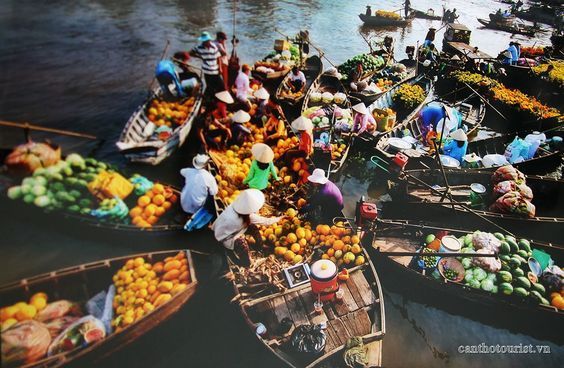
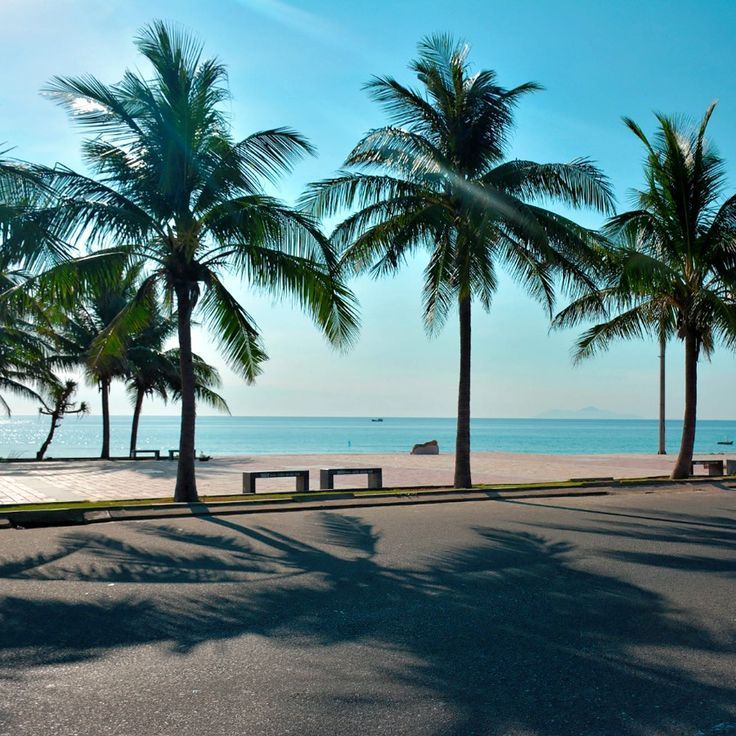
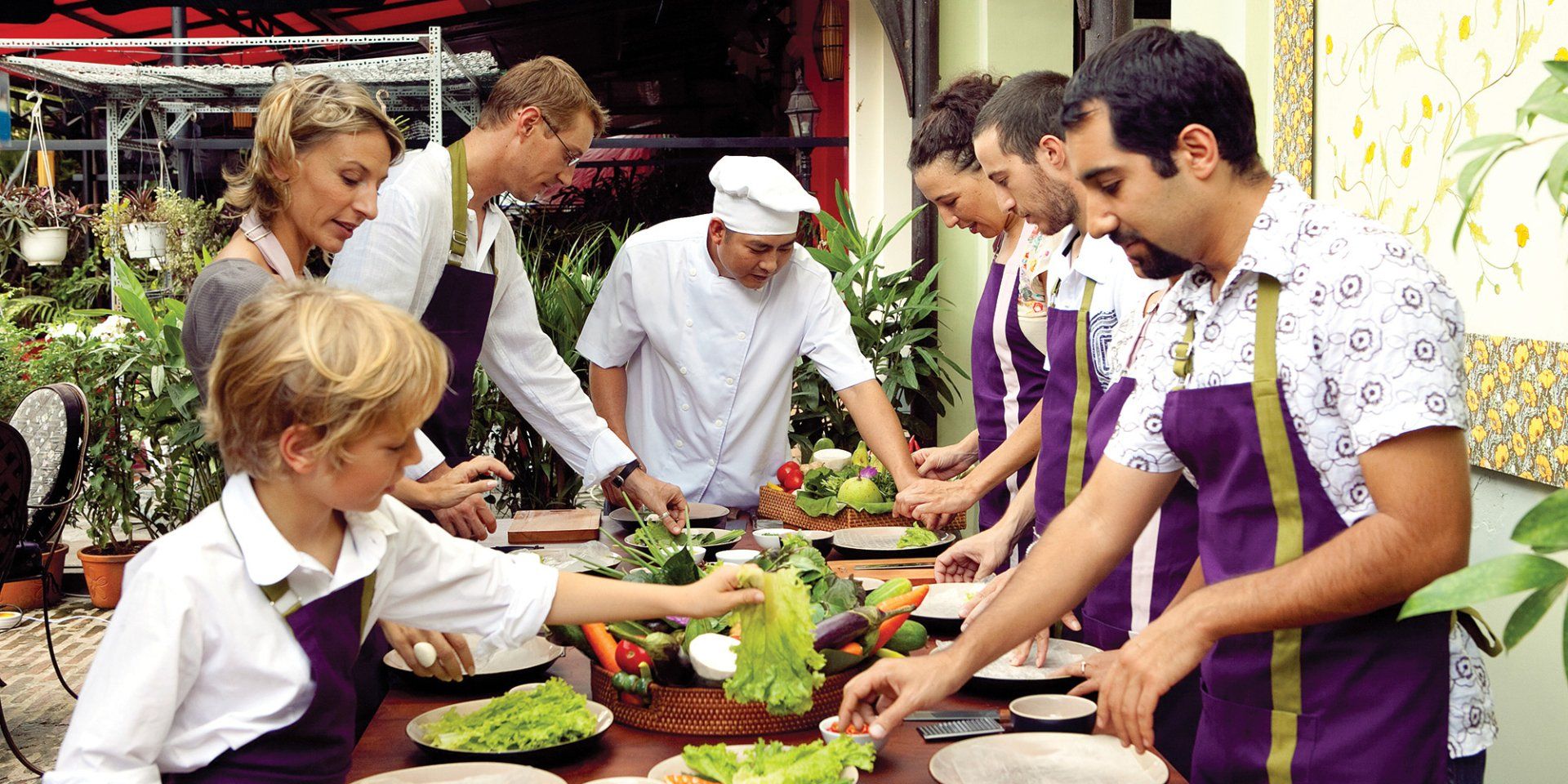
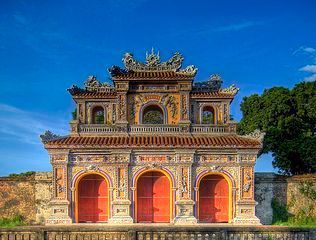
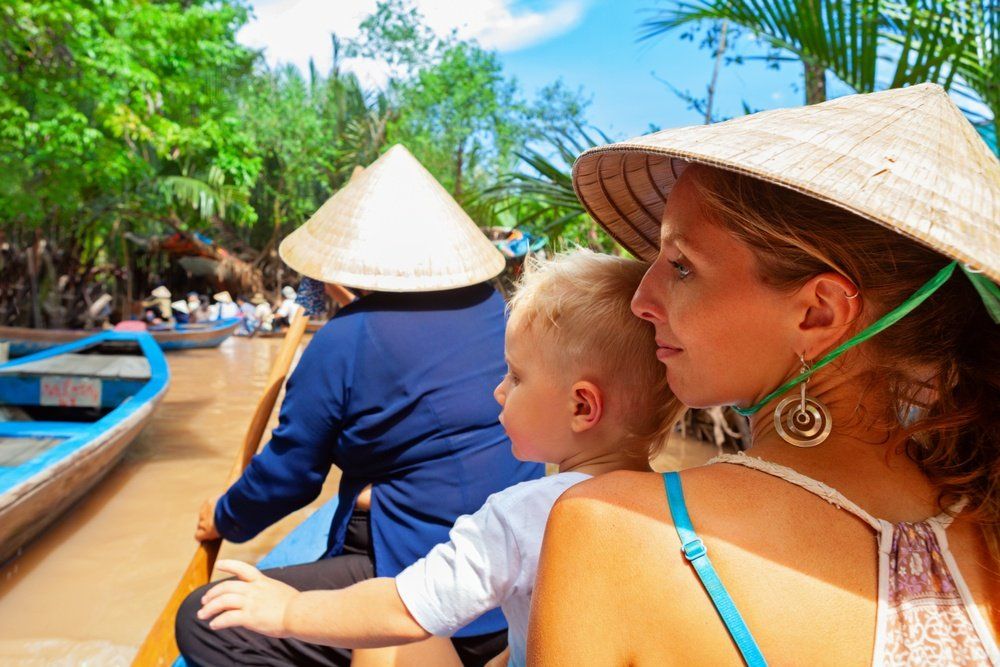
All Blog Travel Guides Regions In Vietnam
Read & view more blog articles about Travel Guides Regions In Vietnam

Central Vietnam Guide
Friends Travel Vietnam Blog
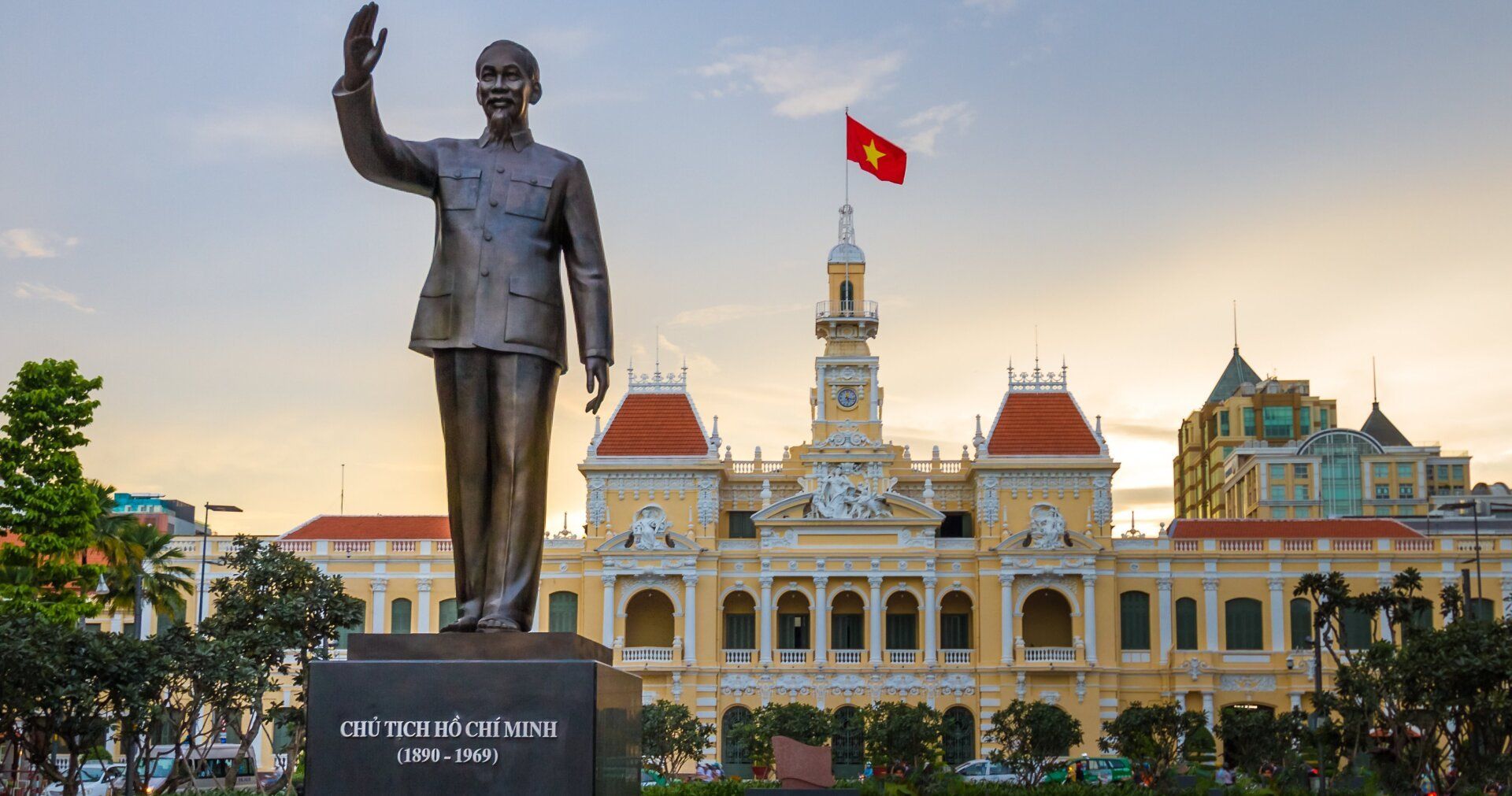
Southern Vietnam Guide
Friends Travel Vietnam Blog
Northern Vietnam Guide
Friends Travel Vietnam Blog
Index Northern Vietnam Travel Guide
Read & view more blog articles Central Vietnam in our Travel Guide for Vietnam
Lan Ha Bay
Friends Travel Vietnam Blog
Halong Bay
Friends Travel Vietnam Blog
Bai Tu Long Bay
Friends Travel Vietnam Blog
Hanoi
Friends Travel Vietnam Blog
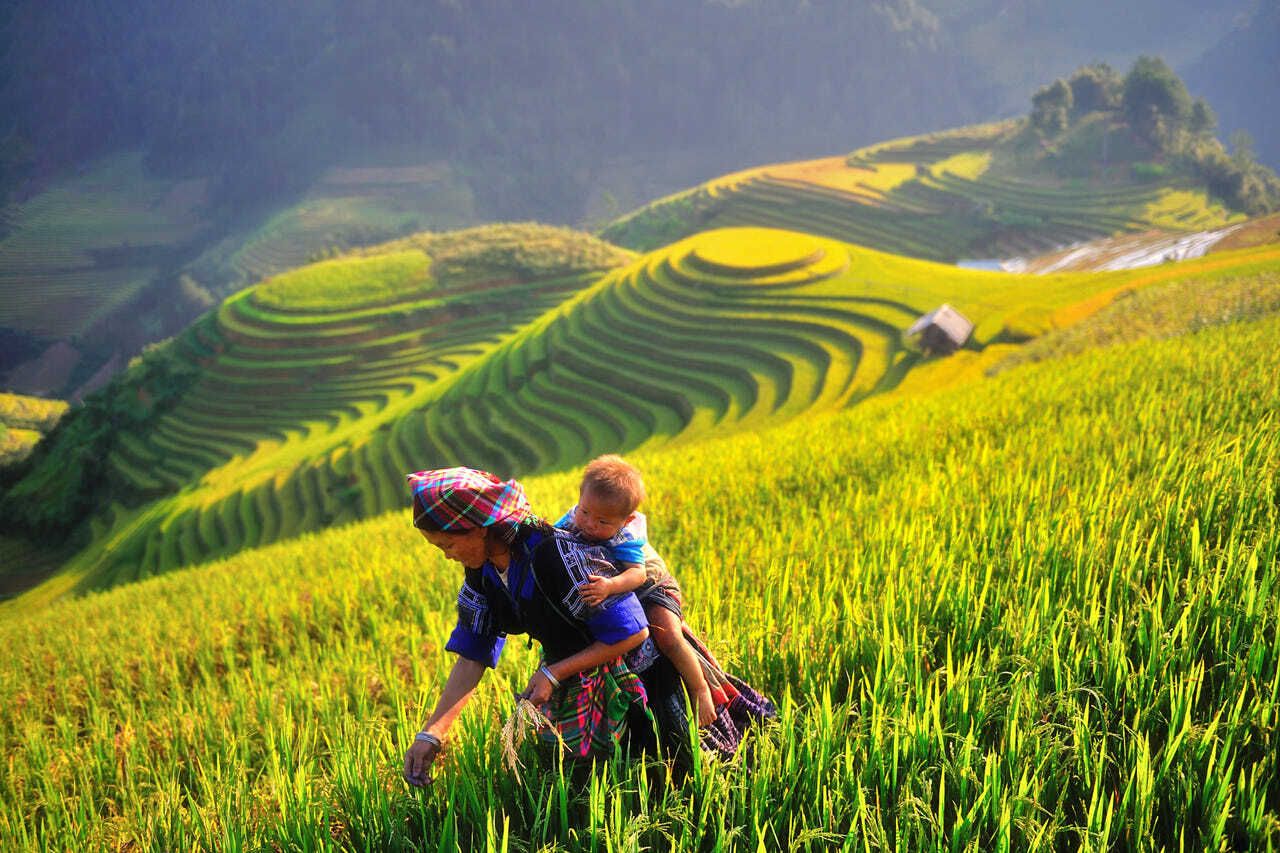
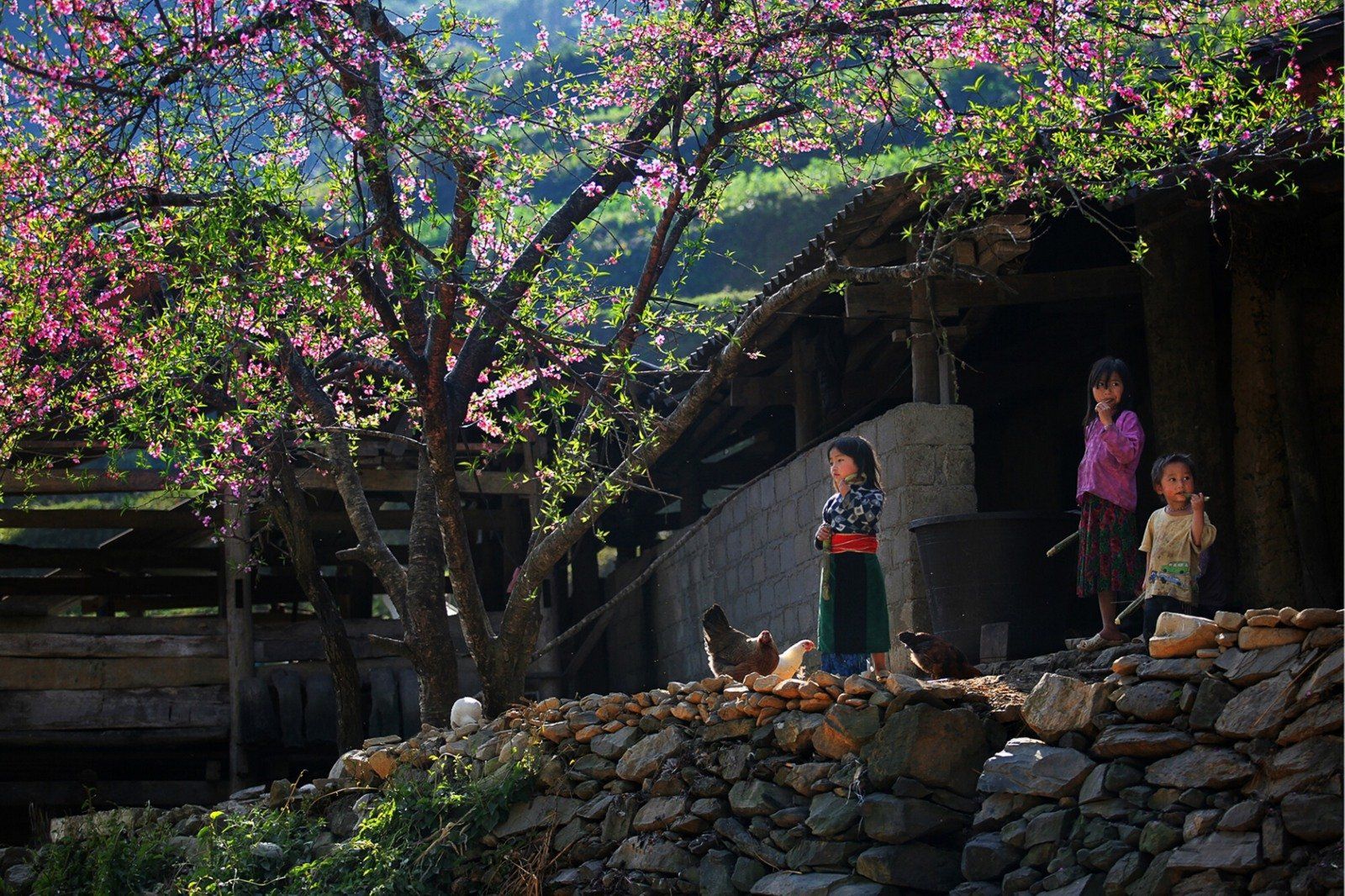
Index Central Vietnam Travel Guide
Read & view more blog articles Central Vietnam in our Travel Guide for Vietnam
Phong Nha Ke Bang
Friends Travel Vietnam Blog
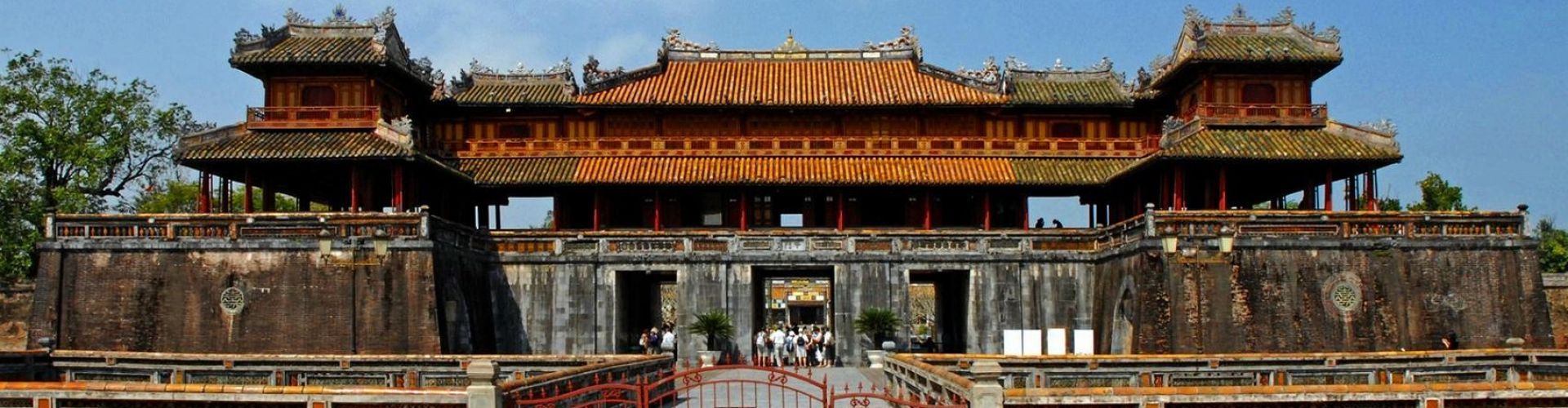
Hue
Friends Travel Vietnam Blog
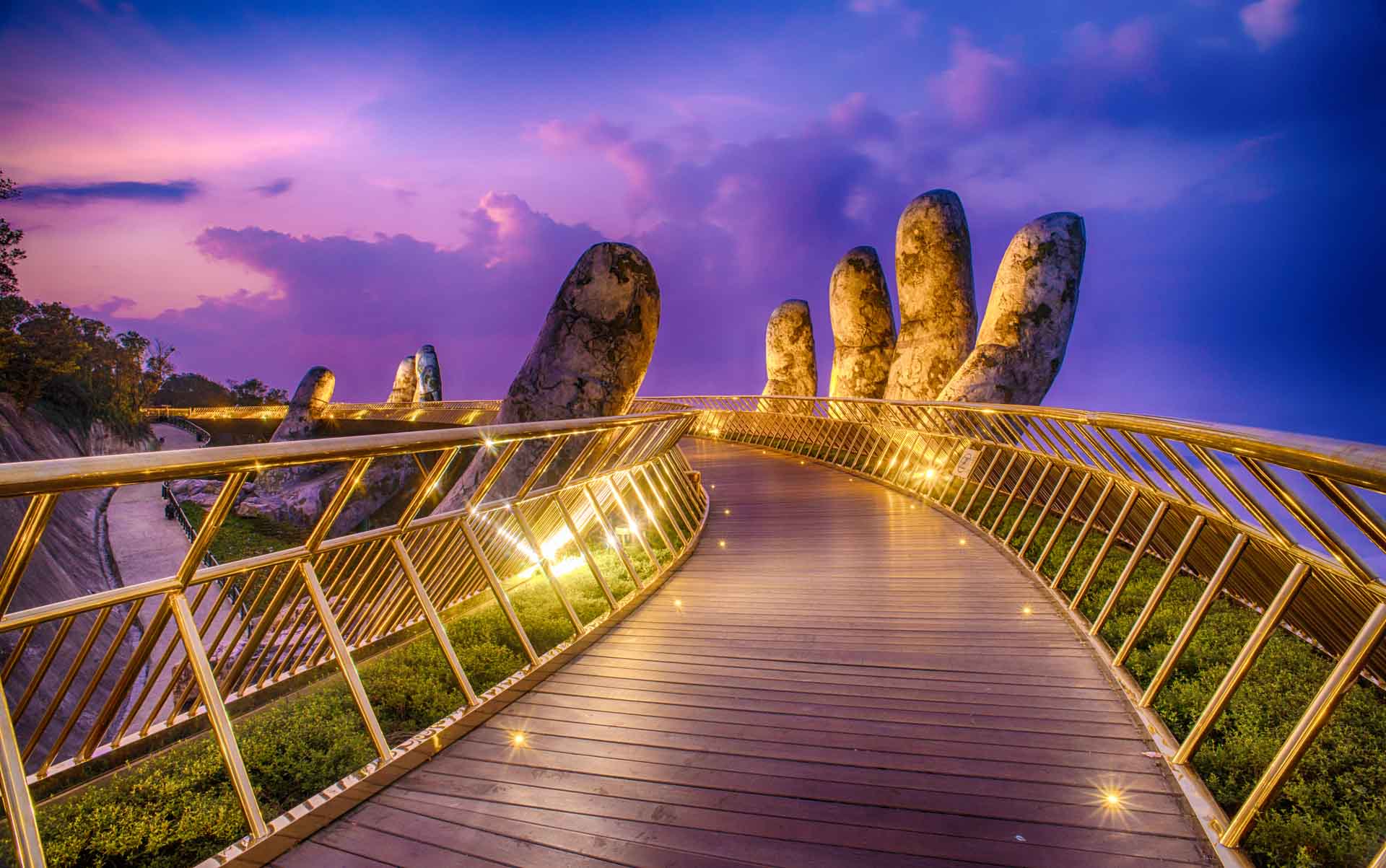
Danang
Friends Travel Vietnam Blog
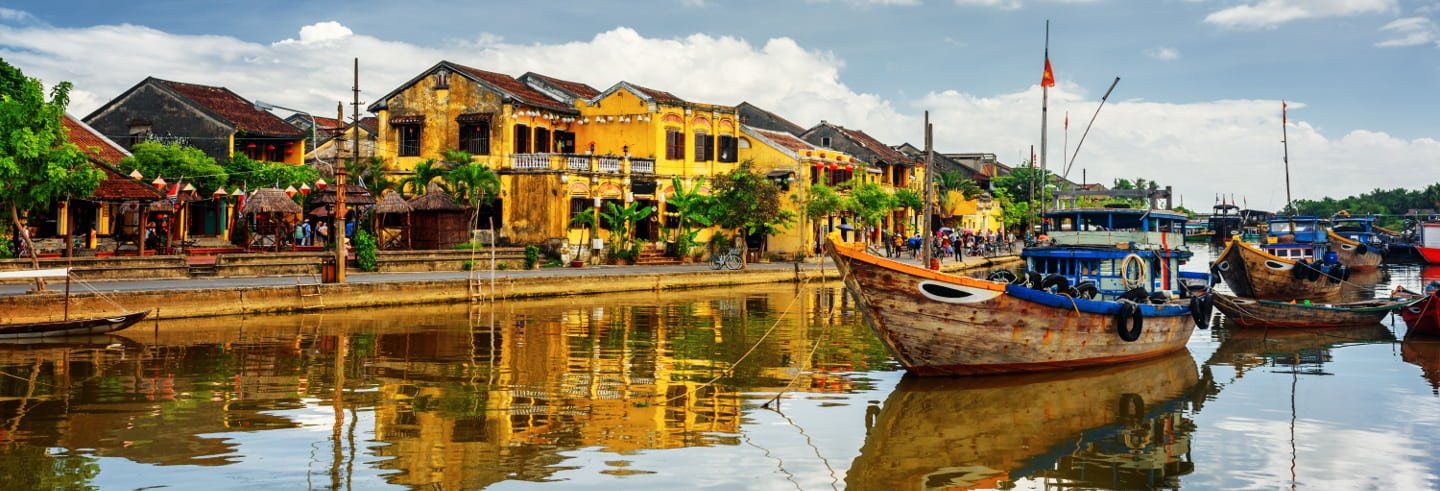
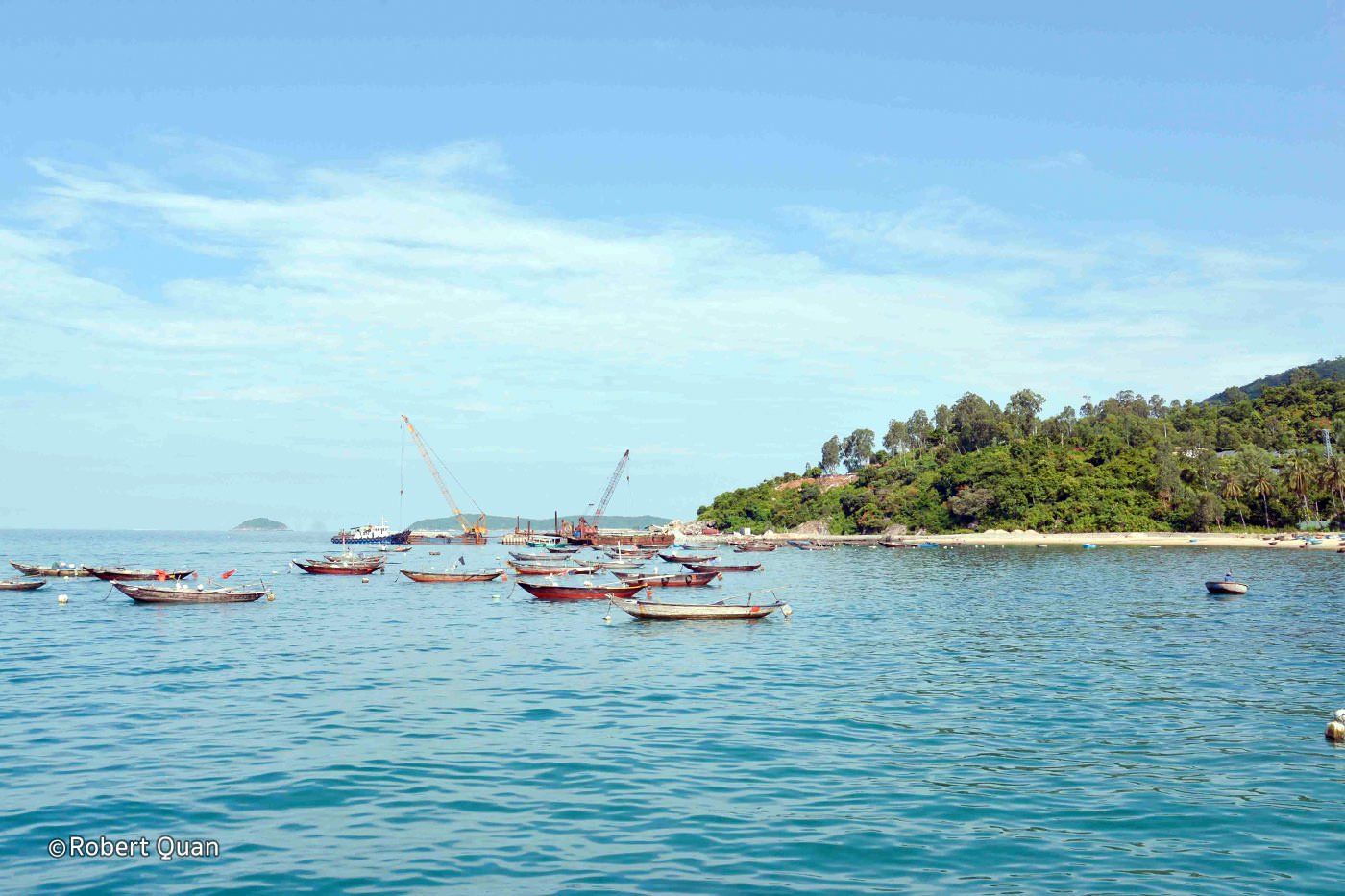
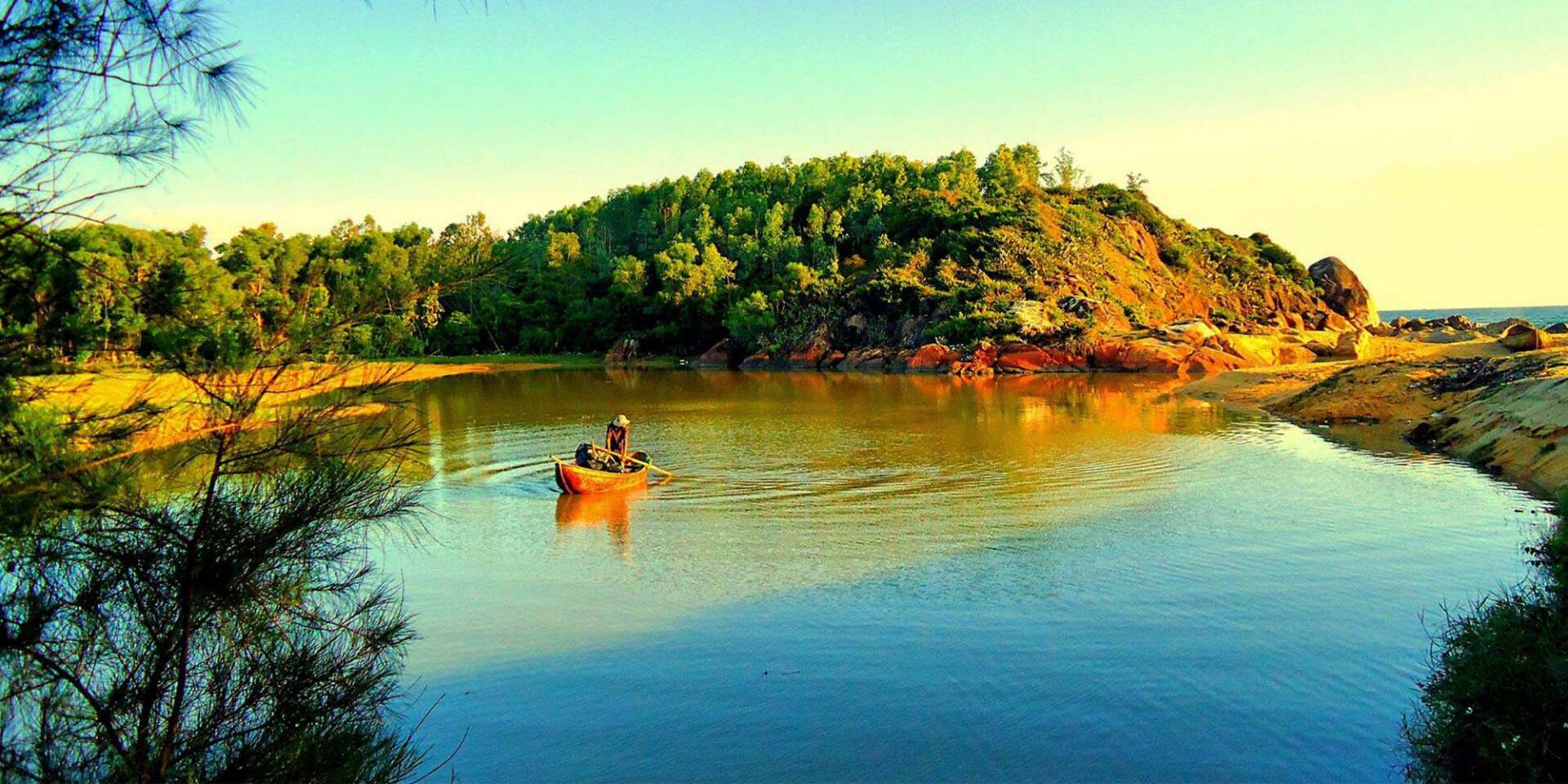
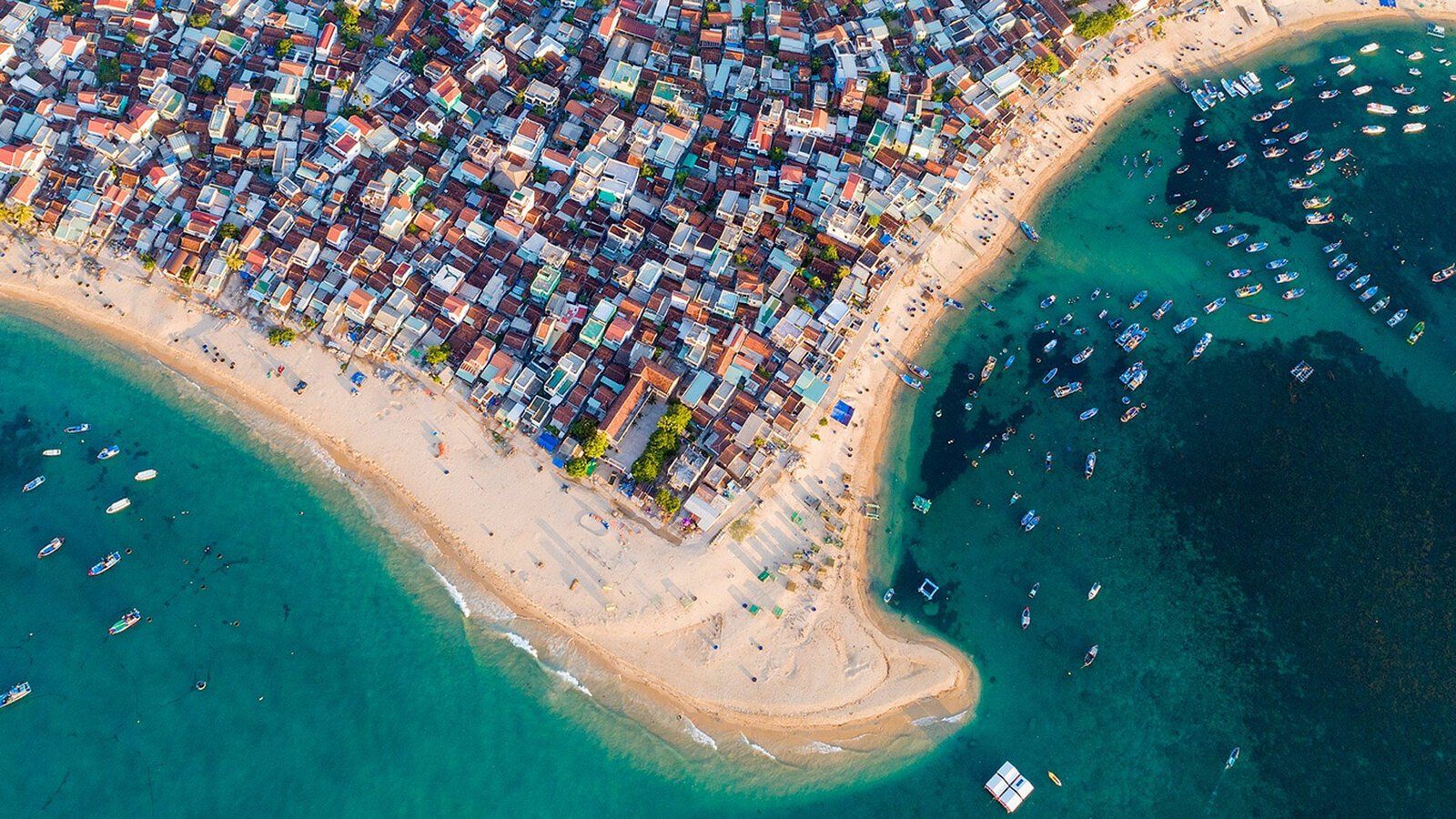
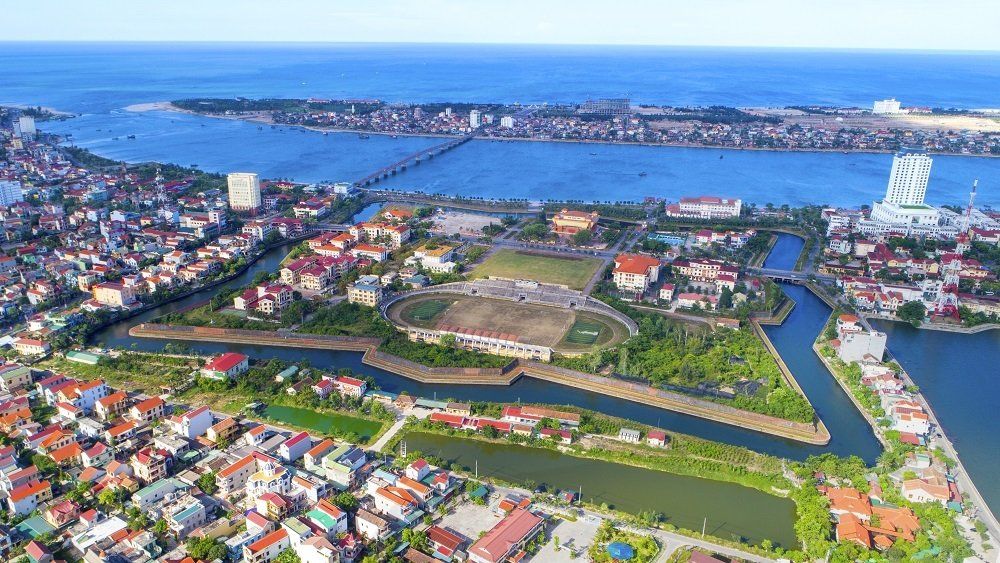
Index Southern Vietnam Travel Guide
Read & view more blog articles Southern Vietnam in our Travel Guide for Vietnam
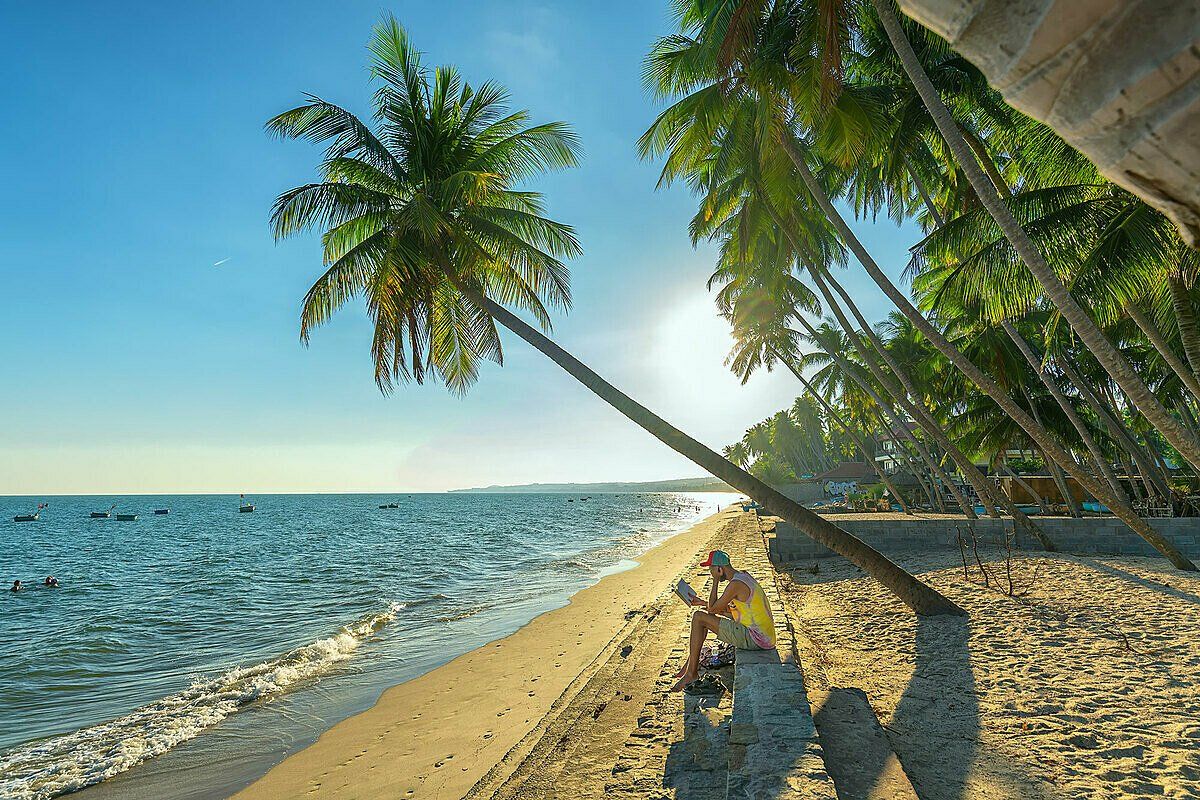
Mui Ne
Friends Travel Vietnam Blog
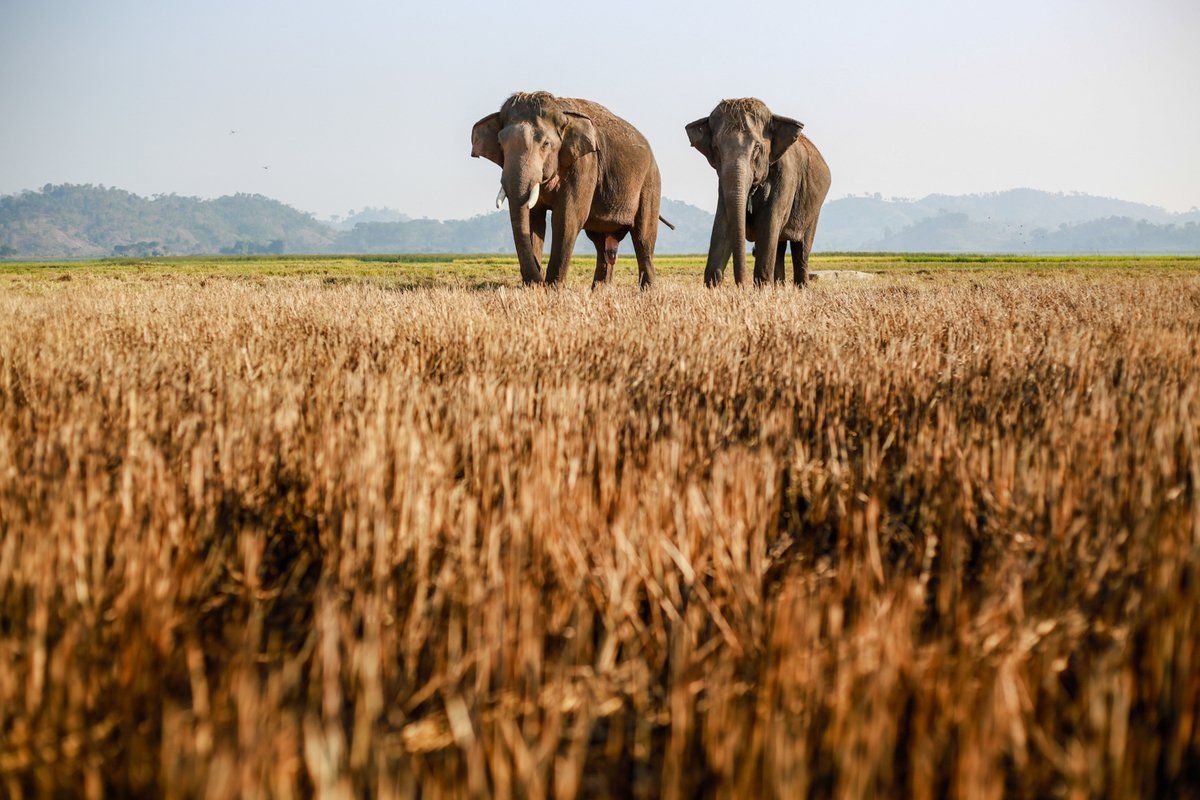
Buon Ma Thuot
Friends Travel Vietnam Blog
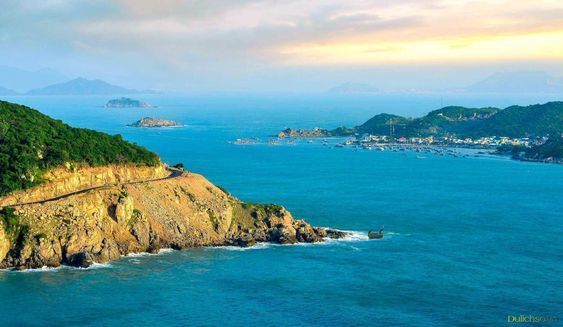
Phan Rang
Friends Travel Vietnam Blog
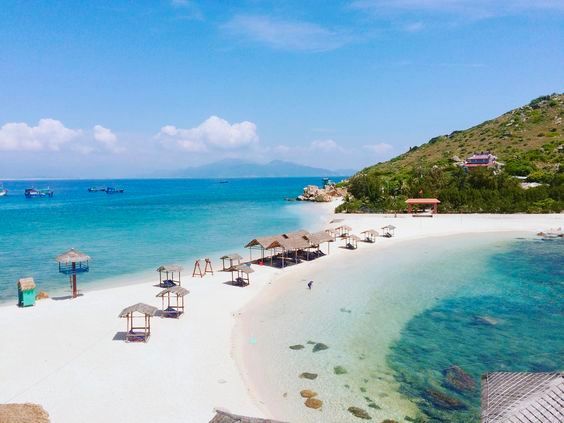
Nha Trang
Friends Travel Vietnam Blog
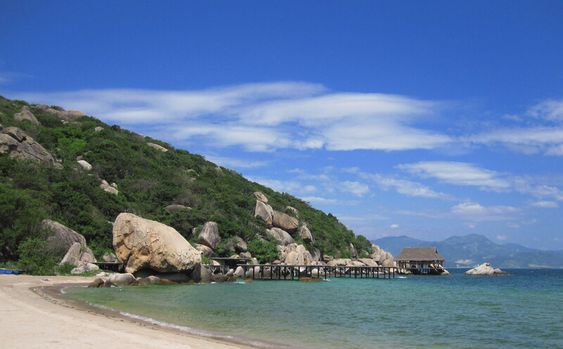
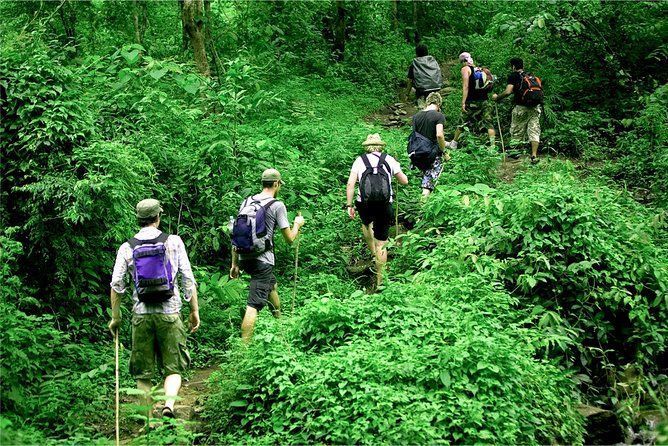
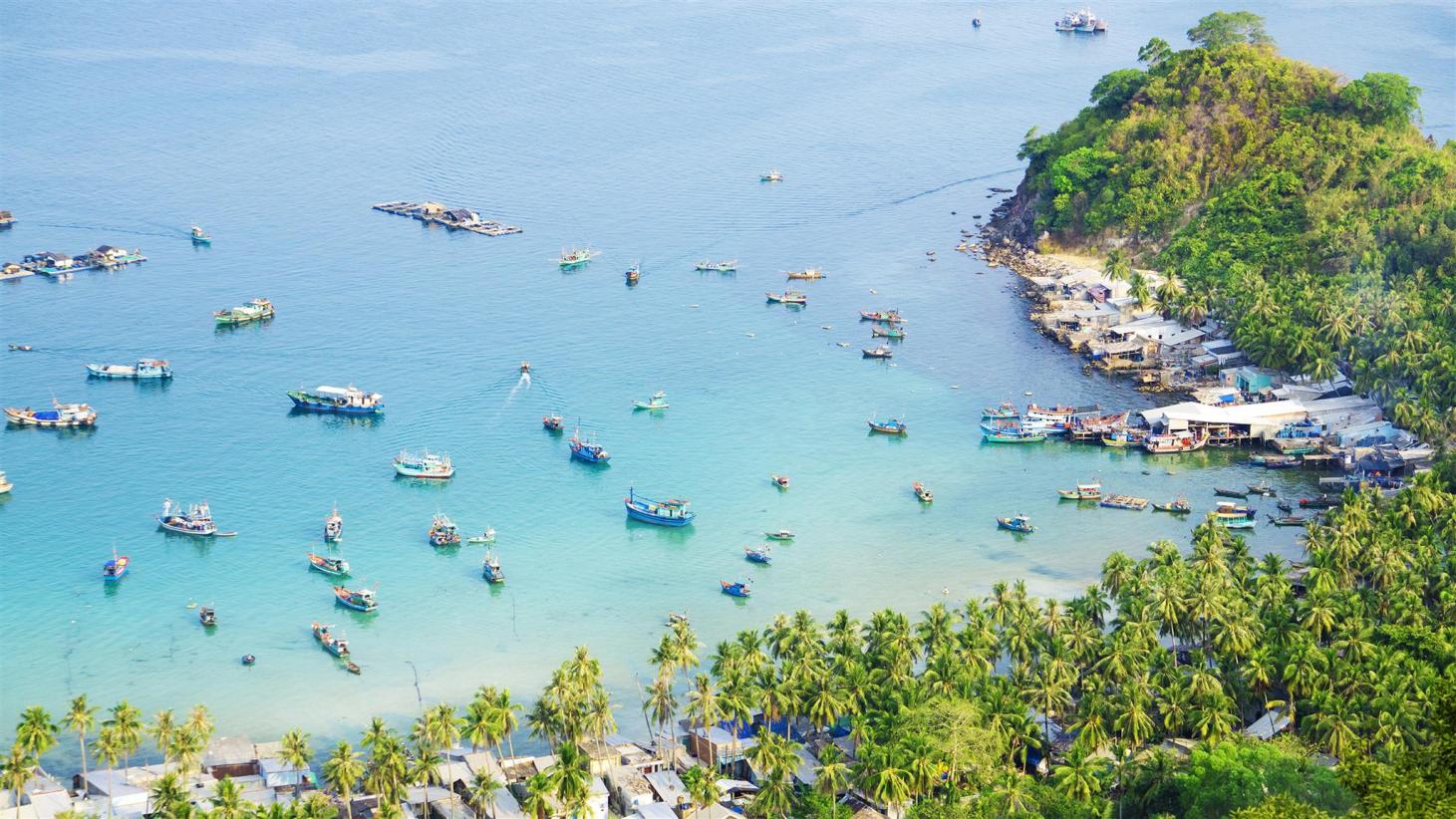
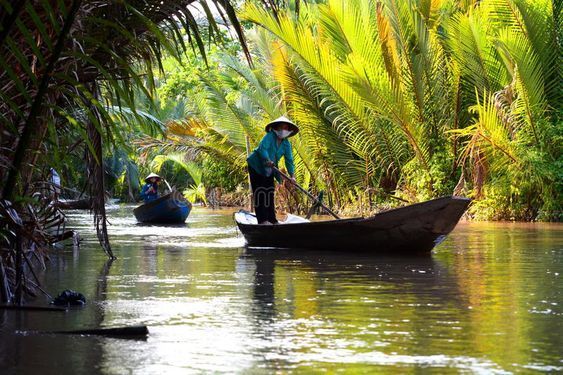
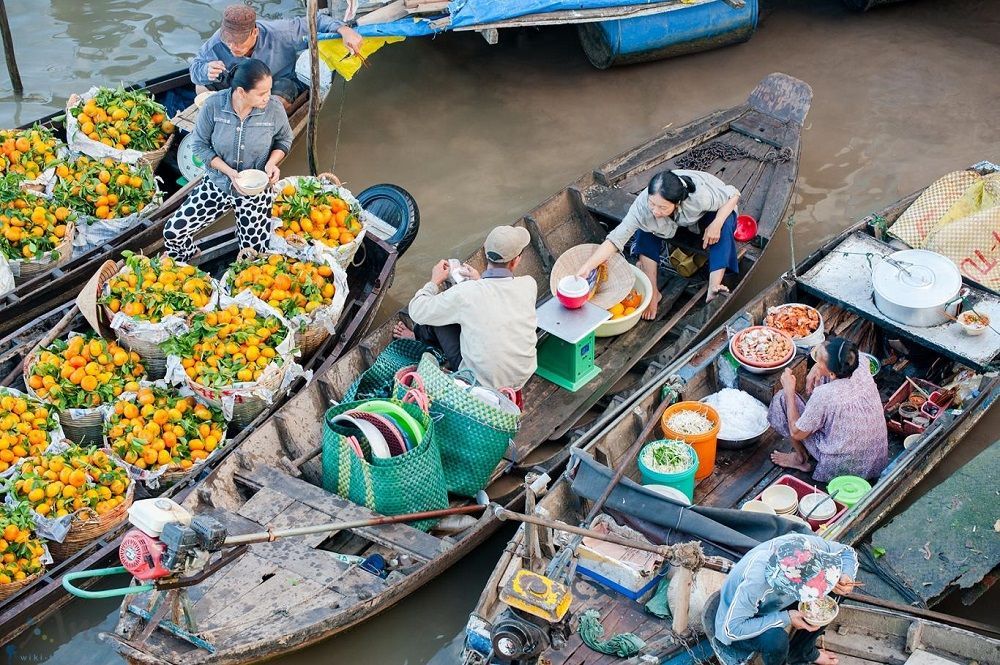
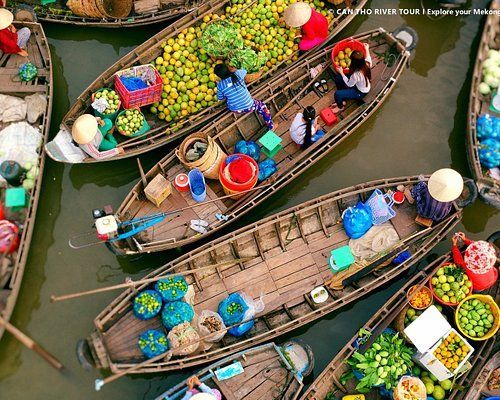
Index Islands of Vietnam Travel Guide
Read more blog articles Islands of Vietnam in our Travel Guide for Vietnam
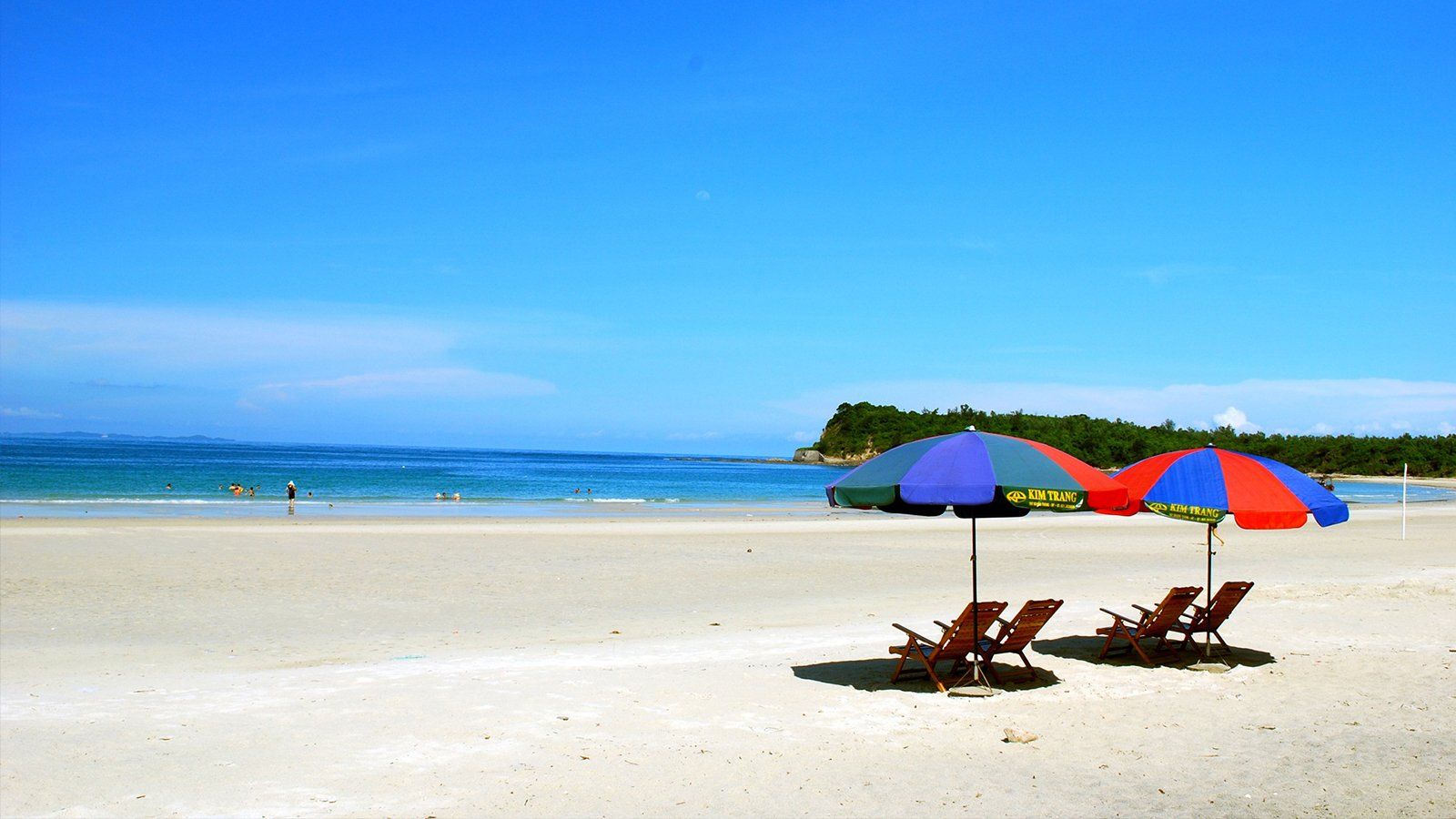
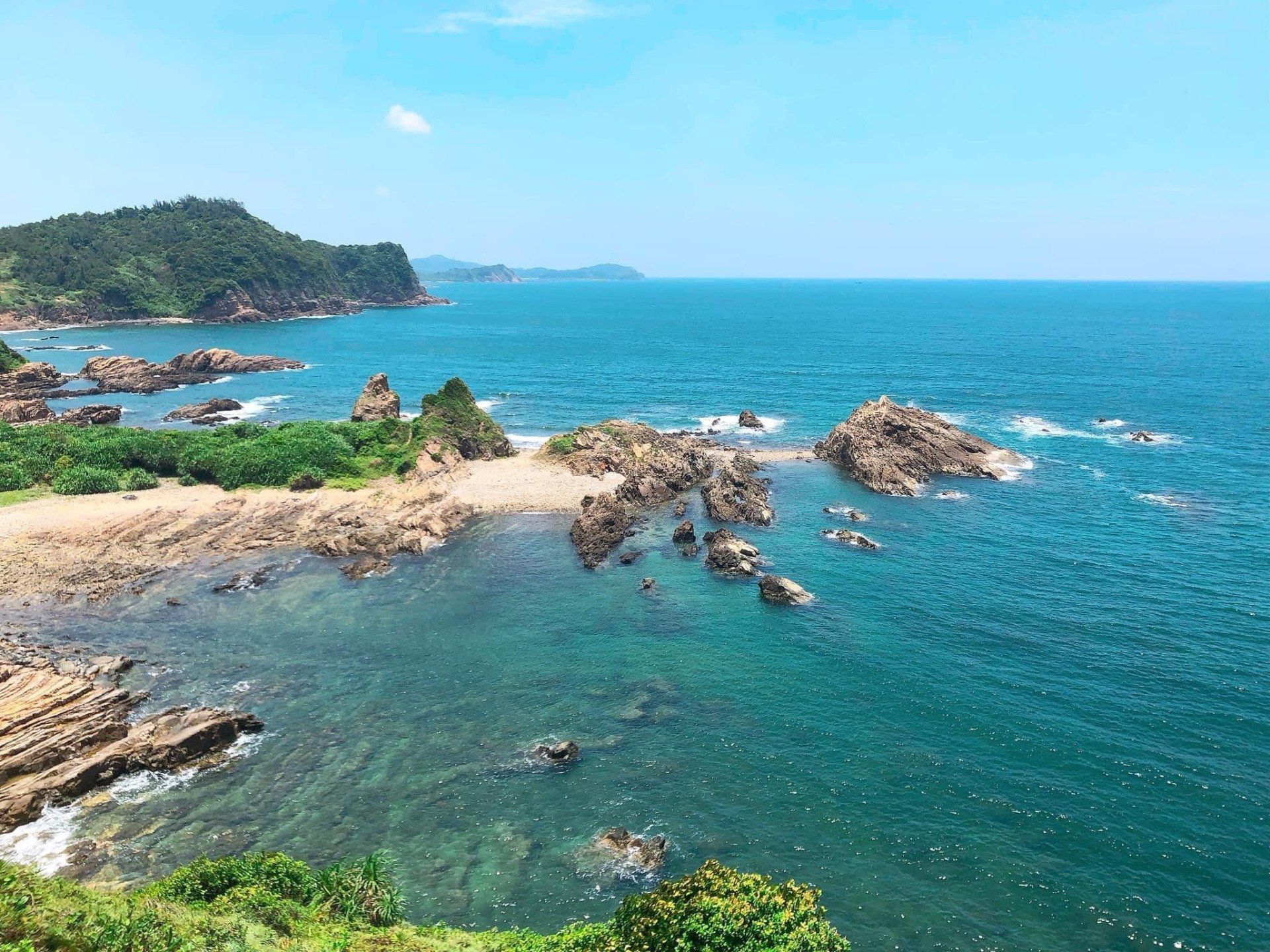
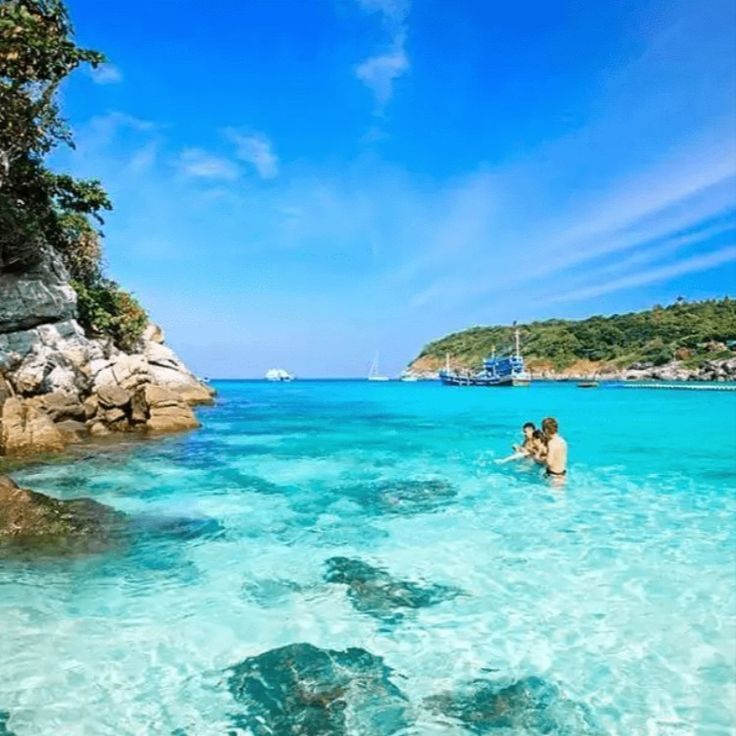
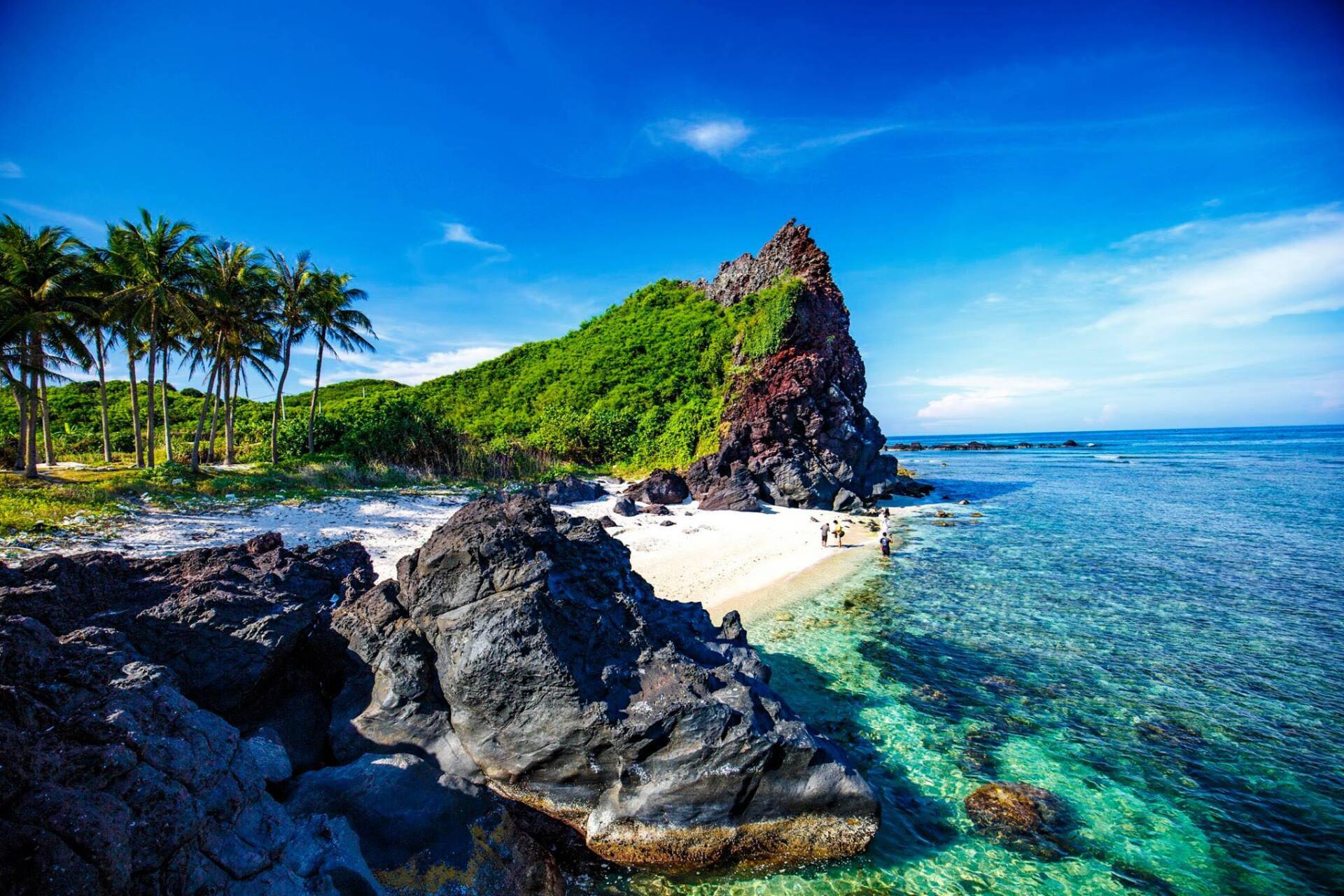
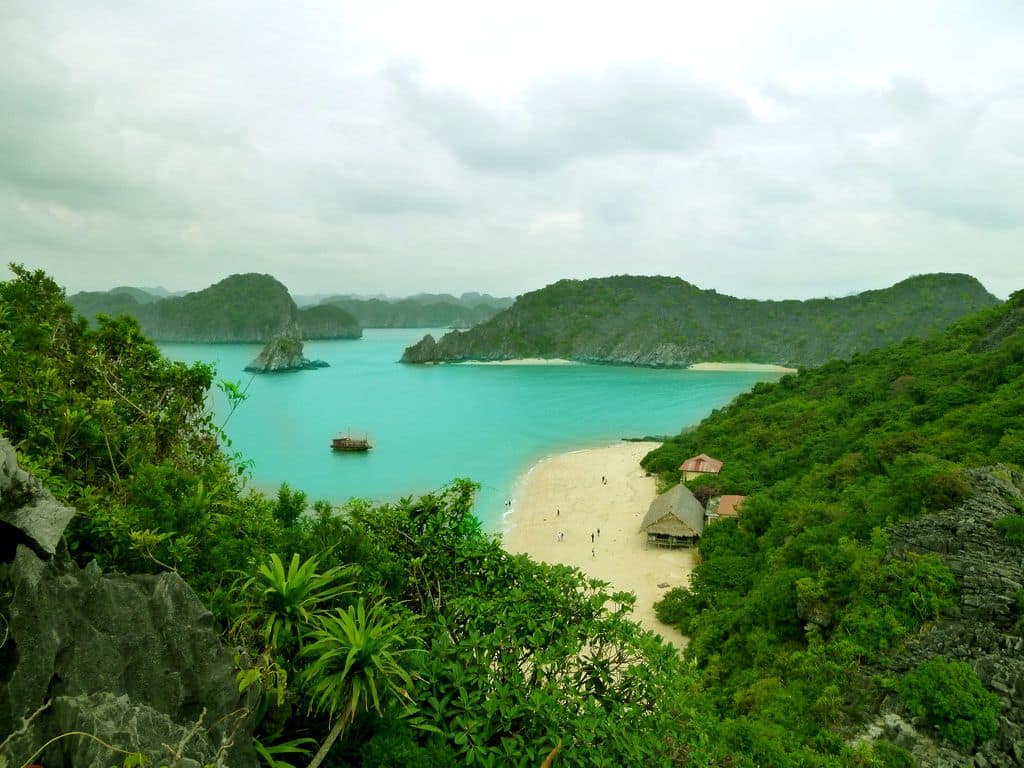
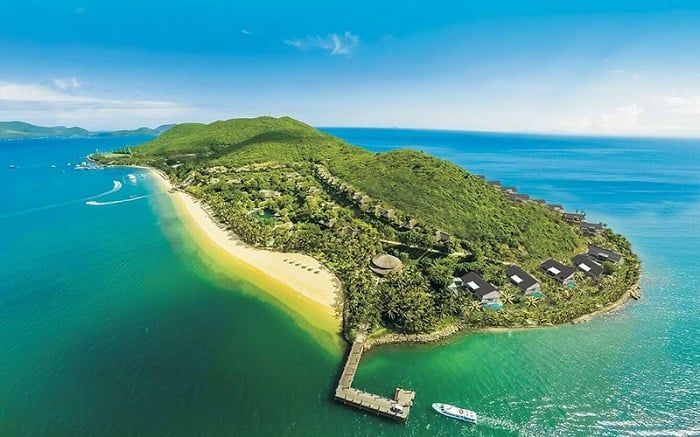
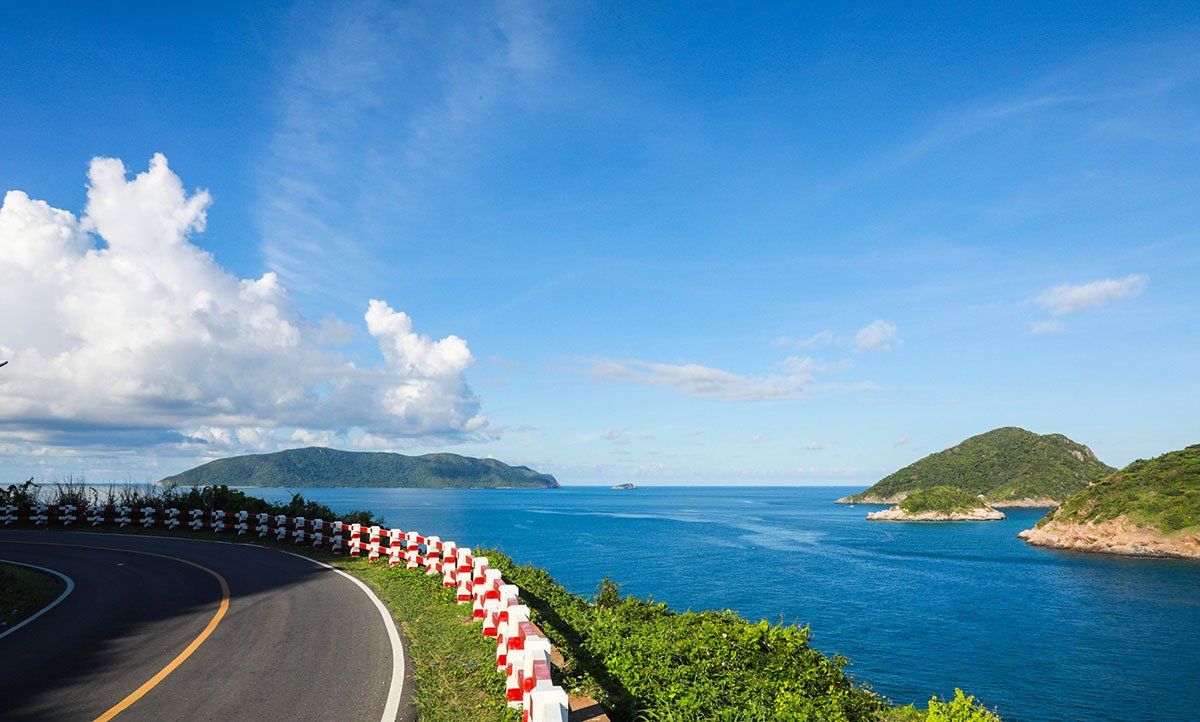
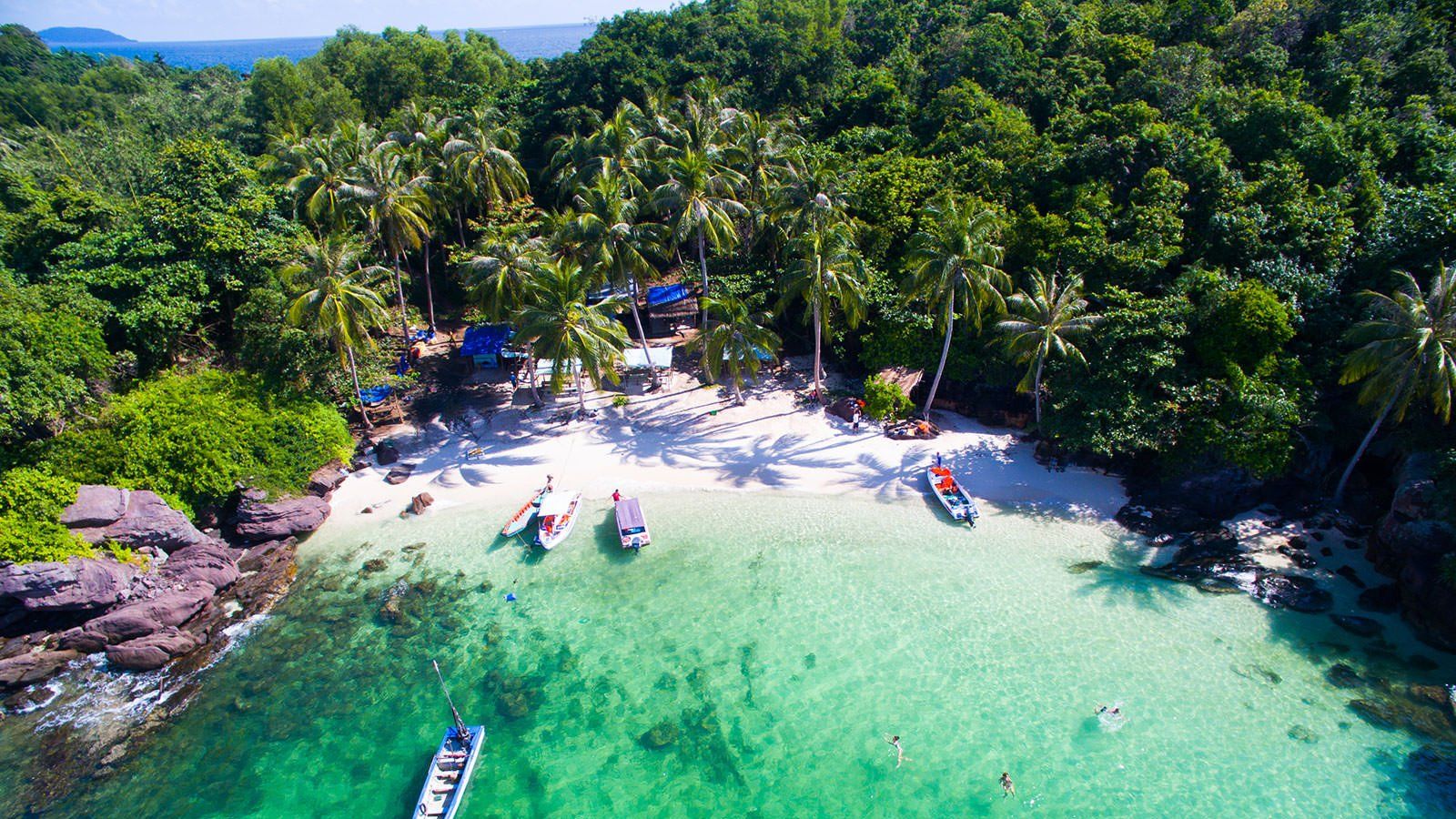
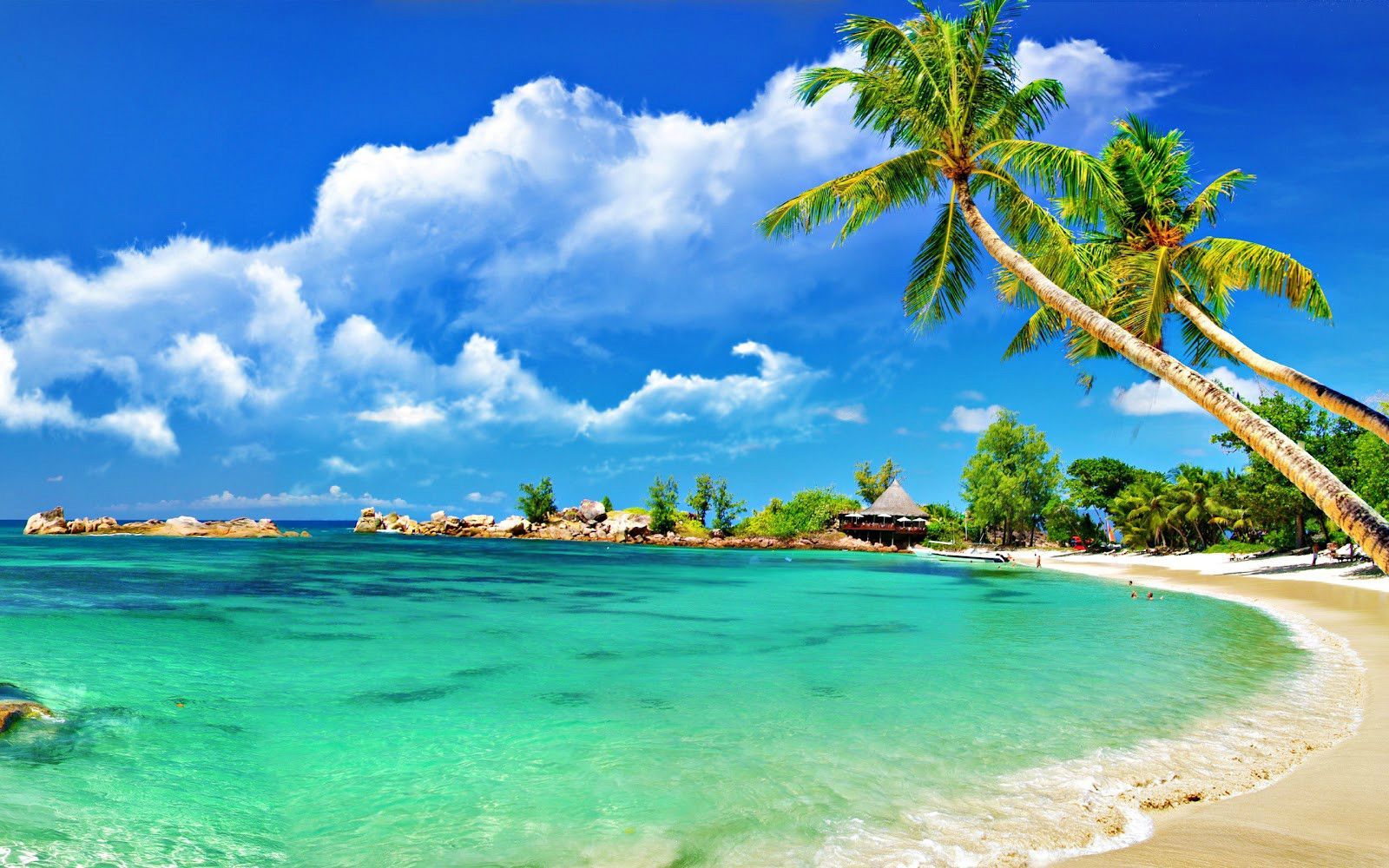
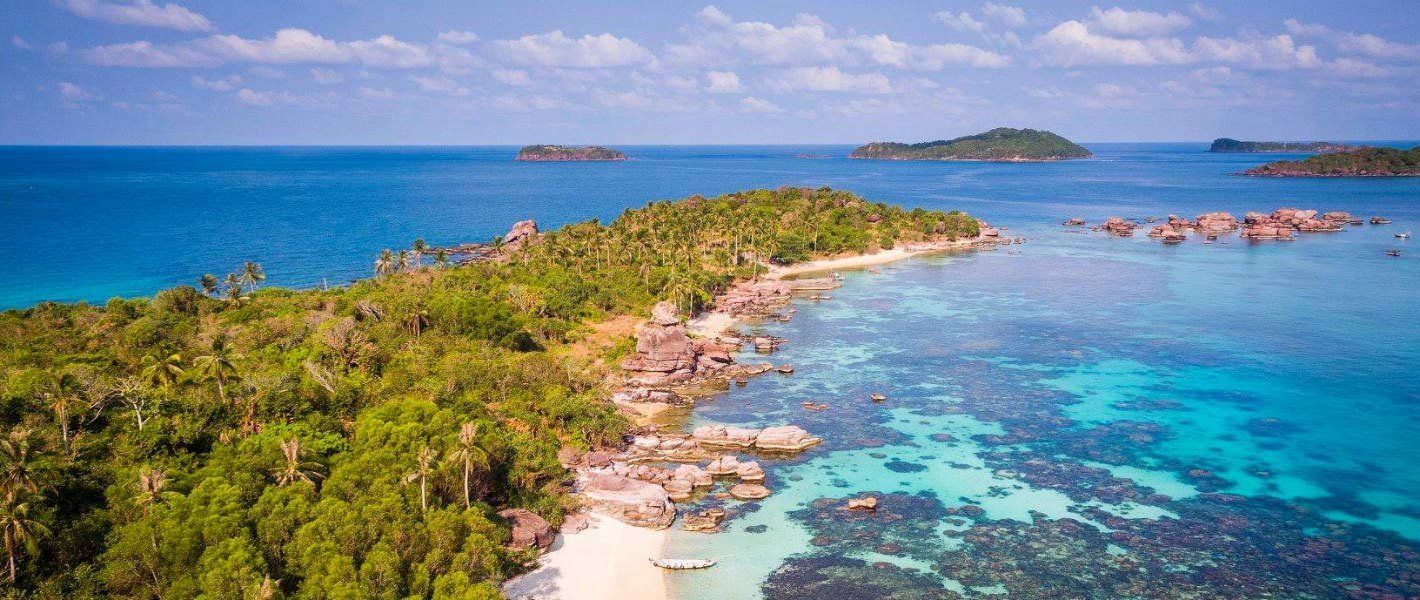
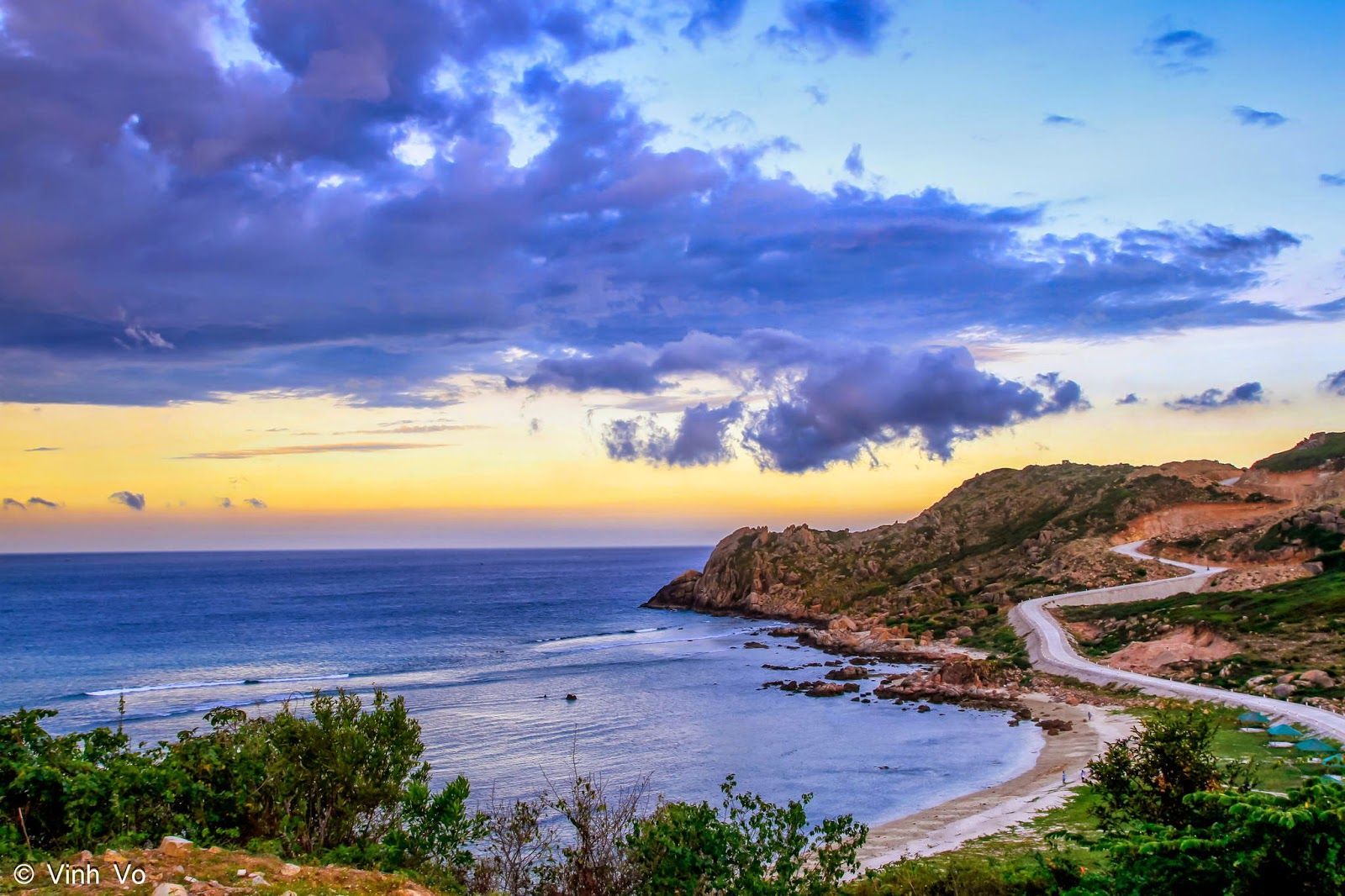
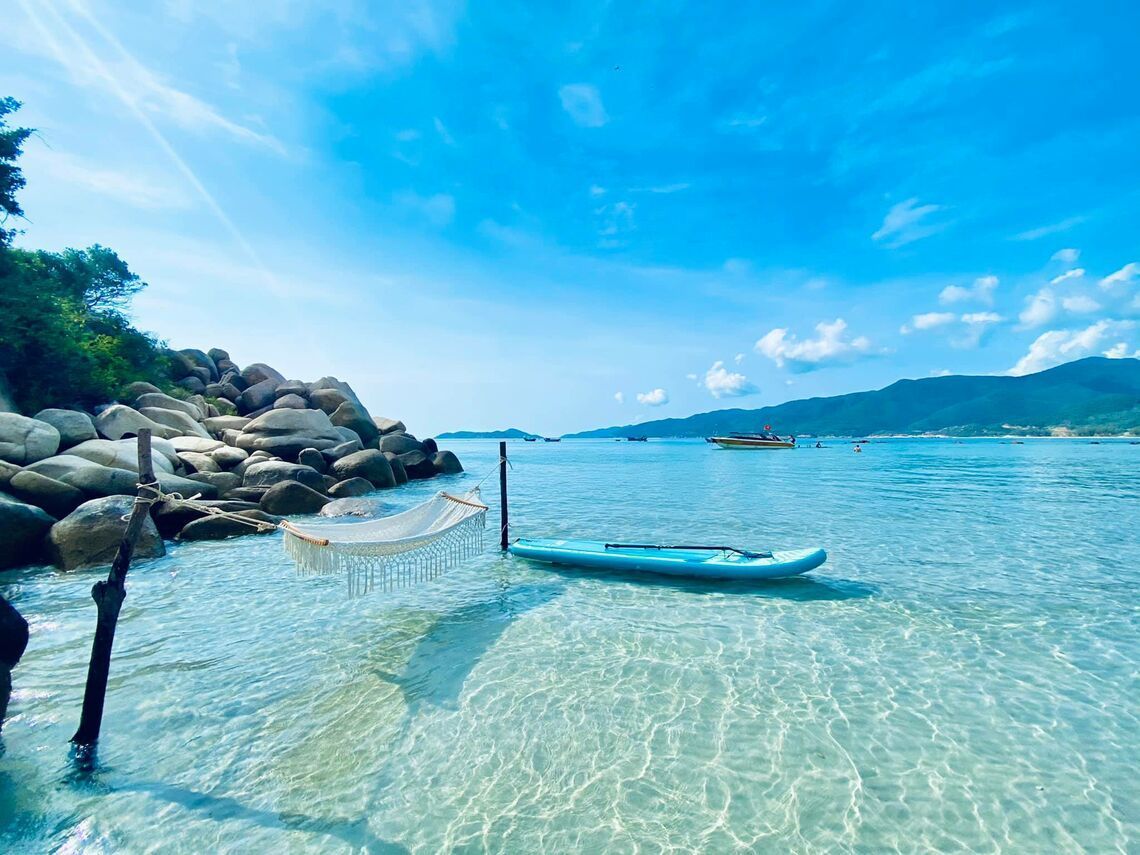
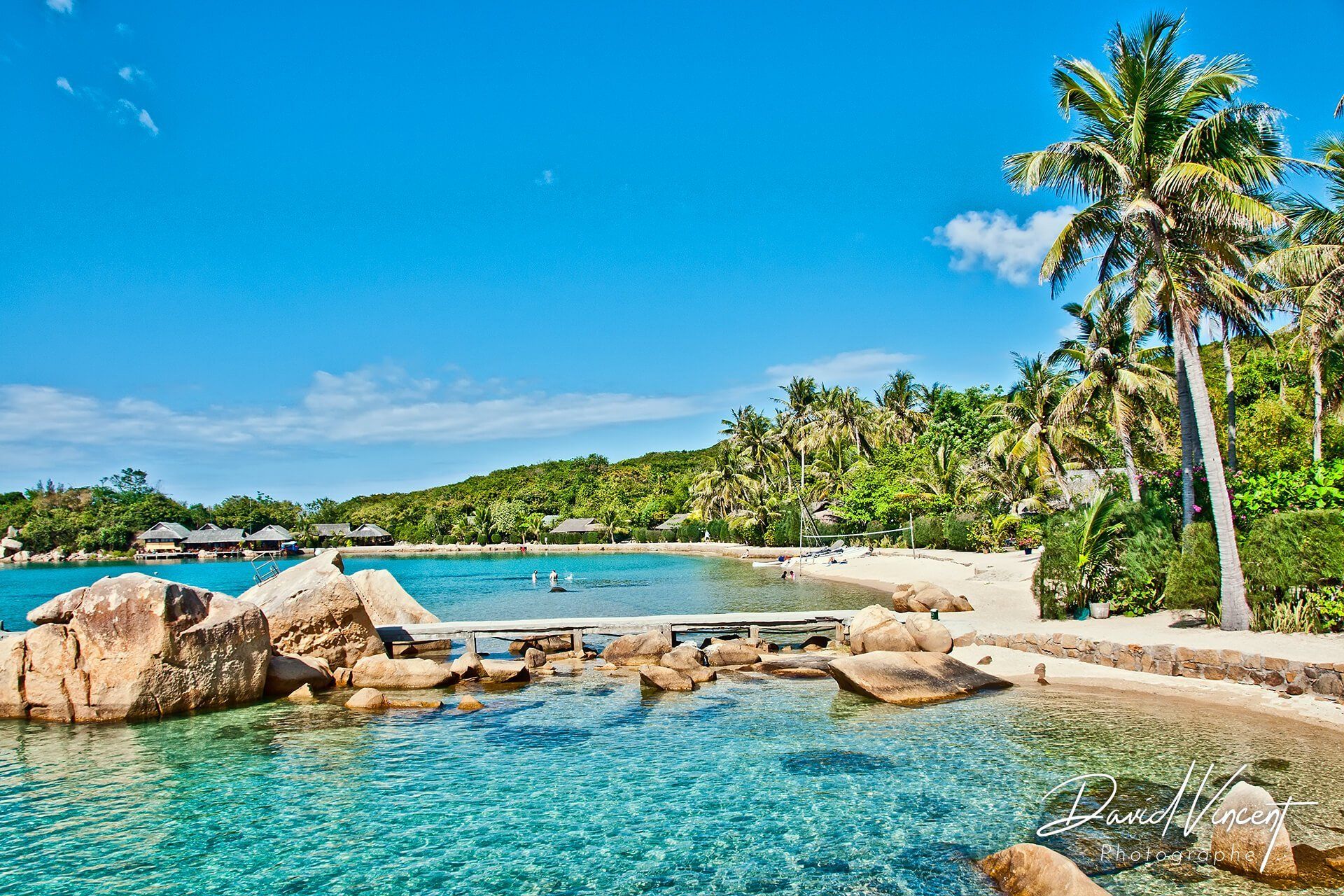
All Regions as Destinations In Vietnam
Read & view more information about Regions as Destinations In Vietnam
Though Vietnam looks small on the map, you could easily spend weeks exploring this fascinating country. From the jagged mountains in the north to the tropical beaches in the south & central Vietnam – and all of the history and culture in between. The country is developed enough to offer most comforts but still wild enough to provide off-the-beaten-path adventure for travellers who love trekking into the Northern mountains, Vietnam will not let you down in anyway. Welcome to Vietnam, a land of staggering natural beauty & cultural complexities, of dynamic megacities & hill-tribe villages, Vietnam is both exotic and compelling.
Moreover, as Vietnam is safe, welcoming solo travellers & all other travelers from walks of life!
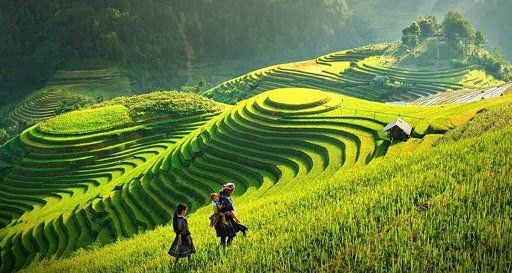
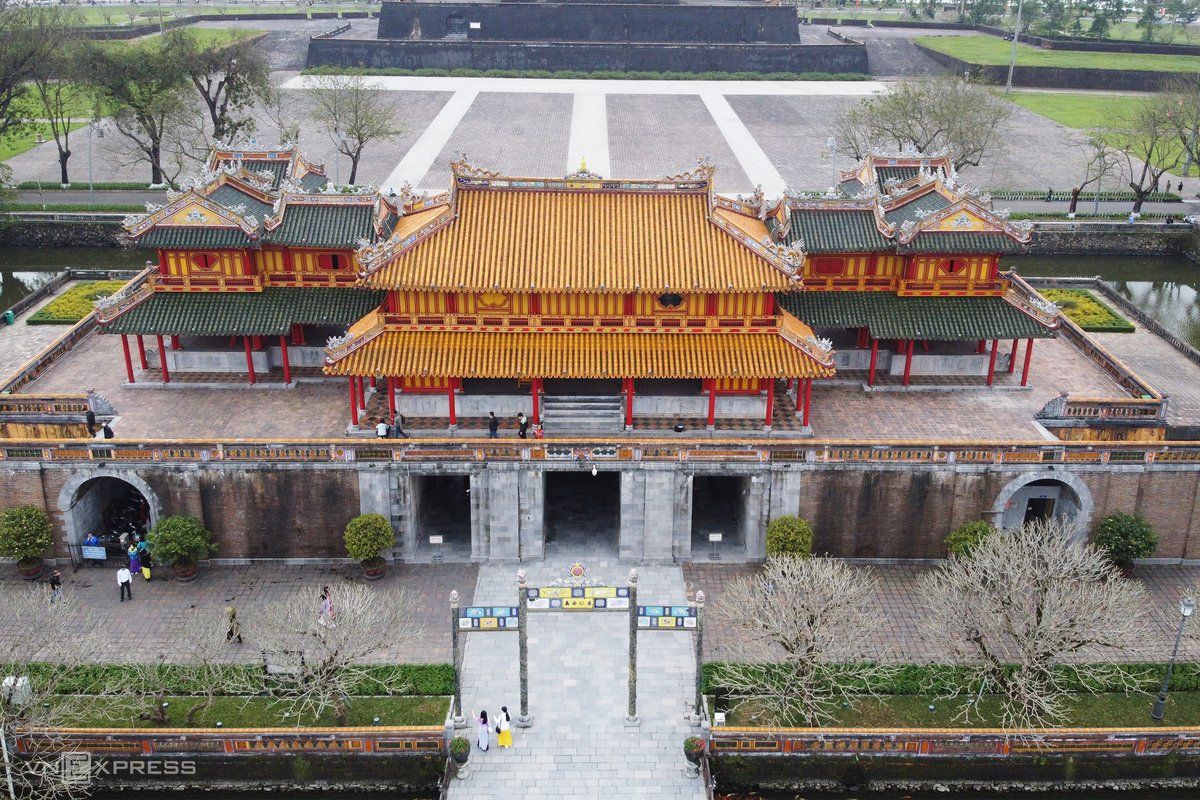
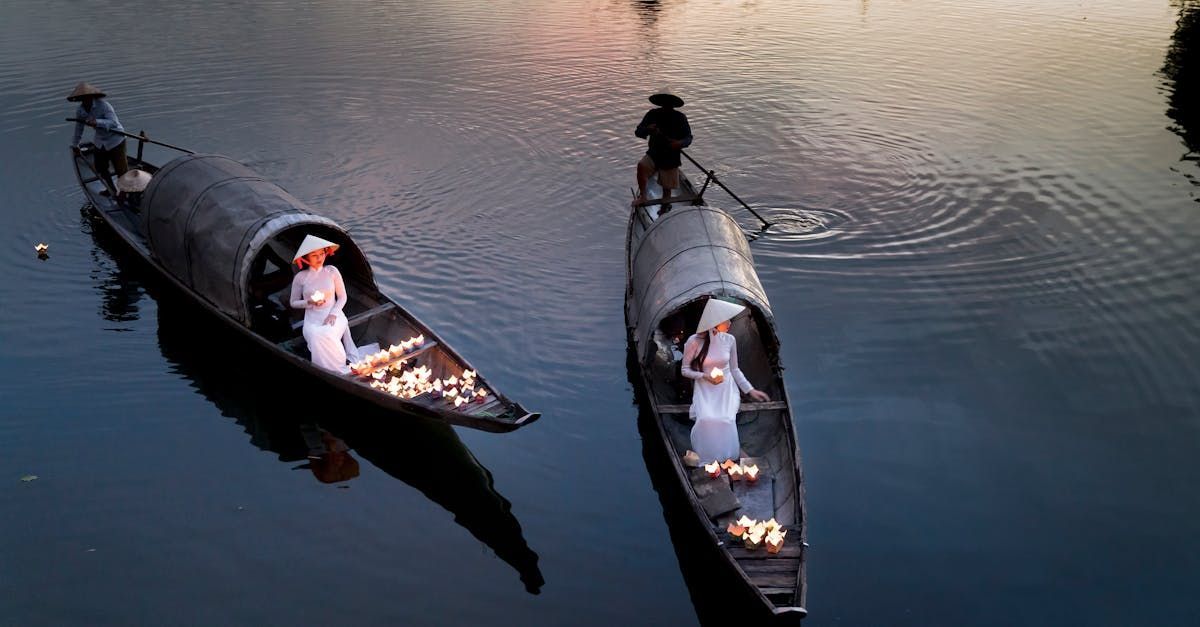
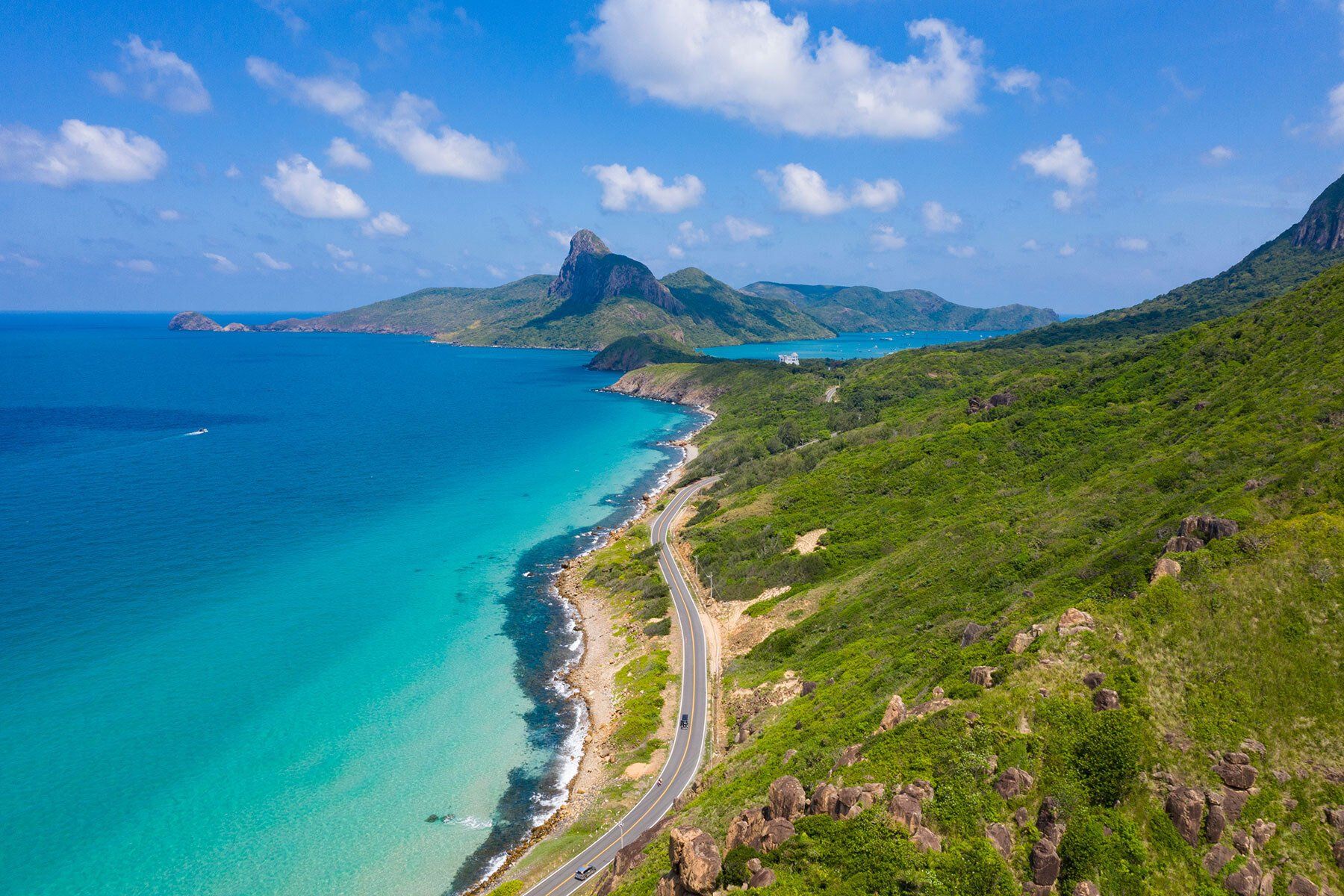
Index Northern Destinations Vietnam
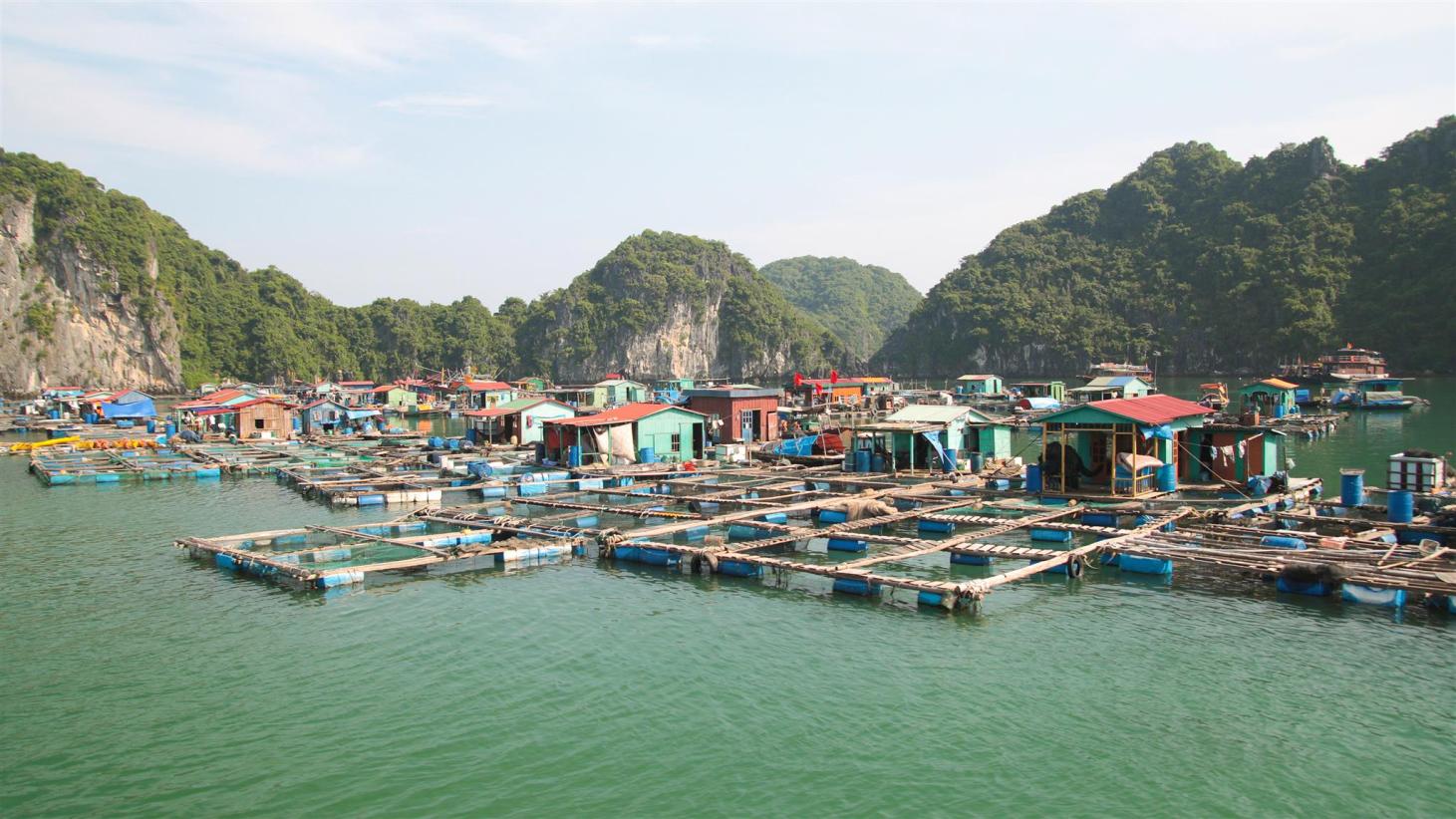
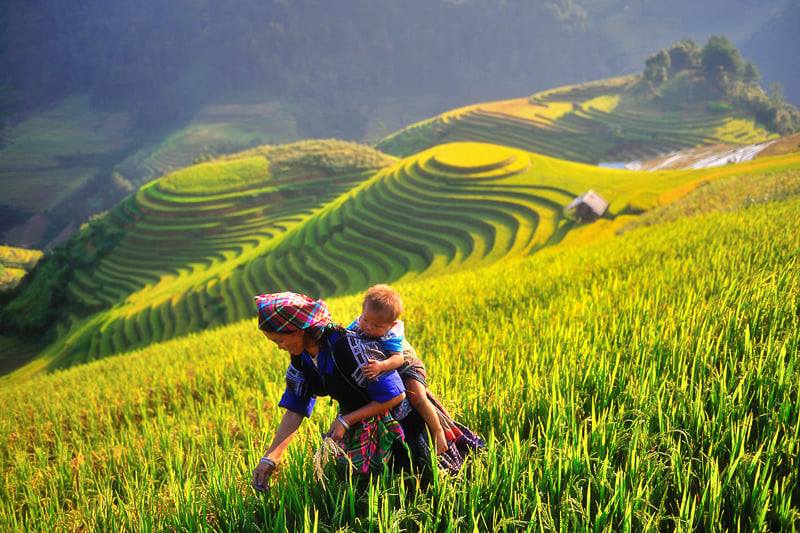
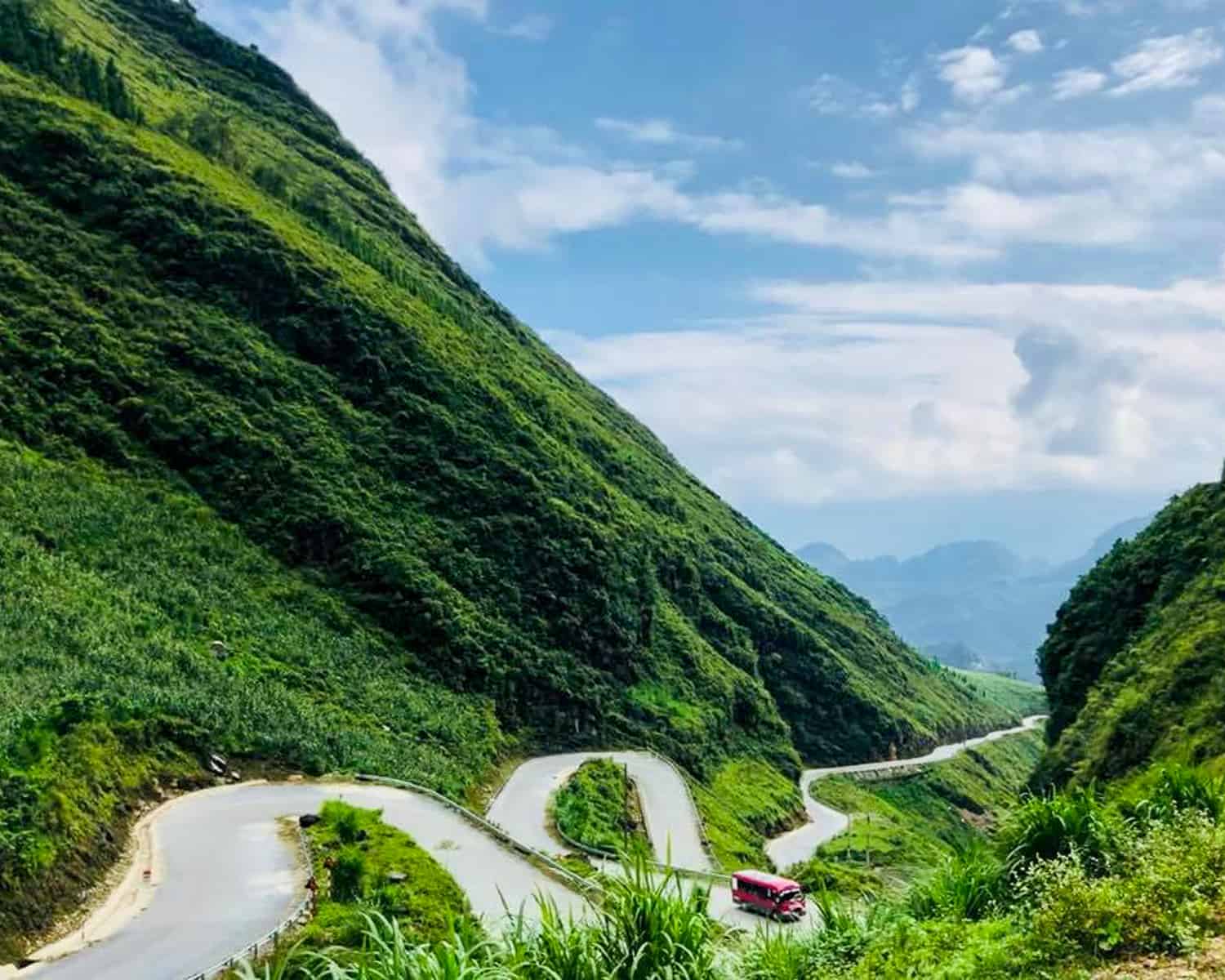
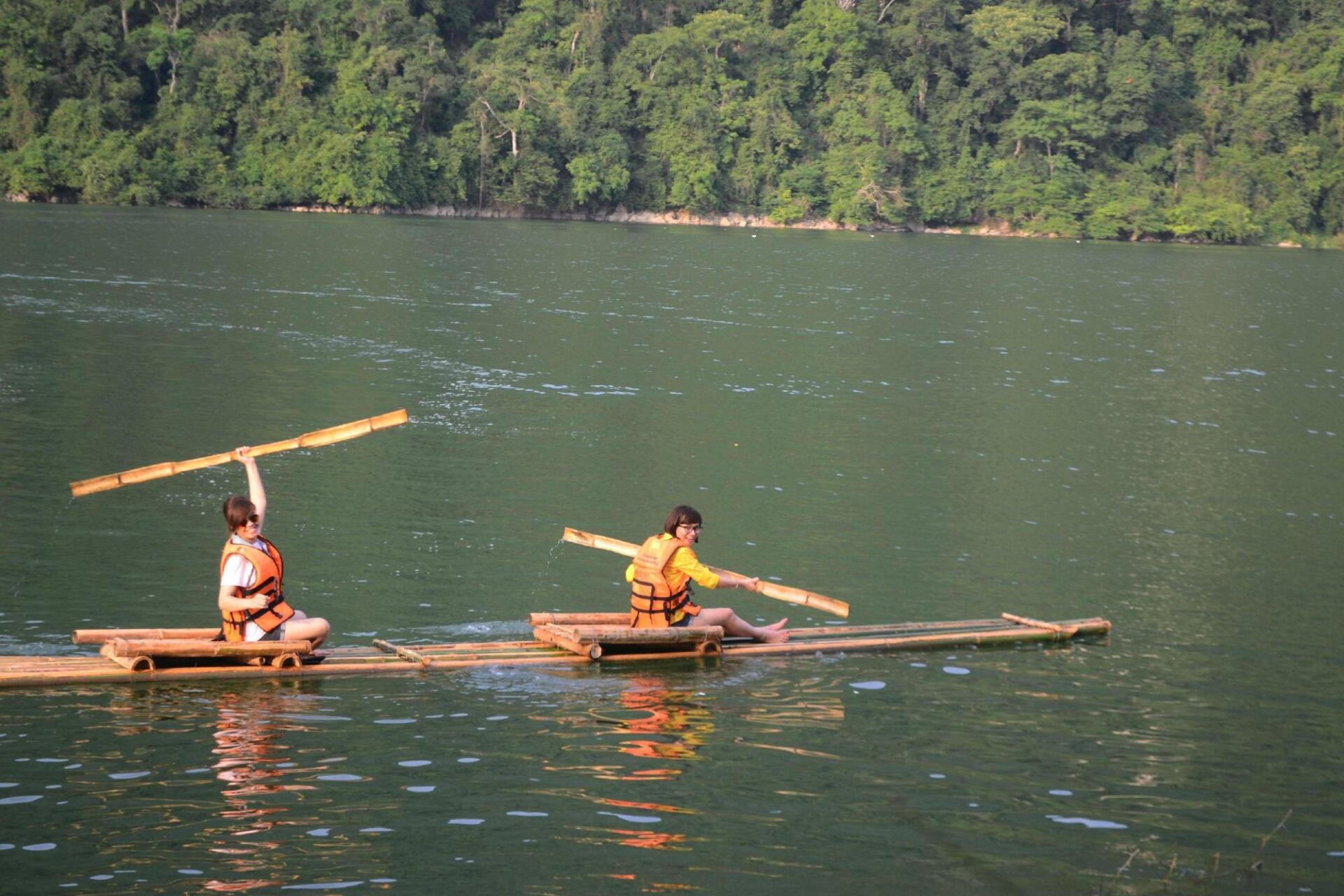

Index Central Destinations Vietnam

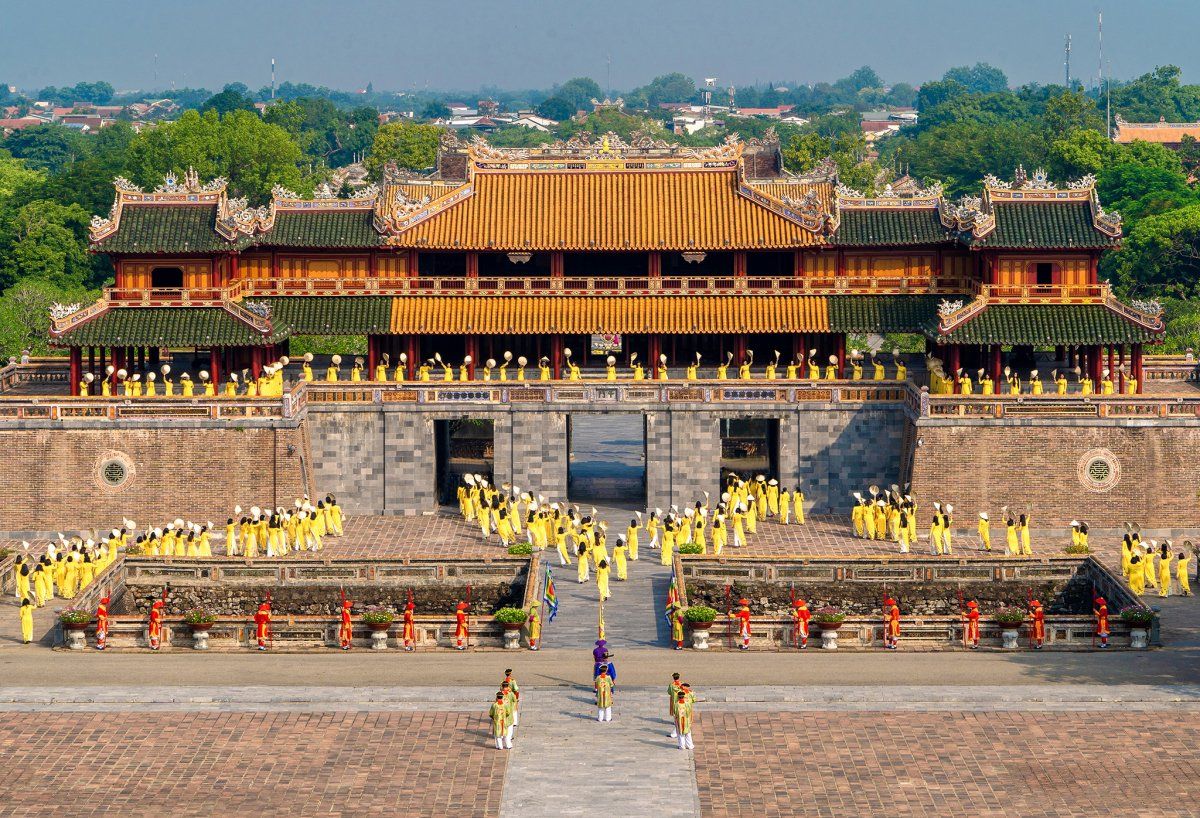
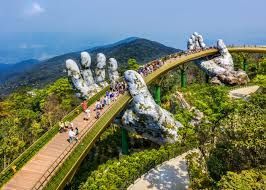
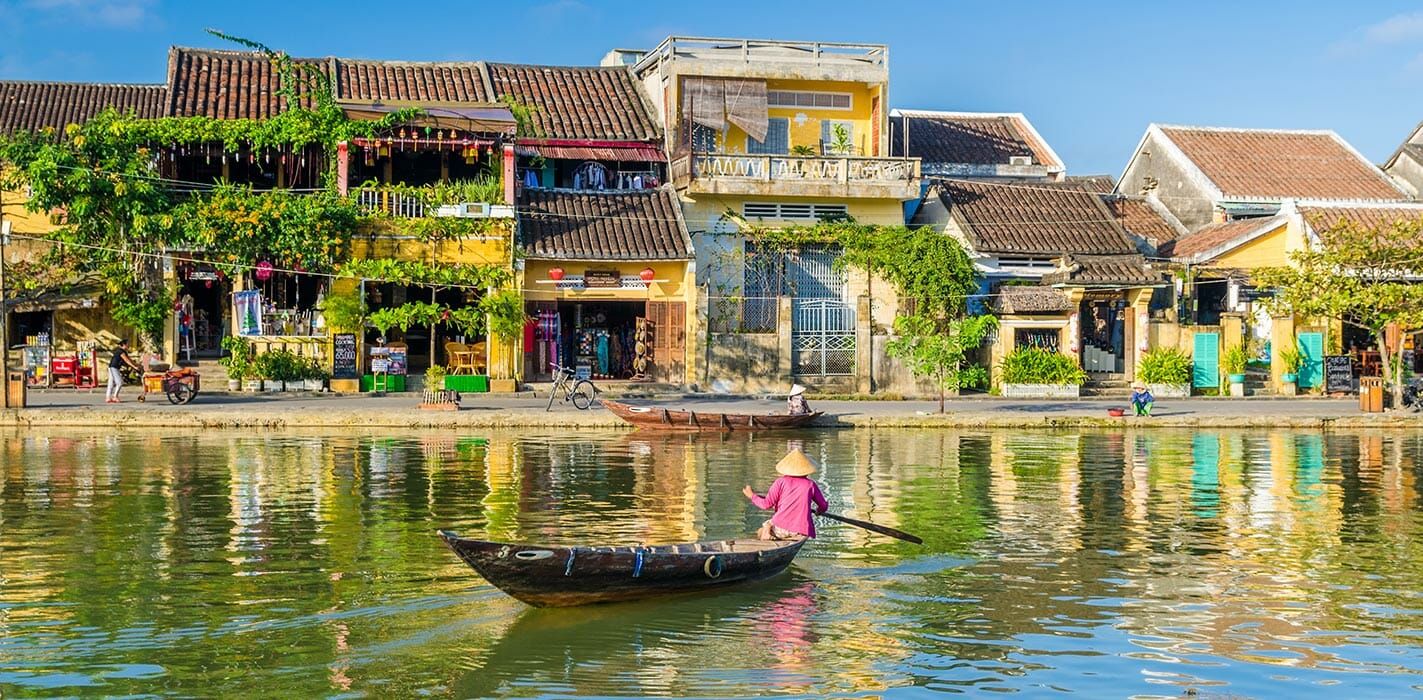
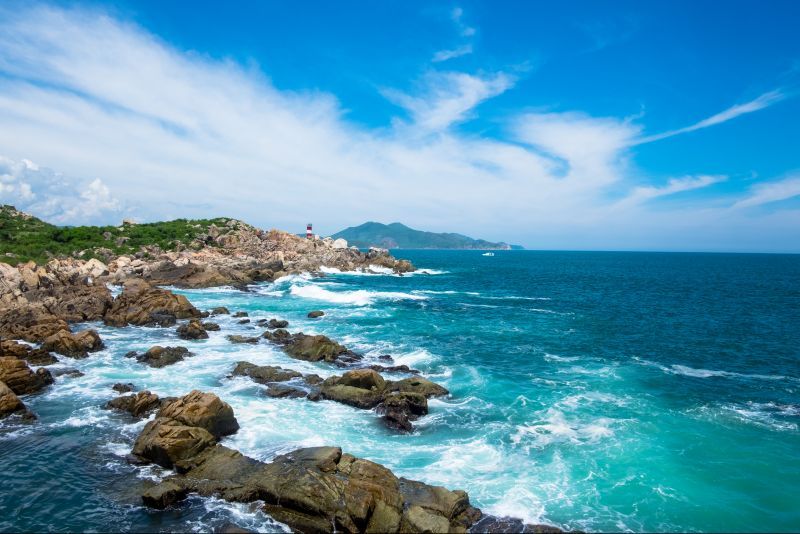
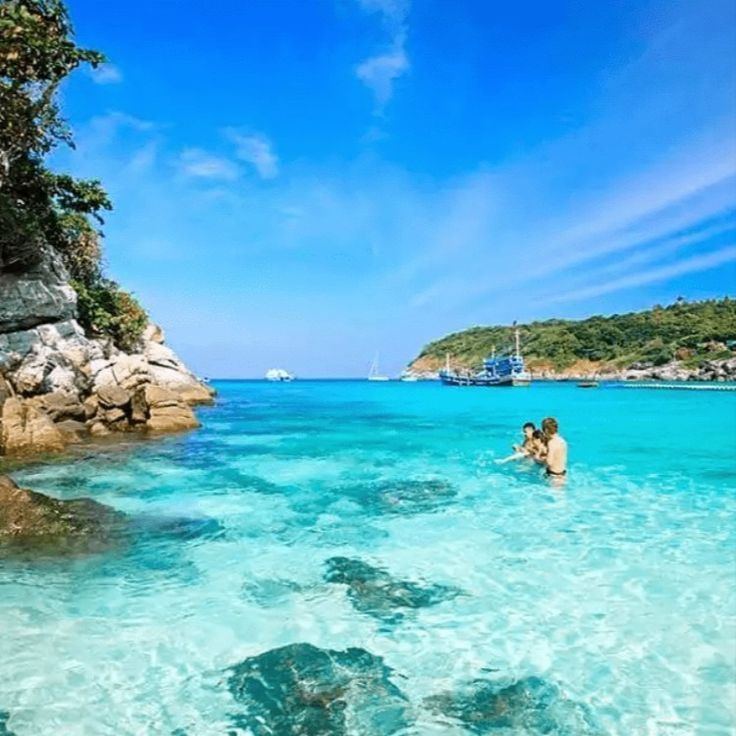
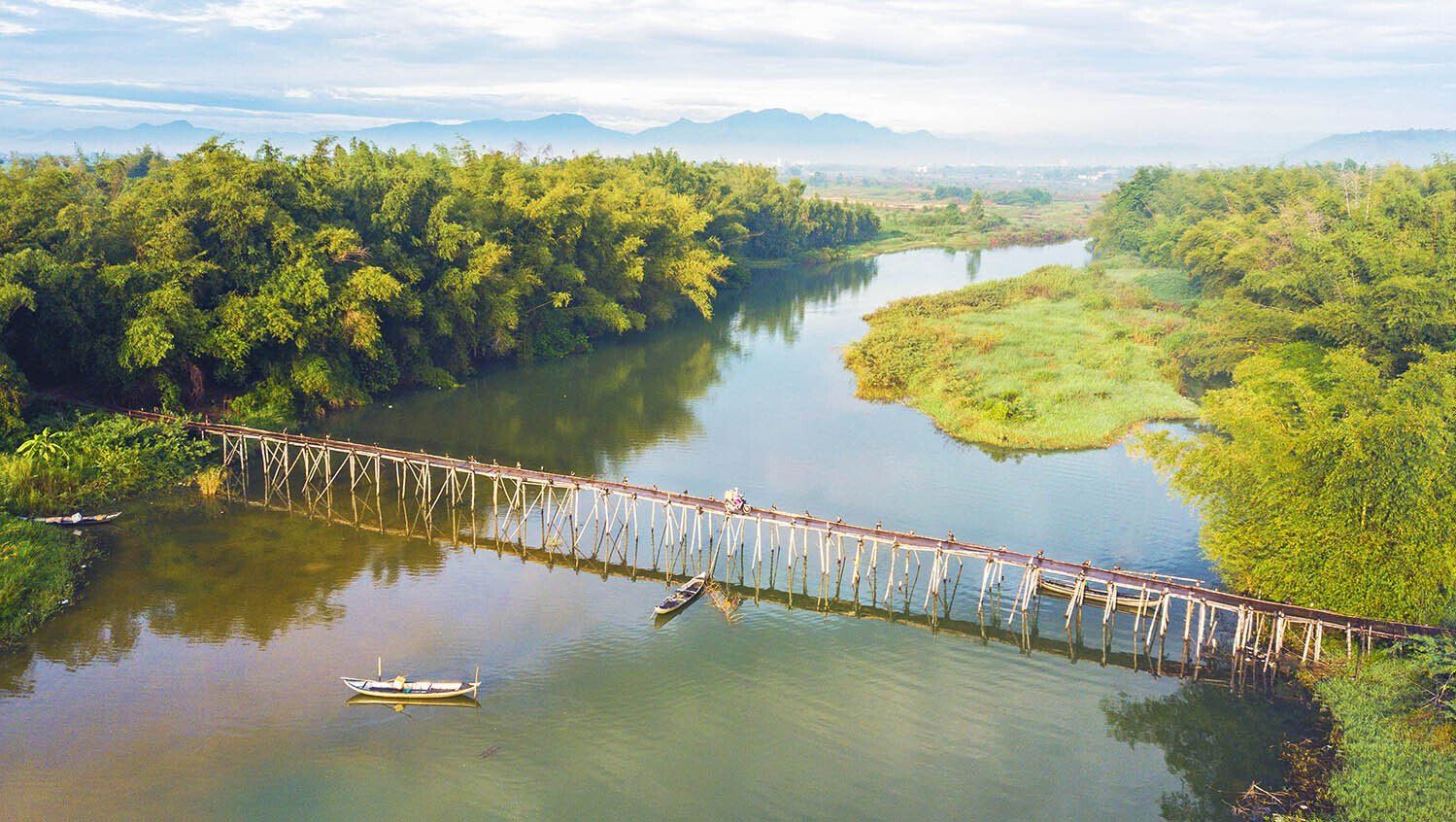
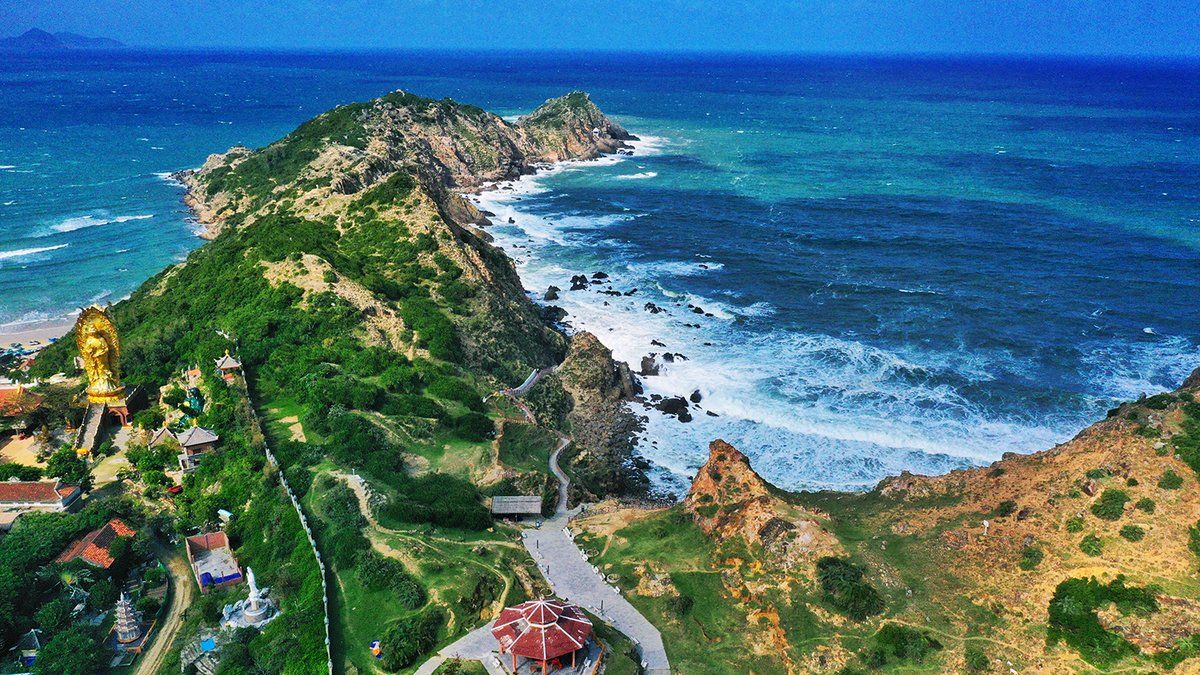
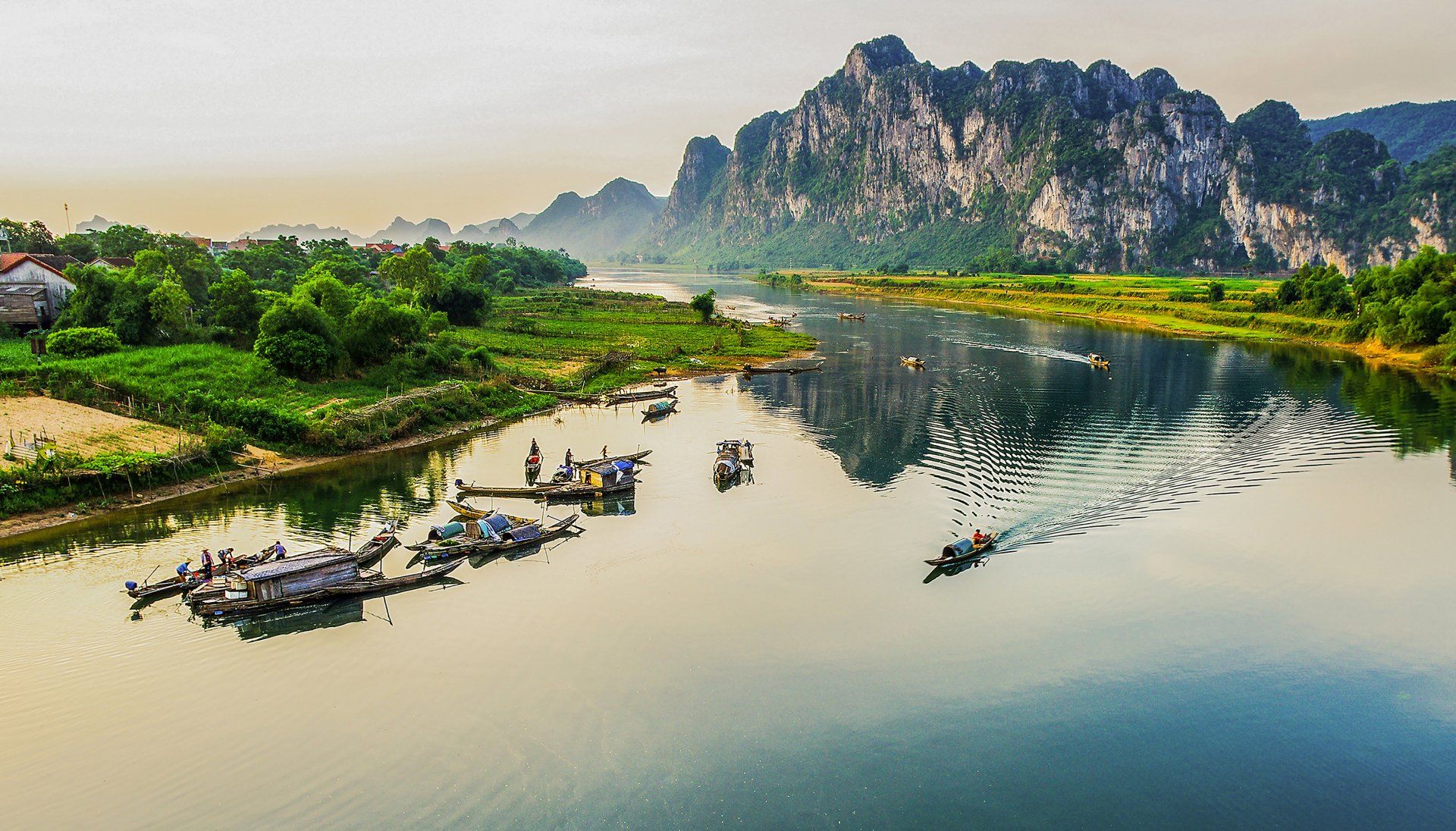
Index Island Destinations in Vietnam
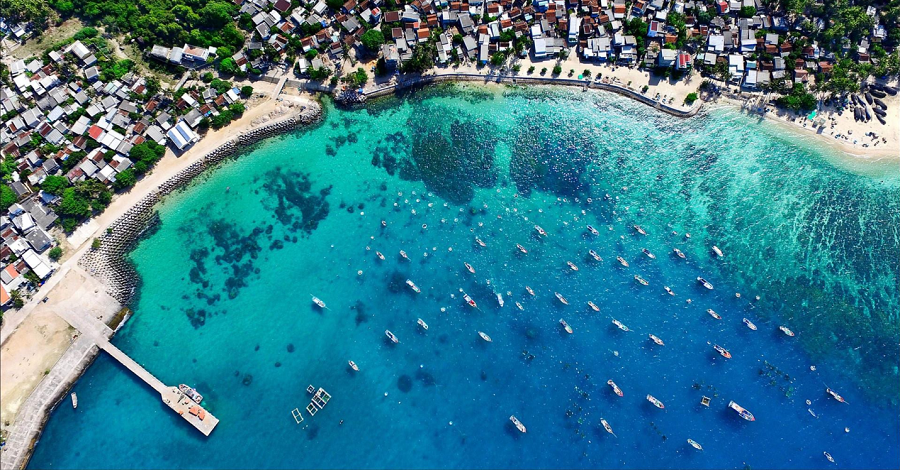
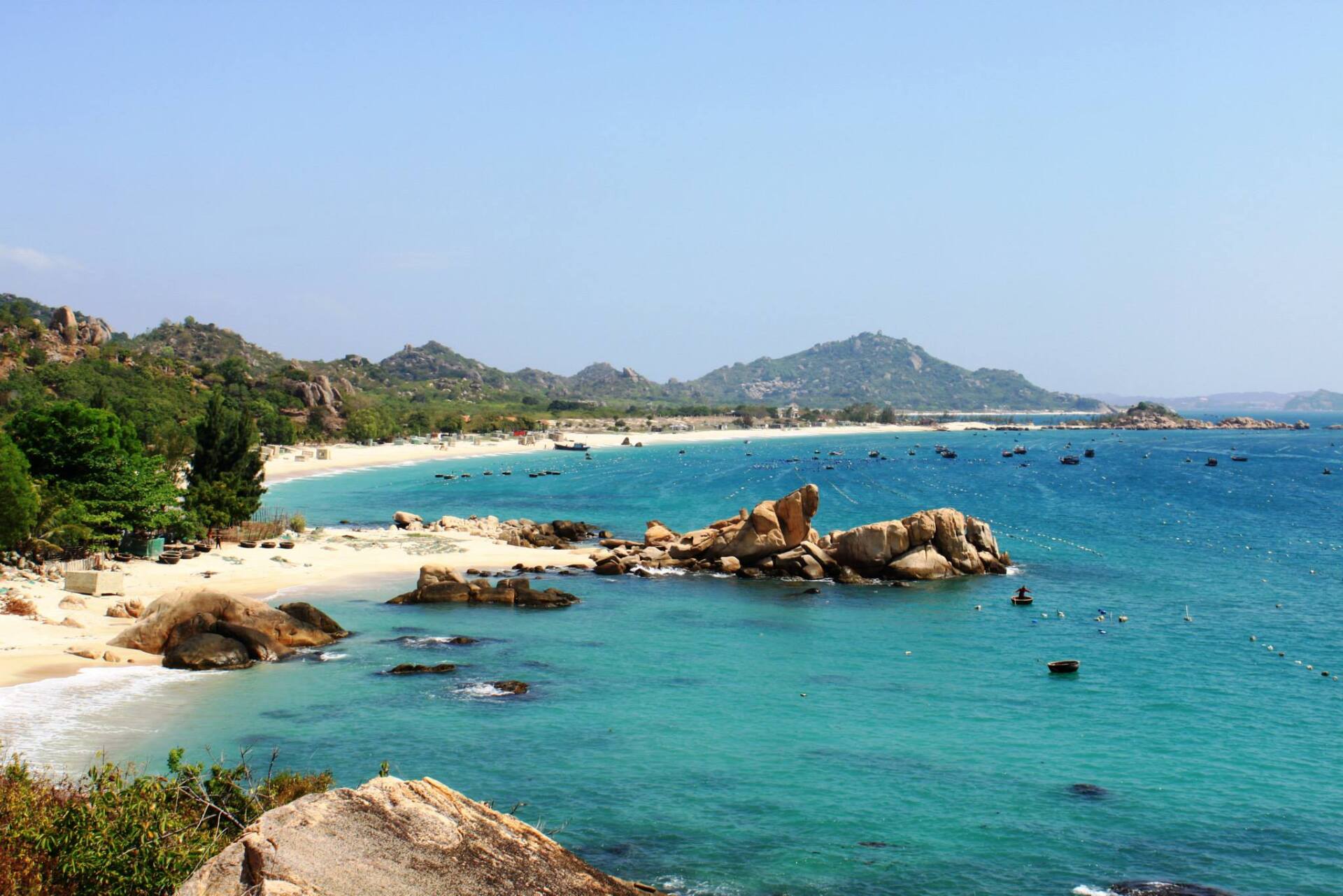
We do More Crazy Stuff...
We don't believe in going the extra mile at Friends Travel Vietnam, we believe in completing the entire journey. That’s why we offer our guests an entire host of extra services, ensuring their stay is as hassle free experience. We take pride in the wide variety of destinations in Vietnam that we offer. Each and every destination in Vietnam on offer is carefully selected, sourcing and visiting personally by our team of destination specialist as service providers and accommodation that meets our exceptional standards, it's all about the details!
Experience an unforgettable escape and discover more what to do & how to get around in Vietnam, with our special "Destinations" section, or wonder around great detailed articles on our "Travel Guide", or you are more interested to find the right "Travel Package" for your group or family, perhaps you like Lego and would like to build your own holiday with our "Holiday Travel Building Blocks" yourself, you like to know what great "Excursions & Tours" you can do together, or you sitting with your hands in your hair to find your way to your next destination but not sure which "Transportation" for sure jump on the backseat of the motorbike with our
Easy Riders for the adventures travellers. From
amazing hotels selections to stay, romantic
day or overnight cruises and last and no least
train tickets or bus ticket to get around Vietnam, you see it's enough to choose from for a successful Vietnam Holidays with us.
No worries, we got you!
In short, there isn’t a destination in Vietnam, sight or experience out of reach for our team of travel experts . Whether you are traveling solo, with friends or with your family; whether you are young or old; whether you want adventure and excitement or rest and relaxation, we’ll have single tour options or complete tailored travel package for you!.
FAQ's
Got Questions? Great, cause we’ve got the answers for you! We’ve put together commonly asked questions to give you more information about “traveling in Vietnam" and the cover we offer. Follow the link below and we bring to FriendsTravelVietnam.com our booking website. Feel free to contact us if any question that you can’t find the answer to.
Planning on Booking Your Trip To Vietnam?
Friends Travel Vietnam got you, ashas been inspiring travellers with curious-minded love & passion for Vietnam since 2013. With our on-the-ground-secret destinations & our netwerk of human-human partners and our passionate knowledge team of our "Real Local Travel Experts" on the office and in the field you can book unique, authentic experiences with ease. We’ll take you off the beaten path in no time as all you wish! Let us us help you? We've done tons of homework & experiences just create the ultimate trip for you! Just simple, all as you wish!“
This is what we do! Making your holiday dreams in Vietnam coming true with us! Is the excursion, tour or trip of your choice not listed? No worries, our Team of local destination experts will be happy to assist you.
Sidney
and
Thao
Van Meenen
Owners & Founders
Friends Travel Vietnam
Dreaming of your very own adventure in Vietnam?
We don’t blame you! Just don't follow the crowd - find your own path in with us in Vietnam for your next holiday.