Blog Vietnam Travel Guide
Vietnam is an amazing puzzle, we are happy to assist you to puzzle
your amazing trip for Vietnam
Friends Travel Vietnam the Travel Company Turning Travellers Into
Friends Since 2013
Search & Read more...
Travel packages, private tours, group tours
24/7 Support
The best Price - the best products
Local Experiences
15 Best Things to Do in Central Vietnam: Local Experiences & Travel Guide
Central Vietnam is where ancient imperial history, lantern-lit trading towns, tropical beaches, mountain passes and some of the world’s most remarkable caves come together.
For many first-time visitors, the region is represented by Da Nang and Hoi An. However, the best things to do in Central Vietnam extend far beyond these two destinations. You can walk through the former imperial capital of Hue, cross the spectacular Hai Van Pass, explore the caves of Phong Nha, cycle between rural villages, learn about Cham heritage at My Son and slow down on the quieter coastline around Quy Nhon.
Central Vietnam is also one of the easiest parts of the country in which to combine different travel styles. A single journey can include history, food, countryside, beach relaxation and outdoor adventure without requiring constant domestic flights.
At Friends Travel Vietnam, we believe the region is best experienced at a thoughtful pace. Instead of rushing between famous landmarks, allow time for local markets, family-run restaurants, rural roads and conversations with the people who live here.
This guide covers the best places to visit, authentic local experiences, hidden gems, suggested itineraries and practical advice for planning your journey.
Travelling beyond the central region? Start with our complete guide to the best things to do in Vietnam.
Quick Overview: Best Things to Do in Central Vietnam
For travellers who are still deciding where to go, these are some of the region’s essential experiences:
| Experience | Destination | Best for | Recommended time |
|---|---|---|---|
| Explore the Ancient Town | Hoi An | Culture, food and couples | 1–2 days |
| Cycle through rural villages | Hoi An countryside | Local life and families | Half day |
| Learn Central Vietnamese cooking | Hoi An or Hue | Food and culture | Half day |
| Visit My Son Sanctuary | Quang Nam | History and archaeology | Half day |
| Relax on My Khe Beach | Da Nang | Beach and relaxation | Half day |
| Explore Marble Mountains | Da Nang | Nature and spirituality | Half day |
| Cross the Hai Van Pass | Hue–Da Nang | Scenery and adventure | Half or full day |
| Discover imperial heritage | Hue | History and architecture | 1–2 days |
| Explore caves and jungle | Phong Nha | Nature and adventure | 2–3 days |
| Visit Bach Ma and Lang Co | Hue region | Hiking and landscapes | 1 day |
| Slow down by the coast | Quy Nhon | Beaches and local life | 2–3 days |
| Explore islands and Cham culture | Nha Trang | Coast and culture | 2–3 days |
| Discover the Central Highlands | Da Lat | Countryside and nature | 2–3 days |
Which Central Vietnam destinations should you prioritise?
For a first journey, the most practical route is:
Phong Nha → Hue → Hai Van Pass → Da Nang → Hoi An
This route offers the best balance of caves, history, beaches, food and cultural experiences.
If you have only four or five days, concentrate on Hue, Da Nang and Hoi An. Travellers with seven to ten days can add Phong Nha, while those with two weeks can continue south towards Quy Nhon, Nha Trang or Da Lat.
FTV Insight: Trying to include every destination usually creates a journey dominated by transfers. A meaningful seven-day trip covering three or four destinations is often more rewarding than visiting six places without enough time to understand any of them.
Explore available Central Vietnam tours and local experiences if you would like help connecting these destinations into one personalised route.
Why Visit Central Vietnam?
Central Vietnam contains an exceptional concentration of cultural heritage and natural landscapes.
Within one region, travellers can encounter the former imperial capital of the Nguyen Dynasty, the preserved trading architecture of Hoi An, the Hindu-influenced remains of the Champa civilisation, long sandy beaches, forested mountains and extensive limestone cave systems.
This variety makes Central Vietnam suitable for many different types of travellers.
Central Vietnam is ideal for:
- First-time visitors who want a balanced introduction to Vietnam
- Couples combining culture, food and coastal relaxation
- Families looking for manageable travel distances
- Adventure travellers interested in trekking and caves
- Food lovers exploring distinct regional cuisines
- Slow travellers seeking smaller towns and rural experiences
- History enthusiasts interested in imperial and Cham heritage
Unlike an itinerary focused entirely on cities or beaches, Central Vietnam allows each day to feel different. One morning may begin inside an imperial citadel, while the next could involve cycling through rice fields or travelling along a mountain road overlooking the sea.
The core and extended regions
The core Central Vietnam route generally includes:
- Quang Binh and Phong Nha
- Hue
- Da Nang
- Hoi An and Quang Nam
A longer coastal journey can continue towards:
- Quy Nhon
- Phu Yen
- Nha Trang
Da Lat is geographically associated with the Central Highlands rather than the central coast. However, it can be connected naturally with Nha Trang and is often included in extended Central Vietnam itineraries.
The region should therefore not be treated as a single fixed route. The right combination depends on how many days you have and whether your priority is heritage, food, adventure, beaches or local life.
1. Explore Hoi An Ancient Town Before the Crowds Arrive
Hoi An is one of the most recognisable destinations in Vietnam, but its beauty is easiest to appreciate outside the busiest hours.
The Ancient Town developed as an international trading port and contains a distinctive combination of Vietnamese, Chinese, Japanese and later European influences. Its yellow façades, wooden merchant houses, assembly halls and narrow streets reflect centuries of commercial and cultural exchange.
The UNESCO description of Hoi An Ancient Town explains why the preserved street plan and architecture are globally significant.
What to see in Hoi An Ancient Town
Begin with the historic centre, where many of the most important landmarks are located within walking distance.
Highlights include:
- The Japanese Covered Bridge
- Fujian Assembly Hall
- Cantonese Assembly Hall
- Traditional merchant houses
- Small temples and family chapels
- Hoi An Central Market
- The Thu Bon riverfront
- Streets around Tran Phu and Nguyen Thai Hoc
Although these places are frequently included in organised tours, the experience becomes more meaningful when you understand Hoi An’s history as a living trading town rather than simply treating it as a colourful photography location.
A local guide can explain how merchant families used the buildings, why assembly halls were important to overseas communities and how the town adapted as its commercial role changed.
Visit Hoi An in the early morning
Between approximately 6:00 and 8:30 in the morning, the Ancient Town feels noticeably different.
Shops are only beginning to open, residents are buying breakfast and the streets remain relatively quiet. This is an excellent time for walking, photography and observing daily life without competing with large visitor groups.
You can then return in the evening when lanterns illuminate the streets and riverside. Experiencing Hoi An at both times reveals two contrasting sides of the town.
Is the lantern boat ride worth doing?
A short boat ride on the Hoai River can be atmospheric, particularly around sunset. However, the central section may become congested during busy evenings.
For a calmer experience:
- Visit slightly before the busiest evening period
- Avoid major Vietnamese holidays when possible
- Choose a weekday
- Do not release plastic or environmentally harmful materials into the river
- Combine the boat ride with a longer walk rather than making it the only evening activity
FTV Insight: Hoi An is most rewarding when you remain curious about its living community. Explore the side streets, enter traditional buildings and spend time away from the busiest section of the riverfront.
Read our detailed guide to the best things to do in Hoi An for additional attractions, hidden places and itinerary suggestions.
2. Cycle Through Hoi An’s Countryside and Local Villages
The Ancient Town receives most of the attention, but some of Hoi An’s most authentic experiences take place in the surrounding countryside.
Within a short cycle from the historic centre, urban streets give way to rice fields, vegetable gardens, waterways and residential villages. Travelling by bicycle creates a natural transition between these environments and allows you to notice details that are easily missed from a vehicle.
Where to cycle near Hoi An
Popular countryside areas include:
Tra Que Vegetable Village
Tra Que is known for its herb and vegetable gardens. The village is close to Hoi An and can be included in an easy half-day cycling route.
Depending on the season and programme, visitors may learn about traditional gardening methods, help with simple agricultural tasks or join a cooking experience using local ingredients.
Because the village is now well known, choose a small-group or private experience that focuses on genuine interaction rather than staged activities.
Cam Kim Island
Located across the Thu Bon River, Cam Kim offers quieter roads, farmland and traditional communities.
Cycling routes may pass:
- Rice fields
- Family homes
- Woodworking workshops
- Boat-building areas
- Small local cafés
- River viewpoints
Cam Kim is particularly suitable for travellers who want to move beyond Hoi An’s most commercial attractions.
Cam Thanh
Cam Thanh is associated with nipa palm waterways and basket boat activities. Basket boat tours can be entertaining, but the busiest sections may feel highly commercial and performance-oriented.
Travellers seeking a quieter experience should ask for a route that combines the waterways with village cycling or choose an operator that avoids the most crowded areas.
What makes a good countryside experience?
A responsible countryside tour should provide more than a collection of staged photo opportunities.
Look for experiences that:
- Keep groups small
- Use local guides
- Respect residents’ privacy
- Pay participating families fairly
- Avoid forcing cultural interactions
- Explain agricultural and village life accurately
- Use quieter rural routes
FTV Insight: The objective is not to “see how local people live” from a distance. The strongest experiences create respectful, natural exchanges while helping travellers understand the connection between the countryside and Hoi An’s food, economy and traditions.
A half-day ride works well for most visitors. Those who cycle regularly may prefer a longer route connecting several villages and river crossings.
3. Learn About Central Vietnamese Food With a Local Family
Food is one of the most accessible ways to understand Central Vietnam.
The cuisine varies considerably between destinations. Hue is known for small, carefully presented dishes and strong imperial influences, while Quang Nam and Da Nang are associated with bold noodles, herbs, seafood and fermented sauces. Hoi An has its own specialities shaped partly by its history as a trading port.
A cooking experience can introduce these differences in a way that eating at restaurants alone cannot.
What to expect from a local cooking experience
A well-designed programme may include:
- Visiting a neighbourhood or produce market
- Learning how to identify herbs and vegetables
- Discussing fish sauce, chilli and regional seasonings
- Preparing several dishes with a local host
- Sharing the finished meal
- Learning how recipes vary between families
Common dishes may include:
- Mi Quang
- Cao lau
- Banh xeo
- Fresh spring rolls
- Green papaya or banana flower salad
- Grilled fish
- Regional dipping sauces
Not every cooking class is equally authentic. Some large programmes follow an identical routine for multiple groups and provide little connection with local food culture.
Before booking, check:
- The maximum group size
- Whether the class is hosted by a family or commercial school
- Whether the market visit is meaningful
- Which dishes are prepared
- Whether dietary requirements can be accommodated
- How much of the cooking guests complete themselves
Try local dishes beyond the cooking class
A class provides useful context, but you should also eat in family-run restaurants and market stalls.
In Hoi An, look for:
- Cao lau
- Com ga Hoi An
- White rose dumplings
- Banh mi
- Quang Nam-style noodles
In Da Nang, try:
- Mi Quang
- Bun cha ca
- Banh trang cuon thit heo
- Fresh seafood
- Banh xeo
Hue has another highly distinctive culinary identity, which we cover later in this guide.
FTV Food Tip: Do not judge a restaurant only by its appearance. Some of the region’s most memorable meals are served in simple spaces with short menus and a steady flow of local customers.
Food experiences are also an excellent option during periods of rain or intense midday heat.
4. Visit My Son Sanctuary in the Early Morning
My Son Sanctuary offers essential historical context for anyone travelling through Central Vietnam.
Located in a valley in Quang Nam Province, the site contains the remains of religious tower-temples associated with the Champa Kingdom. Many structures were dedicated to Hindu deities, particularly Shiva, and the sanctuary developed over several centuries.
The official UNESCO page for My Son Sanctuary provides further information about its cultural, architectural and spiritual significance.
Why My Son is worth visiting
Travellers sometimes compare My Son with Angkor in Cambodia. This comparison can create unrealistic expectations and overlooks the site’s distinct identity.
My Son should be appreciated for:
- Its importance to Cham history
- The relationship between the temples and surrounding landscape
- Sophisticated brick construction
- Hindu symbolism
- Evidence of cultural exchange across Southeast Asia
- The survival of the site despite conflict and environmental damage
Several groups of towers remain visible, while interpretation panels and museum displays help explain the wider archaeological area.
When should you visit My Son?
Early morning is generally the best time.
Advantages include:
- Cooler temperatures
- Softer light
- Fewer large groups
- More time to explore calmly
- A quieter atmosphere around the monuments
Late afternoon can also be pleasant, although visitors should check closing times and allow enough time to walk between the main groups.
The midday period can become extremely hot, particularly during the warmer months.
How to combine My Son with Hoi An
My Son is commonly visited as a half-day excursion from Hoi An or Da Nang.
Possible combinations include:
- Early My Son visit followed by an afternoon in Hoi An
- My Son and a countryside lunch
- My Son with a Thu Bon River return journey
- My Son as part of a private cultural day
A knowledgeable guide substantially improves the experience by explaining Cham religion, temple construction and the historical development of the site.
FTV Insight: My Son is not simply a collection of damaged towers. It represents a civilisation that played a major role in Central Vietnam’s history. Visit with enough background information to understand what the structures represent.
5. Experience Local Life at My Khe Beach
My Khe Beach is one of Da Nang’s most popular attractions, but it is also part of the city’s everyday life.
The long urban coastline attracts swimmers, runners, families and informal exercise groups. Early morning is particularly lively, as residents visit before the temperature rises and the working day begins.
The best time to visit My Khe Beach
For local atmosphere, arrive around sunrise.
You may see:
- Residents swimming
- Groups practising exercise
- Fishermen working near the shore
- Families walking
- Small breakfast businesses opening nearby
Late afternoon is another good period, especially when the sun becomes less intense.
The beach is often quieter during the middle of the day, but heat and strong sunlight can make prolonged outdoor activity uncomfortable.
What to do at My Khe Beach
Depending on weather and sea conditions, activities include:
- Swimming in designated areas
- Walking or running along the shore
- Relaxing at a beachfront café
- Trying local seafood
- Surfing during suitable periods
- Watching daily city life
- Cycling along the coastal road
Always follow local safety signs and lifeguard instructions. Sea conditions can change, and swimming may be restricted during poor weather.
Go beyond the main hotel zone
The central beach sections are convenient, but the wider Da Nang coastline offers different environments.
Travellers can explore north or south of the busiest area to find:
- Quieter stretches of sand
- Local seafood restaurants
- Views towards Son Tra Peninsula
- Residential neighbourhoods
- Smaller cafés
Read the complete My Khe Beach travel guide for advice about swimming, activities and nearby places.
FTV Insight: Visit My Khe as part of Da Nang’s local rhythm rather than treating it only as a resort beach. Sunrise provides a more authentic impression of the city than spending the entire day inside a beachfront complex.
For more ideas around the city, see our guide to the best things to do in Da Nang.
6. Explore Marble Mountains and Son Tra Peninsula
Marble Mountains and Son Tra Peninsula demonstrate how closely Da Nang’s urban life is connected with nature and spirituality.
Both can be visited from the city, but each deserves enough time to avoid turning the day into a rushed sequence of stops.
Marble Mountains
Marble Mountains consist of limestone and marble hills containing caves, pagodas, viewpoints and religious sites.
The most frequently visited area is Thuy Son, where paths and stairs lead between temples and natural chambers.
Highlights may include:
- Linh Ung Pagoda
- Huyen Khong Cave
- Tang Chon Cave
- Tam Thai Pagoda
- Viewpoints across the coast and city
- Stone stairways between religious sites
Some sections involve steep or uneven stairs. Comfortable footwear is important, and travellers with limited mobility should investigate elevator access and route conditions before visiting.
Early morning is preferable because temperatures are cooler and tour groups are less concentrated.
Respect the spiritual setting
Marble Mountains is not only a scenic attraction. Pagodas and shrines remain religious spaces.
Visitors should:
- Dress respectfully
- Speak quietly around worship areas
- Avoid blocking entrances for photographs
- Follow signs inside caves and temples
- Avoid touching religious objects
- Carry out all waste
Understanding the spiritual context transforms the visit from a simple cave walk into a more meaningful cultural experience.
Son Tra Peninsula
Son Tra Peninsula rises to the north-east of the city and offers forested landscapes, coastal viewpoints and important religious sites.
The best-known landmark is Linh Ung Pagoda, which overlooks the sea and Da Nang coastline.
Other experiences may include:
- Scenic drives
- Forest viewpoints
- Coastal photography
- Quiet pagoda grounds
- Observation of natural landscapes
- Short walks where access is permitted
Parts of Son Tra may have access restrictions or traffic controls. Conditions should be checked locally before travelling, particularly when using a motorbike.
The peninsula is ecologically sensitive. Wildlife should never be fed, approached or disturbed for photographs.
Can Marble Mountains and Son Tra be visited in one day?
Yes. A comfortable route could include:
- Marble Mountains in the early morning
- Lunch in Da Nang
- Rest during the hottest period
- Son Tra Peninsula in the afternoon
- My Khe Beach near sunset
This schedule provides more balance than attempting to add Ba Na Hills, Hoi An and several city landmarks to the same day.
FTV Insight: Da Nang rewards travellers who combine famous attractions with unstructured time. Leave room for a neighbourhood meal, a beach walk or a spontaneous café stop.
7. Cross the Hai Van Pass on a Scenic Journey
The Hai Van Pass is more than a road between Hue and Da Nang. It is one of Central Vietnam’s most memorable travel experiences.
The route climbs between forested mountains and the coast, providing views over the sea, lagoons, railway and surrounding landscape. Its location also marks an important geographic and climatic transition within the region.
Rather than taking the fastest tunnel route, travellers with enough time can use the old mountain road and turn a transfer day into a scenic journey.
Ways to experience the Hai Van Pass
Private car
A private car is one of the most comfortable options for couples, families and travellers carrying luggage.
Advantages include:
- Flexible departure time
- Air-conditioned comfort
- Space for luggage
- Stops at viewpoints
- Easy combination with Lang Co and Lap An Lagoon
- Greater weather protection
The main limitation is that the journey feels less exposed and adventurous than travelling by motorbike.
Easy Rider motorbike journey
An Easy Rider experience allows travellers to sit behind an experienced local rider while enjoying the landscape.
This option works well for visitors who want the feeling of a motorbike journey without riding independently.
Check that:
- Helmets are provided
- The motorbike is maintained properly
- Luggage is secured
- The rider is experienced
- Insurance conditions are understood
- Weather conditions are appropriate
Self-riding motorbike
Independent riding should only be considered by travellers with valid licensing, appropriate insurance and genuine experience on mountain roads.
Potential risks include:
- Rain and reduced visibility
- Heavy vehicles
- Sharp bends
- Changing road surfaces
- Unfamiliar traffic behaviour
- Insurance exclusions
The scenic reputation of the road should not encourage inexperienced riders to ignore legal and safety requirements.
Train
The railway between Hue and Da Nang offers impressive coastal views and is suitable for travellers who prefer a relaxed journey.
The train does not allow stops at viewpoints, but it provides a distinctive perspective over the coastline and reduces the need to organise a private transfer.
Try to select a daytime departure so that the scenery remains visible.
Recommended stops between Hue and Da Nang
A private road journey can include:
- Hai Van Pass viewpoints
- Lang Co Beach
- Lap An Lagoon
- Local seafood lunch
- Small coastal or lagoon stops
Avoid stopping in unsafe positions on bends or narrow sections of the road.
How long should you allow?
A direct transfer may take only a few hours, but a scenic journey with stops should be treated as a half-day or full-day experience.
This is particularly useful when travelling between Hue and Hoi An. Instead of losing a day to transport, the journey becomes one of the itinerary’s highlights.
FTV Insight: The best Central Vietnam itineraries do not separate “transport days” from “experience days”. The Hai Van Pass is a perfect example of how thoughtful route design can turn a necessary transfer into a memorable part of the holiday.
8. Walk Through Vietnam’s Imperial History in Hue
Hue is one of the most culturally significant destinations in Vietnam and deserves more than a hurried day trip.
The city became the capital of unified Vietnam under the Nguyen Dynasty and served as an important political, cultural and religious centre. Its monuments are organised around the Perfume River, surrounding hills and principles of traditional planning.
The UNESCO overview of the Complex of Hue Monuments provides detailed historical context for the protected heritage area.
Explore the Imperial City
The Imperial City is the central attraction and one of the most important things to do in Hue.
The complex contains:
- Fortified gates
- Courtyards
- Ceremonial halls
- Temples
- Royal residences
- Gardens
- Sections of the Forbidden Purple City
- Restored and partially preserved structures
Visitors should allow at least two to three hours. History enthusiasts may need longer.
Walking through the complex without context can make the buildings difficult to distinguish. A local guide can explain court ceremonies, royal family life, architectural symbolism and the impact of conflict on the site.
When should you visit?
Early morning is usually the most comfortable period.
Benefits include:
- Lower temperatures
- Reduced crowding
- Better light for photography
- More time to explore before lunch
- A calmer atmosphere in courtyards and temples
Late afternoon may also be pleasant, but visitors need to confirm the final admission and closing time.
Do not rush through the Citadel
Many day tours attempt to combine the Imperial City, multiple tombs, a pagoda, market and river journey in a limited number of hours.
This may cover more landmarks, but it does not necessarily create a better understanding of Hue.
A more balanced first day could include:
Morning: Imperial City with a local guide
Lunch: Traditional Hue dishes
Afternoon: Dong Ba Market or a neighbourhood walk
Evening: Dinner and a quiet walk near the Perfume River
Royal tombs and countryside experiences can then be explored on the following day.
Experience modern Hue outside the monuments
Hue is not a city frozen in its imperial past.
To understand its contemporary character, spend time:
- At Dong Ba Market
- In residential neighbourhoods
- At local coffee shops
- Along the Perfume River
- In small family restaurants
- Cycling on the outskirts
- Visiting traditional garden houses
The contrast between monumental history and everyday life is what makes Hue especially rewarding.
FTV Insight: Hue moves at a quieter pace than Da Nang or Hoi An. Do not mistake this calm atmosphere for a lack of things to do. The city rewards travellers who slow down, listen to its stories and explore beyond the main heritage sites.
9. Visit Hue’s Royal Tombs and Traditional Garden Houses
Hue’s royal heritage extends far beyond the Imperial City.
The countryside surrounding the city contains royal tombs, pagodas, villages and traditional garden houses connected by quiet roads and the Perfume River. Exploring these places reveals how the Nguyen emperors expressed their personalities, beliefs and political ideals through architecture and landscape design.
Rather than attempting to visit every royal tomb in one day, select two with contrasting styles and leave enough time to understand them.
Minh Mang Tomb
The Tomb of Emperor Minh Mang is known for its balanced design and close relationship with the surrounding landscape.
Its architecture is arranged along a central axis that passes through gates, courtyards, temples, pavilions and lakes. Trees, water and hills are integral to the overall composition rather than serving as decorative additions.
This tomb is particularly suitable for travellers interested in:
- Traditional Vietnamese architecture
- Landscape design
- Confucian symbolism
- Peaceful walking routes
- Photography
Allow enough time to walk through the entire complex rather than stopping only at the entrance and main courtyard.
Khai Dinh Tomb
Khai Dinh Tomb offers a striking contrast.
The monument is smaller in scale but more elaborate in its decoration. Its architecture combines Vietnamese elements with European-influenced materials and design features.
Inside the main building, visitors can see detailed mosaics, painted ceilings and elaborate ornamentation.
Khai Dinh Tomb is often included in short Hue tours because it is visually dramatic and relatively compact. However, its steep stairways may be challenging for travellers with limited mobility.
Gia Long Tomb
Gia Long Tomb is often quieter than the tombs of Minh Mang and Khai Dinh.
Its more remote setting creates a strong sense of space and connection with the surrounding hills, water and countryside. The journey there can also become part of the experience, particularly when travelling by bicycle, motorbike with an experienced driver or private vehicle.
Gia Long Tomb is a good choice for travellers who:
- Prefer less crowded heritage sites
- Enjoy rural scenery
- Have already visited Hue’s principal monuments
- Want a slower and more atmospheric experience
Which Hue royal tombs should you choose?
For most first-time visitors, the strongest combination is:
Minh Mang Tomb + Khai Dinh Tomb
These two sites show clearly different architectural approaches.
Travellers with more time can choose:
Minh Mang Tomb + Gia Long Tomb
This combination offers a more peaceful experience with a greater emphasis on landscape and countryside.
Trying to visit three or four tombs in one day can become repetitive, especially without a guide explaining the historical differences between each emperor.
Discover Hue’s traditional garden houses
Hue’s garden houses offer a quieter and more personal perspective on the city’s heritage.
These residences are typically designed around:
- A traditional main house
- Carefully arranged gardens
- Fruit trees and ornamental plants
- An entrance screen
- An ancestral altar
- Principles of traditional orientation and balance
Some garden houses remain private family homes, while others welcome visitors for tea, meals or guided cultural experiences.
Visiting with a local connection is preferable to entering residential areas independently. It ensures that the experience respects the family’s privacy and provides meaningful context.
Cycle through rural Hue
The flat countryside around Hue is well suited to cycling.
A half-day route may pass:
- Rice fields
- Village temples
- Small markets
- Family gardens
- Local schools
- River paths
- Traditional houses
- Lesser-known religious sites
Cycling also creates a natural link between the royal monuments and present-day life.
FTV Insight: Hue’s monuments are most meaningful when they are viewed as part of a wider cultural landscape. Combine one or two royal tombs with a village, garden house or countryside route instead of treating the tombs as isolated attractions.
For further heritage and local experience ideas, read our complete guide to the best things to do in Hue.
Travellers who prefer a guided programme can also explore available Hue tours and excursions.
10. Taste the Distinctive Food of Hue
Hue has one of Vietnam’s most distinctive regional cuisines.
Its food reflects several influences, including imperial dining traditions, Buddhist vegetarian cooking and the everyday meals of local families. Dishes are often carefully balanced in flavour, texture, colour and presentation.
Although royal cuisine receives considerable attention, some of Hue’s best food is found at simple neighbourhood restaurants and market stalls.
Bun bo Hue
Bun bo Hue is the city’s best-known noodle dish.
The broth is typically aromatic, savoury and spicier than many northern Vietnamese noodle soups. It is commonly served with thick rice noodles, herbs and a selection of meat.
Recipes vary between restaurants and families, so the dish may taste noticeably different from one place to another.
For a local breakfast experience, visit a busy neighbourhood restaurant in the morning rather than relying only on restaurants in the main visitor district.
Com hen
Com hen combines rice with small clams and a mixture of herbs, vegetables, peanuts, crispy elements and seasoning.
The dish is associated with communities around the Perfume River and illustrates Hue’s preference for complex combinations of texture and flavour.
A noodle version, bun hen, is also widely available.
Because the dish can be spicy, travellers who are sensitive to chilli should ask for less chilli or request that some seasonings be served separately.
Banh beo, banh nam and banh loc
Hue is famous for small steamed and wrapped cakes.
Banh beo
Small steamed rice cakes are usually served in individual dishes and topped with ingredients such as dried shrimp and crispy pork skin.
Banh nam
Flat rice cakes are wrapped in banana leaves with a savoury filling.
Banh loc
Translucent tapioca dumplings commonly contain shrimp and pork and may be wrapped in banana leaves.
Ordering a mixed selection is an effective way to compare several Hue specialities in one meal.
Banh khoai
Banh khoai is a crispy savoury pancake usually filled with ingredients such as shrimp, pork and bean sprouts.
It is served with herbs and a distinctive dipping sauce. Although it may initially resemble banh xeo, the size, texture and accompanying sauce give the Hue version its own identity.
Hue vegetarian food
Hue has a strong tradition of vegetarian cuisine connected with Buddhist practice.
Vegetarian restaurants range from simple family businesses to more formal dining spaces. Common ingredients include:
- Tofu
- Mushrooms
- Green vegetables
- Lotus seeds
- Local herbs
- Rice and noodles
- Plant-based broths
Even travellers who do not normally follow a vegetarian diet may find Hue one of the most rewarding places in Vietnam to explore meat-free food.
What about Hue royal cuisine?
Some restaurants offer modern interpretations of dishes associated with the imperial court.
These meals may include elaborate presentation, multiple small courses and decorative vegetable carving. Quality varies significantly, and some experiences focus more on costumes and theatrical presentation than historical or culinary accuracy.
Ask what the menu includes and how the restaurant interprets royal cuisine before booking.
Visit Dong Ba Market
Dong Ba Market is useful for understanding local ingredients and everyday food culture.
Visitors can find:
- Fresh produce
- Herbs and spices
- Fermented products
- Dried seafood
- Local sweets
- Noodle stalls
- Household goods
- Clothing and souvenirs
The market is active and functional rather than designed solely for visitors. Keep walkways clear, ask before photographing vendors at close range and avoid handling products without permission.
FTV Food Tip: Instead of trying every famous dish in a single food tour, spread Hue’s specialities across breakfast, lunch and dinner. This creates a more natural experience and allows you to visit different neighbourhoods.
For wider background on regional ingredients and dining culture, see FTV’s guide to food and drinks in Vietnam.
11. Explore the Caves of Phong Nha-Ke Bang
Phong Nha is one of the leading nature and adventure destinations in Vietnam.
The surrounding karst landscape contains caves, underground rivers, forest, rural villages and dramatic limestone mountains. Some caves are accessible on short day trips, while others require guided trekking, specialist equipment and overnight camping.
The UNESCO-listed protected area is recognised for the significance of its limestone landscape, ecosystems and cave systems. Travellers can read more on the official UNESCO page for Phong Nha-Ke Bang.
Phong Nha Cave
Phong Nha Cave is one of the most accessible introductions to the region.
The experience usually begins with a boat journey along the Son River. Boats then enter the cave, where visitors can observe underground formations and chambers.
It is suitable for:
- First-time visitors
- Families
- Travellers with limited time
- People who prefer a less physically demanding experience
- Visitors interested in combining scenery with a boat journey
The river approach is an important part of the experience and provides views of village life and the surrounding karst landscape.
Paradise Cave
Paradise Cave is known for its large chambers and extensive formations.
Visitors typically reach the entrance after travelling through the national park and walking uphill. Inside, a constructed walkway provides access to the main public section.
Although this is not a technical cave experience, the approach and stairs require moderate mobility.
Paradise Cave is suitable for:
- Most active travellers
- Families with older children
- Photography enthusiasts
- Visitors interested in dramatic cave formations
Arrive early where possible, as popular sections can become busy.
Dark Cave
Dark Cave combines cave exploration with outdoor adventure activities.
Depending on current operating conditions and the selected programme, the experience may involve:
- Ziplining
- Swimming
- Kayaking
- Entering dark cave passages
- A natural mud experience
- Water-based activities
Dark Cave is better suited to confident swimmers and active travellers than to visitors seeking a quiet sightseeing experience.
Participants should check:
- Age and weight restrictions
- Swimming requirements
- Clothing recommendations
- Weather conditions
- Included safety equipment
- Whether the full programme is operating
FTV offers a Dark Cave and Paradise Cave experience for travellers who want to combine accessible cave scenery with a more active programme.
Son Doong and expedition caves
Phong Nha is internationally known for major expedition caves, including Son Doong.
These are not casual sightseeing trips. Expeditions may involve:
- Long-distance trekking
- River crossings
- Steep or uneven terrain
- Camping underground or in the jungle
- Specialist safety procedures
- Several days in remote environments
Spaces may be limited, and bookings often need to be arranged far in advance through authorised operators.
Travellers should assess their fitness honestly and understand the physical demands before committing.
Which Phong Nha cave should you choose?
| Cave experience | Physical level | Best suited to |
|---|---|---|
| Phong Nha Cave | Easy | Families and first-time visitors |
| Paradise Cave | Easy to moderate | Most active travellers |
| Dark Cave | Moderate | Swimmers and adventure travellers |
| Guided trekking cave | Moderate to challenging | Active outdoor travellers |
| Multi-day expedition | Challenging | Experienced and well-prepared travellers |
For a first visit of two days, a balanced combination is:
Day 1: Phong Nha Cave or Paradise Cave
Day 2: A guided trekking or adventure experience
This approach provides variety rather than visiting several accessible caves with similar schedules.
FTV Insight: The objective should not be to count how many caves you enter. Choose one accessible cave and one experience that introduces the forest, rivers or rural landscape around the national park.
Discover more options in our guide to the best things to do in Phong Nha.
12. Trek, Cycle and Kayak Beyond Phong Nha’s Main Caves
The caves may attract travellers to Phong Nha, but the surrounding countryside is a major reason to stay longer.
The town and nearby villages have a slower rhythm than Vietnam’s larger tourism centres. Limestone mountains rise behind farmland, boats travel along the river and small roads connect rural communities.
Travellers who schedule only a rapid cave visit miss much of what makes the destination special.
Join a guided jungle trek
Guided trekking programmes vary from introductory day walks to challenging multi-day expeditions.
Experiences may include:
- Forest trails
- Cave entrances
- River crossings
- Waterfalls
- Swimming locations
- Jungle lunches
- Camping
- Remote limestone valleys
Many routes require authorised guides or permits. Do not enter remote caves or jungle areas independently unless they are officially open and designed for unguided access.
Before booking, ask:
- How long is the walking distance?
- What is the elevation and terrain?
- Are swimming or river crossings involved?
- Is previous trekking experience required?
- What equipment is provided?
- What happens if weather conditions change?
- How does the operator manage waste?
Cycle through the countryside
Cycling is one of the easiest ways to experience rural Phong Nha.
Routes around the town may pass:
- Rice fields
- Water buffalo
- Village houses
- Local farms
- Riverside roads
- Small bridges
- Mountain viewpoints
- Historic sites
A self-guided ride can work well on easy roads close to town. A local guide adds context and can select routes suitable for the traveller’s fitness level and current road conditions.
Start early or later in the afternoon to avoid the strongest heat.
Kayak or paddle on the river
Kayaking and stand-up paddleboarding can provide a quiet alternative to cave excursions.
The river environment changes throughout the day:
- Morning often brings calm conditions and village activity.
- Afternoon provides clear views of the surrounding mountains.
- Sunset creates softer light and cooler temperatures.
Only use safe launching points and reliable equipment. Water conditions can change after heavy rain, so follow local guidance.
Stay in a riverside homestay
Phong Nha has a range of locally run homestays and small accommodations.
Staying outside the busiest centre may provide:
- Views of farmland or mountains
- Quieter evenings
- Access to bicycles
- Home-cooked meals
- Interaction with local hosts
- Easier connection with rural routes
However, “homestay” can describe very different accommodation styles. Some operate like guesthouses, while others provide greater interaction with a resident family.
Read recent details carefully and choose according to your preferred level of comfort and local engagement.
Allow time to do very little
Not every day in Phong Nha needs to involve a major adventure.
A slower afternoon may include:
- Sitting at a riverside café
- Cycling without a fixed list of stops
- Watching sunset over the mountains
- Eating at a family-run restaurant
- Walking through the village
- Resting after a demanding trek
These quieter periods are especially valuable in a longer Vietnam itinerary that already contains frequent transfers and busy cities.
FTV Insight: Phong Nha works best as both an adventure destination and a place to slow down. Stay for at least two nights, and ideally three, if you want to experience more than the principal caves.
13. Discover Bach Ma National Park, Lang Co and Lap An Lagoon
The route between Hue and Da Nang contains several natural landscapes that deserve more than a quick roadside stop.
Bach Ma National Park, Lang Co and Lap An Lagoon can be explored individually or combined as part of a scenic journey through the region.
Hike in Bach Ma National Park
Bach Ma National Park lies in the Truong Son mountain range and contains tropical forest, mountain viewpoints, streams and waterfalls.
The cooler elevation makes the park feel different from the coastal cities below.
Possible experiences include:
- Forest walks
- Birdwatching
- Viewpoints
- Waterfall routes
- Nature photography
- Learning about local ecosystems
The official Vietnam Tourism website describes Bach Ma as an important ecological area near Hue with notable forest and birdlife. Visitors can read its overview of Bach Ma and the natural landscapes around Hue.
Five Lakes and Do Quyen Waterfall
Two commonly discussed natural highlights are the Five Lakes trail and Do Quyen Waterfall.
Trail conditions can be slippery, particularly during or after rain. Sections may involve rocks, forest paths and stairs.
Travellers should bring:
- Shoes with reliable grip
- Drinking water
- Sun and rain protection
- Insect repellent
- Lightweight clothing suitable for hiking
- A change of clothes during wet conditions
Check current access and weather before departure, as mountain conditions may differ from Hue or Da Nang on the same day.
Who should visit Bach Ma?
Bach Ma is best suited to:
- Nature lovers
- Active families with older children
- Hikers
- Birdwatchers
- Travellers wanting a break from cities and monuments
It may not be suitable for travellers who have very limited time or significant mobility restrictions.
A dedicated day is preferable to squeezing the national park into an already crowded transfer schedule.
Stop at Lang Co Beach
Lang Co lies between Hue and the Hai Van Pass.
The area combines a long coastal landscape with mountains and lagoon scenery. It can serve as:
- A lunch stop
- A short beach break
- An overnight retreat
- A base for exploring Bach Ma
- Part of a scenic Hue–Da Nang transfer
The experience depends heavily on the specific location. Some sections contain resorts and transport infrastructure, while others provide quieter views of the coast and fishing communities.
Visit Lap An Lagoon
Lap An Lagoon sits near Lang Co and is surrounded by mountains.
The landscape is particularly attractive when water levels reveal sandbanks and patterns across the lagoon. Local aquaculture and seafood production are part of the working environment.
Visitors can stop for:
- Lagoon views
- Photography
- Seafood
- A short walk
- A break during the Hue–Da Nang journey
Avoid walking into working aquaculture areas or interrupting local activities for photographs.
How to combine the three places
A full-day nature route could include:
Morning: Bach Ma National Park
Afternoon: Lap An Lagoon and Lang Co
Late afternoon: Continue across Hai Van Pass to Da Nang or Hoi An
This schedule is feasible only if the Bach Ma walking route is relatively short.
Travellers planning a longer hike should spend the entire day in the national park and visit Lang Co separately.
FTV Insight: Bach Ma and Lang Co should not be treated as minor additions to a rushed city tour. Choose either an active national park day or a relaxed scenic transfer depending on your travel style.
14. Slow Down on the Beaches of Quy Nhon
Quy Nhon offers a slower coastal experience than Da Nang or central Nha Trang.
The city is the capital of Binh Dinh Province and is surrounded by beaches, fishing communities, lagoons, hills and remains connected with Cham heritage.
Vietnam’s official tourism website highlights Binh Dinh’s long coastline, natural landscapes and historical attractions in its guide to Binh Dinh and Quy Nhon.
Quy Nhon is especially suitable for travellers who want to include beach time without spending their entire stay inside an international resort.
Relax on Quy Nhon Beach
The main urban beach stretches alongside the city and is easily accessible.
Early morning and late afternoon are the most interesting periods, when residents swim, exercise and gather along the promenade.
Activities include:
- Walking beside the beach
- Swimming when conditions are safe
- Watching local life
- Eating seafood
- Visiting cafés
- Enjoying the evening promenade
The central beach is convenient, while smaller bays outside the city provide a quieter setting.
Visit Ky Co Beach
Ky Co is known for clear water, pale sand and surrounding rock formations.
It is often reached as part of an organised day trip, sometimes combined with Eo Gio or nearby coastal experiences.
The beach can become busy during popular travel periods. Visit early and check sea conditions, especially when boat transport is involved.
A trip should not be judged only by how many activities are included. Choose an operator that allows enough time to swim and enjoy the landscape safely.
Walk along Eo Gio
Eo Gio is a coastal area characterised by cliffs, sea views and a developed walking path.
The exposed landscape can become hot, so morning or late afternoon is preferable.
Bring:
- Water
- Sun protection
- Secure footwear
- A hat
- Protection for cameras and phones during windy weather
Eo Gio and Ky Co are often combined, but travellers should avoid adding too many other distant attractions to the same day.
Discover Bai Xep
Bai Xep is a small coastal community south of Quy Nhon.
It is popular with travellers seeking a quieter atmosphere, but it remains a living fishing village rather than a purpose-built attraction.
Spend time:
- Walking along the beach
- Observing fishing activity respectfully
- Eating at a locally run restaurant
- Exploring the surrounding coastline
- Relaxing without a fixed programme
Do not enter private working areas or photograph residents closely without permission.
Explore Cham heritage
Binh Dinh contains several important Cham towers.
Near Quy Nhon, travellers can visit sites such as the Twin Towers, while longer excursions can include additional tower groups in the surrounding province.
These monuments provide continuity with the Cham history introduced at My Son, while showing different architectural periods and regional styles.
A guide can explain:
- The historical Champa kingdoms
- Religious symbolism
- Construction methods
- Regional architectural differences
- The relationship between the towers and surrounding landscape
Eat Quy Nhon specialities
Local dishes include:
- Banh xeo tom nhay
- Fish noodle soup
- Jellyfish noodles when seasonally available
- Fresh seafood
- Banh hoi served with meat
- Regional rice cakes and snacks
Seafood restaurants can vary considerably in price. Ask for the price by weight before ordering and confirm how the food will be prepared.
How long should you stay in Quy Nhon?
Two nights provide enough time for the city and one coastal excursion.
Three or four nights allow a slower programme including:
- City beach and food
- Ky Co and Eo Gio
- Bai Xep
- Cham towers
- A free beach day
- Nearby villages or islands
FTV Insight: Quy Nhon is not simply a less-developed version of Da Nang. Its appeal comes from its smaller scale, regional food, Cham heritage and connection with working coastal communities.
Read our full guide to the best things to do in Quy Nhon.
15. Extend Your Journey to Nha Trang or Da Lat
Travellers with ten days or more can continue south from Quy Nhon towards Nha Trang and then travel inland to Da Lat.
These destinations are not essential to a short Hue–Da Nang–Hoi An itinerary. However, they provide a natural extension for travellers who want to combine the central coast with islands or highland scenery.
Choose Nha Trang for islands and coastal experiences
Nha Trang is one of Vietnam’s best-known coastal cities.
Its central beach and resort infrastructure are highly developed, but the destination also includes local markets, fishing communities, Cham heritage and access to nearby islands.
Experience Nha Trang Beach in the morning
The central beachfront feels most local around sunrise.
Residents swim, exercise and socialise before the temperature rises. Walking early also provides a quieter experience than visiting during the busiest part of the day.
Move beyond the central hotel section to observe different neighbourhoods and beach environments.
Take a responsible island trip
Island hopping is one of the most popular things to do in Nha Trang.
Trips may include:
- Swimming
- Snorkelling
- Island beaches
- Seafood lunch
- Coastal scenery
- Water activities
Avoid selecting a trip solely because it includes the largest number of stops. Overcrowded boats and short visits can reduce the quality of the experience.
Check:
- Group size
- Safety equipment
- Snorkelling conditions
- Environmental practices
- Whether wildlife is disturbed or fed
- Whether water activities cost extra
- The amount of time spent at each location
Coral should never be touched, stood on or removed.
Visit Po Nagar Cham Towers
Po Nagar introduces another chapter of Cham heritage.
The site remains culturally and spiritually important and should be visited respectfully.
Wear suitable clothing, keep noise low around worship areas and avoid blocking ceremonial spaces for photographs.
Explore beyond the beach
Other Nha Trang experiences can include:
- Local markets
- Seafood restaurants
- Pagodas
- Mud baths
- Countryside routes
- Waterfalls and springs
- Fishing communities
- Coastal viewpoints
Two or three nights are sufficient for most travellers unless beach relaxation is a central priority.
Read our complete guide to things to do in Nha Trang.
Travellers planning activities can also view FTV’s selection of Nha Trang tours and excursions.
Choose Da Lat for highlands and countryside
Da Lat lies inland at a higher elevation and provides a dramatic contrast with Vietnam’s central coast.
The destination is associated with pine-covered landscapes, farms, waterfalls, coffee production and a cooler climate.
It works particularly well after several days of beach travel.
Explore Da Lat’s countryside
The surrounding countryside is often more rewarding than the busy urban centre.
Experiences may include:
- Coffee farms
- Vegetable and flower-growing areas
- Small villages
- Waterfalls
- Forest routes
- Lakes
- Local workshops
- Countryside cafés
Choose farms and workshops that provide meaningful explanations rather than existing only as brief souvenir stops.
Visit waterfalls responsibly
Waterfalls around Da Lat vary in accessibility and commercial development.
Before visiting, consider:
- The number of steps
- Trail conditions
- Recent rainfall
- Safety barriers
- Transport time
- Whether adventure activities are professionally managed
Rocks can become extremely slippery. Follow local restrictions and avoid entering closed areas for photographs.
Learn about Vietnamese coffee
The Central Highlands are an important coffee-growing region.
A good coffee experience should explain:
- Coffee varieties
- Growing conditions
- Harvesting
- Processing methods
- Roasting
- Brewing
- The economic role of coffee farming
Avoid attractions that combine coffee with questionable wildlife experiences. Coffee tasting does not need to involve animals to be interesting or authentic.
Walk through Da Lat’s local neighbourhoods
Central Da Lat can be busy, particularly around the night market.
For a more balanced experience, combine the centre with:
- Residential streets
- Local breakfast restaurants
- Smaller cafés
- Lakeside walks
- Markets outside peak evening hours
- Less commercial countryside viewpoints
How long should you stay in Da Lat?
Two nights allow one city day and one countryside day.
Three nights provide a more relaxed schedule and room for hiking, waterfalls or a deeper coffee experience.
FTV Insight: Da Lat is often presented through decorative cafés and artificial photography attractions. Its strongest experiences are found in the climate, agricultural landscape, local food and surrounding highlands.
Read our detailed guide to the best things to do in Da Lat.
Should you choose Nha Trang or Da Lat?
| Choose Nha Trang if you prefer | Choose Da Lat if you prefer |
|---|---|
| Beaches and islands | Mountains and highlands |
| Snorkelling and swimming | Hiking and waterfalls |
| Seafood | Coffee and farm experiences |
| Warm coastal weather | Cooler temperatures |
| Resort facilities | Countryside stays |
| Coastal city energy | A slower inland atmosphere |
Travellers with enough time can visit both.
A practical extended route is:
Quy Nhon → Nha Trang → Da Lat
This creates a gradual transition from quieter central coastline to a developed beach city and finally to the Central Highlands.
Allow at least six or seven days for this extension so that the itinerary does not become dominated by transport.
16. Discover Hidden Gems and Non-Touristy Places in Central Vietnam
Central Vietnam’s major attractions deserve their reputation, but the region becomes more memorable when you leave space for places that receive fewer visitors.
A hidden gem does not always need to be remote. It may be a village ten minutes from a popular town, a market visited at the right time of day or a quieter alternative to a famous attraction.
The following places help travellers experience Central Vietnam beyond its standard sightseeing route.
Cycle through Cam Kim Island
Cam Kim lies across the Thu Bon River from Hoi An Ancient Town.
Although it is close to the historic centre, its narrow roads, farmland and residential communities create a very different atmosphere.
A cycling route may pass:
- Rice fields
- Boat-building areas
- Woodworking families
- Small local cafés
- Riverside paths
- Family gardens
- Village temples
- Quiet residential lanes
The value of Cam Kim comes from the journey rather than one major attraction.
Travellers should avoid entering workshops or private homes without invitation. A local guide can arrange respectful introductions and explain how traditional livelihoods are changing.
Cam Kim can be combined with the wider experiences described in our guide to the best things to do in Hoi An.
Visit Hoi An’s coastline at sunrise
Many visitors arrive at An Bang or Cua Dai Beach during the middle of the day.
Early morning provides a more local perspective. Depending on the season and weather, you may see fishermen returning, residents exercising and small food businesses beginning their day.
A sunrise visit can be followed by breakfast before the temperature rises.
When observing fishing activity:
- Remain outside working areas
- Do not stand in the path of boats or equipment
- Ask before taking close photographs
- Avoid treating daily labour as a staged performance
- Do not touch nets, baskets or seafood without permission
Explore rural Hue beyond the royal monuments
Hue’s countryside contains quiet roads, family gardens, rice fields, village temples and traditional houses.
A bicycle or private vehicle can connect:
- Gia Long Tomb
- Small pagodas
- Garden houses
- Rural markets
- Sections of the Perfume River
- Agricultural villages
- Family-run restaurants
This is particularly rewarding for travellers who have already visited the Imperial City and want to understand how historical heritage relates to modern life.
Explore more local ideas in the full Hue things to do guide.
Watch sunset at Tam Giang Lagoon
Tam Giang is part of an extensive lagoon system near Hue.
Fishing, aquaculture and village life shape the landscape. Late afternoon is an attractive time to visit because the light changes across the water and local fishing activity may become more visible.
A meaningful visit may include:
- Travelling by small boat with a local operator
- Learning about lagoon fishing
- Visiting a fishing community
- Eating locally prepared seafood
- Watching sunset from a quiet location
Tam Giang should not be presented only as a photography backdrop. It is a working environment that supports local livelihoods.
Choose an experience that benefits local residents and avoids interfering with fishing equipment or aquaculture areas.
Stay longer in Tan Hoa near Phong Nha
Tan Hoa is surrounded by limestone landscapes and rural scenery in Quang Binh Province.
The area can be connected with guided nature experiences, cave routes and community-based accommodation. It is most suitable for travellers who want to spend additional time beyond Phong Nha’s principal caves.
Activities depend on current weather, access conditions and authorised operators.
Possible experiences include:
- Rural walking
- Guided cave adventures
- Cycling
- Community-based accommodation
- Local meals
- Landscape photography
- Learning about seasonal flooding and local adaptation
Do not attempt to enter caves or remote routes independently.
For a wider overview of the area, read the best things to do in Phong Nha.
Explore coastal villages around Quy Nhon
The coastline around Quy Nhon contains fishing communities, small bays and roads overlooking the sea.
Instead of visiting only Ky Co and Eo Gio, leave time for:
- Local seafood markets
- Early-morning fishing activity
- Smaller beaches
- Village cafés
- Coastal walking routes
- Cham towers outside the city
- Bai Xep and nearby communities
The most responsible experiences are often quiet and observational. Visitors do not need to enter private areas or arrange staged activities to appreciate coastal life.
Continue planning through FTV’s Quy Nhon travel guide.
Consider Phu Yen as a coastal extension
Phu Yen lies between Quy Nhon and Nha Trang and is often overlooked by travellers following faster north–south routes.
The province includes:
- Rocky coastal formations
- Beaches
- Fishing communities
- Rural landscapes
- Lagoons
- Small towns
- Coastal roads
Phu Yen works best for travellers who have additional time and prefer slower journeys.
Public transport and tourist services may be less convenient than in Da Nang or Nha Trang, so a private transfer, local driver or carefully planned train journey can make the route easier.
Visit neighbourhood markets rather than souvenir markets
Markets are among the most accessible places to observe daily life.
In Central Vietnam, travellers can explore:
- Dong Ba Market in Hue
- Hoi An Central Market
- Han Market in Da Nang
- Con Market in Da Nang
- Local morning markets in Phong Nha
- Seafood markets around Quy Nhon
- Neighbourhood produce markets
Markets differ in purpose. Some primarily serve residents, while others also cater heavily to visitors.
To visit respectfully:
- Keep entrances and walkways clear
- Ask before photographing vendors closely
- Avoid touching unpackaged products
- Confirm prices before purchasing
- Carry small amounts of cash
- Do not bargain aggressively over small differences
FTV Insight: Non-touristy travel is not about searching for places where no other visitor has ever been. It is about travelling at a better pace, choosing respectful experiences and spending time in places where local life remains more important than tourism.
17. Choose the Best Central Vietnam Experiences for Your Travel Style
The best things to do in Central Vietnam depend on who is travelling, the season, physical ability and available time.
A couple seeking food and heritage will normally prefer a different itinerary from a family with young children or an experienced trekker planning a cave expedition.
Use the following sections to identify the right combination.
Best Central Vietnam experiences for first-time visitors
First-time visitors should prioritise experiences that demonstrate the region’s diversity without creating an exhausting itinerary.
A balanced selection includes:
- Walking through Hoi An Ancient Town
- Cycling in the Hoi An countryside
- Visiting the Imperial City in Hue
- Exploring one or two Hue royal tombs
- Travelling across the Hai Van Pass
- Spending time on My Khe Beach
- Visiting Marble Mountains
- Exploring Paradise Cave or Phong Nha Cave
- Trying regional food in Hue, Da Nang and Hoi An
The most practical first-time route is:
Hue → Hai Van Pass → Da Nang → Hoi An
Add Phong Nha when you have at least two additional nights.
Best Central Vietnam experiences for couples
Central Vietnam offers heritage towns, boutique accommodation, scenic journeys and private experiences that work particularly well for couples.
Recommended activities include:
- Walking through Hoi An before the crowds arrive
- Joining a private cooking experience
- Cycling through rice fields
- Staying in a countryside retreat
- Travelling across the Hai Van Pass by private car
- Eating in a Hue garden house
- Watching sunset at Tam Giang Lagoon
- Spending several quiet nights near the beach
- Extending the journey to Quy Nhon
- Joining a private coffee or countryside experience in Da Lat
A balanced couple itinerary could combine:
Hue → Hoi An countryside → An Bang Beach → Quy Nhon
Avoid scheduling organised activities for every morning and afternoon. Free time is especially valuable in Hoi An and at coastal destinations.
Best Central Vietnam experiences for families
Central Vietnam can be suitable for families because several major destinations are relatively close together.
Family-friendly activities include:
- Hoi An Ancient Town in the morning
- Short countryside cycling routes
- A hands-on cooking class
- My Khe Beach
- Marble Mountains with a route suitable for the family’s mobility
- A private Hue heritage tour
- Phong Nha Cave by boat
- Paradise Cave for active families
- Easy river or village experiences
- A relaxed resort or beach stay
Important considerations include:
- Heat and sun exposure
- Long transfer times
- Child seats where available
- Safe swimming conditions
- Cave stairs
- Food allergies
- Age and height restrictions
- The need for regular rest periods
Dark Cave and demanding jungle treks will not suit every child. Check age, weight and swimming requirements directly with the operator.
Families staying around Da Nang can also use FTV’s guide to Da Nang with kids.
FTV also provides broader information for families travelling with children in Vietnam.
Best Central Vietnam experiences for adventure travellers
Adventure travellers should consider:
- Guided cave exploration in Phong Nha
- Multi-day jungle trekking
- Kayaking and river activities
- Hiking in Bach Ma National Park
- Cycling between rural communities
- Travelling over the Hai Van Pass with an experienced driver
- Canyoning or guided outdoor activities around Da Lat
- Exploring less-visited areas of Quang Binh
- Walking and coastal exploration around Quy Nhon
Technical cave expeditions and multi-day treks require realistic fitness assessment.
Travellers should confirm:
- The difficulty level
- Walking distance
- Terrain
- Swimming requirements
- Emergency procedures
- Equipment
- Insurance requirements
- Weather-related cancellation policies
- Operator permits and qualifications
Independent access is not appropriate for restricted caves, remote jungle areas or technical routes.
Read more ideas in FTV’s guide to outdoor adventures in Vietnam.
Best Central Vietnam experiences for food lovers
Food travellers should avoid treating Central Vietnamese cuisine as one uniform style.
Prioritise:
- A market and cooking experience in Hoi An
- Mi Quang in Quang Nam or Da Nang
- Seafood in Da Nang
- Bun bo Hue for breakfast
- Hue steamed cakes
- Com hen
- Vegetarian food in Hue
- Banh xeo tom nhay in Quy Nhon
- Fish noodle soup along the central coast
- Coffee farm experiences in the Central Highlands
Markets, family restaurants and small specialist businesses often provide better insight than restaurants with extremely long menus.
FTV’s Vietnam culinary guide provides broader information about ingredients and regional traditions.
Food-focused travellers can also review FTV’s approach for the culinary adventurer in Vietnam.
Best Central Vietnam experiences for slow travellers
Slow travellers should reduce the number of accommodation changes and stay longer in fewer places.
Recommended bases include:
- Hoi An for the Ancient Town, villages and coast
- Hue for history, food and countryside
- Phong Nha for caves, cycling and riverside life
- Quy Nhon for beaches and coastal communities
- Da Lat for farms, coffee and highland landscapes
A slow journey might include:
Three nights in Hue → four nights in Hoi An → three nights in Phong Nha
Alternatively:
Four nights in Hoi An → three nights in Quy Nhon → three nights in Da Lat
The strongest slow-travel days often include only one organised activity.
Best Central Vietnam experiences for cultural travellers
Cultural travellers should combine monumental heritage with everyday life.
Recommended experiences include:
- Imperial City in Hue
- Royal tombs
- Traditional garden houses
- My Son Sanctuary
- Hoi An merchant houses
- Cham towers in Binh Dinh
- Po Nagar in Nha Trang
- Local markets
- Village temples
- Craft workshops
- Family meals
- Guided neighbourhood walks
Use qualified guides at complex historical sites. Interpretation can determine whether a visit becomes a meaningful cultural experience or simply a sequence of photographs.
18. What to Eat in Central Vietnam
Central Vietnamese food is one of the region’s strongest reasons to travel.
The cuisine is not identical across the coast. Hue, Quang Nam, Da Nang, Quang Binh and Binh Dinh each have distinctive dishes, ingredients and dining traditions.
Travellers should try food in several destinations rather than assuming one restaurant or cooking class represents the entire region.
What to eat in Hoi An
Hoi An specialities include:
Cao lau
Cao lau is made with thick noodles, slices of pork, herbs, greens and crispy elements.
It is normally served with a limited amount of concentrated liquid rather than as a large bowl of soup.
The dish is closely associated with Hoi An and should be tried locally.
Com ga Hoi An
Hoi An chicken rice combines seasoned rice, shredded chicken, herbs, onions and accompanying sauces or broth.
Recipes vary, and some businesses specialise in the dish.
White rose dumplings
These steamed dumplings are formed from translucent rice dough and commonly contain a savoury shrimp-based filling.
They are often served as a small shared dish.
Banh mi
Hoi An has become well known for banh mi, but quality differs between businesses.
Rather than waiting only at the most famous shop, try a smaller local bakery or stall with fresh ingredients and steady customer turnover.
What to eat in Da Nang and Quang Nam
Mi Quang
Mi Quang is one of the most important dishes associated with Quang Nam and Da Nang.
It typically includes broad noodles, herbs, peanuts, rice crackers and a small amount of strongly flavoured broth. Proteins may include chicken, pork, shrimp, fish or frog.
The dish should not be expected to resemble a conventional noodle soup.
Banh trang cuon thit heo
This meal combines sliced pork, rice paper, herbs, vegetables and a fermented dipping sauce.
The balance depends heavily on fresh herbs and the sauce.
Travellers unfamiliar with fermented flavours may prefer to try a small amount first.
Bun cha ca
Bun cha ca is a fish cake noodle soup found in several coastal cities.
It makes a good breakfast or light lunch and reflects Da Nang’s connection with the sea.
Seafood
Da Nang offers many seafood restaurants ranging from simple local establishments to larger beachfront businesses.
Before ordering:
- Ask for the price
- Confirm whether the price is by weight
- Choose how the seafood will be cooked
- Check the final weight where appropriate
- Avoid ordering more than the group can finish
FTV’s detailed Da Nang food guide covers local dishes, markets and dining areas.
What to eat in Hue
Essential Hue dishes include:
- Bun bo Hue
- Com hen
- Bun hen
- Banh beo
- Banh nam
- Banh loc
- Banh khoai
- Nem lui
- Vegetarian dishes
- Lotus seed desserts
Hue’s small dishes make it possible to sample several specialities during one meal. However, spreading them across several days produces a more natural experience.
What to eat in Phong Nha and Quang Binh
Food around Phong Nha is generally simpler than the elaborate cuisine associated with Hue.
Travellers may encounter:
- Grilled chicken
- River fish
- Local vegetables
- Rice dishes
- Noodles
- Pork dishes
- Corn-based foods
- Family-style shared meals
A homestay dinner can provide a more personal introduction than a restaurant designed only for short-stay visitors.
Ask what is seasonal and locally available rather than expecting an identical menu throughout the year.
What to eat in Quy Nhon and Binh Dinh
Banh xeo tom nhay
This regional pancake commonly includes small fresh shrimp and is served with herbs, rice paper and dipping sauce.
Bun cha ca
Fish cake noodle soup is widely eaten along the coast and works well for breakfast.
Banh hoi
Fine woven rice vermicelli sheets are served with meat, herbs and sauces.
Fresh seafood
Local seafood may include fish, squid, shellfish and crab depending on season and availability.
Choose busy restaurants with transparent pricing.
How spicy is Central Vietnamese food?
Some Central Vietnamese food is noticeably spicy, especially in Hue and parts of the central coast.
However, spice levels vary by business and dish.
Useful phrases include:
- Không cay – not spicy
- Ít cay – a little spicy
- Để ớt riêng – put the chilli separately
Travellers with allergies should communicate the specific ingredient rather than only saying they have a general food allergy.
Vegetarian and vegan food
Hue is particularly strong for vegetarian food, but vegetarian restaurants and dishes are available throughout the region.
Travellers should clarify whether they avoid:
- Fish sauce
- Shrimp paste
- Meat broth
- Eggs
- Dairy
- Honey
The word “vegetarian” may be interpreted differently between businesses.
Food safety and practical advice
Useful precautions include:
- Choose busy stalls with frequent food turnover
- Drink safely treated or bottled water
- Wash or sanitise hands before eating
- Be cautious with food left in direct heat
- Check seafood pricing before ordering
- Introduce unfamiliar foods gradually
- Carry essential allergy information in Vietnamese
- Inform the guide or restaurant in advance about serious dietary requirements
Explore more background through FTV’s Food and Drinks in Vietnam section.
19. Suggested Central Vietnam Itineraries
The right Central Vietnam itinerary depends on the number of available days.
Distances may appear short on a map, but hotel changes, airport transfers, mountain roads and sightseeing stops require time.
The following itineraries prioritise variety without changing destination every night.
4-Day Central Vietnam itinerary
A four-day trip should focus on Da Nang, Hoi An and one additional experience.
Day 1: Arrive in Da Nang
- Transfer to the hotel
- Walk along My Khe Beach
- Eat local seafood or mi Quang
- Rest after travelling
Day 2: Da Nang and Marble Mountains
- Visit Marble Mountains early
- Explore a local neighbourhood or market
- Rest during the hottest part of the day
- Visit Son Tra or return to the beach
- Evening in Da Nang
Day 3: Hoi An
- Enter the Ancient Town early
- Visit historic houses and assembly halls
- Eat a local lunch
- Explore the countryside by bicycle
- Return for the lantern atmosphere in the evening
Day 4: Departure or My Son
Depending on departure time:
- Visit My Son early
- Join a cooking experience
- Spend a final morning at the beach
- Transfer to Da Nang airport
This itinerary is suitable for travellers with limited time. Hue should not be added unless the arrival and departure schedule permits a one-way route.
5-Day Hue, Da Nang and Hoi An itinerary
Day 1: Arrive in Hue
- Introductory riverside walk
- Hue dinner
- Early rest
Day 2: Imperial Hue
- Imperial City
- Local lunch
- Dong Ba Market or neighbourhood exploration
- Evening food experience
Day 3: Royal tombs and Hai Van Pass
- Visit one or two royal tombs
- Travel towards Da Nang
- Stop at Lap An Lagoon and Lang Co
- Cross the Hai Van Pass
- Stay in Da Nang or Hoi An
Day 4: Hoi An
- Ancient Town early
- Countryside cycling
- Local cooking or family meal
- Lantern-lit evening
Day 5: Da Nang and departure
- My Khe Beach or Marble Mountains
- Transfer to the airport
The route works best as an open-jaw journey, arriving in Hue and departing from Da Nang, or the reverse.
7-Day Central Vietnam itinerary: FTV recommended
Seven days provide enough time to combine heritage, countryside, food and the coast without rushing.
Day 1: Arrive in Hue
Settle into the hotel and explore the riverside or nearby neighbourhoods.
Day 2: Imperial City and Hue food
Visit the Imperial City with a guide. Spend the afternoon at Dong Ba Market or exploring local food.
Day 3: Hue countryside
Choose two royal tombs and combine them with a garden house, village or cycling route.
Day 4: Hai Van Pass to Da Nang
Travel by private car, Easy Rider or train. Private road journeys can include Lang Co and Lap An Lagoon.
Day 5: Da Nang
Visit Marble Mountains, explore local food and spend time at My Khe Beach.
Day 6: Hoi An Ancient Town
Enter early, explore the historic buildings and return for the evening atmosphere.
Day 7: Hoi An countryside or My Son
Choose between:
- Countryside cycling and cooking
- My Son Sanctuary
- A relaxed beach morning
This itinerary provides better pacing than attempting to include Phong Nha in the same seven days.
8-Day itinerary including Phong Nha
Days 1–2: Phong Nha
- Accessible cave visit
- Guided nature or countryside experience
Days 3–4: Hue
- Imperial City
- Royal tombs
- Food and neighbourhoods
Day 5: Hai Van Pass
- Lang Co
- Lap An Lagoon
- Scenic journey to Da Nang or Hoi An
Day 6: Da Nang
- Marble Mountains
- Beach and local food
Days 7–8: Hoi An
- Ancient Town
- Countryside
- My Son or cooking experience
This route is possible but remains active. Travellers who want more rest should add one or two nights.
10-Day Central Vietnam itinerary
Days 1–3: Phong Nha
Day 1: Arrive and explore the riverside
Day 2: Paradise Cave or Phong Nha Cave
Day 3: Guided trek, cycling or kayaking
Days 4–5: Hue
Day 4: Imperial City and food
Day 5: Royal tombs and countryside
Day 6: Hue to Da Nang
Travel through Lang Co and the Hai Van Pass.
Days 7–8: Da Nang
Day 7: Marble Mountains and local food
Day 8: Beach, Son Tra or free time
Days 9–10: Hoi An
Day 9: Ancient Town and evening lanterns
Day 10: Countryside cycling, cooking or My Son
Travellers departing through Da Nang should remain in Hoi An or Da Nang on the final night depending on flight time.
14-Day slow travel itinerary
Days 1–3: Phong Nha
- Cave experience
- Countryside cycling
- Guided nature activity
- Free riverside time
Days 4–6: Hue
- Imperial City
- Two royal tombs
- Garden house
- Rural cycling
- Food experiences
- Tam Giang Lagoon
Day 7: Hai Van Pass and Lang Co
Treat the transfer as a full scenic day.
Days 8–9: Da Nang
- Marble Mountains
- My Khe Beach
- Local market and food
- Son Tra Peninsula
Days 10–12: Hoi An
- Ancient Town
- Cam Kim or Tra Que
- Cooking experience
- My Son
- An Bang Beach
- Free time
Days 13–14: Quy Nhon
- Coastal exploration
- Cham heritage
- Seafood
- Local beach time
Two days in Quy Nhon provide only a brief introduction. Travellers seeking a genuinely slow coastal stay should add a third night.
Alternative 14-day coastal route
For travellers more interested in beaches and countryside than caves:
Hue → Da Nang → Hoi An → Quy Nhon → Nha Trang → Da Lat
Suggested allocation:
- Hue: 2 nights
- Da Nang: 2 nights
- Hoi An: 3 nights
- Quy Nhon: 2 nights
- Nha Trang: 2 nights
- Da Lat: 3 nights
This route requires several transfers. A private vehicle and train combination can reduce airport time and allow the landscape to remain part of the journey.
How many days do you need in Central Vietnam?
Use the following guideline:
| Available time | Recommended route |
|---|---|
| 3–4 days | Da Nang and Hoi An |
| 5 days | Hue, Hai Van Pass and Hoi An |
| 7 days | Hue, Da Nang and Hoi An |
| 8–10 days | Add Phong Nha |
| 12–14 days | Add Quy Nhon or a slower coastal extension |
| More than 14 days | Include Nha Trang, Da Lat or Phu Yen |
FTV Insight: Do not build a Central Vietnam itinerary only by counting attractions. Count accommodation changes, transfer hours and the number of mornings that begin with packing. Fewer bases usually produce a better journey.
Travellers who want to assemble destinations gradually can review FTV’s Central Vietnam travel building blocks.
20. Best Time to Visit Central Vietnam
There is no single best month for every destination in Central Vietnam.
The region stretches across different coastal and highland environments. Hue, Hoi An, Phong Nha, Quy Nhon and Da Lat may experience different conditions during the same period.
Seasonal guidance should therefore be used as a planning tool rather than a weather guarantee.
Central Vietnam weather overview
| Period | General conditions | Suitable activities | Main considerations |
|---|---|---|---|
| January–February | Cooler, variable conditions | Heritage, food and city exploration | Rain may still affect some areas |
| March–May | Often favourable for mixed itineraries | Heritage, beaches, cycling and hiking | Temperatures rise towards May |
| June–August | Hot, generally popular for coastal travel | Beaches, swimming and early-morning sightseeing | Heat, sun and domestic holiday crowds |
| September–November | Higher risk of heavy rain in parts of the central coast | Food and indoor cultural activities when conditions allow | Storms, flooding and transport disruption |
| December | Cooler and variable | Heritage, food and slower travel | Beach conditions may be less predictable |
Exact patterns vary each year.
Best time for Hue
Hue can experience high heat during warmer months and significant rain during wetter periods.
For outdoor heritage visits:
- Begin early
- Carry water
- Use sun protection
- Schedule indoor or shaded activities around midday
- Keep the itinerary flexible during heavy rain
Rain can create an atmospheric environment around the Imperial City, but prolonged or severe weather may affect roads, river activities and countryside access.
Best time for Da Nang and Hoi An
Drier, warmer periods are generally more convenient for:
- Beach activities
- Cycling
- My Son
- Marble Mountains
- Outdoor dining
- Evening walks
During hotter months, schedule outdoor heritage visits early and rest around midday.
Heavy rain can affect low-lying areas in Hoi An. Travellers should follow local instructions and avoid walking or driving through floodwater.
Best time for Phong Nha
Cave access depends on the specific cave, rainfall and safety conditions.
Some experiences remain possible during periods when other routes are restricted. More demanding cave and jungle programmes may change or close when river levels or terrain become unsafe.
Always check:
- Current cave status
- River conditions
- Operator confirmation
- Rain forecasts
- Road access
- Alternative activities
Do not assume that all caves operate under identical conditions.
Best time for Quy Nhon and the southern central coast
The southern section of the central coast may experience different weather from Hue and Hoi An.
Calmer sea conditions are important for:
- Boat transfers
- Island trips
- Snorkelling
- Swimming
- Coastal excursions
Trips may be changed or cancelled when conditions are unsafe.
Best time for Da Lat
Da Lat’s elevation creates cooler conditions than the coast.
Rain can affect:
- Waterfall access
- Hiking
- Countryside roads
- Outdoor cafés
- Adventure activities
A light layer is useful during cooler mornings and evenings, even when the central coast is hot.
Check the forecast before each major activity
Travellers can consult Vietnam’s National Center for Hydrometeorological Forecasting for current forecasts and warnings.
Check conditions again shortly before:
- Cave tours
- Boat trips
- Hai Van Pass journeys
- National park hikes
- Snorkelling
- Island transfers
- Long road journeys
FTV Insight: A good Central Vietnam itinerary includes alternatives. A cooking class, food walk, museum or relaxed café day can protect the trip from feeling unsuccessful when outdoor plans change.
21. How to Travel Around Central Vietnam
Central Vietnam can be explored by a combination of flights, trains, private vehicles, buses and guided motorbike journeys.
The best transport method depends on distance, comfort, budget and whether the transfer itself should become part of the experience.
Arriving by air
Important gateways include:
- Da Nang International Airport for Da Nang and Hoi An
- Phu Bai International Airport for Hue
- Dong Hoi Airport for Phong Nha and Quang Binh
- Phu Cat Airport for Quy Nhon
- Cam Ranh International Airport for Nha Trang
- Lien Khuong Airport for Da Lat
Da Nang is the most practical gateway for the core Hue–Da Nang–Hoi An route.
Travellers including Phong Nha may arrive through Dong Hoi or travel by train or road from Hue.
Domestic flight schedules can change, so check the route available for the actual travel date.
Travel by train
Vietnam’s north–south railway passes through several useful Central Vietnam stations, including:
- Dong Hoi
- Hue
- Da Nang
- Dieu Tri for Quy Nhon
- Nha Trang
Scenic sections include:
- Dong Hoi to Hue
- Hue to Da Nang
- Da Nang towards the southern central coast
The Hue–Da Nang section is particularly attractive because the railway passes through mountain and coastal scenery.
Train advantages include:
- More space than many buses
- Landscape views
- Central station locations
- Overnight options on longer routes
- Lower environmental impact than flying
Limitations include:
- Fixed departure times
- Possible delays
- Limited stops
- Station transfers
- Different comfort standards between carriage types
Official schedules and tickets can be checked through the Vietnam Railways booking website.
Book carefully, because several commercial websites use similar names.
Travel by private car
A private car is useful for:
- Families
- Couples
- Small groups
- Travellers with substantial luggage
- Scenic transfer days
- People requiring flexible stops
- Travellers with limited mobility
Strong private-car routes include:
- Hue to Hoi An over the Hai Van Pass
- Da Nang to Hoi An
- Hue to Phong Nha
- Da Nang or Hoi An to My Son
- Quy Nhon coastal excursions
Confirm whether the price includes:
- Driver
- Fuel
- Tolls
- Parking
- Waiting time
- Sightseeing stops
- One-way or return service
A driver is not automatically a licensed tour guide. Arrange a guide separately when historical interpretation is important.
Travel by bus or limousine van
Buses and limousine vans connect many regional destinations.
They can be economical for routes such as:
- Hue to Da Nang
- Da Nang to Hoi An
- Hue to Phong Nha
- Da Nang to Quy Nhon
- Quy Nhon to Nha Trang
Service standards vary.
Check:
- Exact pickup location
- Final drop-off point
- Luggage allowance
- Vehicle size
- Number of intermediate stops
- Seat assignment
- Cancellation conditions
“Limousine” often refers to a modified van rather than a traditional luxury vehicle.
Travel by motorbike or Easy Rider
A guided Easy Rider journey can make the road part of the experience.
Possible routes include:
- Hue to Hoi An
- Hai Van Pass
- Central Highlands
- Rural Quang Nam
- Multi-day routes connecting villages and historical sites
Before booking, confirm:
- Rider experience
- Helmet quality
- Luggage arrangements
- Insurance
- Daily distance
- Weather policy
- Accommodation
- Whether the journey uses major highways or smaller roads
Independent self-riding requires valid licensing, suitable insurance and genuine experience.
Do not assume that a rental business’s willingness to provide a motorbike means the rider is legally or financially protected.
Travel between Da Nang and Hoi An
Da Nang and Hoi An are close enough to combine easily.
Options include:
- Private car
- Taxi
- App-based car where available
- Shared transfer
- Hotel shuttle
- Guided excursion
The journey commonly takes approximately 45–60 minutes depending on traffic, route and hotel location.
Travellers staying several nights should normally choose one base rather than commuting repeatedly every day.
Should you rent a car in Central Vietnam?
Self-drive car rental is not the standard choice for most international visitors.
Local traffic patterns, licensing rules, insurance and navigation can create complications. A car with a professional driver is generally more practical.
Turn transfers into experiences
The most effective Central Vietnam routes combine transport with sightseeing.
Examples include:
- Hue to Hoi An via Lang Co and Hai Van Pass
- Hoi An to Quy Nhon with a coastal or cultural stop
- Nha Trang to Da Lat through mountain scenery
- Hue to Phong Nha with historical context or countryside stops
FTV can connect transport, accommodation and activities through its Central Vietnam tours and trips.
22. Where to Stay in Central Vietnam
There is no single base that works for the entire region.
The correct choice depends on whether the priority is beaches, history, nightlife, countryside or caves.
Da Nang or Hoi An: which is better?
Stay in Da Nang if you prefer:
- Direct airport access
- A long urban beach
- Modern hotels
- A wider range of city services
- Nightlife
- Easy transport
- A more contemporary city environment
Stay in Hoi An if you prefer:
- Historic atmosphere
- Walkable evening areas
- Boutique accommodation
- Countryside cycling
- Cooking experiences
- Smaller streets
- Access to An Bang Beach
A common compromise is to stay two nights in Da Nang and three nights in Hoi An.
Travellers with limited time may stay only in Hoi An and visit Da Nang during transfers, or remain in Da Nang and take one full-day Hoi An excursion. However, Hoi An’s early morning and evening atmosphere is easier to appreciate when staying overnight.
Stay in Hue for history and food
Hue is the best base for:
- Imperial history
- Royal tombs
- Regional cuisine
- Garden houses
- Countryside cycling
- Tam Giang Lagoon
- A slower urban atmosphere
Stay at least two nights.
Three nights allow time for both the main monuments and the surrounding countryside.
Stay in Phong Nha for nature and adventure
Phong Nha is the best base for:
- Cave trips
- Jungle trekking
- Cycling
- Kayaking
- Riverside accommodation
- Rural scenery
Choose between:
- Central accommodation near restaurants
- Riverside homestays
- Countryside lodges
- Higher-comfort retreats
Location matters because some accommodations are several kilometres from the main town area.
Stay in Quy Nhon for a quieter coast
Quy Nhon suits travellers seeking:
- A smaller coastal city
- Seafood
- Local beach life
- Cham heritage
- Coastal day trips
- Fewer international resort zones
Possible bases include:
- Central Quy Nhon
- Bai Xep
- Coastal resort areas outside the city
Central Quy Nhon provides the easiest access to food and city services. More remote accommodation offers quiet surroundings but may require arranged transport.
Stay in Nha Trang for convenience and islands
Nha Trang provides:
- Extensive accommodation choice
- Restaurants and nightlife
- A central beach
- Island excursions
- Family facilities
- Transport connections
The central beachfront is convenient but busy. Quieter areas outside the centre may be preferable for longer stays.
Stay in Da Lat for highland atmosphere
Da Lat accommodation includes:
- Central hotels
- Villas
- Countryside homestays
- Farm stays
- Forest retreats
- Boutique properties
Central accommodation is convenient for markets and restaurants. Countryside properties work better for travellers seeking quiet surroundings but require transport.
Central Vietnam accommodation comparison
| Base | Best for | Recommended stay | Main limitation |
|---|---|---|---|
| Hue | History, food and culture | 2–3 nights | Less focused on beachesLess focused on beaches |
| Da Nang | Beach, airport and convenience | 2–3 nights | More urban atmosphere |
| Hoi An | Heritage, food and countryside | 3–4 nights | Busy during peak evening hours |
| Phong Nha | Caves and nature | 2–3 nights | Longer regional transfers |
| Quy Nhon | Quiet coast and local life | 2–4 nights | Fewer international connections |
| Nha Trang | Islands and resort facilities | 2–3 nights | Busy central tourism zone |
| Da Lat | Highlands and coffee | 2–3 nights | Requires an inland transfer |
Which accommodation style should you choose?
Boutique hotels
Best for couples and cultural travellers who value design, location and personal service.
Homestays
Best for travellers seeking smaller properties and potential interaction with local hosts.
The word “homestay” does not guarantee that guests live directly with a family. Read the description carefully.
Beach resorts
Best for relaxation, families and travellers ending an active itinerary.
Check whether the resort is within walking distance of restaurants or isolated from the town.
Countryside retreats
Best for slow travellers, couples and visitors who prefer quiet mornings.
Transport should be arranged in advance.
FTV’s selected options can be explored through the Central Vietnam hotels and accommodations section.
FTV Insight: Location should be chosen according to how you will spend your time, not only according to room photos. A beautiful isolated property can become inconvenient when every meal and activity requires a long transfer.
23. Explore Vietnam by Region
Central Vietnam can form a complete journey, but it can also be connected with Northern or Southern Vietnam.
Each region has a different identity. Combining them works best when travellers understand the distances and allow enough time.
Things to do in North Vietnam
Northern Vietnam is known for mountains, limestone scenery, historic cities and culturally diverse rural communities.
Major experiences include:
- Exploring Hanoi’s Old Quarter
- Cruising through Ha Long Bay or Lan Ha Bay
- Travelling by boat and bicycle in Ninh Binh
- Trekking around Sapa
- Experiencing the Ha Giang Loop
- Staying in Mai Chau or Pu Luong
- Exploring Ba Be Lake and northern villages
The north is particularly suitable for travellers interested in trekking, dramatic landscapes, photography and cultural immersion.
Read FTV’s complete guide to the best things to do in North Vietnam.
Things to do in Central Vietnam
Central Vietnam combines:
- Hue’s imperial heritage
- Hoi An’s trading history
- Da Nang’s beaches
- Phong Nha’s caves
- The Hai Van Pass
- Cham heritage
- Regional cuisine
- Quieter coastal areas such as Quy Nhon
It is one of the most balanced regions for first-time visitors because culture, nature, food and relaxation can be included in one route.
Things to do in South Vietnam
Southern Vietnam provides a different atmosphere through:
- Ho Chi Minh City
- The Mekong Delta
- Cu Chi
- Tay Ninh
- Mui Ne
- Vung Tau
- Phu Quoc
- Con Dao
The region is suited to travellers who enjoy city energy, tropical landscapes, river communities, food and island extensions.
Continue with FTV’s guide to the best things to do in South Vietnam.
Compare North, Central and South Vietnam
| Region | Best known for | Best suited to | Suggested time |
|---|---|---|---|
| North Vietnam | Mountains, limestone landscapes and traditional culture | Adventure, photography and cultural travel | 7–12 days |
| Central Vietnam | Heritage, caves, beaches and regional food | First-time visitors, couples and families | 5–10 days |
| South Vietnam | Cities, river life and tropical islands | Food, city, river and beach travel | 5–9 days |
How many regions can you visit?
With 7 days
Choose one region.
Trying to combine north, central and south will create excessive airport and transfer time.
With 10–14 days
Combine two regions.
Strong combinations include:
- North and Central Vietnam
- Central and South Vietnam
- North Vietnam with a short Hoi An extension
With 18–21 days
A full north-to-south journey becomes more comfortable.
A balanced route may include:
- Hanoi
- Ninh Binh
- Ha Long or Lan Ha Bay
- Hue
- Hoi An
- Ho Chi Minh City
- Mekong Delta
Additional destinations should be selected according to personal interests.
How to connect Central Vietnam with the north
Useful connections include:
- Hanoi to Dong Hoi by flight or overnight train
- Hanoi to Hue by flight or train
- Hanoi to Da Nang by flight or train
- Ninh Binh to Dong Hoi or Hue by train
Phong Nha works well as the first Central Vietnam destination when arriving from the north by railway.
How to connect Central Vietnam with the south
Useful routes include:
- Da Nang to Ho Chi Minh City by flight or train
- Quy Nhon to Ho Chi Minh City by flight or train
- Nha Trang to Ho Chi Minh City by train or flight
- Da Lat to Ho Chi Minh City by road or flight
A coastal train journey can be rewarding, but travellers should understand the duration before replacing a short flight with a long daytime or overnight service.
Start with the complete Vietnam guide
Travellers who are still comparing regions should begin with FTV’s guide to the best things to do in Vietnam.
It provides an overview of the country’s major experiences and helps determine which regions match the available time and travel style.
24. Travel Responsibly in Central Vietnam
Central Vietnam contains fragile caves, coastal ecosystems, protected forests, historic monuments and communities whose daily lives are increasingly affected by tourism.
Responsible travel does not require a complicated set of rules. It begins with choosing appropriate experiences, respecting local spaces and understanding that every journey has an economic, cultural and environmental impact.
Choose smaller groups where possible
Large tours can be convenient, but they may also create congestion at historic sites, caves and villages.
Small-group or private experiences often provide:
- More meaningful guide interaction
- Greater flexibility
- Less pressure on local sites
- Easier communication with families and communities
- More time to understand cultural context
- Better control over waste and transport
This is especially relevant in Hoi An’s countryside, Hue’s garden houses and rural areas around Phong Nha.
Support locally owned businesses
Local spending can contribute directly to communities when travellers choose:
- Family-run restaurants
- Local guides
- Independent cafés
- Community-based accommodation
- Small transport providers
- Local workshops
- Regional food producers
- Responsible activity operators
Price remains important, but the cheapest option is not always the most sustainable.
Ask what is included and how local partners participate in the experience.
Respect villages and residential areas
Many of Central Vietnam’s most attractive places are also homes, workplaces and religious spaces.
When visiting villages:
- Do not enter homes without invitation
- Ask before photographing people closely
- Avoid photographing children without permission
- Keep noise low
- Do not block roads or entrances
- Dress appropriately
- Respect private ceremonies
- Avoid distributing money or gifts directly to children
A local guide can help establish appropriate boundaries and facilitate respectful interaction.
Protect caves and natural areas
Cave environments are extremely sensitive.
Visitors should:
- Stay on authorised routes
- Follow guide instructions
- Avoid touching formations
- Never remove rocks or natural objects
- Carry out all waste
- Use reusable water containers where permitted
- Avoid unauthorised cave entry
- Do not disturb wildlife
- Use only licensed expedition operators
In national parks and forests, remain on marked routes and avoid loud music or unnecessary disturbance.
Reduce plastic waste
Single-use plastic remains a visible challenge in many travel destinations.
Practical steps include:
- Carrying a refillable bottle
- Refusing unnecessary plastic bags
- Using a reusable shopping bag
- Avoiding individually wrapped toiletries
- Carrying reusable utensils where practical
- Refilling water through reliable services
- Taking waste away from beaches and rural areas
Travellers should not leave waste beside overflowing bins or in places where collection services may be limited.
Choose ethical wildlife experiences
Wildlife should not be touched, fed or forced into close interaction for photographs.
Avoid activities involving:
- Captive wild animals used for entertainment
- Feeding monkeys or other wildlife
- Animal performances
- Wildlife selfies
- Businesses that cannot explain animal welfare standards
- Coffee attractions involving questionable animal treatment
On Son Tra Peninsula and in national parks, wildlife observation should take place from a safe distance.
Respect religious and historic sites
Central Vietnam contains temples, pagodas, ancestral houses, Cham towers and royal monuments that remain culturally significant.
Visitors should:
- Cover shoulders and knees where requested
- Remove shoes when required
- Speak quietly
- Avoid interrupting worship
- Do not touch altars or sacred objects
- Follow photography restrictions
- Avoid climbing on monuments
- Treat damaged structures with the same respect as restored ones
A historic site is not simply a backdrop for photographs.
Travel at a slower pace
Fast itineraries usually increase transport, accommodation changes and pressure on major attractions.
Staying longer can:
- Reduce repeated transfers
- Increase spending within one community
- Create more natural interactions
- Allow visits outside peak hours
- Support smaller businesses
- Reduce travel fatigue
- Provide flexibility during poor weather
Central Vietnam is particularly suitable for slow travel because major destinations can be connected gradually by road and rail.
FTV’s approach to responsible travel
Friends Travel Vietnam focuses on personalised journeys that balance important highlights with local experiences.
The objective is not to avoid every well-known attraction. It is to experience those places at the right time, with appropriate context, while also creating space for communities, landscapes and everyday life.
Travellers can explore FTV’s wider approach to sustainable and responsible travel in Vietnam.
FTV Insight: Responsible travel is not measured by how remote a destination appears. It is measured by how visitors behave, where their money goes and whether the experience respects the people and environment involved.
25. Frequently Asked Questions About Central Vietnam
What are the best things to do in Central Vietnam?
The best things to do in Central Vietnam include exploring Hoi An Ancient Town, cycling through the surrounding countryside, visiting Hue’s Imperial City and royal tombs, crossing the Hai Van Pass, relaxing on the beaches of Da Nang, discovering My Son Sanctuary and exploring the caves of Phong Nha.
Travellers with more time can continue to Bach Ma National Park, Quy Nhon, Nha Trang or Da Lat.
Is Central Vietnam worth visiting?
Yes. Central Vietnam offers one of the country’s strongest combinations of heritage, food, beaches, caves and countryside.
It is especially suitable for travellers who want a varied itinerary without taking multiple domestic flights.
The region works well for first-time visitors, couples, families, food travellers and adventure travellers.
How many days do you need in Central Vietnam?
Five to seven days are sufficient for Hue, Da Nang and Hoi An.
Eight to ten days allow enough time to add Phong Nha.
Twelve to fourteen days are better for slower travel or a coastal extension to Quy Nhon.
A trip covering Phong Nha, Hue, Da Nang, Hoi An, Quy Nhon, Nha Trang and Da Lat requires more than two weeks to avoid excessive transfers.
What is the best Central Vietnam itinerary for first-time visitors?
A strong first-time route is:
Hue → Hai Van Pass → Da Nang → Hoi An
With additional time, add Phong Nha before Hue.
This route provides imperial history, coastal scenery, beaches, food and local countryside experiences.
Is it better to stay in Da Nang or Hoi An?
Stay in Da Nang for:
Airport convenience
A long urban beach
Modern hotels
City services
Nightlife
Easy transport
Stay in Hoi An for:
Historic atmosphere
Boutique accommodation
Countryside cycling
Cooking experiences
Walkable evenings
Access to An Bang Beach
Travellers with five nights can divide their stay between both places.
Can you visit Hue, Da Nang and Hoi An in one trip?
Yes. These destinations connect naturally.
Allow at least five days, although six or seven days provide a better pace.
A practical route is to arrive in Hue, travel across the Hai Van Pass and depart from Da Nang after staying in Hoi An.
Is Phong Nha worth adding to a Central Vietnam itinerary?
Phong Nha is worth adding for travellers interested in caves, nature, cycling and outdoor adventure.
Allow at least two nights.
Three nights are preferable when combining an accessible cave with trekking, kayaking or countryside experiences.
Adding Phong Nha to a short five-day itinerary usually creates too much travel.
Which cave should first-time visitors choose in Phong Nha?
Phong Nha Cave is suitable for families and travellers seeking an easy boat-based experience.
Paradise Cave is ideal for visitors interested in large chambers and impressive formations.
Dark Cave is more appropriate for active travellers who are comfortable swimming and participating in adventure activities.
Technical expeditions require significantly more preparation and fitness.
What is the best time to visit Central Vietnam?
March to May often provides favourable conditions for mixed heritage, countryside and coastal itineraries.
June to August can be suitable for beaches but may be very hot and busy.
Rain and storms are more likely to affect parts of the central coast during the later months of the year.
However, conditions vary between Hue, Phong Nha, Da Nang, Quy Nhon and Da Lat, so travellers should check each destination separately.
Is Central Vietnam suitable for families?
Yes. Family-friendly experiences include:
Hoi An Ancient Town
Short countryside bicycle rides
Cooking classes
My Khe Beach
Phong Nha Cave
Selected Hue heritage sites
Private scenic transfers
Relaxed beach accommodation
Families should check heat, swimming conditions, cave stairs and activity restrictions before booking.
Is Central Vietnam good for couples?
Yes. Couples can combine:
- Hoi An’s evening atmosphere
- Private food experiences
- Countryside accommodation
- Scenic Hai Van Pass transfers
- Hue garden houses
- Beach stays
- Tam Giang Lagoon sunsets
- Quiet coastal destinations such as Quy Nhon
The region is particularly well suited to journeys combining culture and relaxation.
What are the best non-touristy places in Central Vietnam?
Good options include:
Cam Kim Island
Rural Hue
Gia Long Tomb
Tam Giang Lagoon
Tan Hoa
Bai Xep
Villages around Quy Nhon
Parts of Phu Yen
Neighbourhood markets
These places should still be visited respectfully because “less touristy” often means entering communities with fewer tourism services.
What should you eat in Central Vietnam?
Essential dishes include:
- Cao lau
- Mi Quang
- Com ga Hoi An
- Bun bo Hue
- Com hen
- Banh beo
- Banh loc
- Banh trang cuon thit heo
- Bun cha ca
- Banh xeo tom nhay
Food varies significantly between destinations, so travellers should try regional dishes in several different cities.
What is the best way to travel between Hue and Hoi An?
A private car across the Hai Van Pass offers the most flexibility and allows stops at Lang Co and Lap An Lagoon.
A guided Easy Rider journey provides a more adventurous experience.
The train between Hue and Da Nang offers attractive coastal views but does not continue directly to central Hoi An.
Buses and shared vans are normally cheaper but offer fewer sightseeing stops.
Can you travel around Central Vietnam by train?
Yes. Useful railway stations include Dong Hoi, Hue, Da Nang, Dieu Tri and Nha Trang.
The train works particularly well for longer regional journeys and the scenic Hue–Da Nang section.
Hoi An does not have a railway station. The nearest major station is in Da Nang.
Is riding a motorbike over the Hai Van Pass safe?
The route should only be self-ridden by travellers with valid licensing, suitable insurance and genuine motorbike experience.
Weather, visibility, curves and traffic can create significant risk.
Travellers without appropriate experience should choose a professional Easy Rider or private vehicle.
Should you visit Ba Na Hills?
Ba Na Hills is a popular entertainment complex near Da Nang and is known for the Golden Bridge.
It may suit travellers who enjoy theme parks, cable cars, entertainment facilities and highly developed attractions.
It may be less suitable for visitors prioritising local culture, quiet nature or non-commercial experiences.
Travellers with limited time should compare it with Marble Mountains, Son Tra, Hoi An countryside or My Son before deciding.
Is Hoi An too touristy?
Hoi An is popular and can become crowded, particularly around the riverfront in the evening.
However, it remains worth visiting when explored at a better pace.
Visit the Ancient Town early, stay overnight, explore Cam Kim or Tra Que and spend time outside the busiest streets.
The quality of the experience depends largely on timing and itinerary design.
Can Central Vietnam be combined with North or South Vietnam?
Yes.
With ten to fourteen days, combine Central Vietnam with either the north or south.
With approximately three weeks, a more balanced north-to-south itinerary becomes possible.
Review FTV’s guides to the best things to do in North Vietnam and the best things to do in South Vietnam before choosing the route.
26. Plan a Tailor-Made Central Vietnam Journey
Central Vietnam should not be experienced as a checklist of monuments, beaches and caves.
The region becomes more meaningful when its destinations are connected through history, food, landscape and local life.
A well-designed journey may include:
- Hoi An before the streets become crowded
- A quiet bicycle route through the countryside
- A family meal or cooking experience
- The imperial heritage of Hue
- A scenic journey over the Hai Van Pass
- A relaxed morning on the beach
- Caves and forest around Phong Nha
- Seafood and Cham heritage around Quy Nhon
- Enough free time to experience each destination naturally
The best itinerary depends on more than the number of available days.
It should also consider:
- Travel pace
- Interests
- Fitness level
- Family requirements
- Accommodation style
- Seasonal conditions
- Dietary needs
- Preferred balance between guided and independent travel
Friends Travel Vietnam has designed personalised journeys in Vietnam since 2013, focusing on authentic experiences, local connections and itineraries shaped around the traveller rather than a fixed package.
Explore FTV’s Central Vietnam travel building blocks or browse available Central Vietnam tours and excursions.
Final Thoughts: The Best Things to Do in Central Vietnam
The best things to do in Central Vietnam are not limited to its most famous landmarks.
Hoi An, Hue, Da Nang and Phong Nha form the core of the region, but their real value comes from the experiences that connect them: regional food, rural roads, historic communities, mountain landscapes and the changing coastline.
Travellers with limited time should focus on Hue, Da Nang and Hoi An.
Those interested in nature and adventure should add Phong Nha.
Travellers with a slower pace can extend their journey to Quy Nhon, Nha Trang or Da Lat.
Whatever route you choose, avoid measuring the journey only by the number of destinations visited. Central Vietnam rewards travellers who stay longer, begin their days early and leave enough space for experiences that cannot be scheduled precisely.
For a wider overview of the country, continue with the best things to do in Vietnam.
Ready to create a journey around your interests, available time and preferred travel style?
Contact Friends Travel Vietnam to customise your Central Vietnam trip.
We Love to Hear your comment ;-)
Keep Up To Date And Be Entertained With Our Blog!
Increase Your Savvy With Our Favourite Blog Articles
Thanks for reading & supporting our blog, we really hope you enjoyed it! At "Friends Travel Vietnam" it is our mission to make your stay in our beautiful country as unforgettable as possible. One of the ways we do that is by providing high quality and informative blogs, like the one you just read!
Please support us by sharing this blog, liking our Facebook page, or signing up for our mailing list, keep yourself updated! Your support means the world to us!
Enjoy your holiday preparation for Vietnam & we do hope you fail in Love of Vietnam as we do?
Thanks & Greetings,
Sidney
and
Thao
Van Meenen
Owners & Founders
Friends Travel Vietnam
Pssst.... We are looking for Guest Bloggers here in Vietnam, contact us
Subscribe Newsletter
Newsletter subscription Blog Friends Travel Vietnam
Travel Advice
North Vietnam
Central Vietnam
South Vietnam
Index Travel Blog
Read & view more blog articles about Vietnam
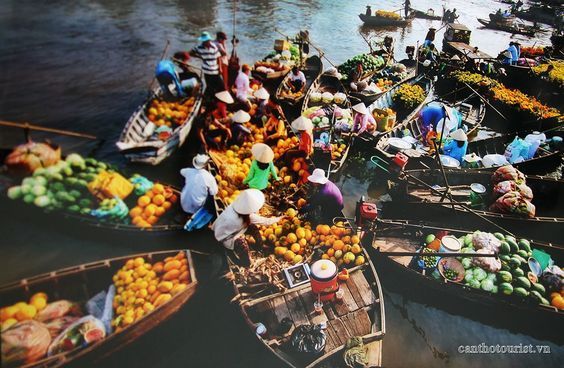
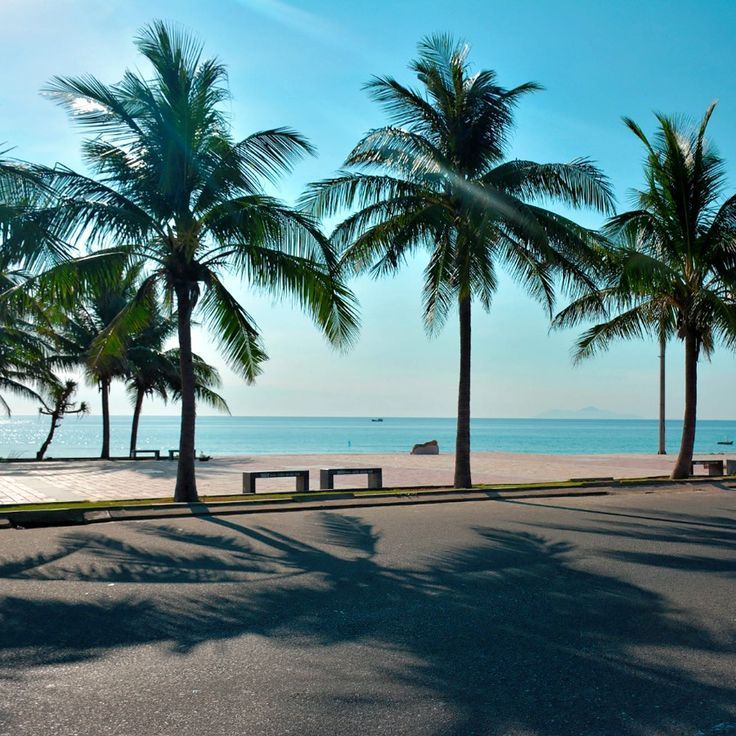
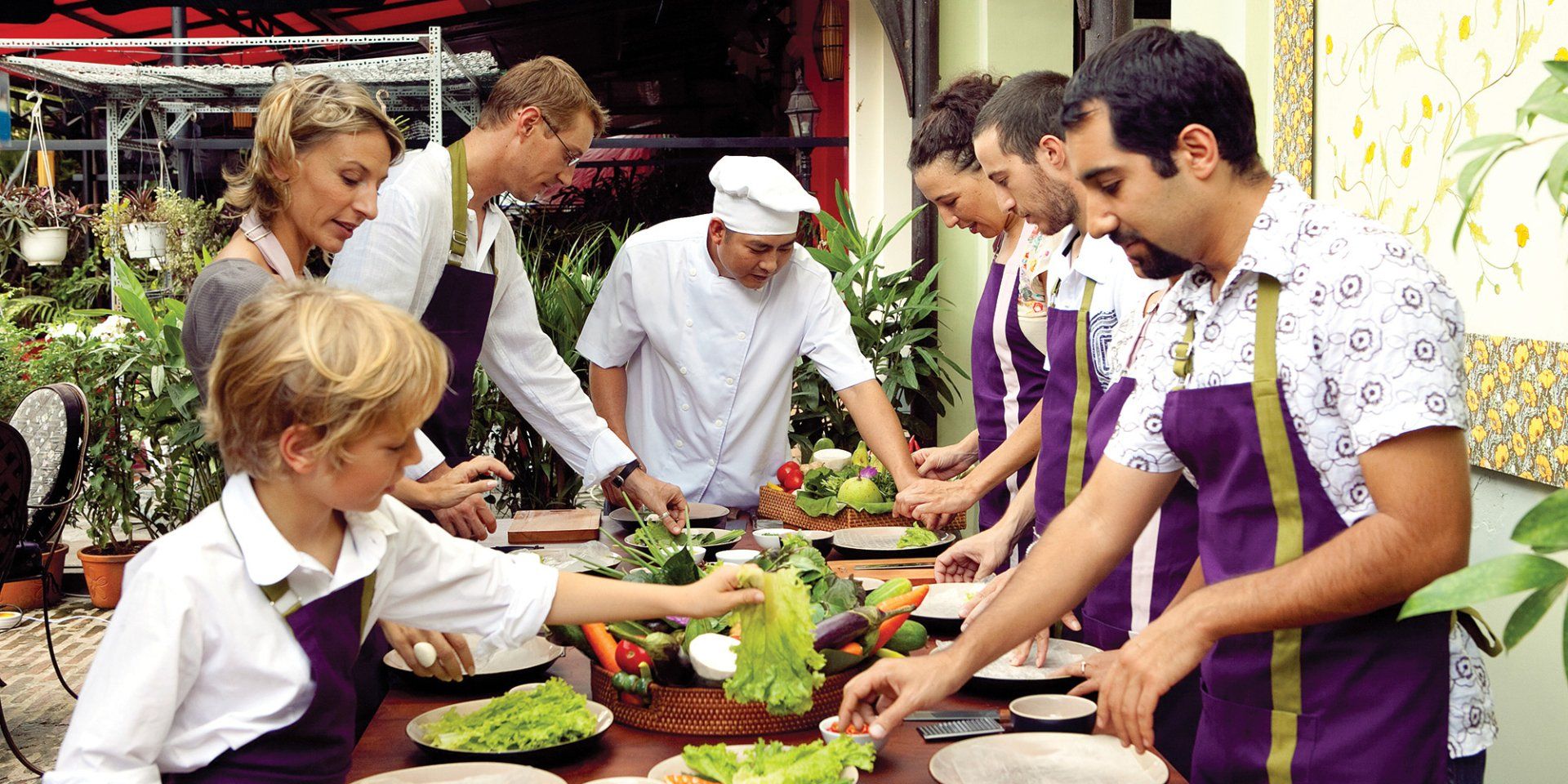
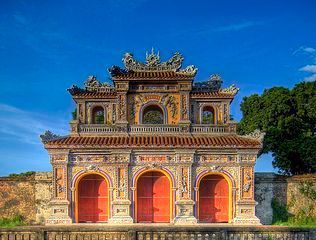
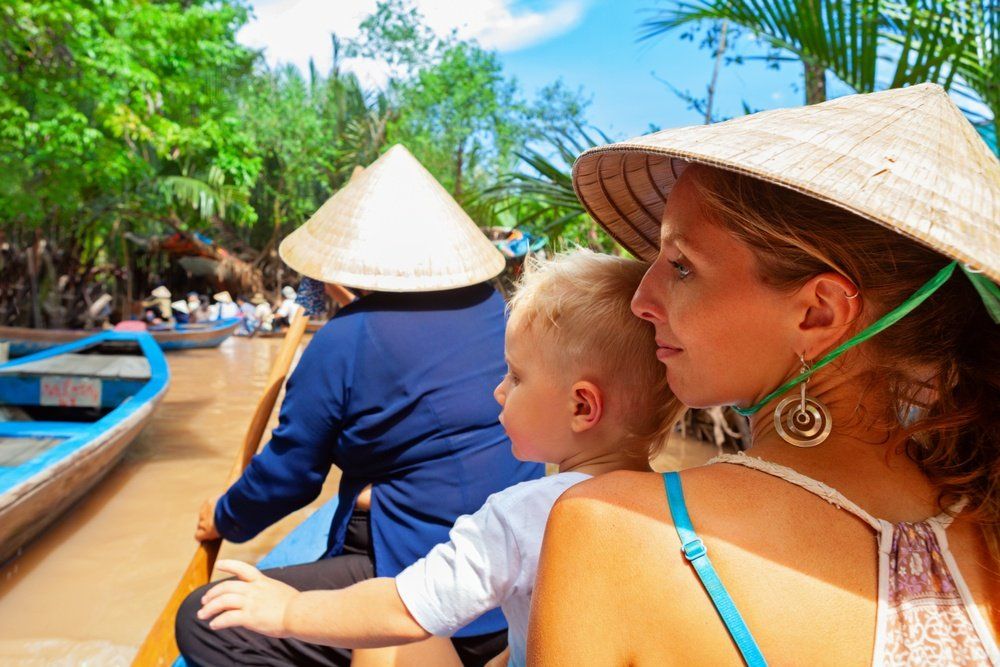
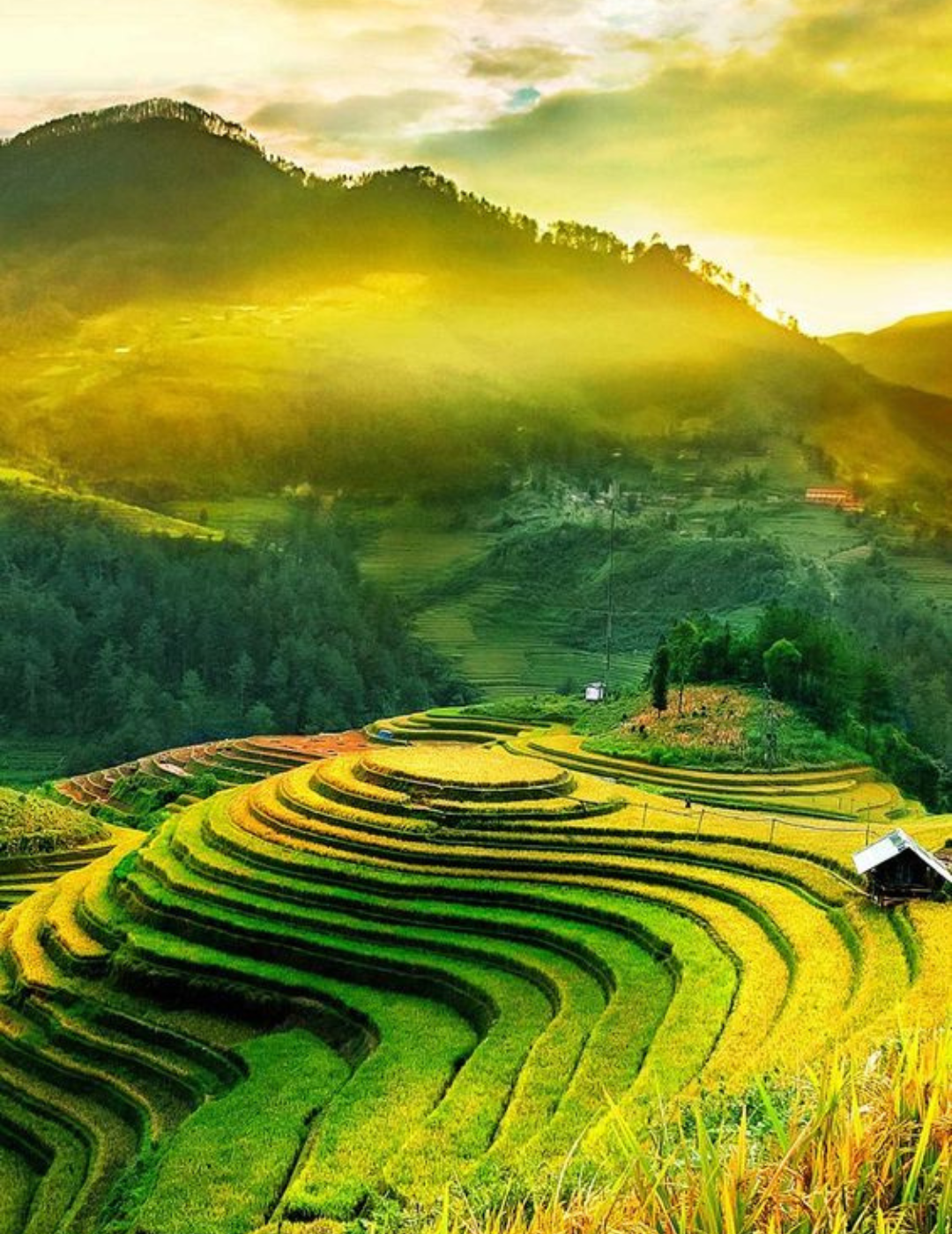
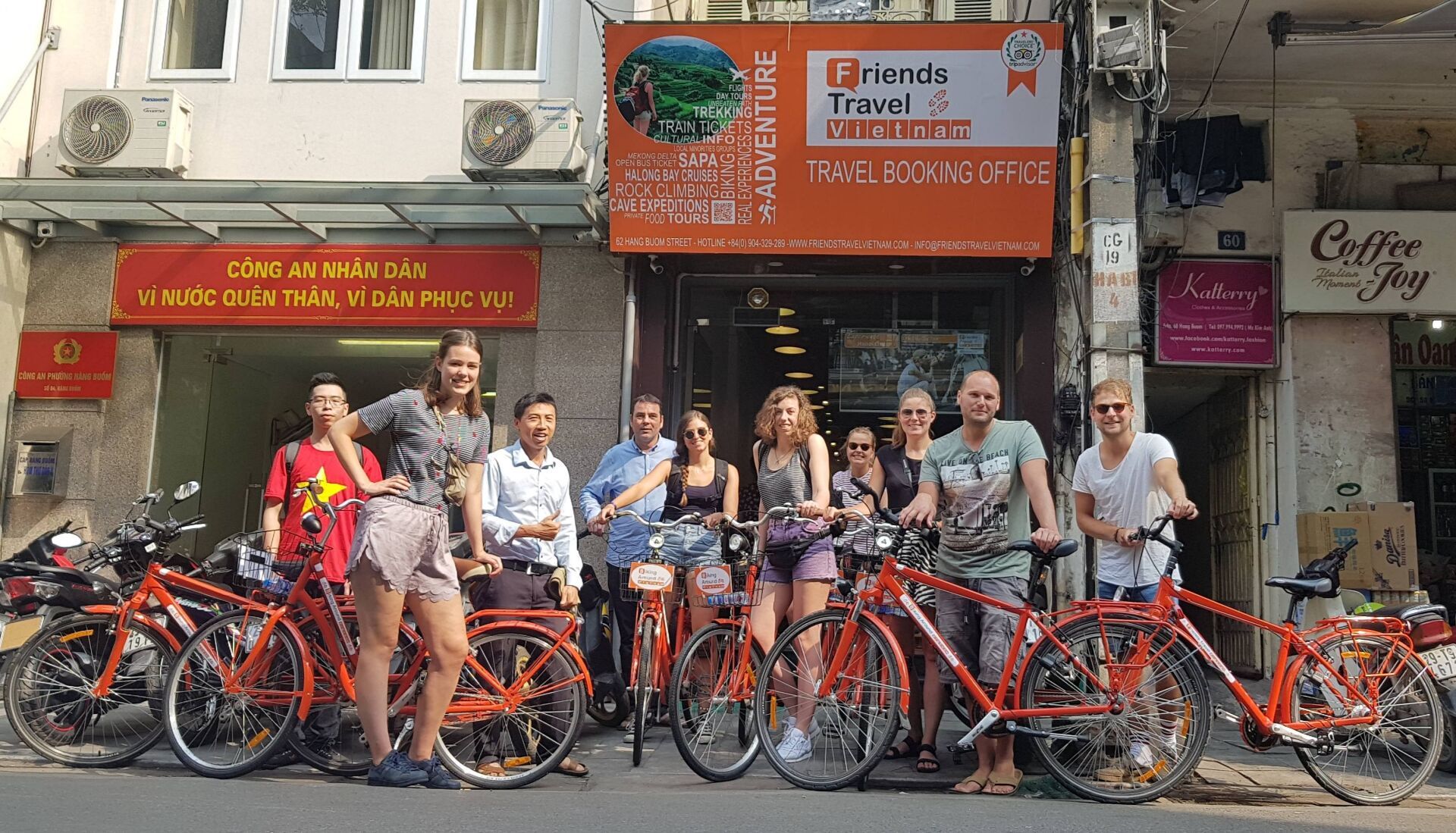
All Blog Travel Guides Regions In Vietnam
Read & view more blog articles about Travel Guides Regions In Vietnam

Central Vietnam Guide
Friends Travel Vietnam Blog
Southern Vietnam Guide
Friends Travel Vietnam Blog
Northern Vietnam Guide
Friends Travel Vietnam Blog
Index Northern Vietnam Travel Guide
Read & view more blog articles Central Vietnam in our Travel Guide for Vietnam
Lan Ha Bay
Friends Travel Vietnam Blog
Halong Bay
Friends Travel Vietnam Blog
Bai Tu Long Bay
Friends Travel Vietnam Blog
Hanoi
Friends Travel Vietnam Blog
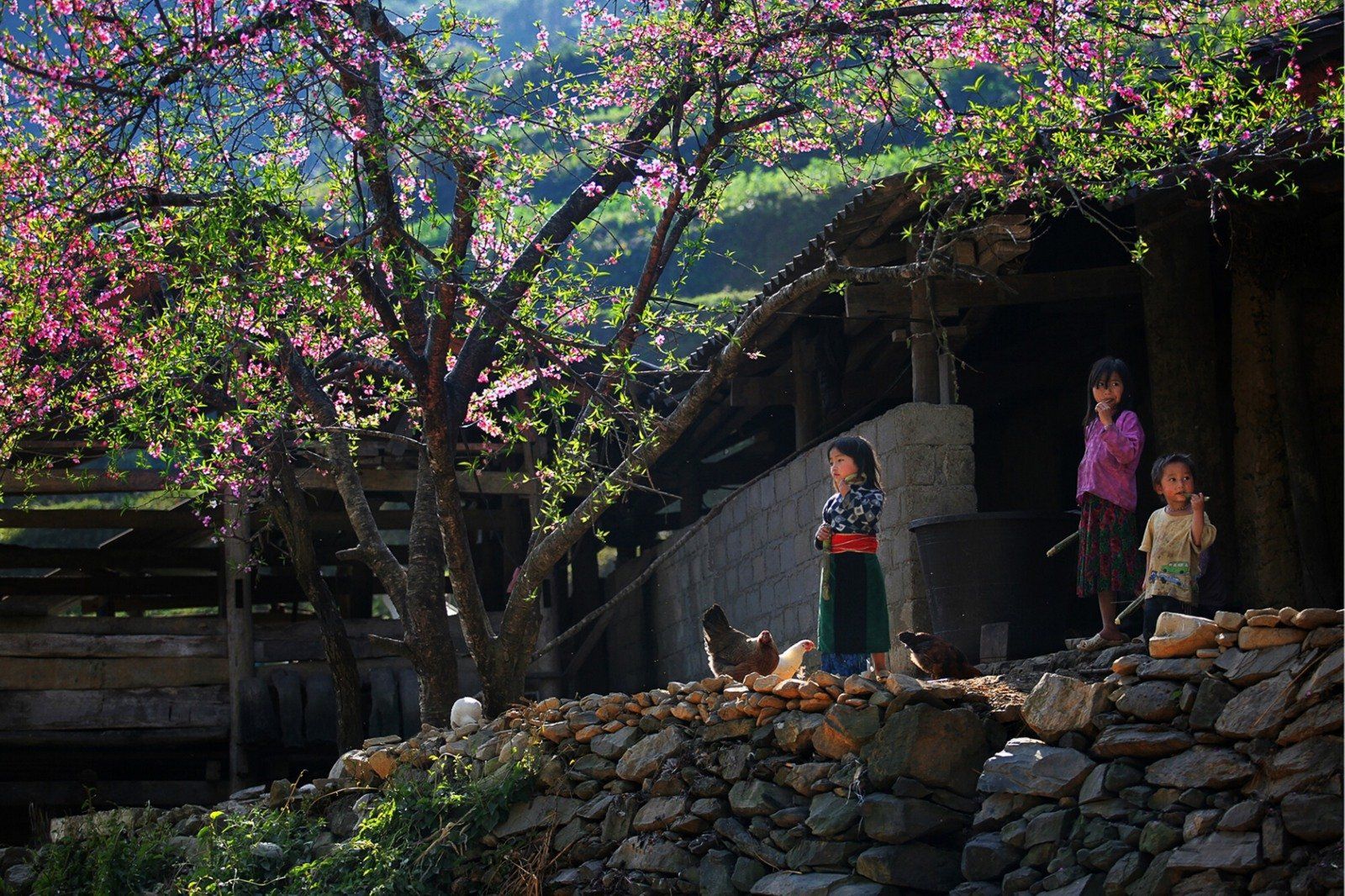
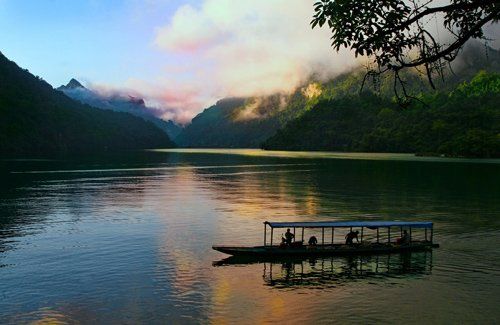
Index Central Vietnam Travel Guide
Read & view more blog articles Central Vietnam in our Travel Guide for Vietnam
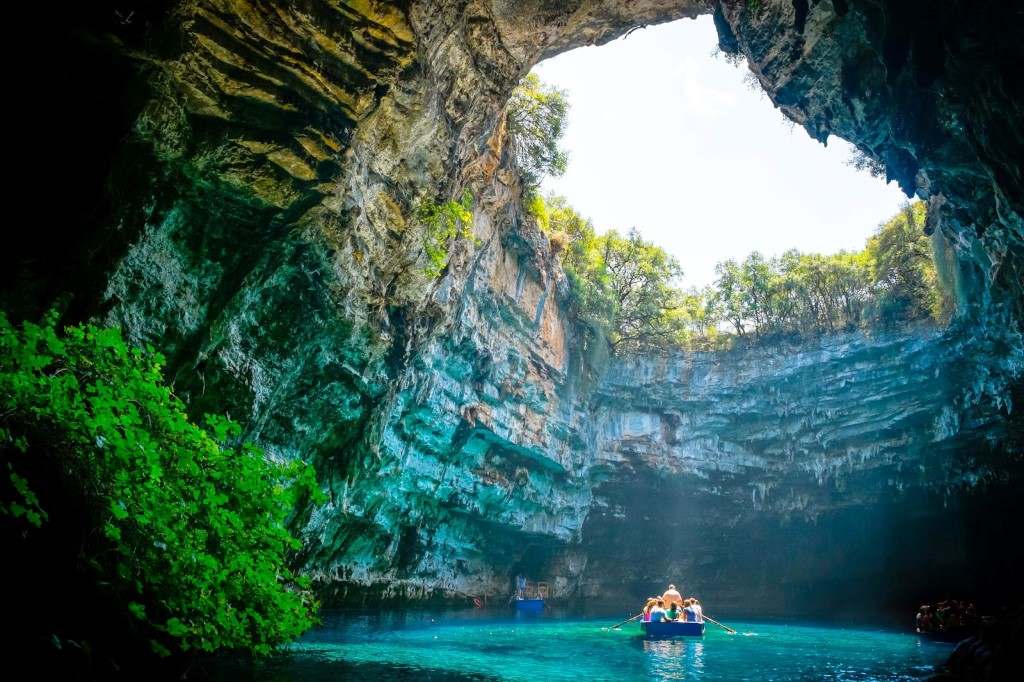
Phong Nha Ke Bang
Friends Travel Vietnam Blog
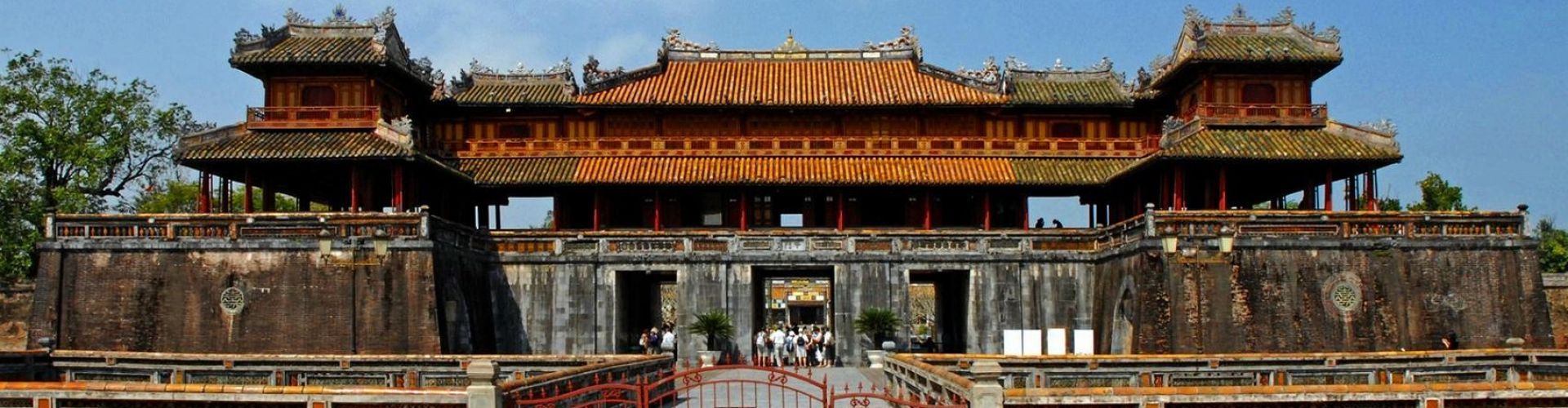
Hue
Friends Travel Vietnam Blog

Danang
Friends Travel Vietnam Blog
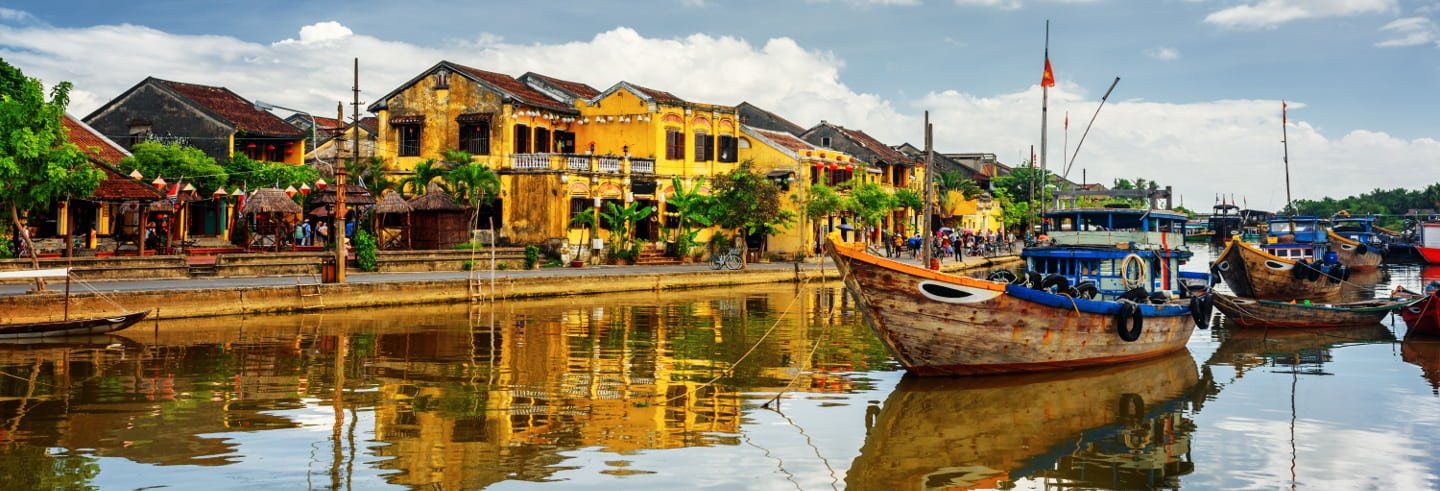
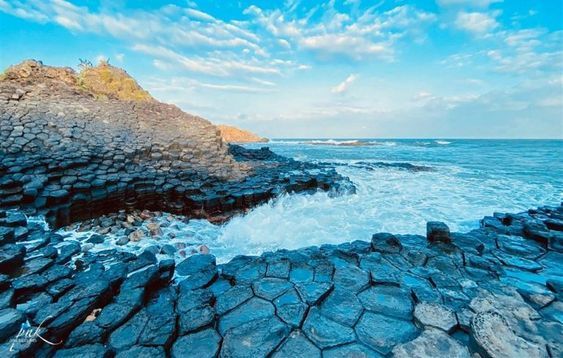
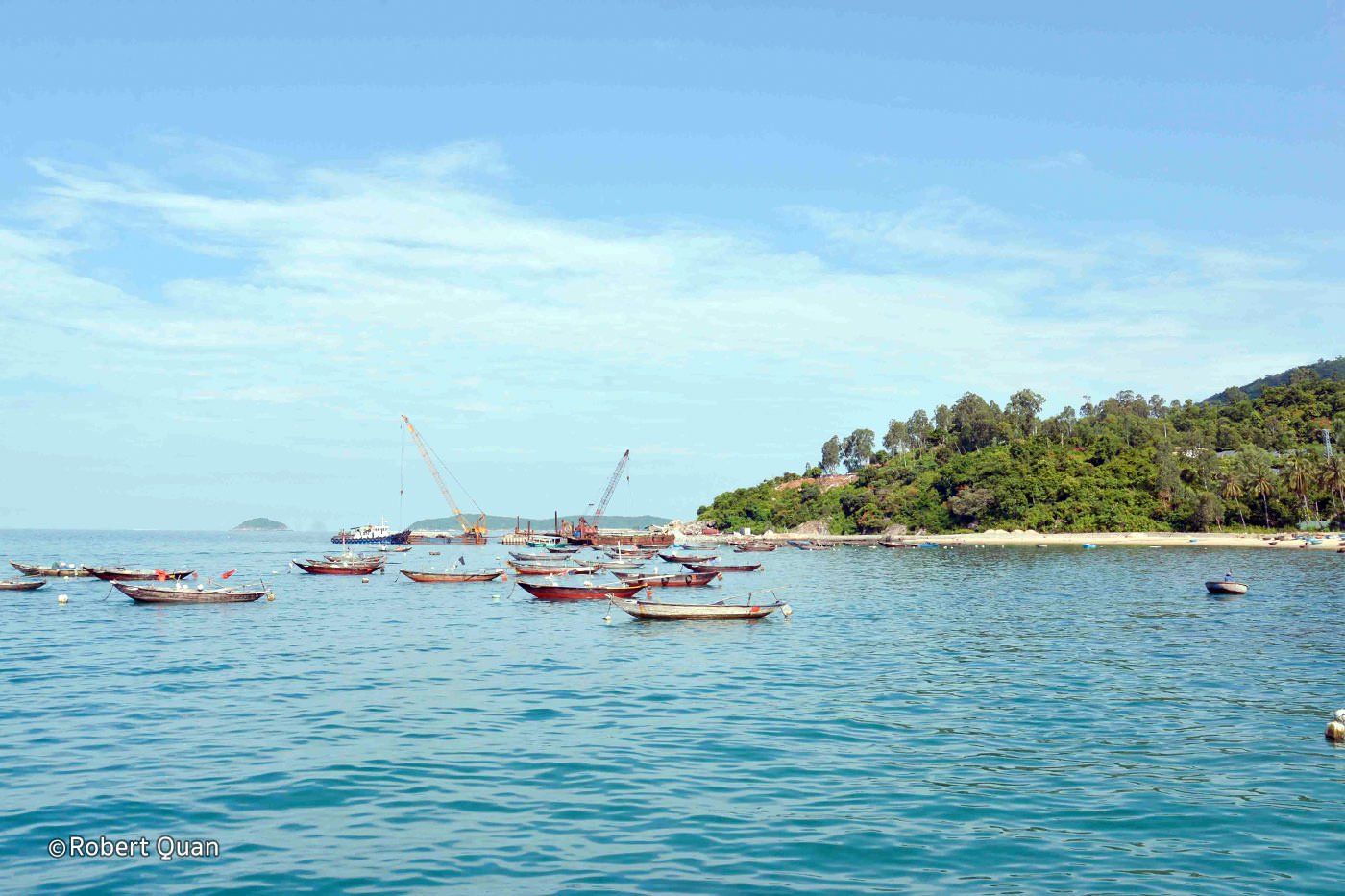
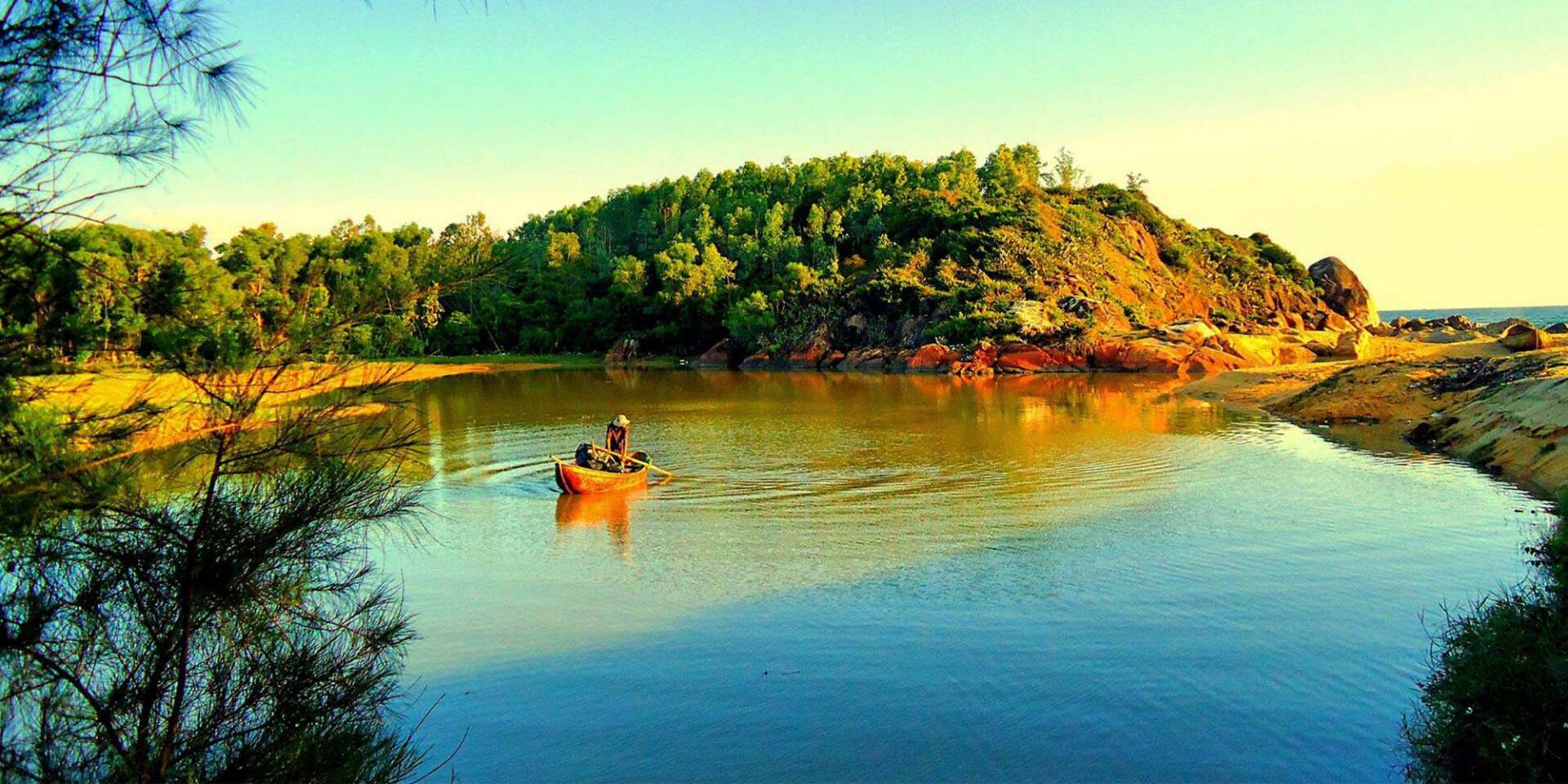
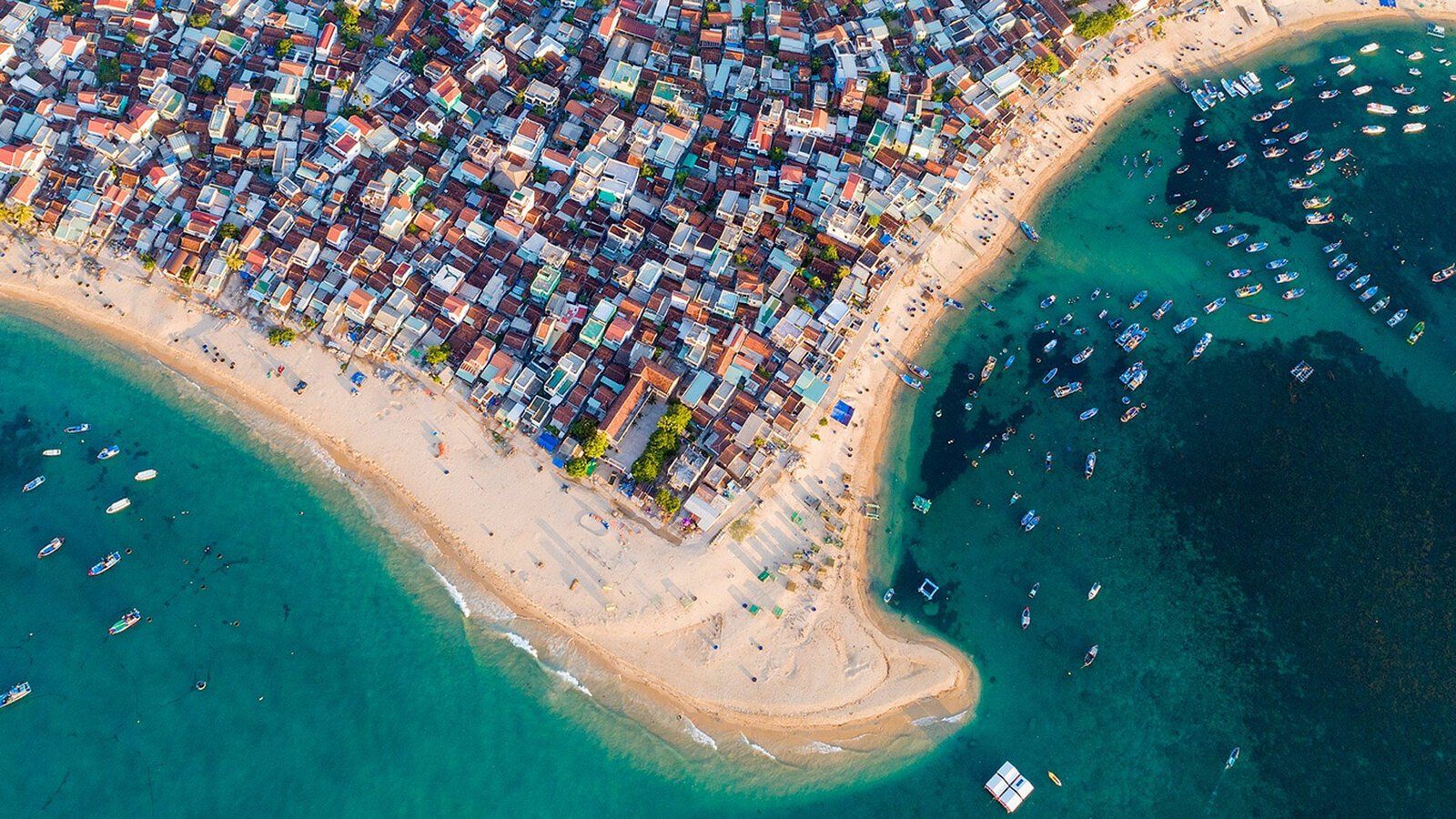
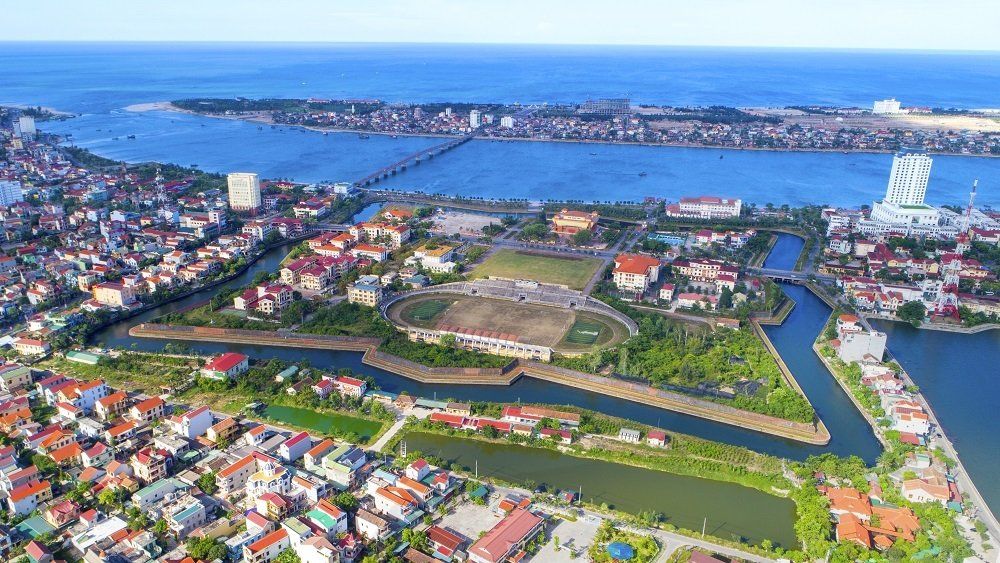
Index Southern Vietnam Travel Guide
Read & view more blog articles Southern Vietnam in our Travel Guide for Vietnam
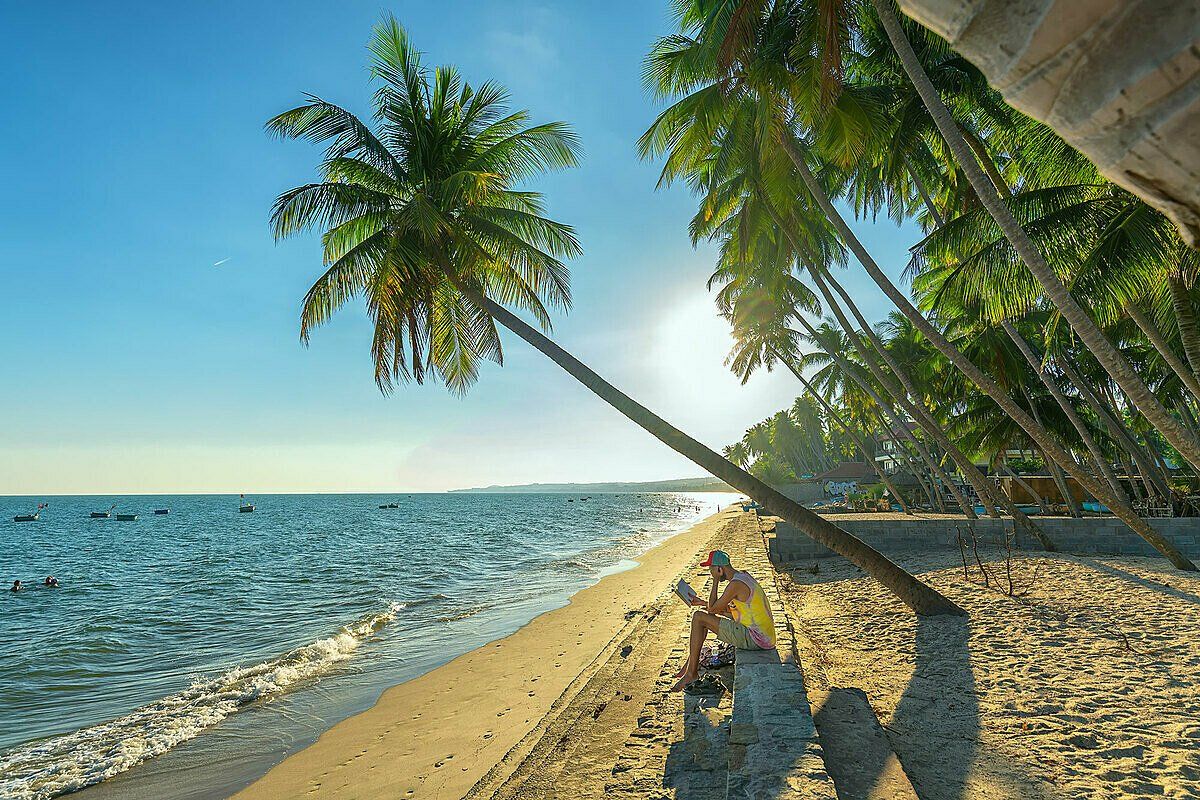
Mui Ne
Friends Travel Vietnam Blog
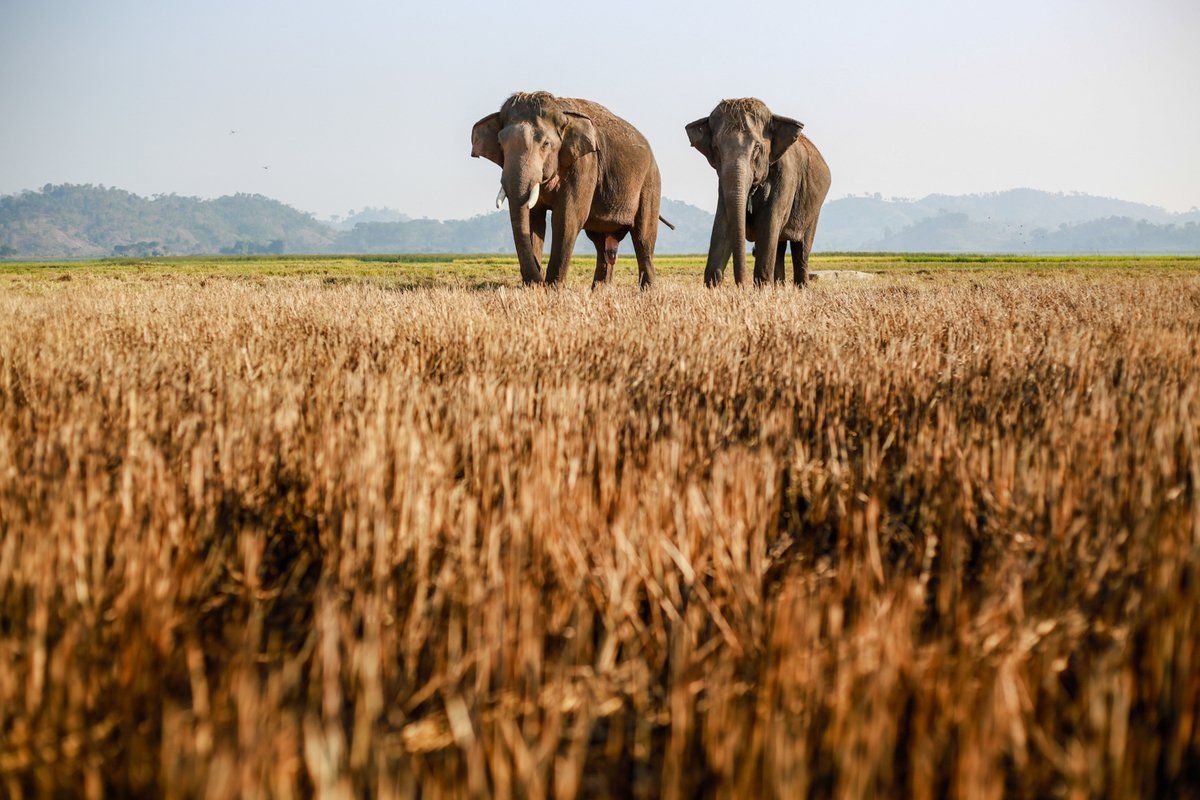
Buon Ma Thuot
Friends Travel Vietnam Blog
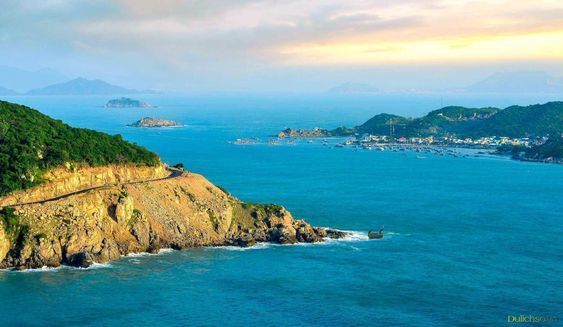
Phan Rang
Friends Travel Vietnam Blog
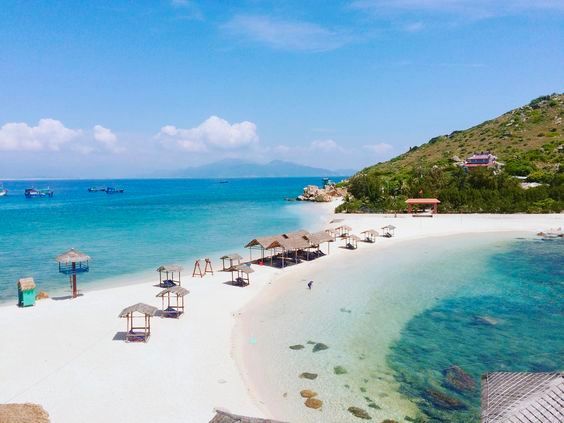
Nha Trang
Friends Travel Vietnam Blog
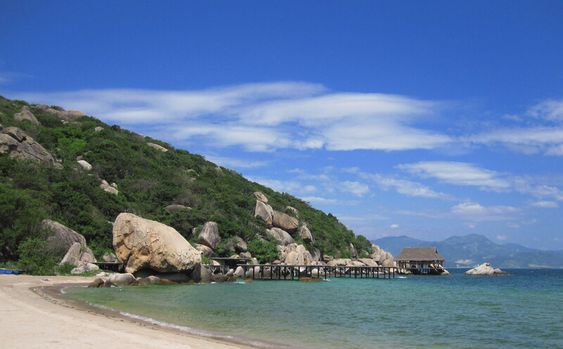
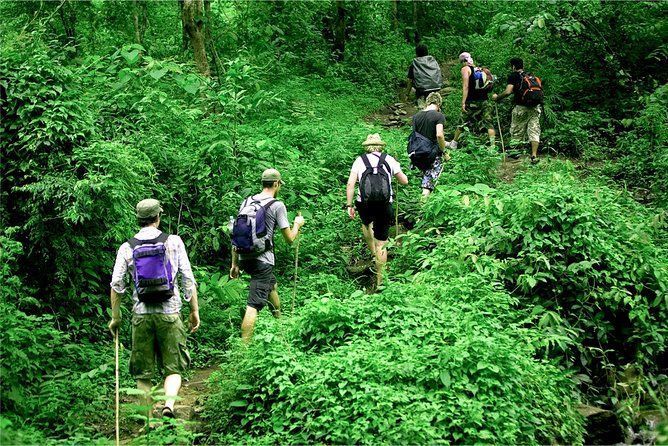
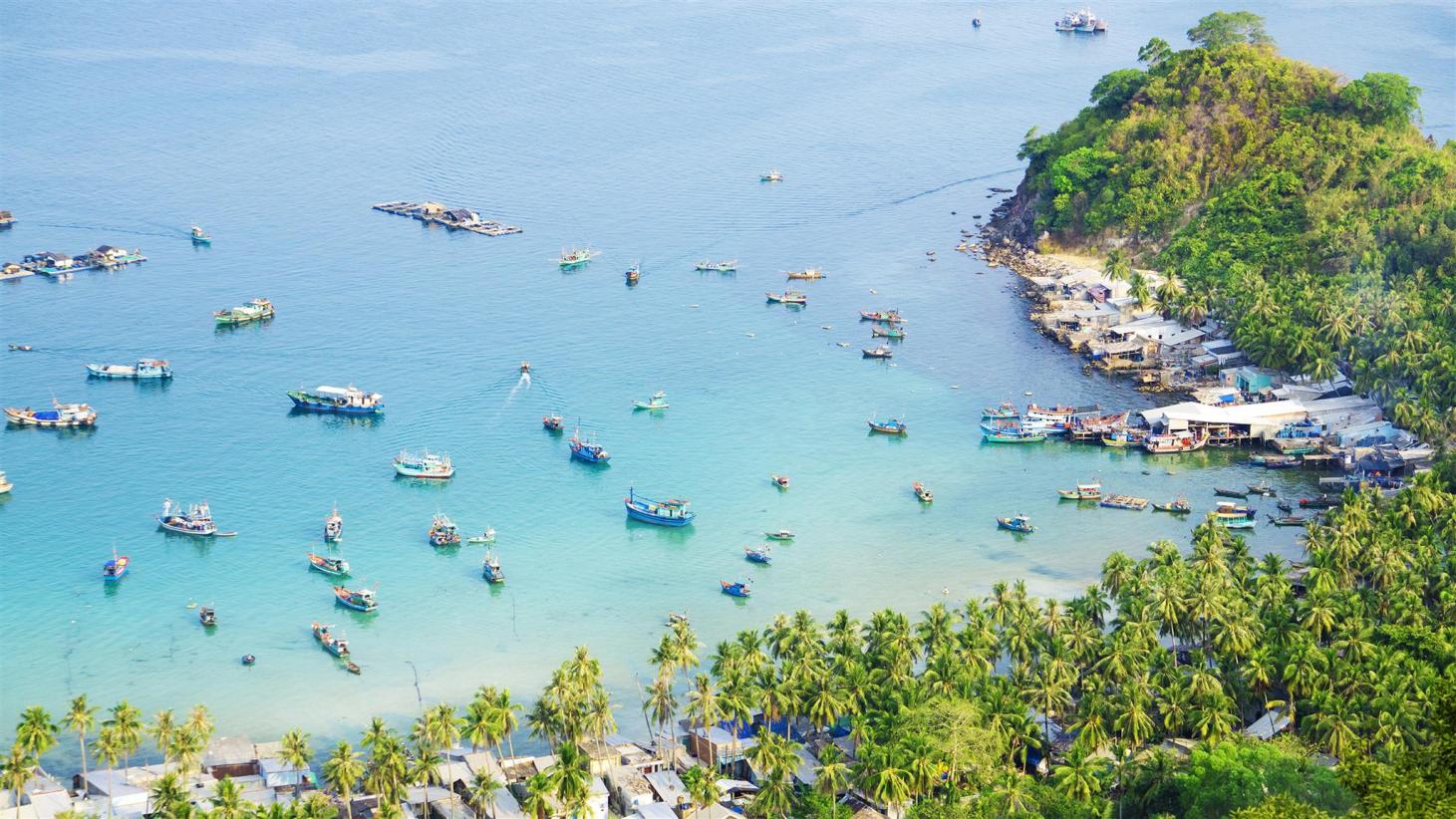
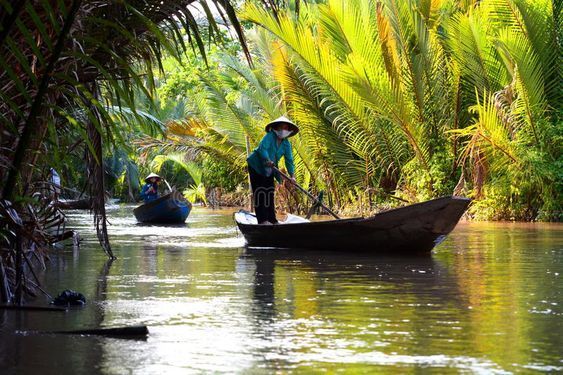
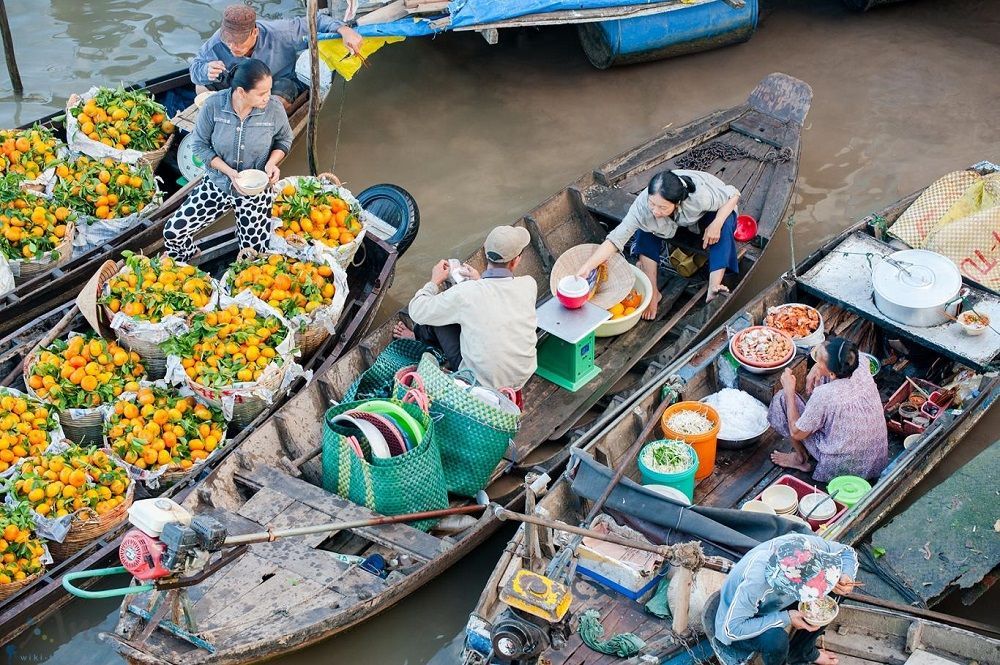
Index Islands of Vietnam Travel Guide
Read more blog articles Islands of Vietnam in our Travel Guide for Vietnam
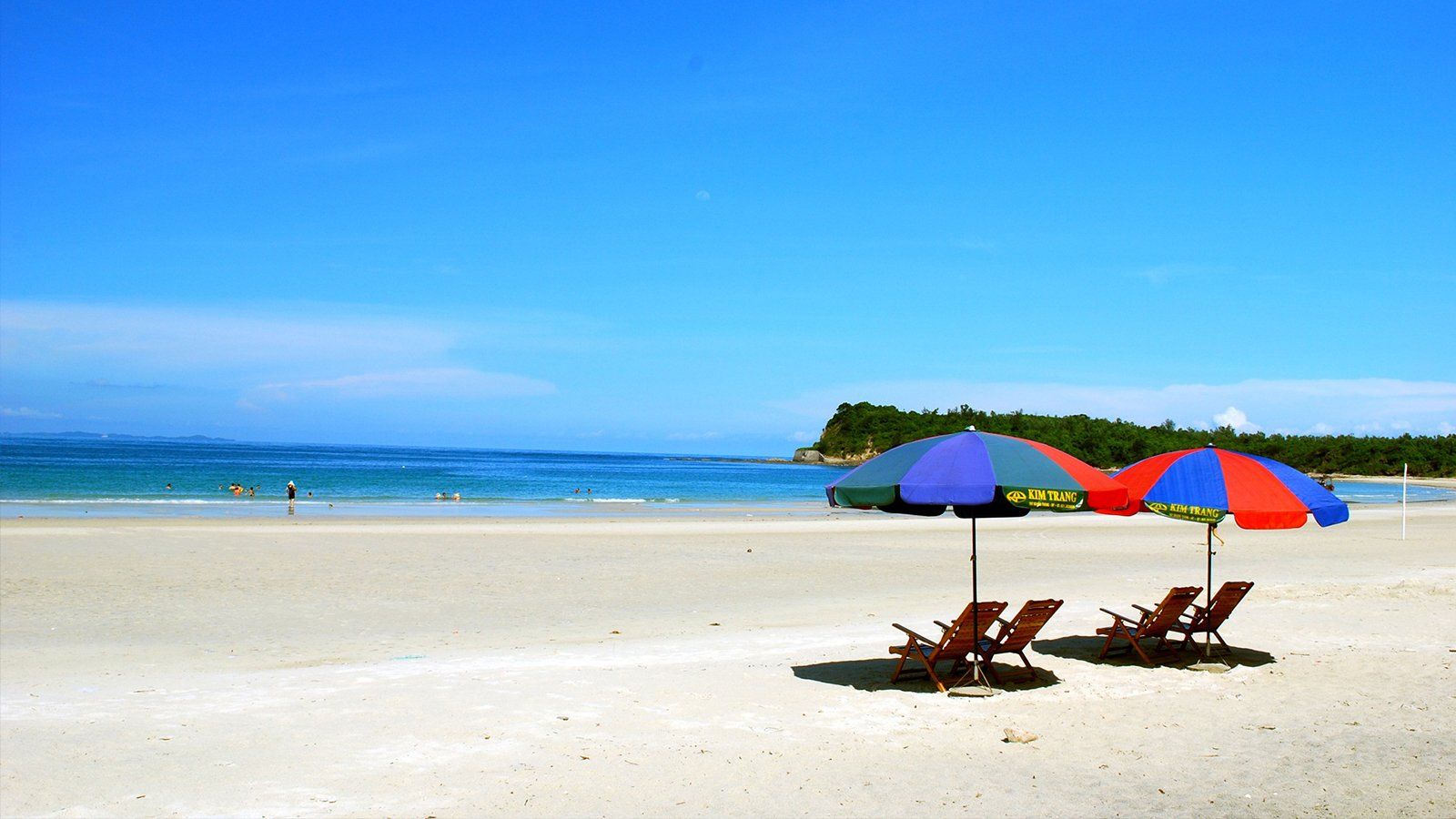
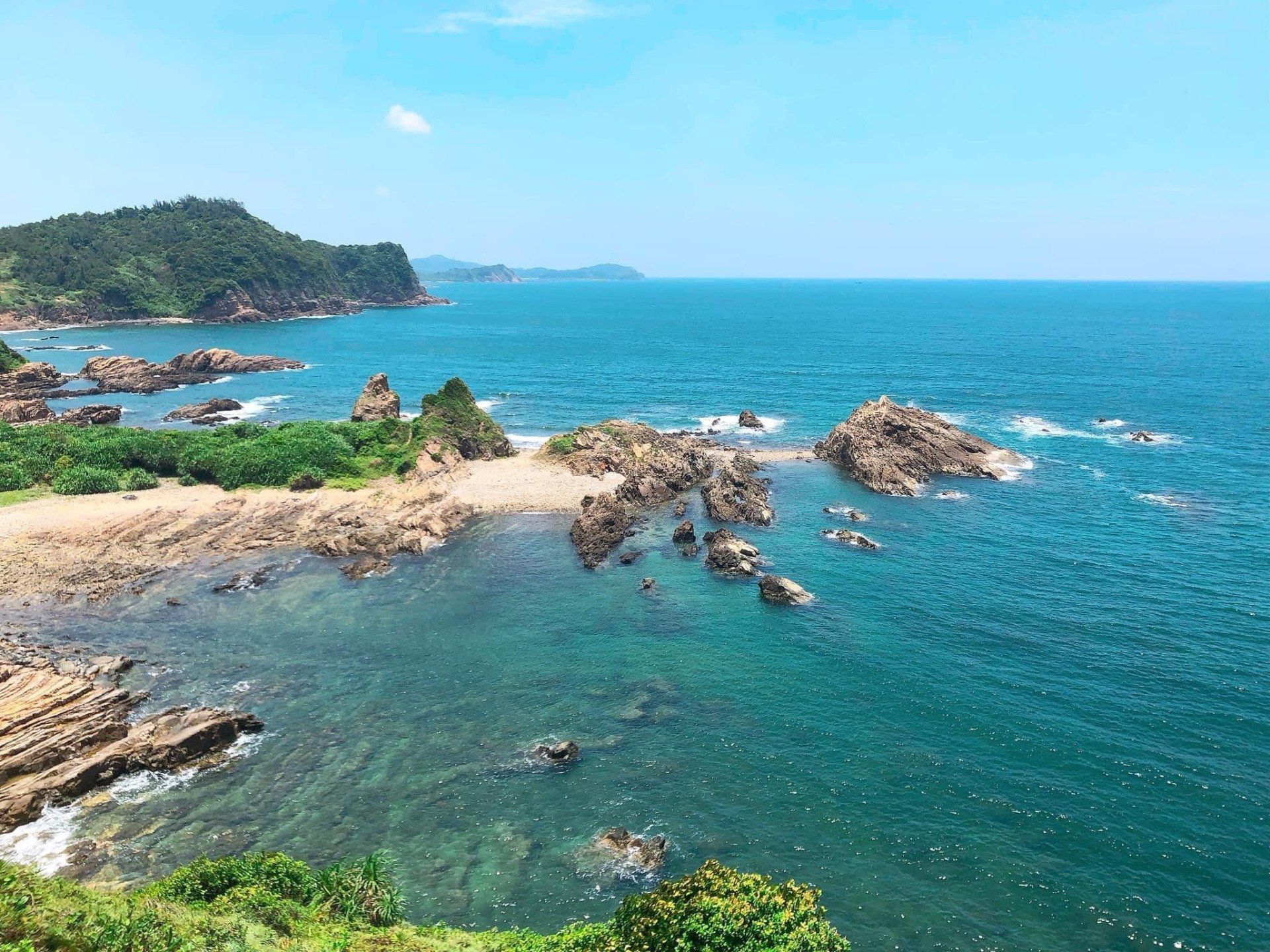
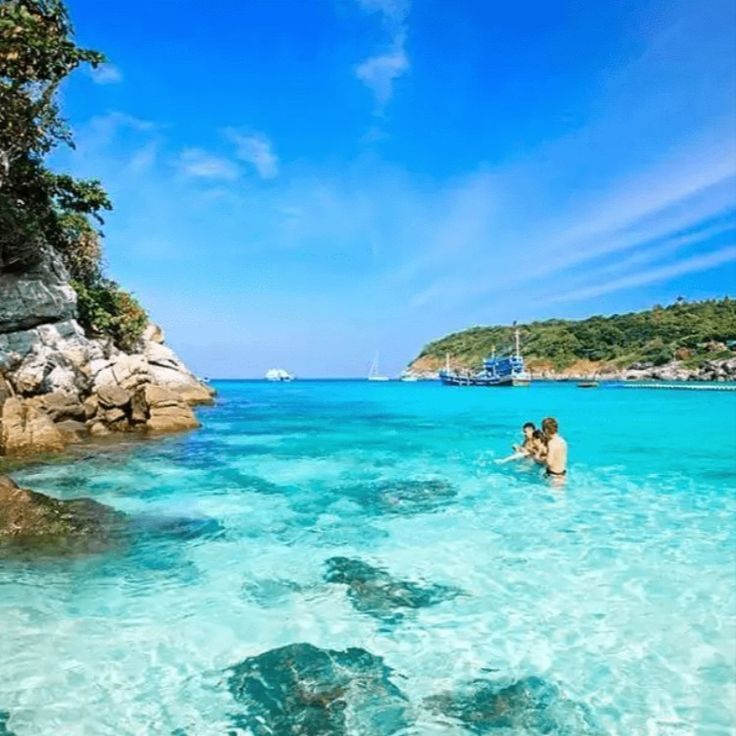
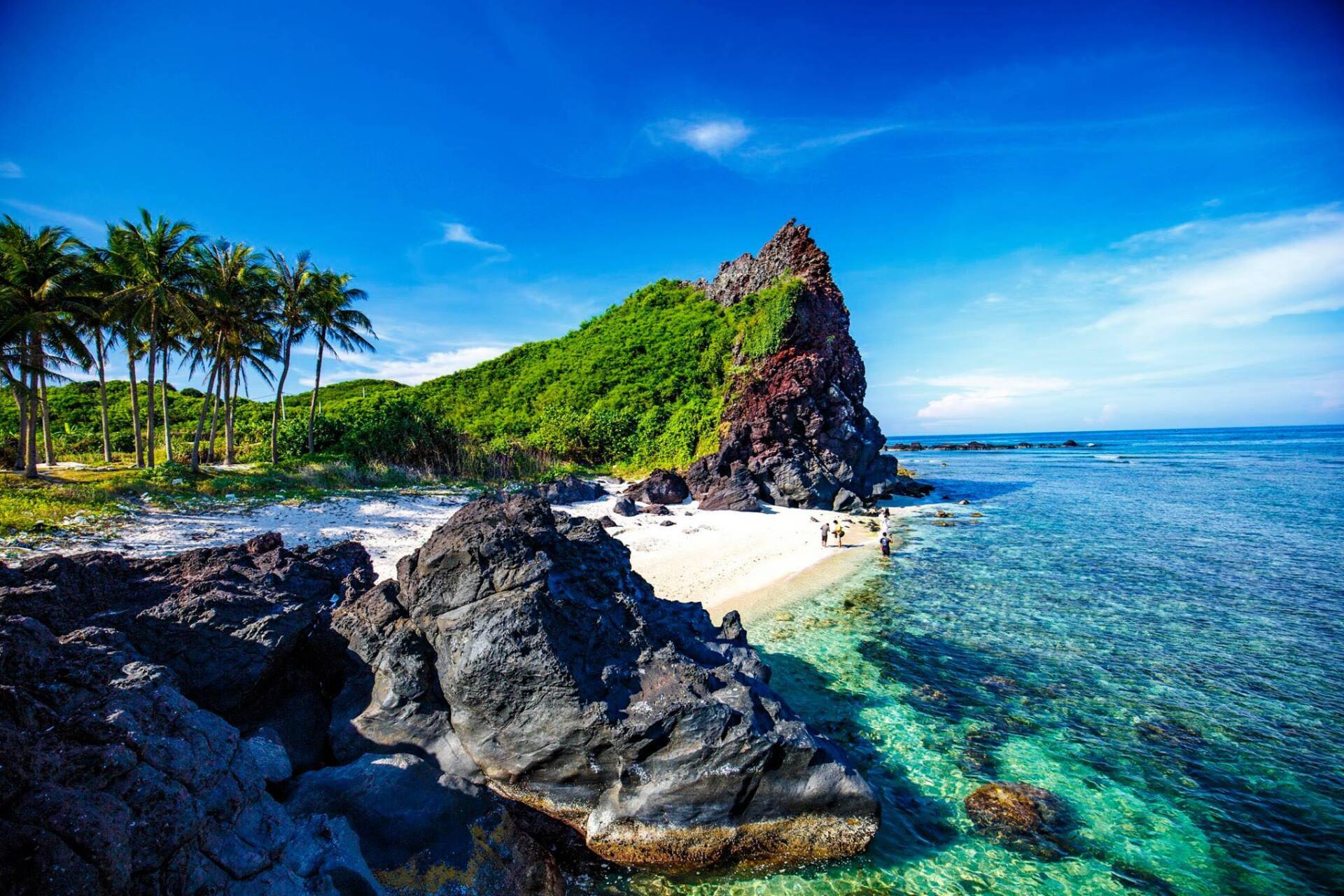
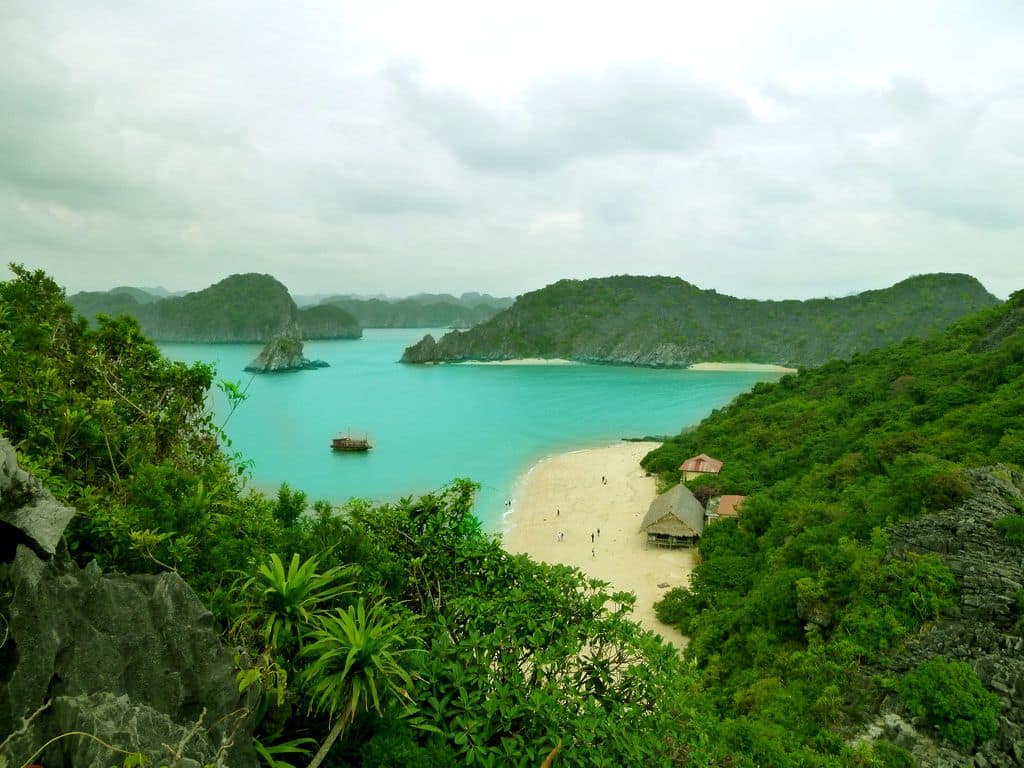
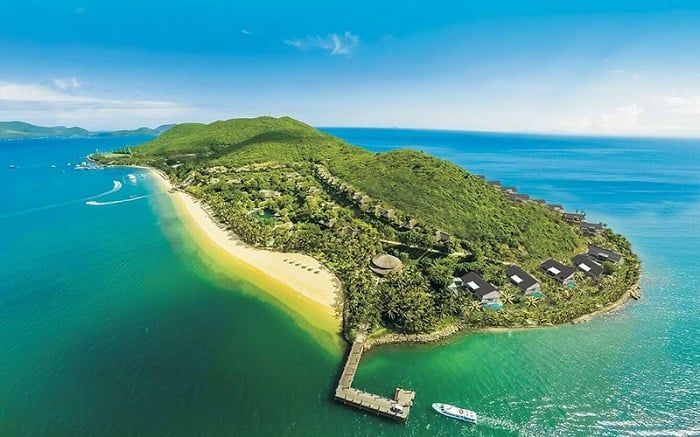
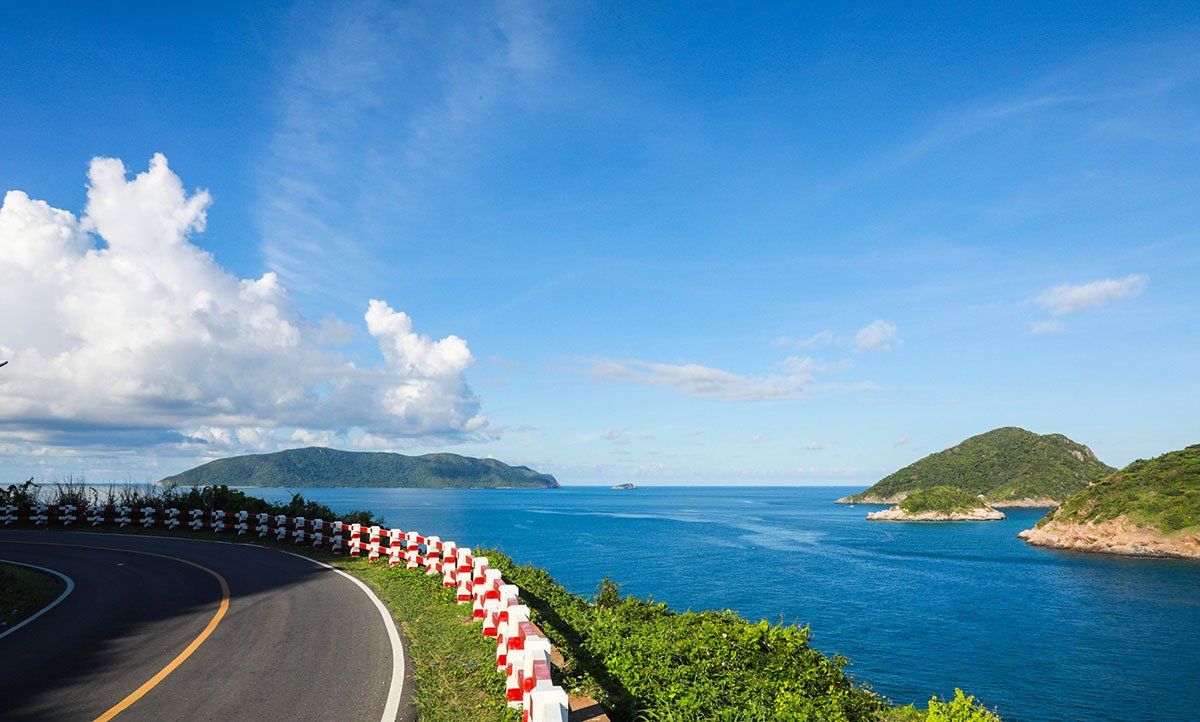
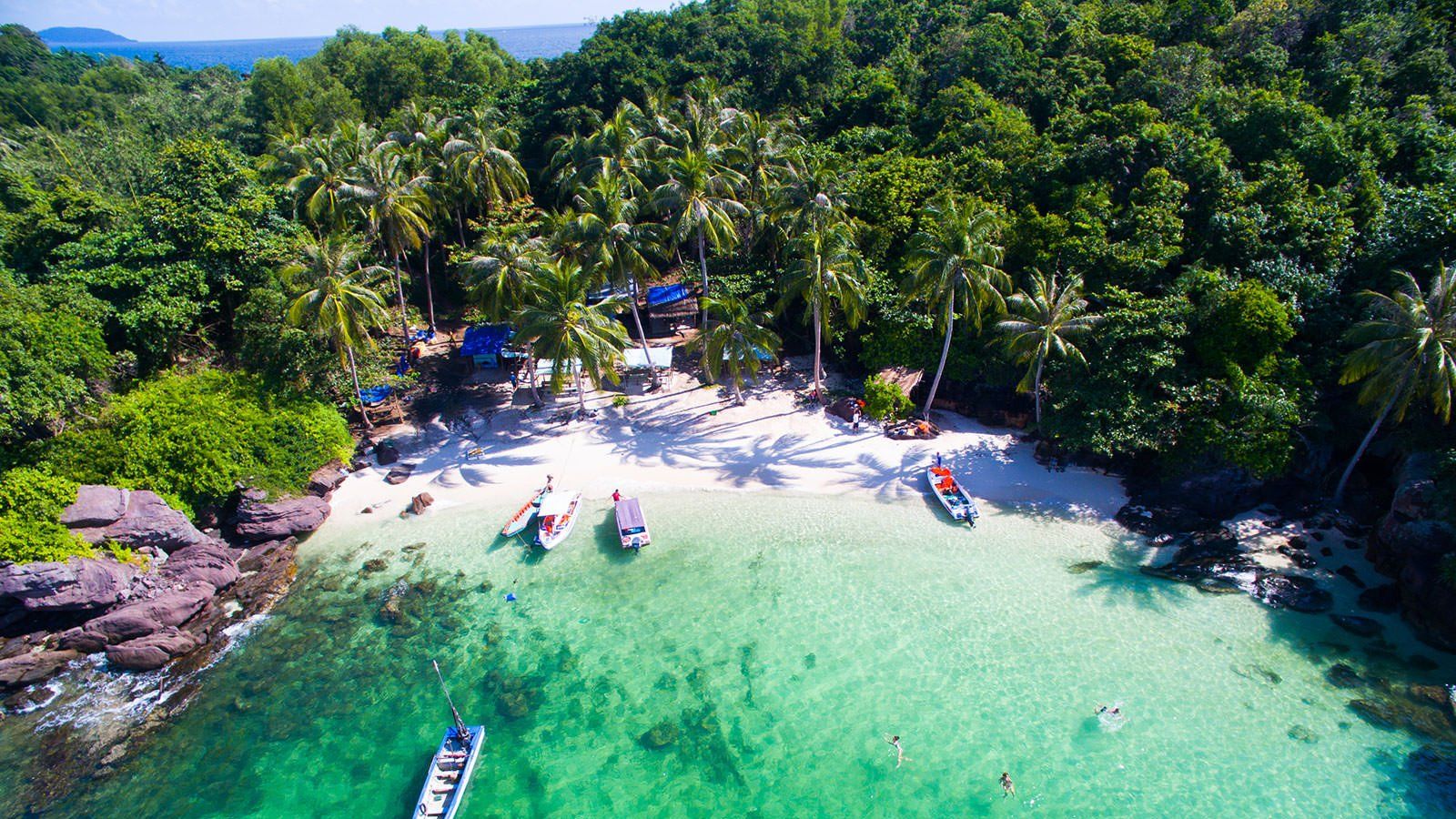
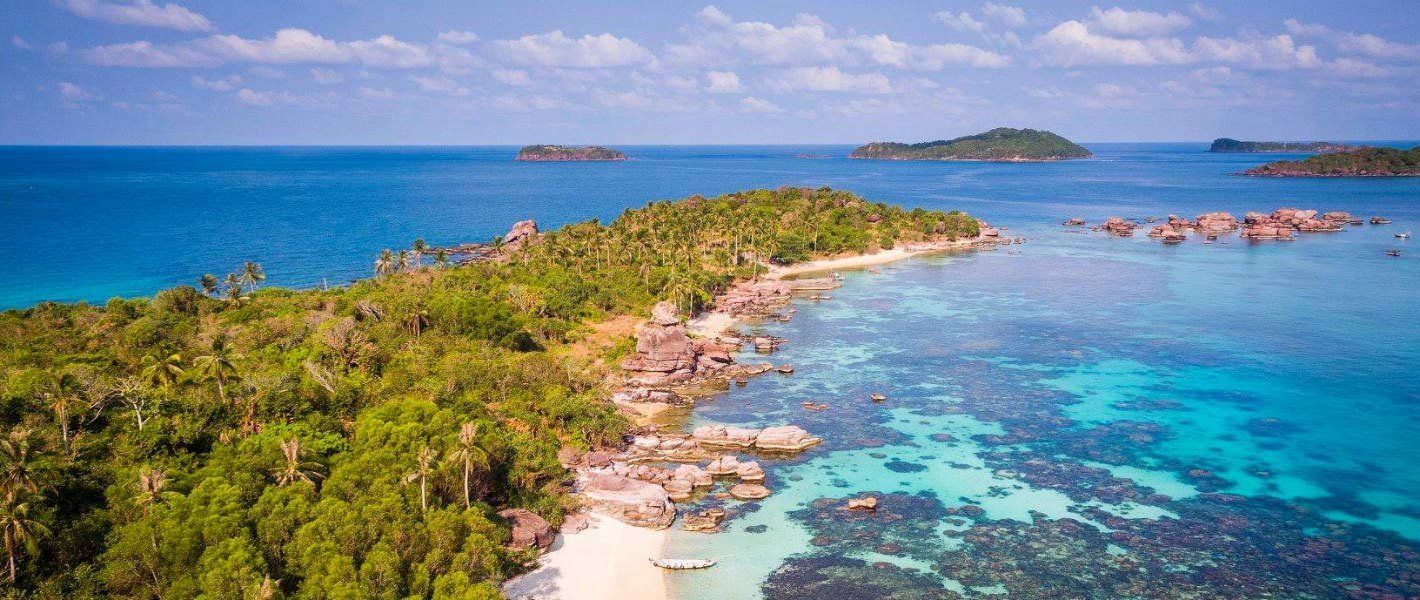
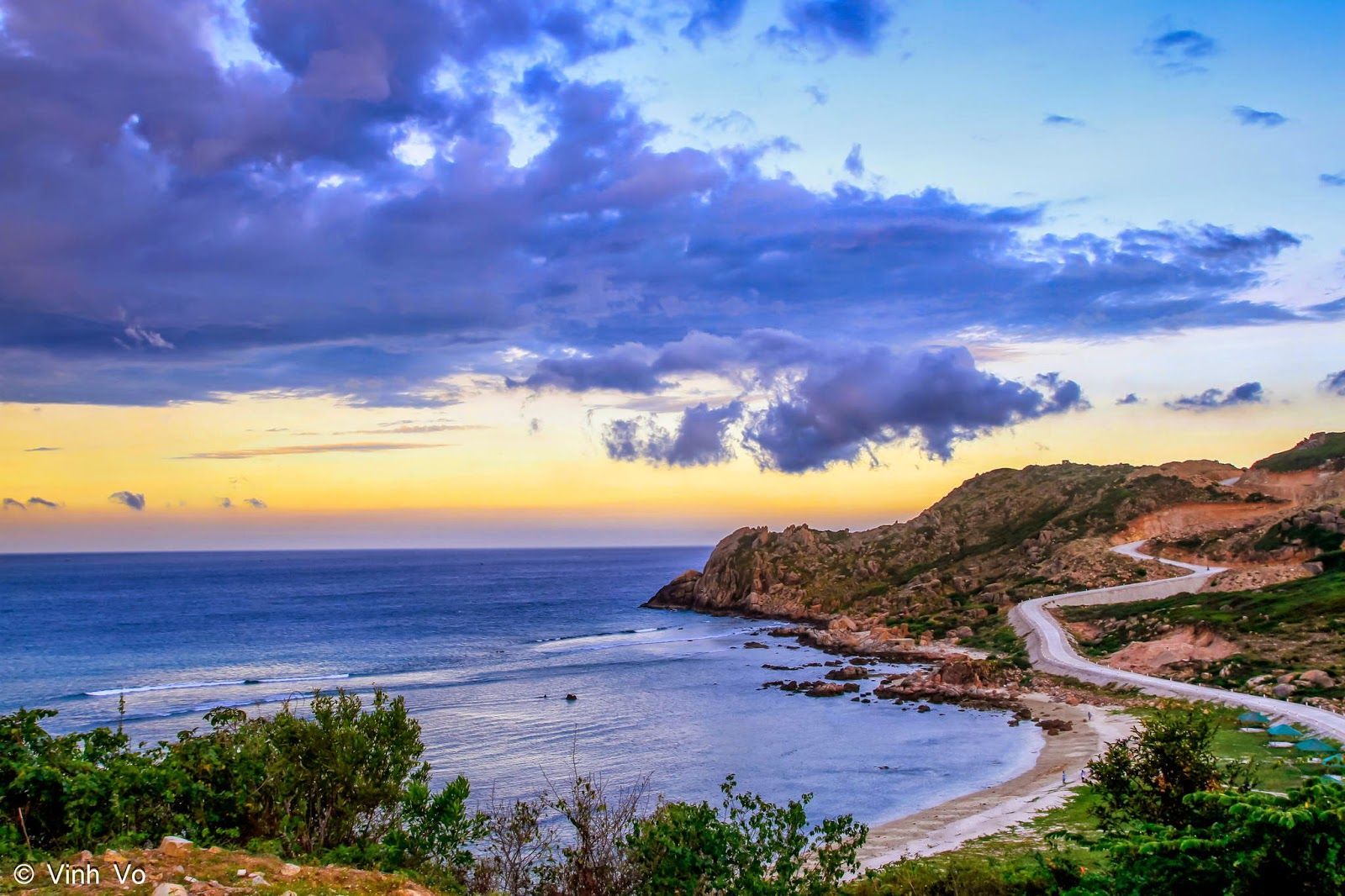
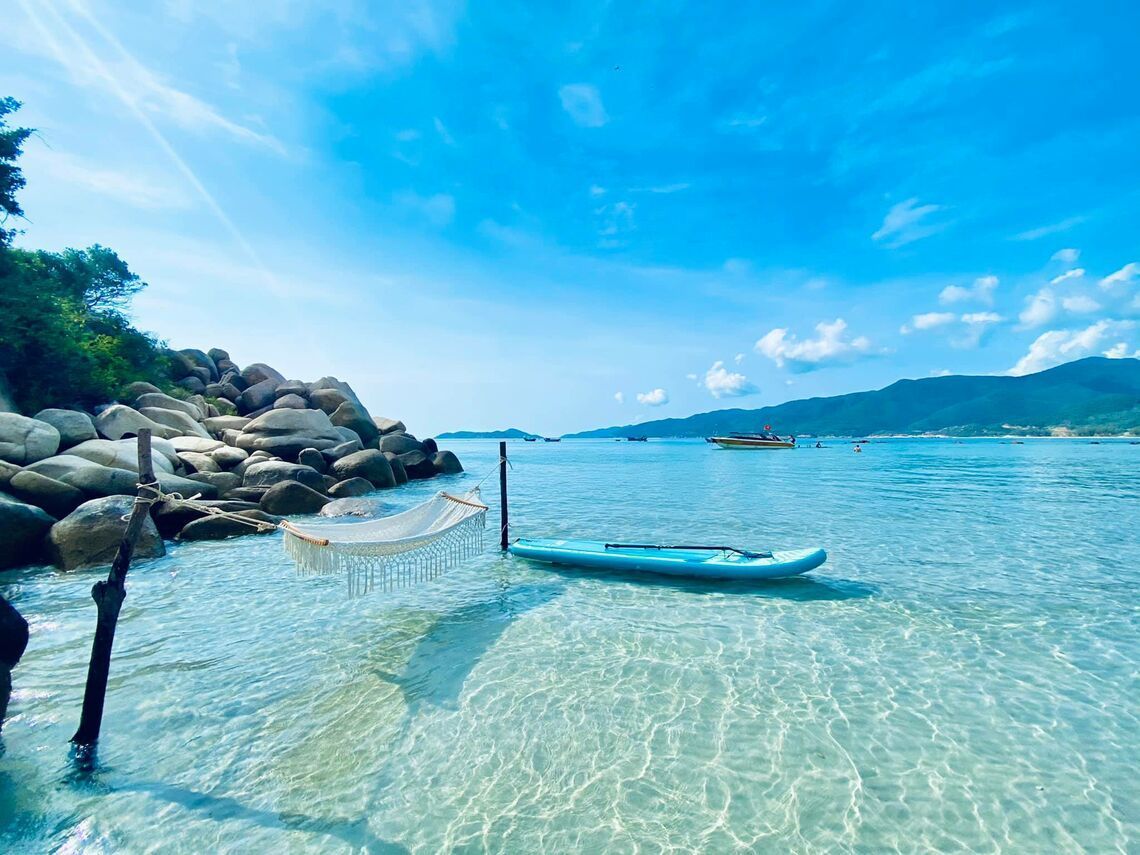
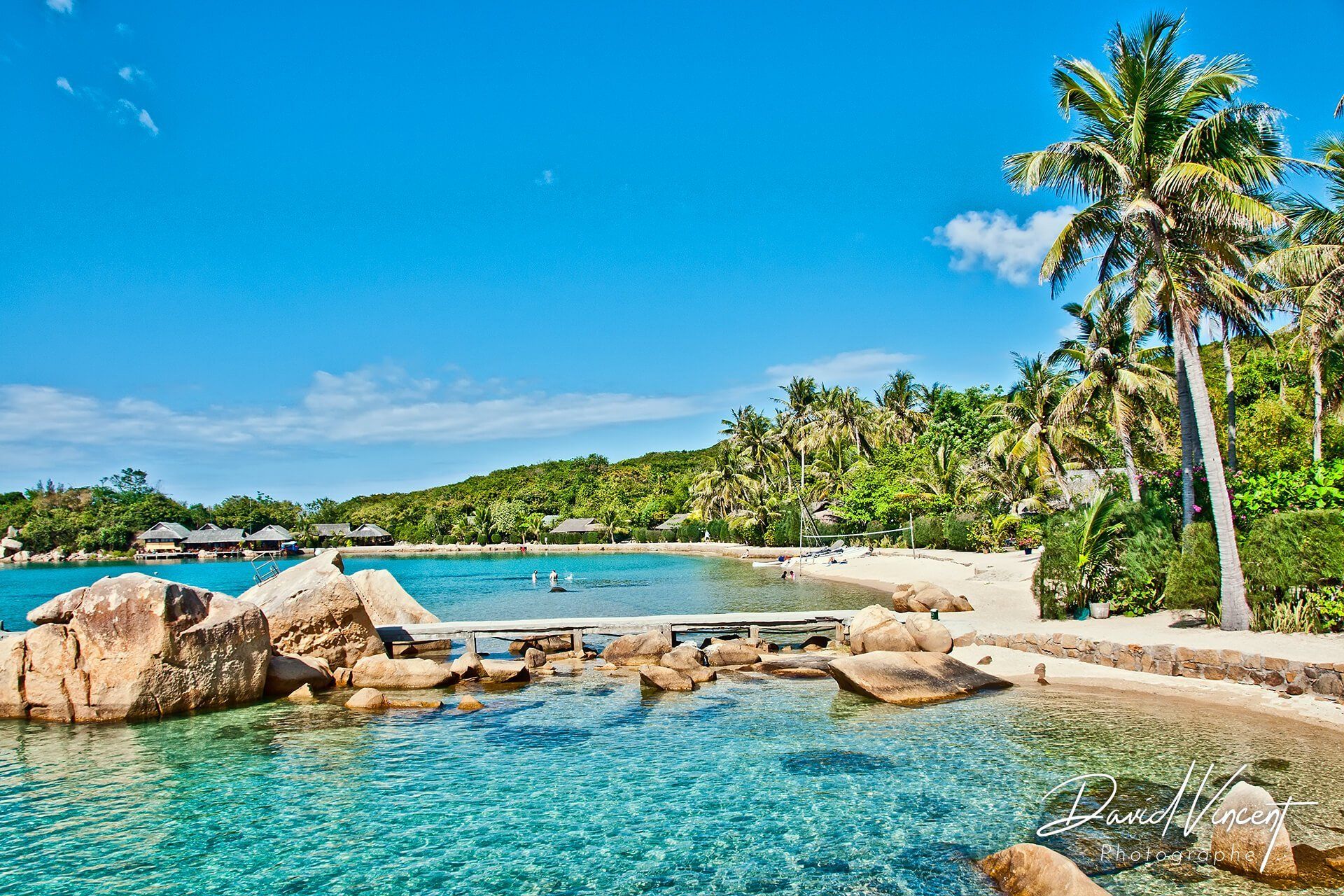
All Regions as Destinations In Vietnam
Read & view more information about Regions as Destinations In Vietnam
Though Vietnam looks small on the map, you could easily spend weeks exploring this fascinating country. From the jagged mountains in the north to the tropical beaches in the south & central Vietnam – and all of the history and culture in between. The country is developed enough to offer most comforts but still wild enough to provide off-the-beaten-path adventure for travellers who love trekking into the Northern mountains, Vietnam will not let you down in anyway. Welcome to Vietnam, a land of staggering natural beauty & cultural complexities, of dynamic megacities & hill-tribe villages, Vietnam is both exotic and compelling.
Moreover, as Vietnam is safe, welcoming solo travellers & all other travelers from walks of life!
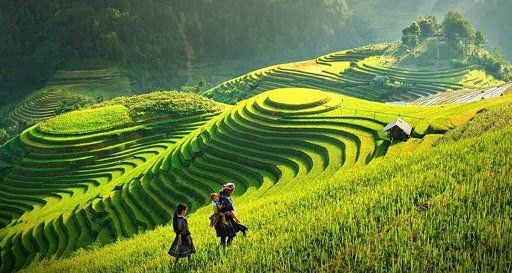
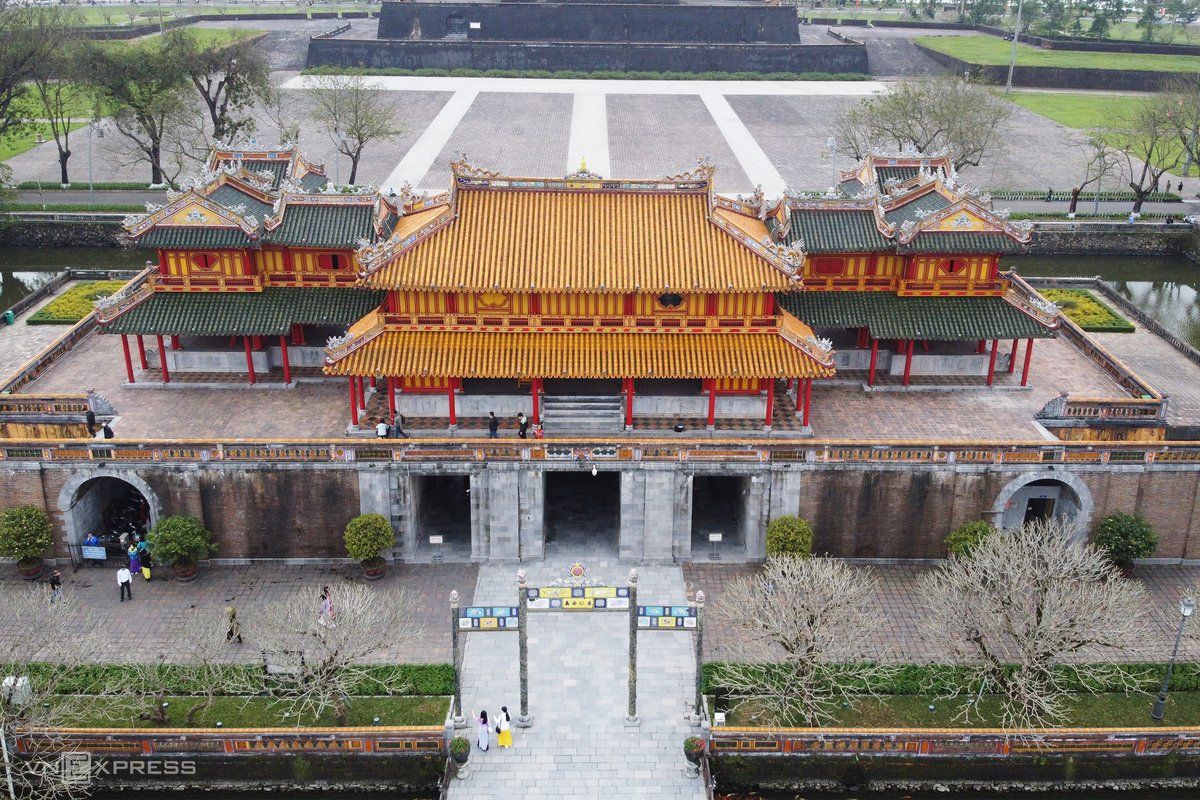
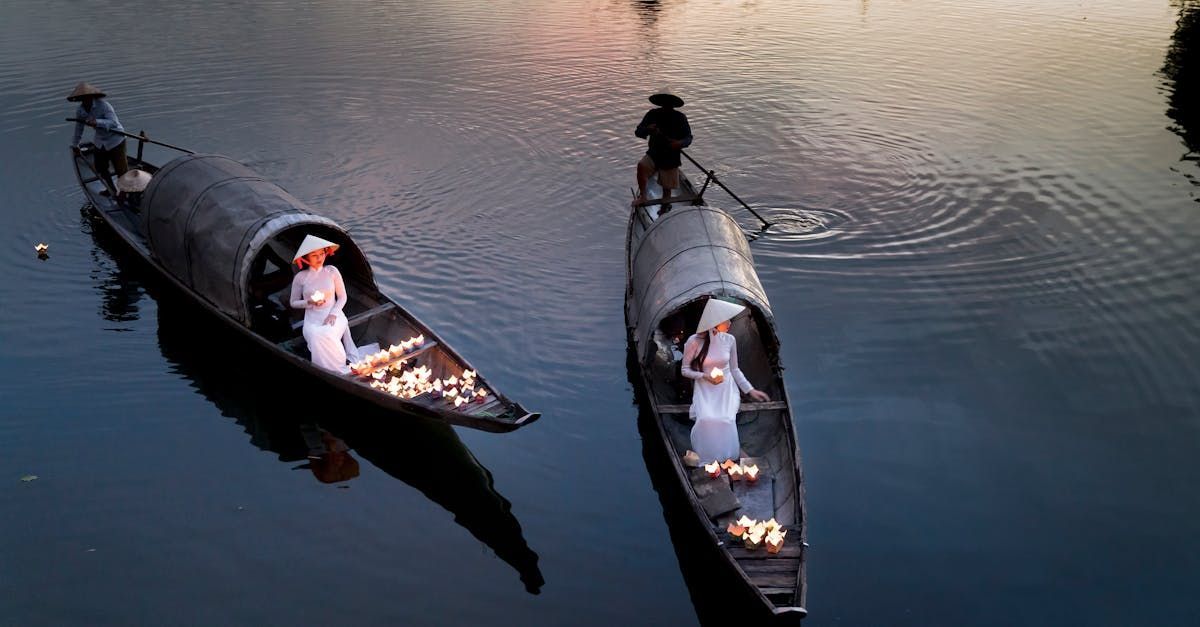
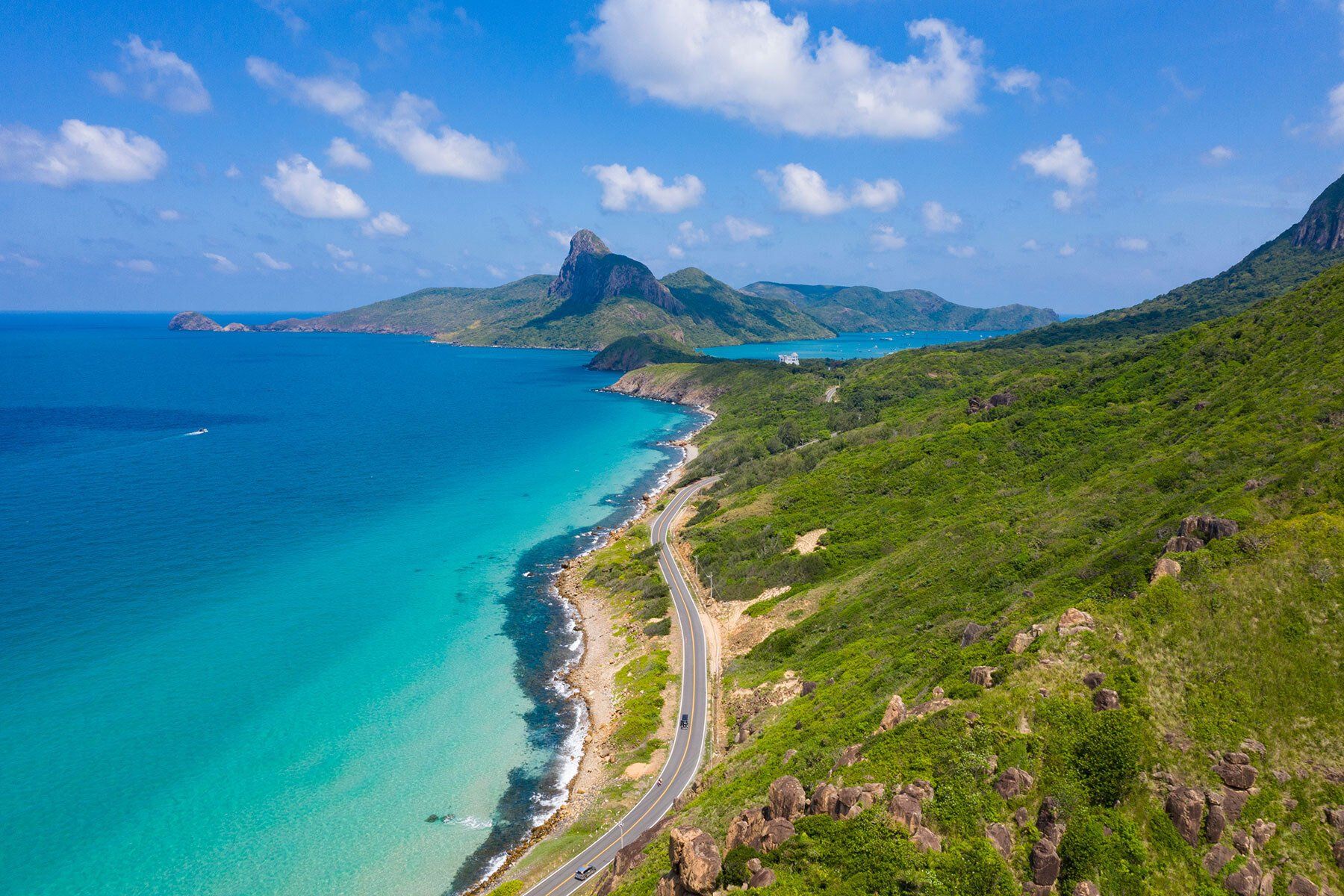
Index Northern Destinations Vietnam
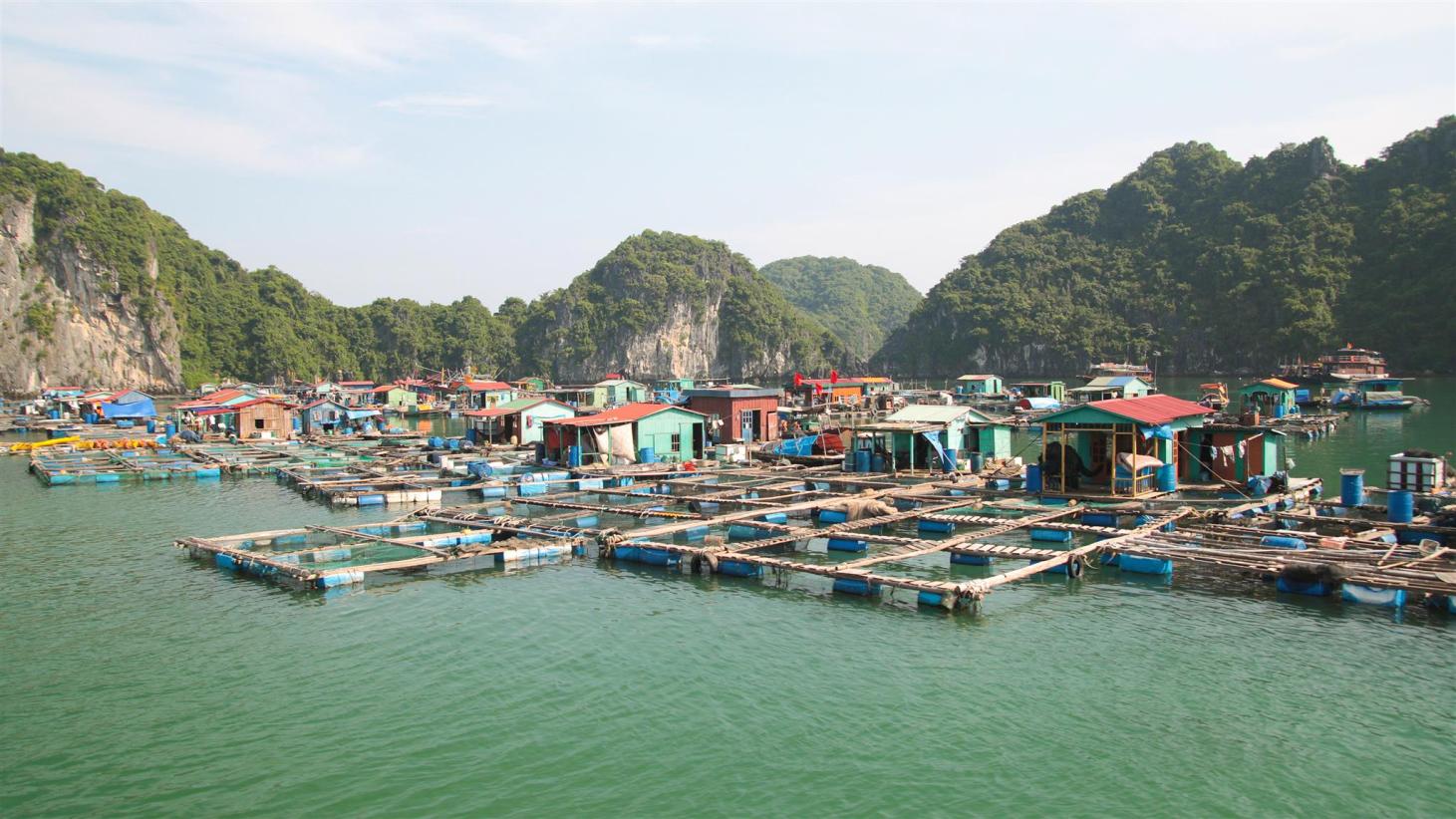
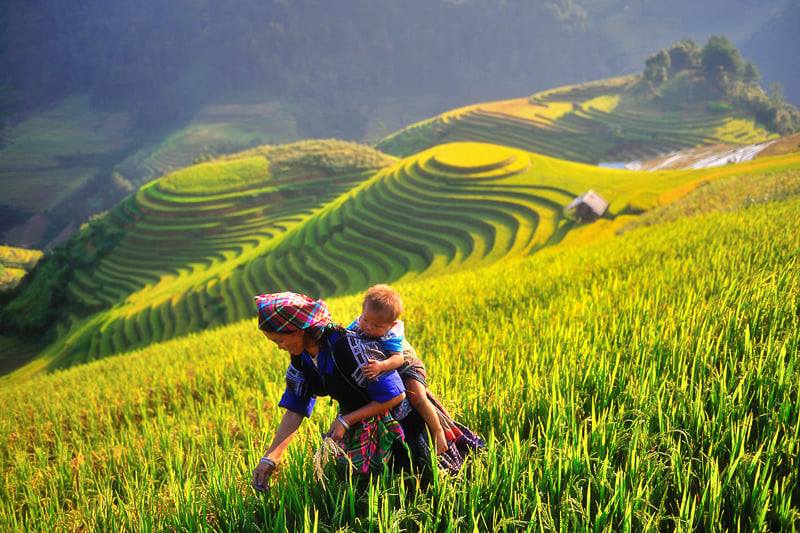
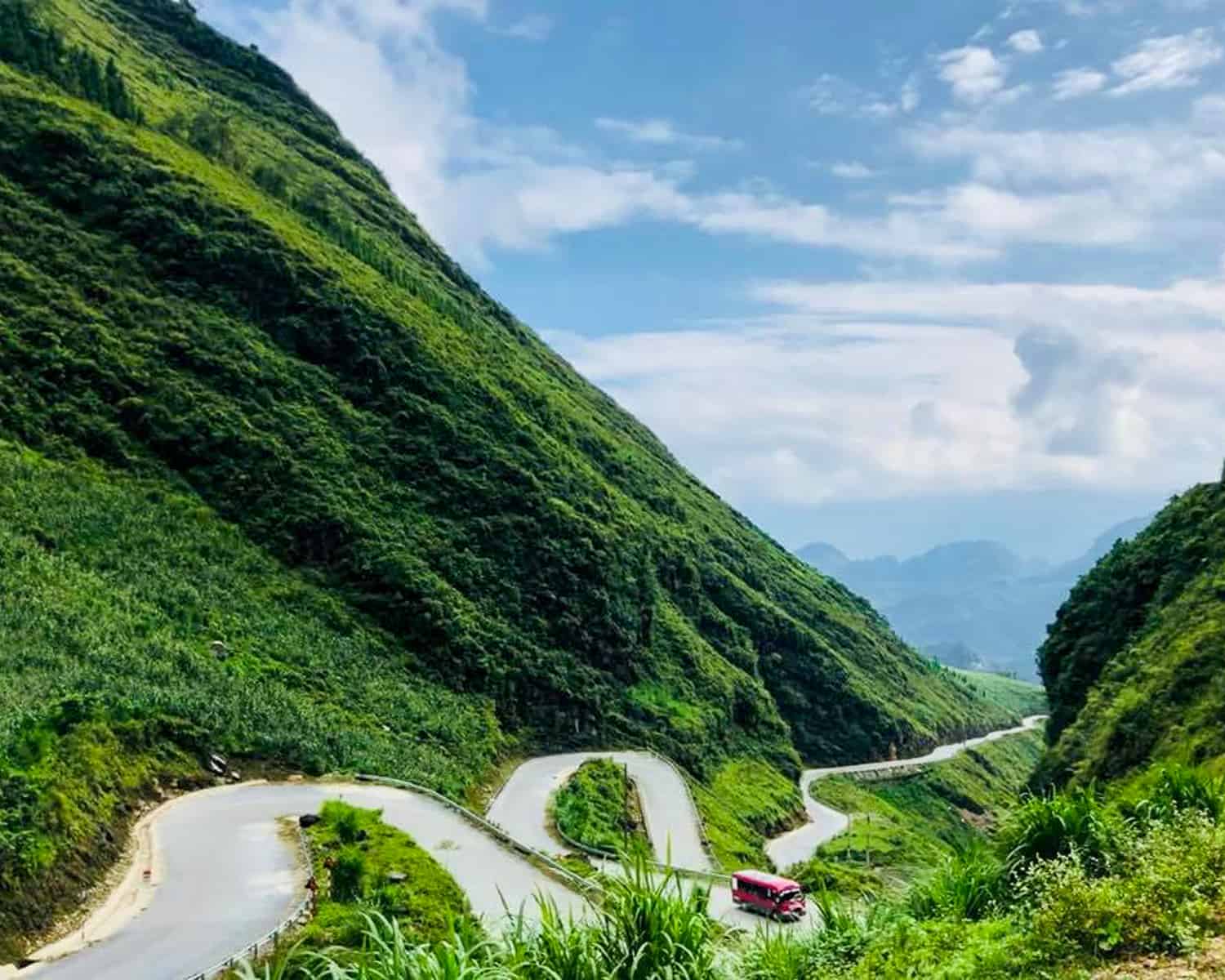
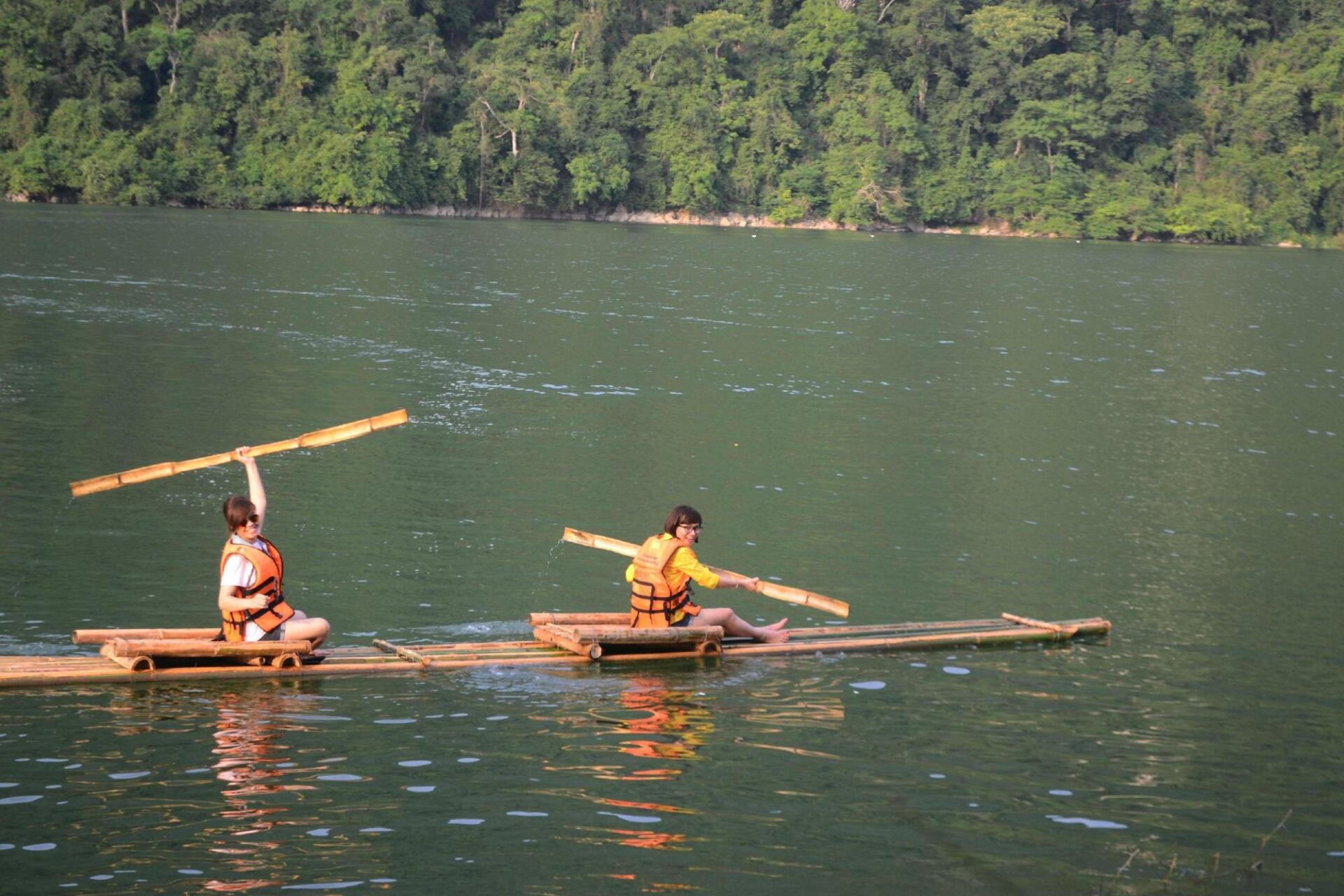
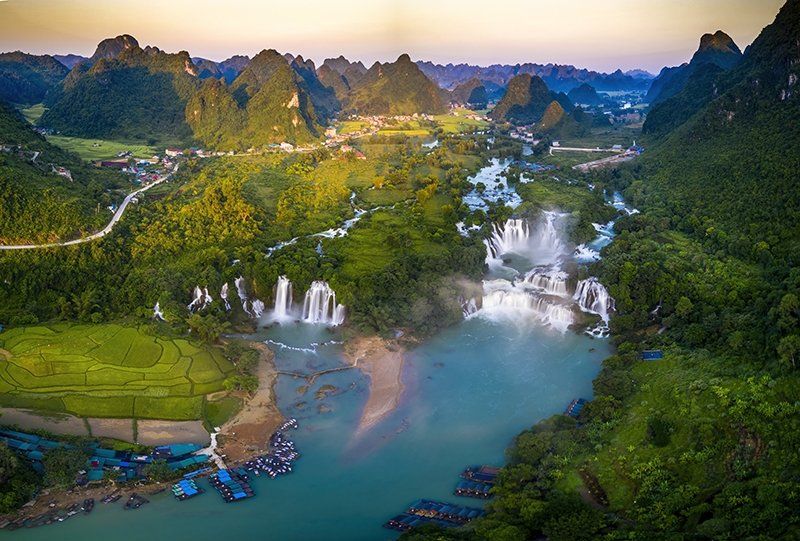

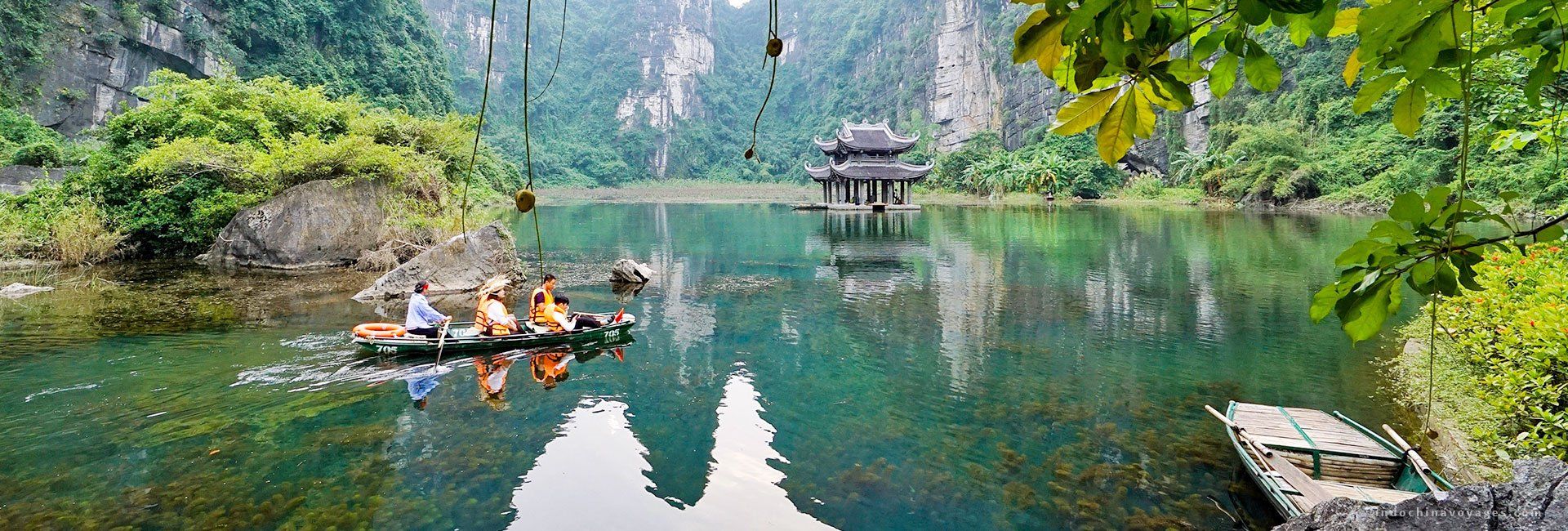
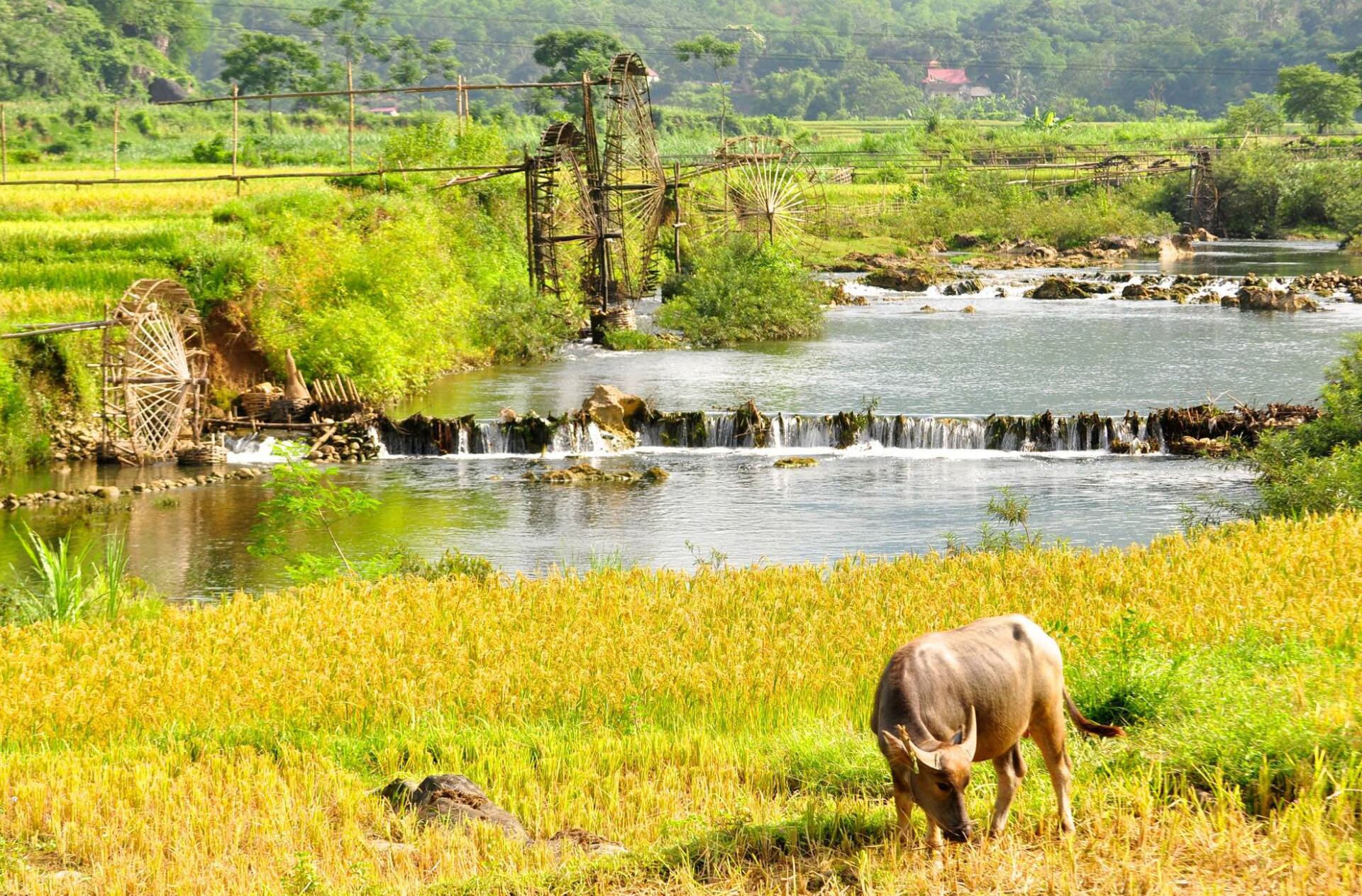
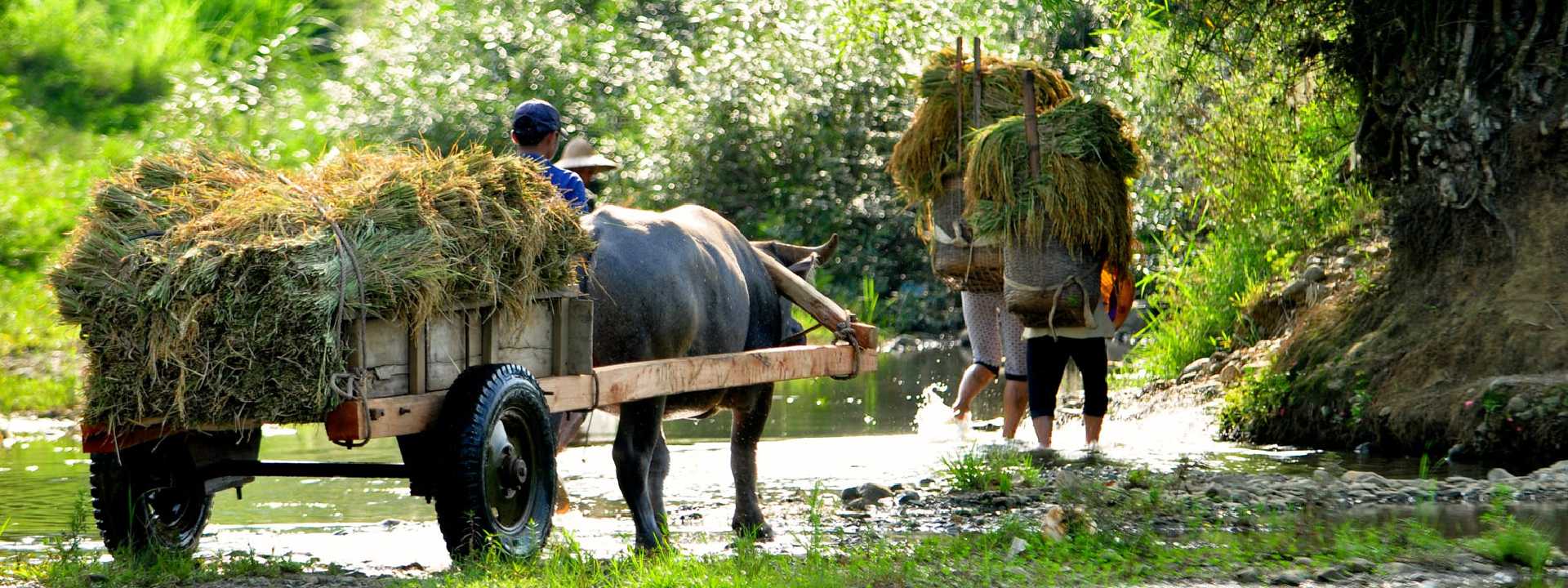
Index Central Destinations Vietnam
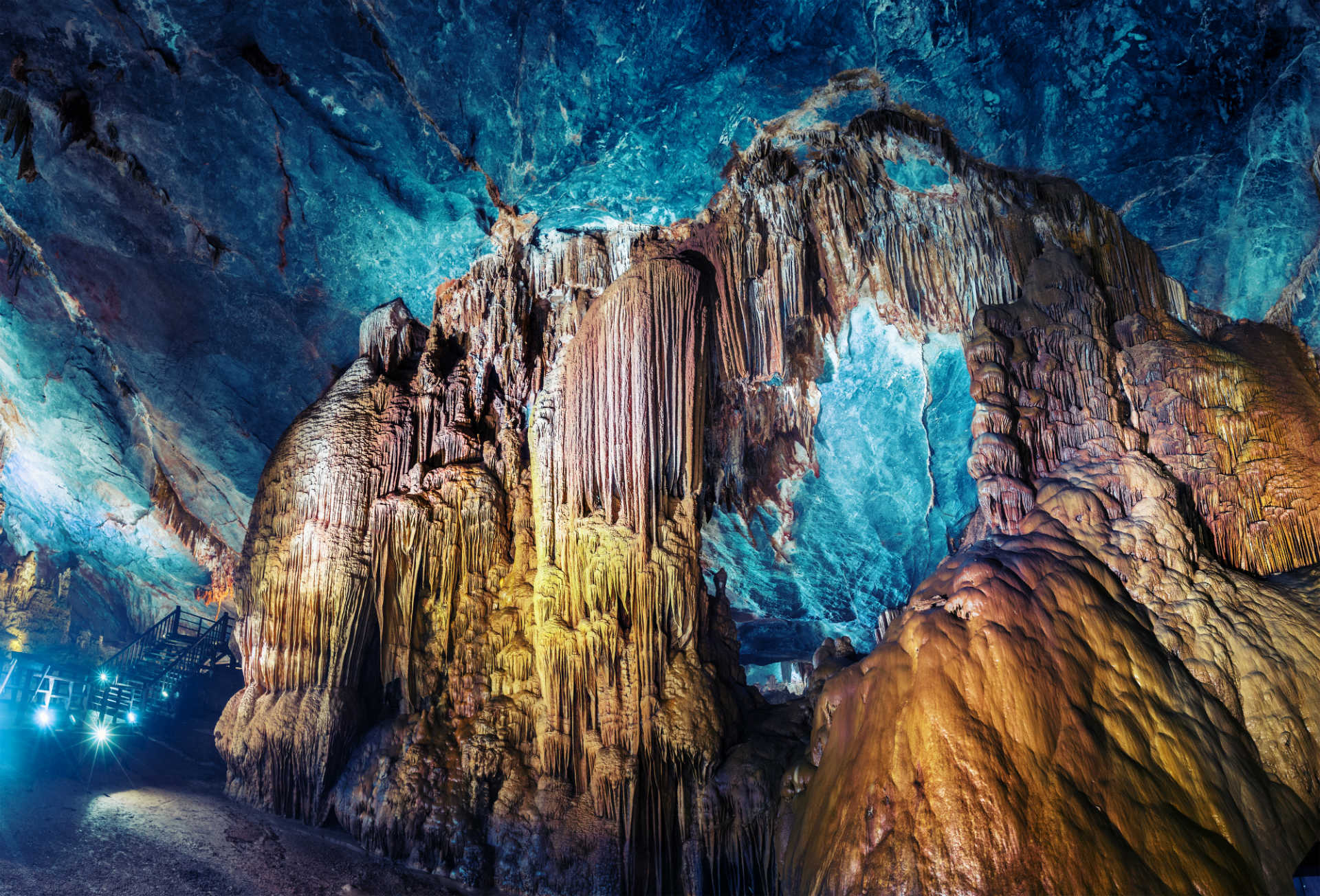
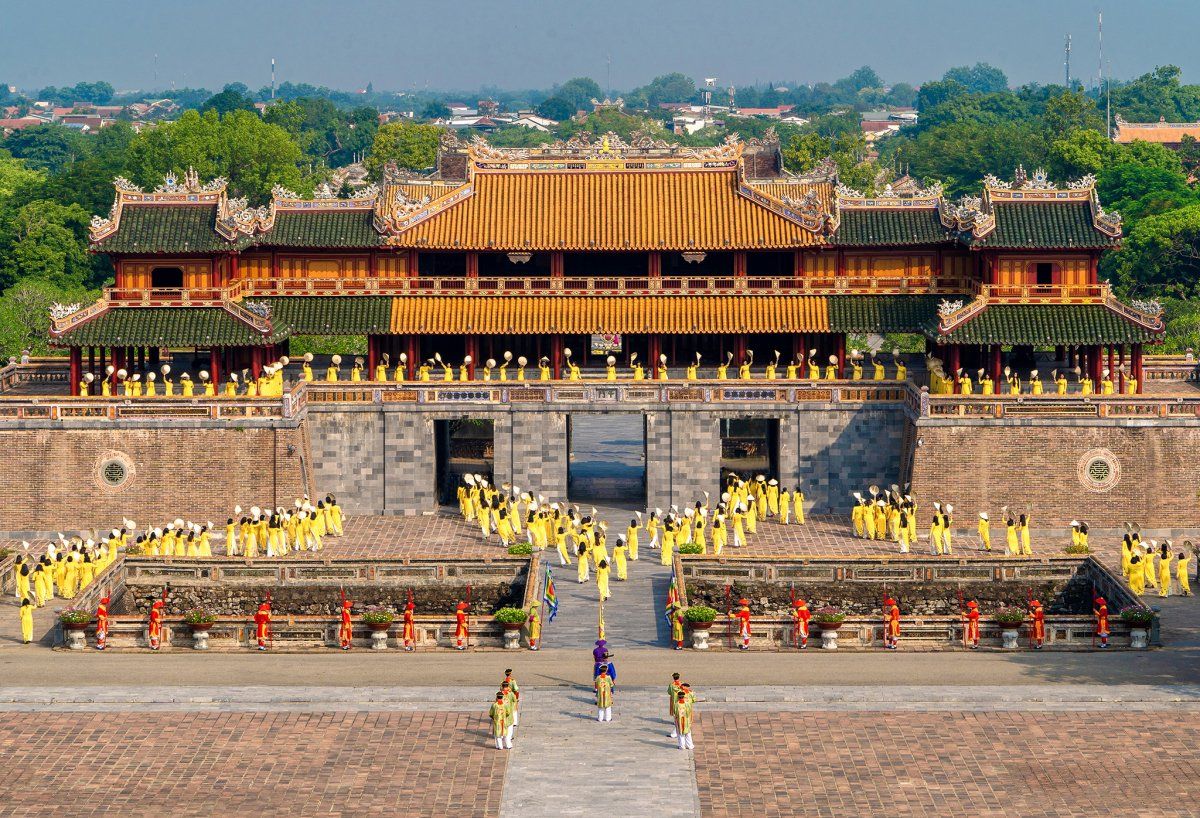
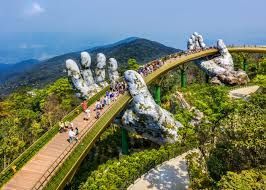
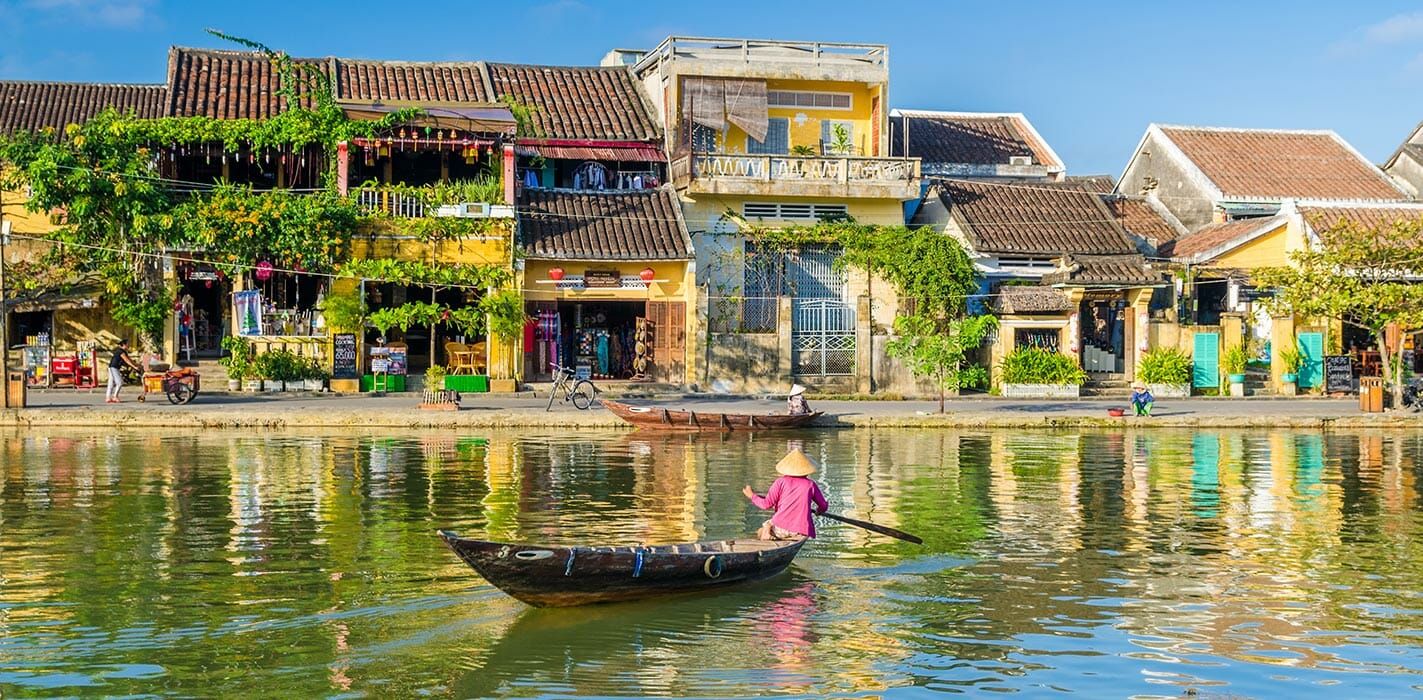
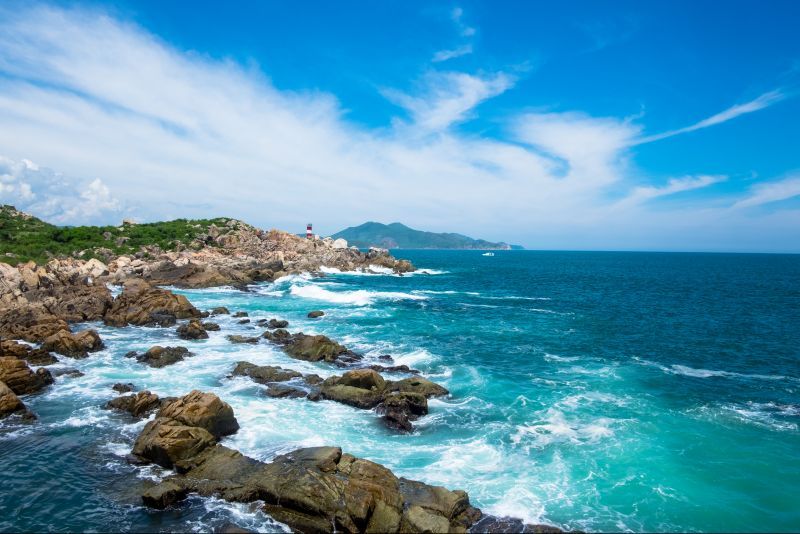
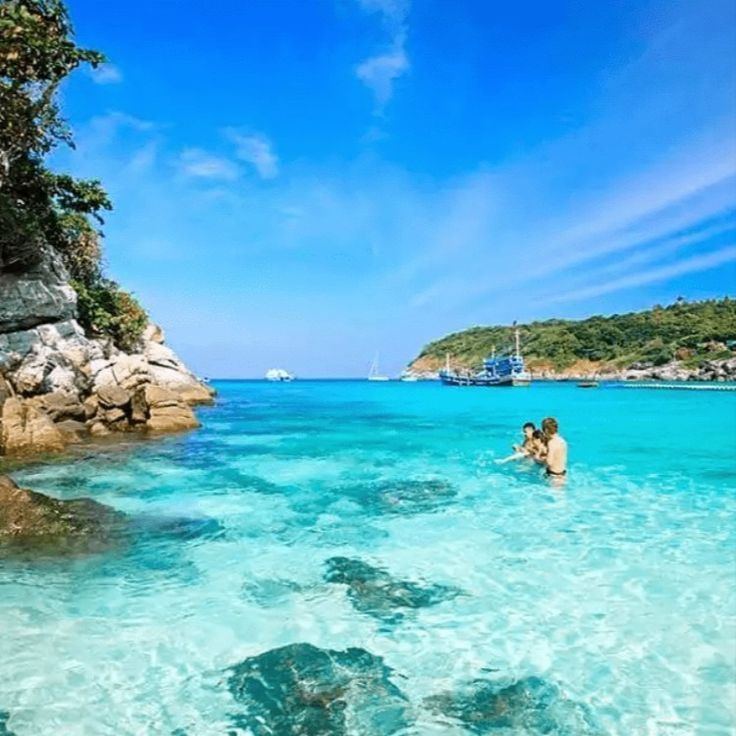
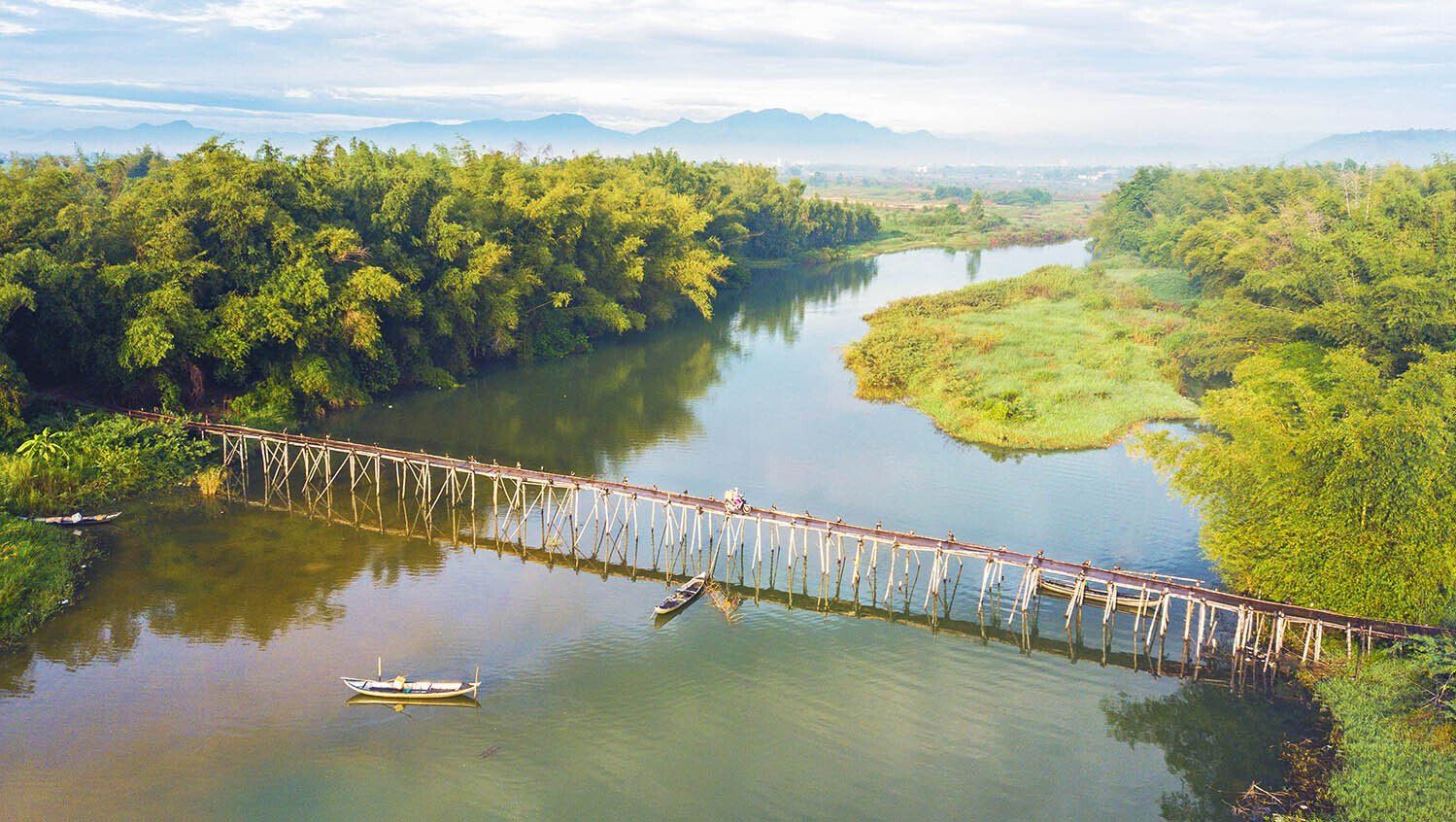
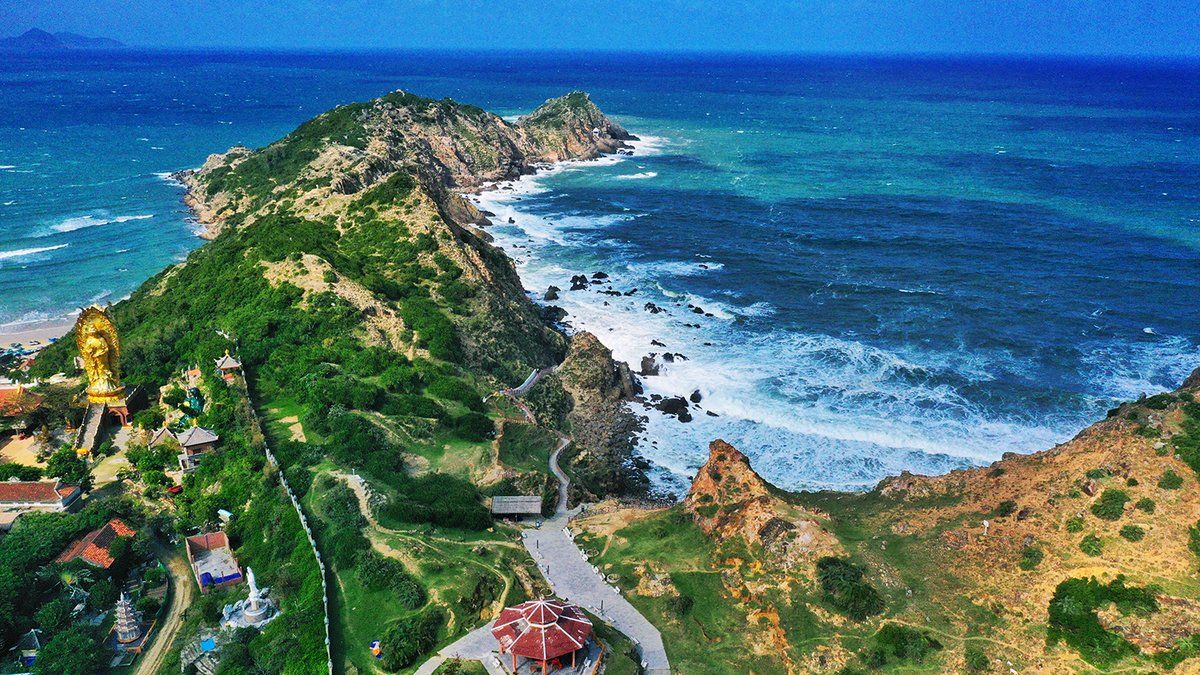
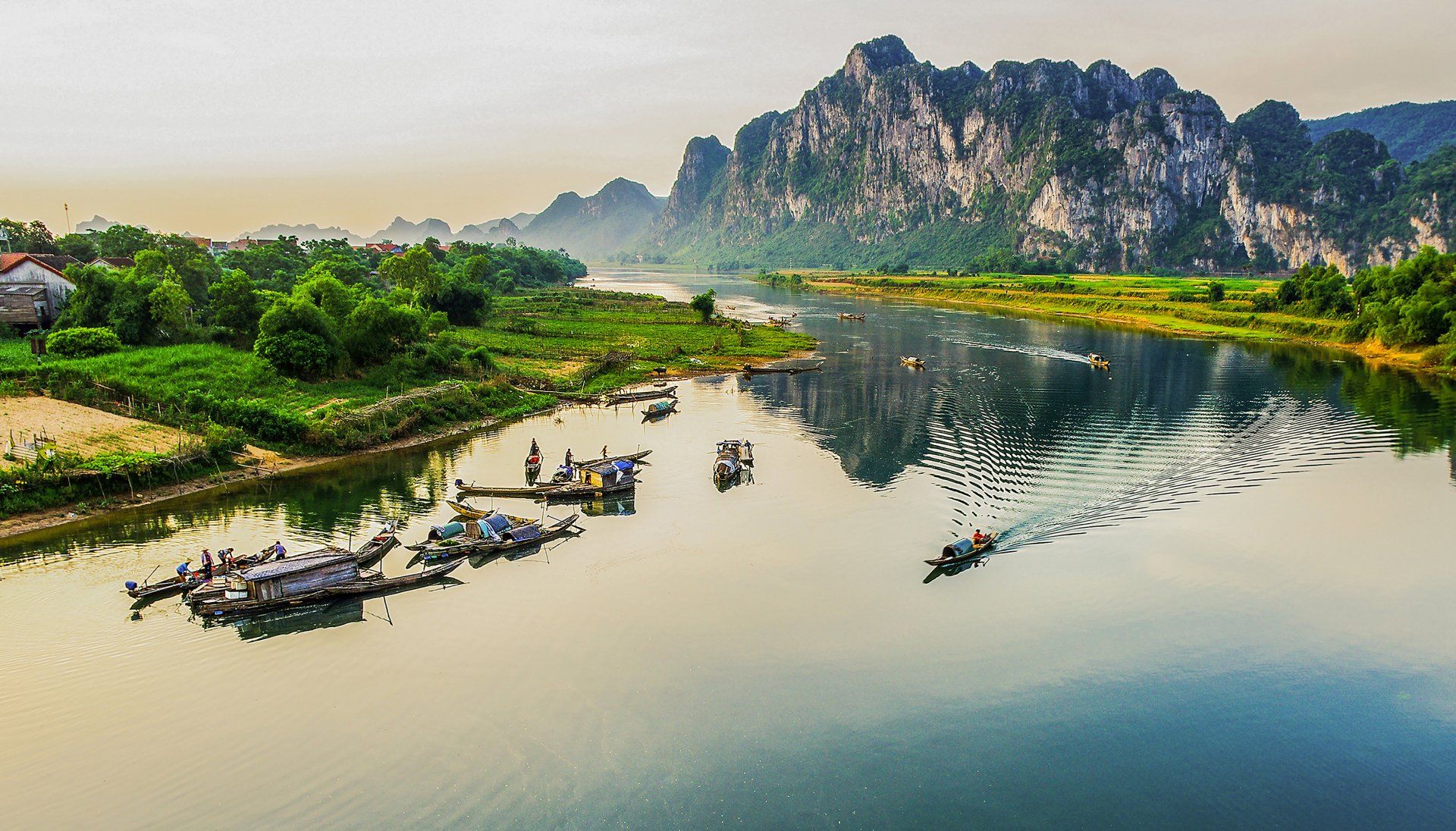
Index Island Destinations in Vietnam
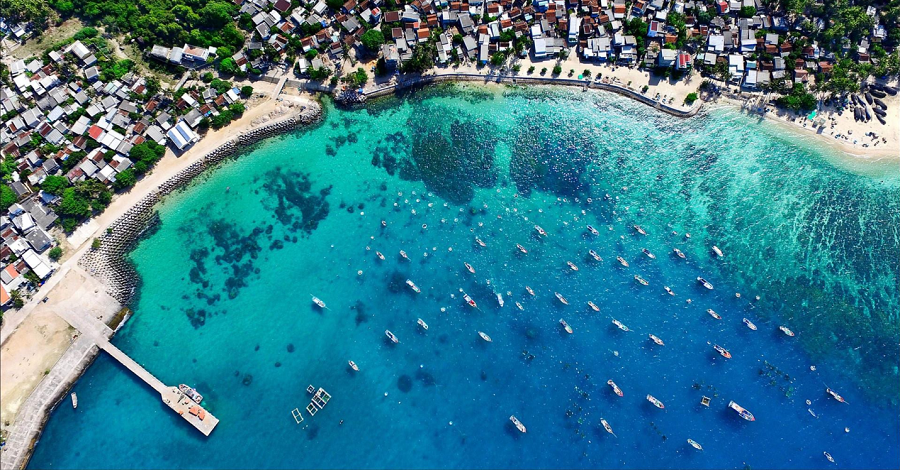
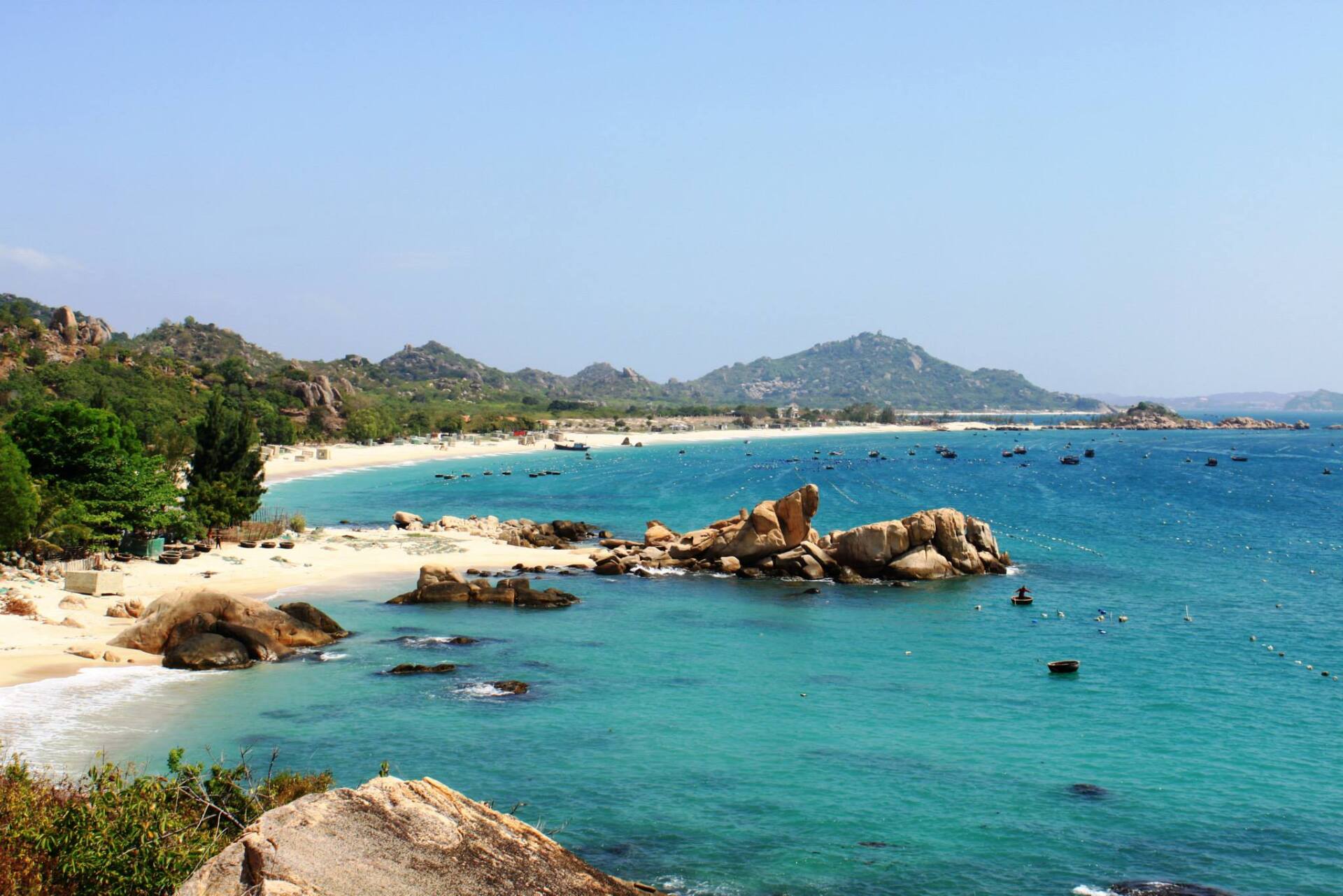
We do More Crazy Stuff...
We don't believe in going the extra mile at Friends Travel Vietnam, we believe in completing the entire journey. That’s why we offer our guests an entire host of extra services, ensuring their stay is as hassle free experience. We take pride in the wide variety of destinations in Vietnam that we offer. Each and every destination in Vietnam on offer is carefully selected, sourcing and visiting personally by our team of destination specialist as service providers and accommodation that meets our exceptional standards, it's all about the details!
Experience an unforgettable escape and discover more what to do & how to get around in Vietnam, with our special "Destinations" section, or wonder around great detailed articles on our "Travel Guide", or you are more interested to find the right "Travel Package" for your group or family, perhaps you like Lego and would like to build your own holiday with our "Holiday Travel Building Blocks" yourself, you like to know what great "Excursions & Tours" you can do together, or you sitting with your hands in your hair to find your way to your next destination but not sure which "Transportation" for sure jump on the backseat of the motorbike with our
Easy Riders for the adventures travellers. From
amazing hotels selections to stay, romantic
day or overnight cruises and last and no least
train tickets or bus ticket to get around Vietnam, you see it's enough to choose from for a successful Vietnam Holidays with us.
No worries, we got you!
In short, there isn’t a destination in Vietnam, sight or experience out of reach for our team of travel experts . Whether you are traveling solo, with friends or with your family; whether you are young or old; whether you want adventure and excitement or rest and relaxation, we’ll have single tour options or complete tailored travel package for you!.
FAQ's
Got Questions? Great, cause we’ve got the answers for you! We’ve put together commonly asked questions to give you more information about “traveling in Vietnam" and the cover we offer. Follow the link below and we bring to FriendsTravelVietnam.com our booking website. Feel free to contact us if any question that you can’t find the answer to.
Planning on Booking Your Trip To Vietnam?
Friends Travel Vietnam got you, ashas been inspiring travellers with curious-minded love & passion for Vietnam since 2013. With our on-the-ground-secret destinations & our netwerk of human-human partners and our passionate knowledge team of our "Real Local Travel Experts" on the office and in the field you can book unique, authentic experiences with ease. We’ll take you off the beaten path in no time as all you wish! Let us us help you? We've done tons of homework & experiences just create the ultimate trip for you! Just simple, all as you wish!“
This is what we do! Making your holiday dreams in Vietnam coming true with us! Is the excursion, tour or trip of your choice not listed? No worries, our Team of local destination experts will be happy to assist you.
Sidney
and
Thao
Van Meenen
Owners & Founders
Friends Travel Vietnam
Dreaming of your very own adventure in Vietnam?
We don’t blame you! Just don't follow the crowd - find your own path in with us in Vietnam for your next holiday.